
Understanding annual oil heating maintenance requirements to keep your home warm and efficient all winter.
You should service your oil burner at least once per year. In New England, where winters are notoriously long, cold, and harsh, annual maintenance is non-negotiable for keeping your system running reliably, safely, and efficiently. Booking annual oil burner service before the heavy heating season prevents sudden system breakdowns during freezing temperatures and protects against high heating fuel costs.
Investing in regular system tune-ups pays off quickly by lowering operating costs and extending system life. Heating equipment that is properly serviced operates at maximum fuel efficiency, reducing gallons consumed throughout the winter.
Regular care also delays costly system replacements. When components are cleaned, lubricated, and calibrated annually, stress on major assemblies is minimized. If your unit is reaching the end of its useful lifespan despite routine care, consulting professionals about boiler installation or furnace installation can help you transition to modern, high-efficiency equipment smoothly.
To make annual upkeep effortless, joining the White Glove Club offers home maintenance plans designed to keep your heating systems running safely year-round.

Why Annual Oil Burner Service Is Vital in New England
New England winters put extreme demand on residential oil heating systems. Unlike regions with mild winters, homes throughout Massachusetts depend on continuous heating for months at a time. This heavy workload causes soot, sediment, and mechanical wear to accumulate inside your equipment faster.
Regular maintenance helps prevent unexpected failures mid-winter. Skipping your annual checkup can result in:
Decreased Fuel Efficiency: Clogged nozzles and dirty heat exchangers make your system burn more oil to deliver the same warmth.
Higher Breakdown Risks: Mechanical components like transformers, pumps, and motors wear out faster under heavy strain.
Soot and Odor Issues: Improper fuel combustion leads to soot buildup, strange smells, and poor indoor air quality.
Scheduling annual boiler maintenance or furnace maintenance ensures your home stays comfortable without costly emergency interruptions.
Key Signs Your Oil Burner Needs Immediate Service
While annual servicing is the standard baseline, your heating system may show signs that it requires professional attention sooner. Don’t wait for your annual appointment if you notice any of the following warning signs:
1. Unusual Noises
Screeching, rumbling, or banging sounds often indicate worn motor bearings, ignition issues, or air in the lines.
2. Soot Around the Unit
Black residue near the burner base or vent pipe indicates incomplete combustion.
3. Dark Smoke from the Chimney
Smoke signals that the fuel-to-air mixture is out of balance.
4. Short-Cycling
If the system turns on and off rapidly without heating your home, it may be overheating or suffering from sensor failure.
5. Increased Oil Usage
A sudden surge in oil consumption without changes in weather typically points to loss of efficiency.
If your system shuts down entirely, you may need an emergency plumber or HVAC technician to address critical heating failures.
What Happens During Professional Oil Burner Servicing?
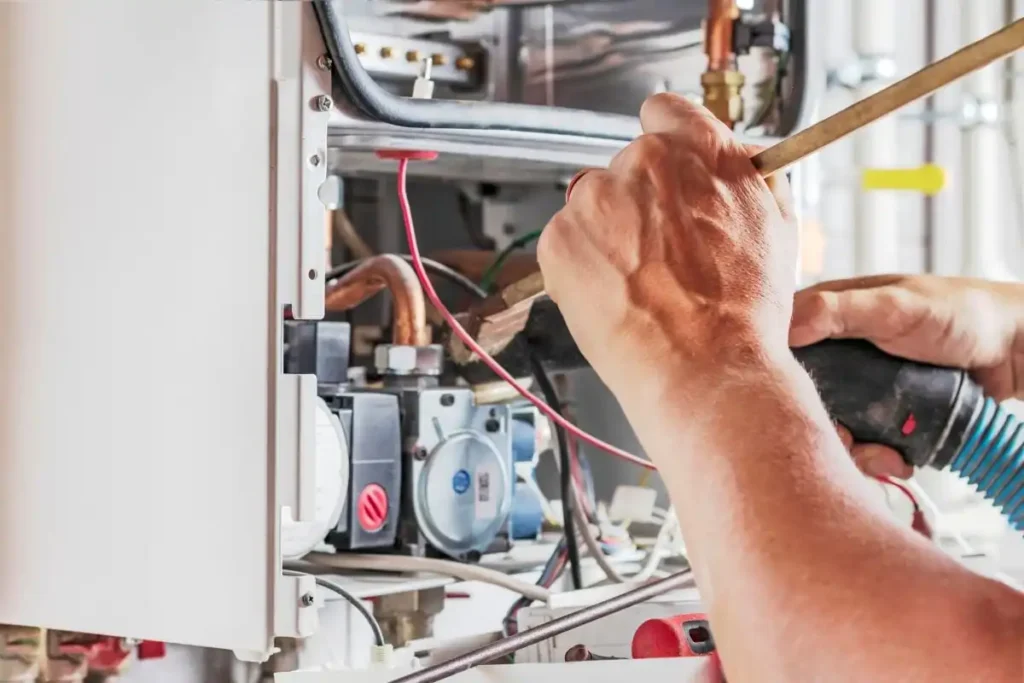
A comprehensive tune-up by a licensed technician goes far beyond a simple visual check. Standard maintenance includes deep cleaning, component replacement, and system tuning to maximize energy performance.
Key tasks performed during service include:
-
Nozzle Replacement: Swapping the oil nozzle to ensure proper fuel atomization.
-
Filter & Strainer Changes: Replacing fuel filters to prevent clogs and sediment buildup in the line.
-
Electrodes & Ignition Checks: Cleaning and setting electrode gaps for reliable system ignition.
-
Heat Exchanger Cleaning: Removing soot accumulation to restore optimal heat transfer.
-
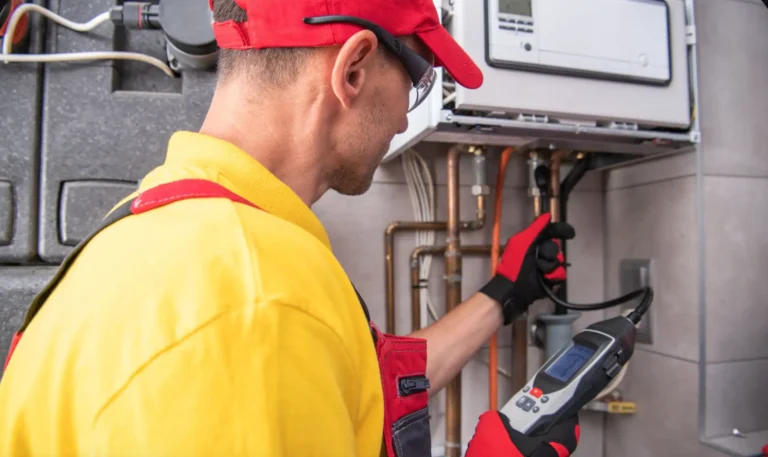
Combustion Analysis: Testing flue gas to calibrate the burner for maximum efficiency and safety.
Keeping up with these tasks protects your heating system investments and extends equipment lifespan.
Best Time of Year to Schedule Oil Burner Maintenance
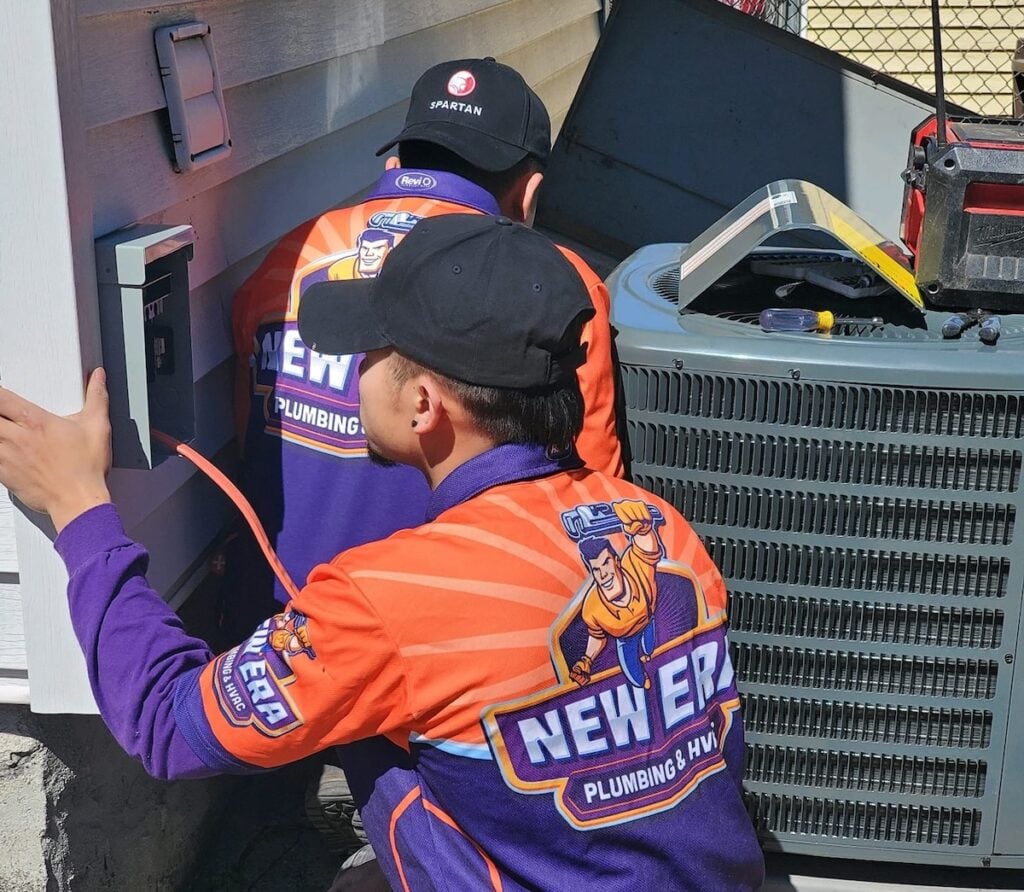
The ideal time to book service for your oil burner is during late spring, summer, or early autumn. Servicing during the off-peak season offers several clear benefits:
Better Scheduling Availability: HVAC technicians have more flexible appointment slots before the winter rush.
System Preparedness: Your system is clean, tested, and ready long before the first frost arrives.
Early Problem Detection: Any required repairs can be addressed calmly before heating becomes critical.
If you miss the pre-season window, booking service during mid-heating season is still vastly superior to skipping maintenance altogether.
How Routine Servicing Protects Equipment Lifespan and Reduces Costs
Investing in regular system tune-ups pays off quickly by lowering operating costs and extending system life. Heating equipment that is properly serviced operates at maximum fuel efficiency, reducing gallons consumed throughout the winter.
Regular care also delays costly system replacements. When components are cleaned, lubricated, and calibrated annually, stress on major assemblies is minimized. If your unit is reaching the end of its useful lifespan despite routine care, consulting professionals about boiler installation or furnace installation can help you transition to modern, high-efficiency equipment smoothly.
To make annual upkeep effortless, joining the White Glove Club offers home maintenance plans designed to keep your heating systems running safely year-round.
Frequently Asked Questions
How often should an oil burner be serviced?
+
An oil burner should be professionally serviced at least once per year to ensure safe operation, high fuel efficiency, and long system lifespan.
What happens if you don't service an oil burner every year?
+
Skipping yearly service leads to soot buildup, clogged nozzles, increased fuel consumption, higher risk of winter breakdowns, and potential safety hazards like carbon monoxide buildup.
What is the best time of year to get an oil burner tune-up?
+
Late spring, summer, or early fall is the best time to schedule a tune-up before heating demand spikes in late autumn and winter.
Can I service my oil burner myself?
+
No. Oil burner servicing requires specialized tools, dangerous voltage checks, precise oil nozzle setup, and combustion analyzer testing that must be performed by a certified technician.
How long does an oil burner service appointment take?
+
A complete professional maintenance tune-up and safety inspection typically takes between 1 and 2 hours depending on system age and condition.
Does regular oil burner maintenance lower heating bills?
+
Yes. Annual cleaning and combustion tuning ensure maximum fuel consumption efficiency, reducing oil consumption during peak winter heating cycles.
Posted on Google
 Matthew Grasso2 days ago
Trustindex verifies that the original source of the review is Google.
Knowledgeable,explained everything answered all questions. Great experiencePosted on Google 朱y烨u3 days agoHad new era do some work for me Steve L come out and fixed the problem right away will use them againPosted on Google
 Jenny Chen3 days agoSteven L is an Amazon plumber, very patient and knowledgeable, love the job he is doing!Posted on Google
 Hunter5 days agoI just saw one of the vans on the road I never had the services but I love the superhero thing it's awesome five stars lolPosted on Google
 Jennifer Demers5 days agoSteve L did and excellent job repairing my shower valvePosted on Google
 Chris-Joanna Virtue5 days agoExcellent service, quality installation, polite, and reasonable pricing. Will use again.Posted on Google
 Kevin B16 days agoSteve L. Has gone to 2 of my properties and has done an excellent job at both. He's detailed, provides insight on the problems and solutions and doesn't cut corners. Thank you, Steve L!+1Posted on Google
 asma boumediene17 days agoConnor j and Mike were excellent, helped explain things very well and are very knowledgeable on their work!Posted on Google
 Bernardo Ponte23 days agoThis was the third time Robert from New Era has been to my place. The first two were emergency calls and now a routine heating tune-up. He’s been great every time. He explains what he’s doing as he goes, doesn’t try to upsell you, and actually seems to enjoy walking you through how your system works. He shows up on time, does clean work, and is easy to trust. Ask for Robert if you can!Posted on Google
 Nicole Roberto25 days agoWe had a great experience with Connor! They were professional, knowledgeable, and responsive from start to finish. They showed up on time, explained everything clearly, and got the job done efficiently. The quality of work was excellent, and we really appreciated their honesty and attention to detail. Highly recommend them to anyone looking for a reliable and trustworthy plumber!Verified by TrustindexTrustindex verified badge is the Universal Symbol of Trust. Only the greatest companies can get the verified badge who has a review score above 4.5, based on customer reviews over the past 12 months. Read more


Which System Is Right for Your Home?
If you have access to natural gas, a high-efficiency gas furnace or boiler offers stable, affordable heating. If you currently rely on expensive heating oil, transitioning to a cold-climate heat pump—or installing a hybrid dual-fuel system—is often the single smartest financial investment you can make, thanks to state rebates and long-term energy savings.
At New Era HVAC Services, we make upgrading effortless. Take advantage of flexible Financing options, explore our savings programs, or join our White Glove Club for year-round preventive maintenance and priority service.
Ready to lower your heating bills this winter? Call New Era HVAC Services today at (978) 574-7436 or Book Online to schedule an in-home heating consultation with our licensed technicians.
Local Solutions for Massachusetts & New Hampshire Homeowners
Heating needs vary significantly by community. That is why New Era HVAC Services brings localized expertise to every town and city we serve:
Satisfied Communities Gave New Era 5 ★ on Google Reviews!
- Essex County, MA: From annual boiler maintenance in Andover to emergency furnace repair in Salem, and comprehensive installations in Haverhill, Lawrence, Merrimac, and Methuen, we help North Shore residents maintain peak heating performance.
- Middlesex County, MA: We provide reliable heating services in Dracut and Hudson, and furnace maintenance in Lowell to keep systems running smoothly through winter.
- Suffolk & Worcester Counties, MA: Homeowners in urban centers like Boston and Worcester benefit from fast response times for gas line upgrades, heat pump retrofits, and system conversions.
- Rockingham & Hillsborough Counties, NH: In Southern New Hampshire, we specialize in high-efficiency heating upgrades, including heat pump repair in Salem, as well as dependable service throughout Atkinson, Windham, and Pelham.

References
- American Gas Association. (2026). EIA projects rising electricity prices, widening the gap with natural gas to 4.0x in 2027. https://www.aga.org/wp-content/uploads/2026/03/EIA-Projects-Electricity-to-Cost-4x-Natural-Gas-in-2027.pdf
- Massachusetts Department of Energy Resources. (2025). Massachusetts household heating costs. Commonwealth of Massachusetts. https://www.mass.gov/info-details/massachusetts-household-heating-costs
- U.S. Department of Energy. (2024). Heat pump systems. Office of Energy Efficiency & Renewable Energy. https://www.energy.gov/energysaver/heat-pump-systems
- U.S. Energy Information Administration. (2025). Winter fuels outlook. U.S. Department of Energy. https://www.eia.gov/outlooks/steo/special/supplements/2025/winterfuels.pdf
- U.S. Energy Information Administration. (2026). Electricity monthly update: Retail prices by state. U.S. Department of Energy. https://www.eia.gov/electricity/monthly/update/