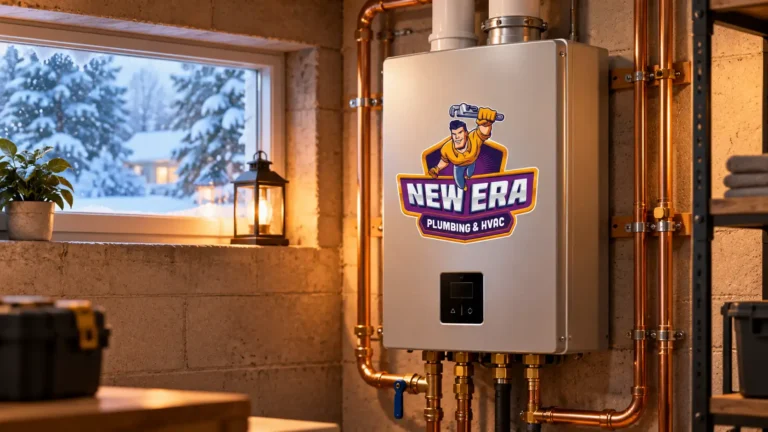

When a water heater starts failing, homeowners usually want two things fast: a reliable replacement and a clear sense of what it is going to cost. The honest answer is that water heater replacement cost varies considerably depending on the type of unit, its size, your fuel source, and whether the installation requires any additional work to meet current code. Most Massachusetts homeowners pay somewhere between $1,200 and $3,500 for a complete replacement, but that range can stretch significantly in either direction depending on your specific situation. Understanding the breakdown of water heater cost before you call a plumber puts you in a much stronger position to make a confident decision, and knowing the key factors that drive the price helps you avoid surprises. Learn more about water heater replacement services and what the process involves. Here is what this guide covers:
- Why water heater replacement is worth doing right
- Cost by water heater type and size
- 7 factors that affect your final price
- Signs it is time to replace rather than repair
- Frequently asked questions homeowners ask before replacing
Why Replacement Cost Is Worth Understanding
Water heating is not a minor household expense. According to the U.S. Department of Energy, water heating accounts for about 18% of your home’s energy use and is typically the second largest energy expense in any home. That means the unit you choose and how energy efficient it is will affect your utility bills every single month for the next 10 to 15 years or longer. Getting a clear picture of replacement cost upfront helps you weigh options thoughtfully rather than defaulting to the cheapest available unit simply because the old one failed unexpectedly.
Homeowners in Bedford, MA and across northeastern Massachusetts also need to factor in regional labor rates, permitting requirements, and the condition of existing gas or electrical infrastructure when planning a replacement. A straightforward swap of the same type and size unit runs faster and cheaper than a fuel conversion or a first-time tankless installation, and knowing the difference helps you plan accordingly.
Water Heater Replacement Cost by Type
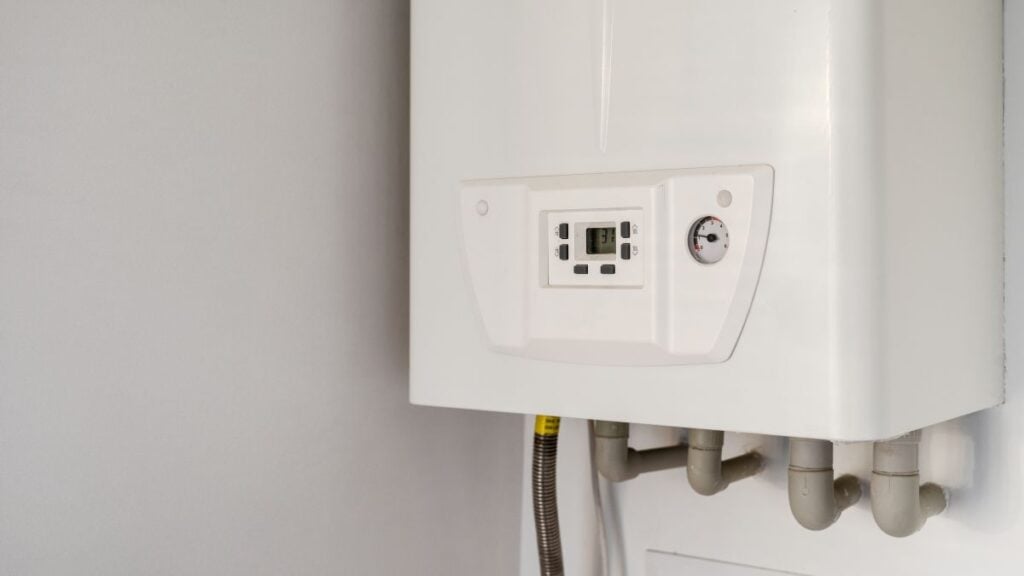
The type of water heater you choose is the single biggest variable in your average total cost. A traditional tank water heater is the most common replacement scenario and sits at the lower end of the price range, while tankless and heat pump systems carry higher upfront costs but offer long-term efficiency advantages. Here is a breakdown of installed costs for each major type in 2026, including the unit, labor, and standard materials.
| Water Heater Type | Unit Cost | Installed Cost | Expected Lifespan |
| Gas tank (40-gallon) | $400 to $700 | $900 to $1,600 | 8 to 12 years |
| Gas tank (50-gallon) | $500 to $800 | $1,000 to $1,900 | 8 to 12 years |
| Electric tank (40-gallon) | $350 to $650 | $800 to $1,400 | 10 to 15 years |
| Electric tank (50-gallon) | $450 to $750 | $900 to $1,600 | 10 to 15 years |
| Gas tankless | $700 to $1,500 | $2,000 to $4,500 | 15 to 20 years |
| Electric tankless | $500 to $1,000 | $1,500 to $3,000 | 15 to 20 years |
| Heat pump (hybrid electric) | $900 to $1,500 | $1,800 to $3,500 | 10 to 15 years |
Installed cost includes the unit, labor, standard connections, and basic permit fees. A heat pump water heater sits at a moderate installed price but delivers the lowest annual operating costs of any electric option. Tankless systems carry the highest upfront investment but offer the longest lifespan and on-demand hot water. Additional costs for gas line work, electrical upgrades, venting modifications, or fuel source conversions are not included in these ranges and are covered in the factors section below.
Cost by Tank Size
For tank-style water heaters, capacity is a major pricing driver. Tank size is measured in gallons and should be matched to household size for both comfort and efficiency. An undersized tank runs out of hot water during peak use. An oversized one wastes energy keeping more water hot than your household ever draws.
- 30 to 40 gallons: Best for one to two people. Lower unit cost, typically the most affordable replacement option overall.
- 50 gallons: The most common size for three to four person households. Represents the middle of the pricing range for both gas and electric models.
- 75 to 80 gallons: Suited to larger households or homes with high simultaneous demand. Higher unit and installation costs, and may require additional support structure in some installations.
For tankless units, sizing is measured by flow rate in gallons per minute rather than storage capacity. A plumber will assess your household’s peak demand, number of fixtures, and incoming water temperature to size a tankless unit correctly for your home.
7 Factors That Affect Your Water Heater Replacement Cost
The price ranges above represent standard replacement scenarios. Your actual cost will depend on how many of these variables come into play.
1. Fuel Source Conversion
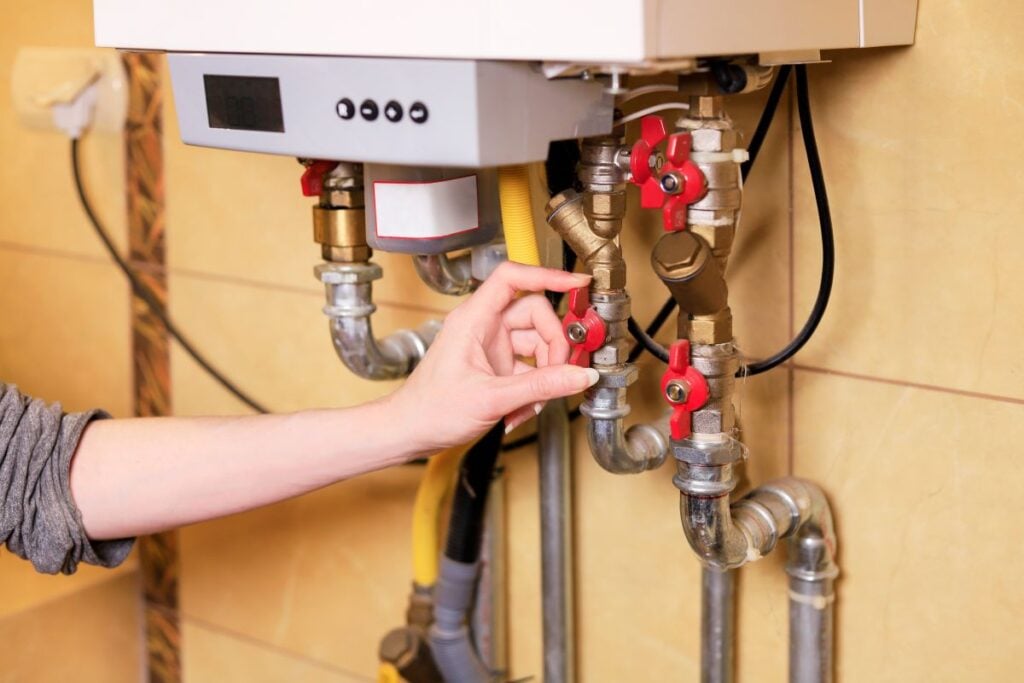
Switching from electric to gas or gas to electric is one of the most significant cost additions on any water heater project. A new gas line installation adds $300 to $800 or more depending on run length and access. Upgrading electrical service for a large electric tankless unit can add $500 to $2,300 depending on panel capacity and wire run distance.
2. Venting Requirements
Gas water heaters require proper venting to the exterior. If you are upgrading to a higher-efficiency condensing gas unit or switching from an atmospherically vented model to a power-vented one, new venting may need to be installed. This can add several hundred dollars to the project depending on the vent type and run required.
3. Permit Fees
Massachusetts requires permits for water heater installation in most municipalities. Permit costs typically run $50 to $300 depending on the jurisdiction. Skipping permits creates liability issues, can void manufacturer warranties, and may complicate a future home sale. New Era handles all permitting as part of every installation so homeowners do not have to manage that process on their own.
4. Expansion Tank
Many Massachusetts municipalities now require a thermal expansion tank on closed plumbing systems. If your home does not already have one, your plumber will need to install one alongside the new water heater. This addition typically costs $100 to $200 installed when added at the time of replacement.
5. Water Heater Location
Where the unit lives in your home directly affects labor time and cost. Units installed in tight, difficult-to-access spaces such as a crawlspace, closet, or attic take longer to service and increase labor costs compared to a standard basement or utility room installation. Relocating a unit to a new area of the home requires extending water lines, gas lines, or electrical runs and can add several hundred dollars or more.
6. Removal and Disposal of the Old Unit
Most plumbers include haul-away of the old unit in their labor quote, but it is always worth confirming before work begins. Disposal fees of $50 to $150 are not always included in initial estimates and can catch homeowners off guard. Older tanks that have corroded to the floor or connections can add time to removal and increase labor cost slightly.
7. Code Upgrades
Older installations sometimes require updates to meet current Massachusetts plumbing code before a new unit can be legally installed. This might include updated seismic strapping, new shut-off valves, or upgraded drain pan and piping configurations. These upgrades are not optional and will be flagged during the permit inspection process, typically adding $50 to $300 to the project depending on what is needed.
Repair vs. Replace: When Does It Make Sense?
Not every water heater problem requires a full replacement. Here is a general framework for making the call.
Repair is usually worth considering when:
- The unit is under 7 years old: Most repairs on a relatively young unit cost less than the long-term value lost by replacing it prematurely.
- The repair is straightforward: Replacing a thermostat, heating element, pressure relief valve, or anode rod is typically inexpensive and extends useful life meaningfully.
- The tank itself is sound: If there is no corrosion or leaking from the tank body, targeted repairs are often a sensible choice.
Replacement makes more sense when:
- The unit is 10 or more years old: The average tank water heater lasts 8 to 12 years. An older heater that requires a significant repair is often better replaced than patched, especially in areas with hard water where water quality accelerates sediment buildup and tank corrosion.
- The tank is leaking: A corroded or leaking tank cannot be repaired. Replacement is the only option once the tank itself is compromised.
- Repair costs exceed half the replacement value: If a repair quote approaches or exceeds 50 percent of what a new unit would cost, replacement typically delivers better long-term value.
- Energy bills are climbing without explanation: An aging, inefficient unit working harder than it should can quietly drive up utility costs before it shows obvious signs of failure.
We’re proud to serve home and business owners in Bedford, MA, and nearby communities with water heater replacement, repair, and more. Our team provides upfront pricing so you understand exactly what you are paying for before any work begins.
Common FAQs About Water Heater Replacement Cost
Homeowners replacing a water heater for the first time tend to have the same set of questions. Here are honest answers.
How long does water heater replacement take?
A standard tank-for-tank replacement in an accessible location typically takes two to three hours from start to finish. First-time tankless installations, fuel conversions, or replacements that require additional plumbing or electrical work will take longer, sometimes a full day. Your technician will give you a realistic timeline during the estimate.
Does homeowner’s insurance cover water heater replacement?
Generally, no. Homeowner’s insurance typically covers sudden damage caused by a covered event, such as a burst pipe that damages nearby property, but it does not cover the cost of replacing a water heater that has failed due to age or normal wear. Reviewing your policy with your insurance provider is the best way to confirm your specific coverage.
Is a permit required for water heater replacement in Massachusetts?
Yes, in most municipalities. Water heater replacement involving gas or electrical connections requires a permit in Massachusetts. Unpermitted work can create complications when you sell your home and may void your manufacturer’s warranty. New Era pulls all necessary permits on every job.
What size water heater do I need?
The right size depends on your household’s peak hot water demand. A general starting point is 40 gallons for one to two people, 50 gallons for three to four people, and 75 to 80 gallons for five or more. For tankless units, a licensed plumber will calculate the right flow rate based on how many fixtures your household uses simultaneously. Sizing a unit correctly matters both for comfort and for efficiency.
Can I get financing for a water heater replacement?
Yes. New Era offers flexible financing options through trusted lending partners to help homeowners manage the cost of a replacement without delay. A failing water heater is not something most households can afford to put off, and financing makes it possible to move forward with the right unit rather than the cheapest available option.
New Era Plumbing & HVAC: Transparent Pricing, Done Right
A water heater replacement should not come with surprises. At New Era Plumbing & HVAC, we believe in showing homeowners exactly what they are getting before any work begins. That means a clear, itemized quote, an honest assessment of whether repair or replacement makes more sense for your situation, and a team that shows up on time, does the job right, and leaves your home the way they found it. We have been serving the Greater Bedford area and surrounding Massachusetts communities for over 15 years, and we stand behind every installation with strong warranties and upfront pricing.
Whether your water heater has already failed or you are planning ahead for a replacement, contact our team today to schedule your assessment and get a straightforward quote.