Your air conditioner has a lot of moving parts, but none of them matter if one component goes down: the ac compressor. It is the engine of the entire cooling system, and when it starts to fail, everything downstream suffers. The good news is that compressor problems rarely happen without warning — there are almost always signs weeks or months before a full failure. Catching them early can mean the difference between a manageable repair and a full system replacement. If you are already seeing warning signs, learn more about professional AC repair and diagnostics and what a service visit involves. Here is what this guide covers:
- What the AC compressor does and why it matters so much
- 7 warning signs your compressor is starting to fail
- What causes compressors to fail prematurely
- Your repair and replacement options explained clearly
- Frequently asked questions homeowners ask about compressor problems
What the AC Compressor Does
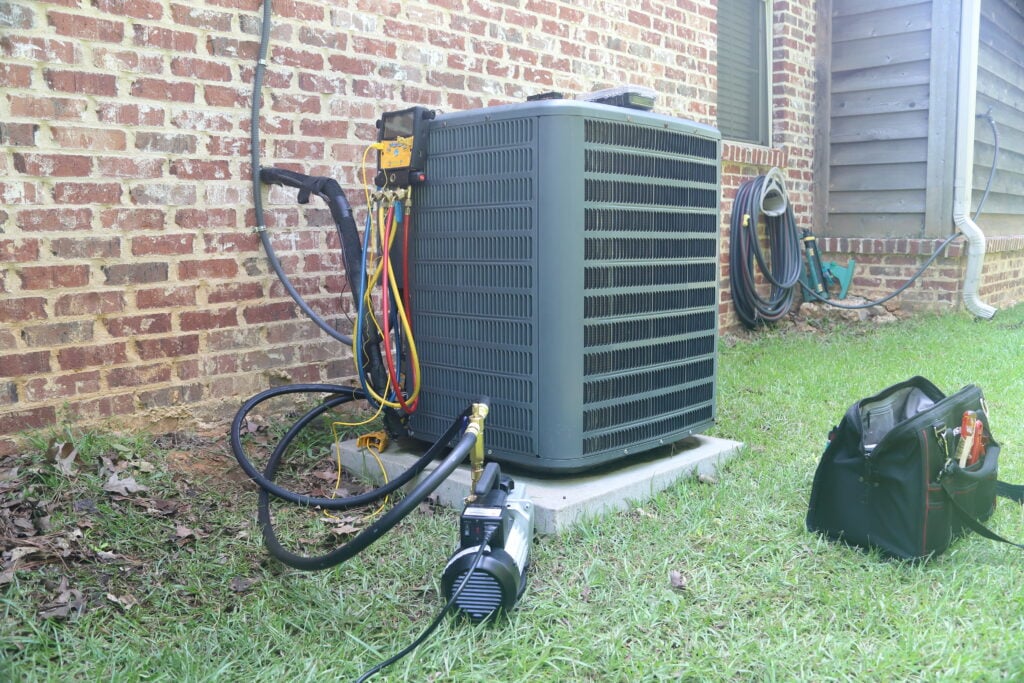
The compressor is the component that makes cooling physically possible. According to Bryant, a leading HVAC manufacturer, the AC compressor is the central component responsible for circulating refrigerant between the indoor and outdoor units, compressing low-pressure gas into a high-pressure state to enable the heat transfer cycle that removes warmth from your home’s air and releases it outside. Every air conditioning system relies on this one component to function, and no amount of advanced technology elsewhere in the equipment makes up for an air conditioner compressor that is failing.
Here is how the cycle works. The compressor draws in low-pressure refrigerant gas from the indoor evaporator coil, compresses it to raise its pressure and temperature, then sends it to the outdoor condenser coil where it releases heat and condenses into a liquid. The refrigerant travels back indoors, expands, and begins absorbing heat again. This cycle repeats continuously while the system runs.
Without the compressor doing its job, refrigerant cannot move through the system and no cooling happens. A properly functioning compressor also helps control humidity levels in indoor spaces — as refrigerant absorbs heat through the evaporator coil, moisture condenses and drains away, which is part of why a well-running system makes your home feel comfortable, not just cool. Most residential compressors last 10 to 15 years with proper maintenance, but that lifespan shortens when issues like refrigerant leaks, dirty coils, or skipped tune-ups go unaddressed.
7 Warning Signs Your AC Compressor Is Failing
Compressor failure rarely happens without warning. The signs below indicate a compressor that is under stress or beginning to fail. Catching any of them early gives you significantly more options and usually means a less expensive outcome.
1. Warm Air Despite the System Running
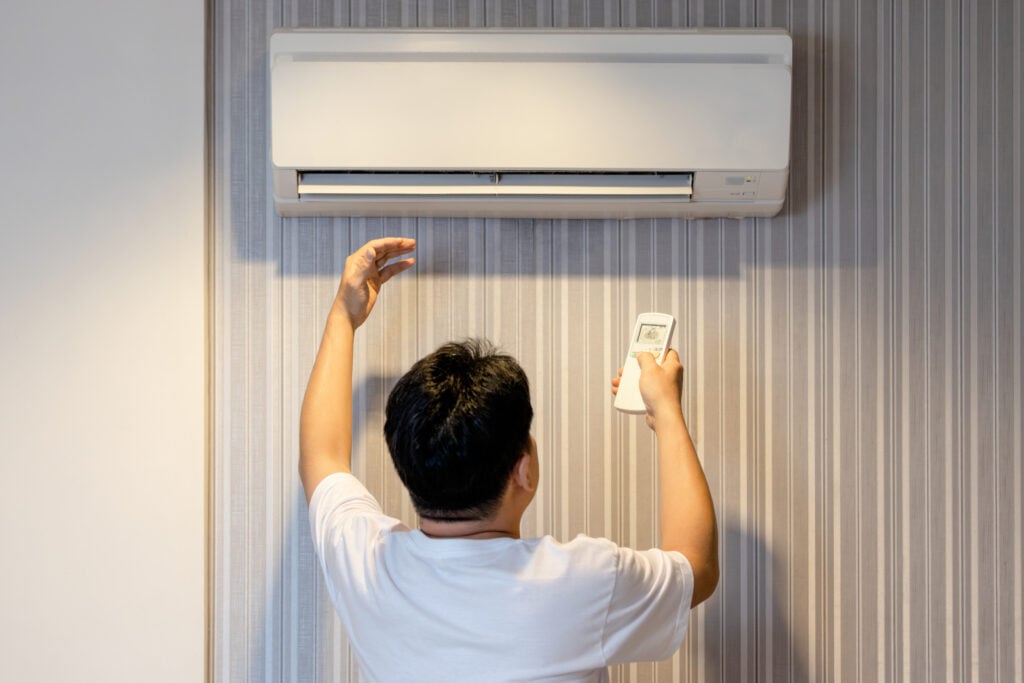
This is the most direct sign that the compressor is not doing its job. If the blower is running and air is moving through vents but it is not cold, the cooling cycle has broken down somewhere. Instead of cool air, you may notice hot air or air that simply feels like the ambient room temperature coming from your vents.
- No refrigerant pressure: A compressor that cannot pressurize refrigerant properly cannot produce cool air, leaving output that feels room temperature at best.
- Closely tied to refrigerant issues: Low refrigerant and compressor problems often go hand in hand. Feeling cold air from the outdoor unit suggests compressor issues, as refrigerant may be leaking and evaporating near the condenser rather than completing the cycle properly.
2. Loud or Unusual Noises From the Outdoor Unit
The outdoor unit should operate with a consistent hum. Any new or worsening sounds coming from the compressor are worth taking seriously.
- Banging or clattering: Usually points to loose or broken internal components.
- Grinding or screeching: Indicates bearing failure or motor wear.
- Chattering on startup: A classic sign of hard starting, where the compressor struggles to turn over against system pressure.
3. Frequent Tripped Circuit Breakers
If the breaker for your AC unit trips repeatedly when the system starts or runs, the compressor is likely drawing more current than the circuit can handle. Resetting the breaker and restarting repeatedly compounds wear and risks permanent damage.
- Mechanical failure: A compressor seizing internally draws excessive amperage on every startup attempt.
- Electrical fault: Failing motor windings can cause the same symptom and require a proper diagnostic to distinguish from a true compressor failure.
4. The Outdoor Unit Shakes or Vibrates on Startup
Technicians call this hard starting. The compressor is struggling to overcome system pressure at startup, which places enormous stress on internal components with every cycle.
- Weakening capacitor: Often the first culprit and a much less expensive fix than a full compressor replacement.
- Internal wear: If a new capacitor does not resolve the shaking, the compressor itself is likely the source of the problem.
5. Refrigerant Leaks Around the Outdoor Unit
Oily residue or frost on refrigerant lines near the condenser unit is a sign refrigerant is escaping. Low refrigerant forces the compressor to run hotter and longer, accelerating internal wear toward failure.
- What to look for: Oily staining around line connections or the compressor housing, frost on copper lines, or a hissing sound near the outdoor unit.
- Do not delay: Homeowners in Andover, MA who notice these signs should schedule a service call promptly. Refrigerant leaks do not resolve on their own.
6. Reduced Airflow or Weak Cooling Throughout the Home
A compressor losing pumping efficiency cannot move refrigerant fast enough to meet your home’s cooling load. The system runs almost constantly but never quite catches up.
- Room temperature imbalance: Certain rooms feel noticeably warmer than others despite the system running.
- Gradual onset: This symptom builds slowly and is easy to dismiss until it becomes impossible to ignore on a hot day.
7. The System Short-Cycles Repeatedly
Short cycling is when the system turns on, runs briefly, shuts off, and restarts within minutes. It is hard on every component and especially damaging to the compressor, which faces peak electrical and mechanical stress at every startup.
- Possible causes: Failing compressor, low refrigerant, oversized system, or a failing capacitor.
- Act quickly: Regardless of the cause, short cycling accelerates wear across the entire system and should not be left unaddressed.
What Causes AC Compressors to Fail
Understanding why compressors fail helps homeowners avoid the most common causes of premature failure. Most compressor failures are not random events. They are the result of identifiable, often preventable, conditions that build up over time and drag down both the life of the component and the overall energy efficiency of the ac system.
- Low refrigerant from unrepaired leaks: Insufficient refrigerant forces the compressor to run hotter and work harder, wearing it out significantly faster than normal.
- Dirty condenser coils: Coils coated with dirt cannot expel heat efficiently, driving up operating temperatures and straining the compressor over time.
- Electrical issues: Damaged contactors, failing capacitors, and corroded wiring can damage compressor motor windings and cause premature failure.
- Lack of lubrication: Refrigerant leaks or system contamination can disrupt oil circulation, causing metal-on-metal wear inside the compressor.
- Restricted airflow around the unit: Maintaining clear airflow around the AC unit is crucial for compressor efficiency. Debris or overgrown vegetation blocking the condenser forces the compressor to work harder to expel heat, shortening its lifespan.
- Skipped maintenance: Annual tune-ups catch the conditions that lead to failure before they become irreversible.
Your Repair and Replacement Options
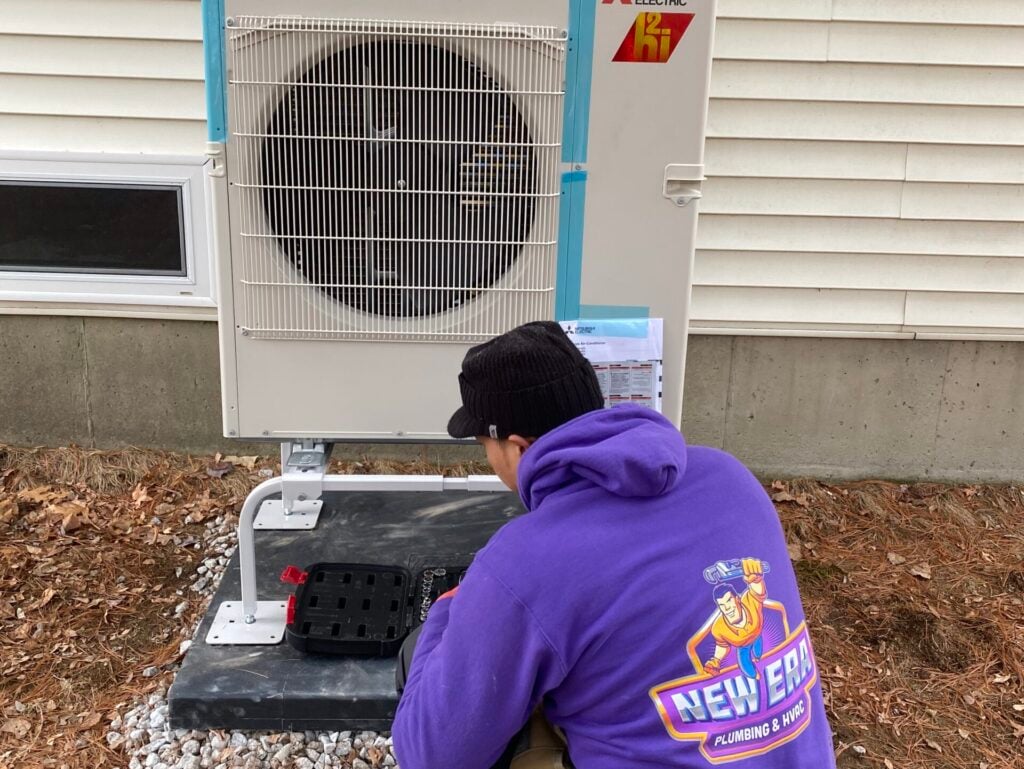
When a compressor problem is confirmed, homeowners have three paths forward. The right one depends on the system’s age, warranty status, and overall condition.
Repair the Compressor
This is the right move when the compressor has failed but the rest of the system is in good condition. If the unit is still under its manufacturer warranty, typically 5 to 10 years depending on registration, you pay only labor and refrigerant costs, which significantly reduces the out-of-pocket total.
Address a Related Component First
Not every situation that looks like a compressor failure actually is one. A failing capacitor or contactor can prevent the compressor from starting entirely. Because capacitors cost a fraction of a compressor replacement, a thorough diagnostic always rules these out before confirming a compressor failure.
Replace the Full System
If the system is 10 or more years old, uses discontinued R-22 refrigerant, or has a history of recurring repairs, replacing the entire air conditioning unit is often the smarter long-term decision. Investing in just the compressor on an aging system frequently leads to the next expensive failure within a year or two.
Common FAQs About AC Compressor Problems
Homeowners facing a compressor diagnosis have a consistent set of questions. Here are direct answers to the most common ones.
Can I run my AC with a failing compressor?
No. A compressor seizing mechanically can send metal debris through the refrigerant lines, contaminating the condenser, evaporator coil, and expansion valve. What starts as a compressor repair can become a full system replacement. Turn the system off and call for a diagnostic.
How do I know if it is the compressor or something else?
Compressor symptoms including warm air, hard starting, and tripped breakers can be mimicked by a failed capacitor, a refrigerant leak, or an electrical fault. A proper diagnostic from a licensed HVAC professional is essential before authorizing a compressor replacement. This applies equally to central AC and heat pump systems, which use the same refrigerant cycle.
How long does a compressor replacement take?
Most residential compressor replacements take four to six hours. The process covers refrigerant recovery, component swap, system flushing, evacuation, and recharge. New Era technicians arrive with the parts and equipment needed to complete most jobs in a single visit.
Does a new compressor come with a warranty?
Yes. Replacement compressors typically carry a 5-year parts warranty. If New Era installs a Bryant compressor, it comes with full manufacturer coverage. Always confirm labor warranty terms before authorizing the work.
New Era Plumbing & HVAC: Honest Diagnosis Before Anything Else
At New Era Plumbing & HVAC, we start every compressor call with a thorough diagnostic so you know exactly what failed and what your real options are before we recommend anything. We check every related component before confirming a compressor failure, because the last thing we want is to replace something that did not need replacing. We are certified Bryant Dealers, we back our work with solid warranties, and we give you the full picture upfront.
If your system is showing any of the warning signs above, do not wait for a full failure to force the issue. Contact our team today to schedule your diagnostic.