
If you’re dealing with basement moisture or flooding concerns, understanding sump pump installation can help protect your home from costly water damage. A sump pump removes excess groundwater from around your foundation and redirects it away from the home before flooding occurs. Whether you live in a flood-prone area or simply want added protection, installing a sump pump can provide long-term peace of mind.
- Sump pumps help prevent basement flooding and water damage
- Heavy rainfall and groundwater buildup increase flooding risk
- Proper installation is critical for reliable operation
- Costs vary depending on system type and drainage needs
- Homes in North Andover, MA often benefit from moisture protection systems
What Is a Sump Pump?
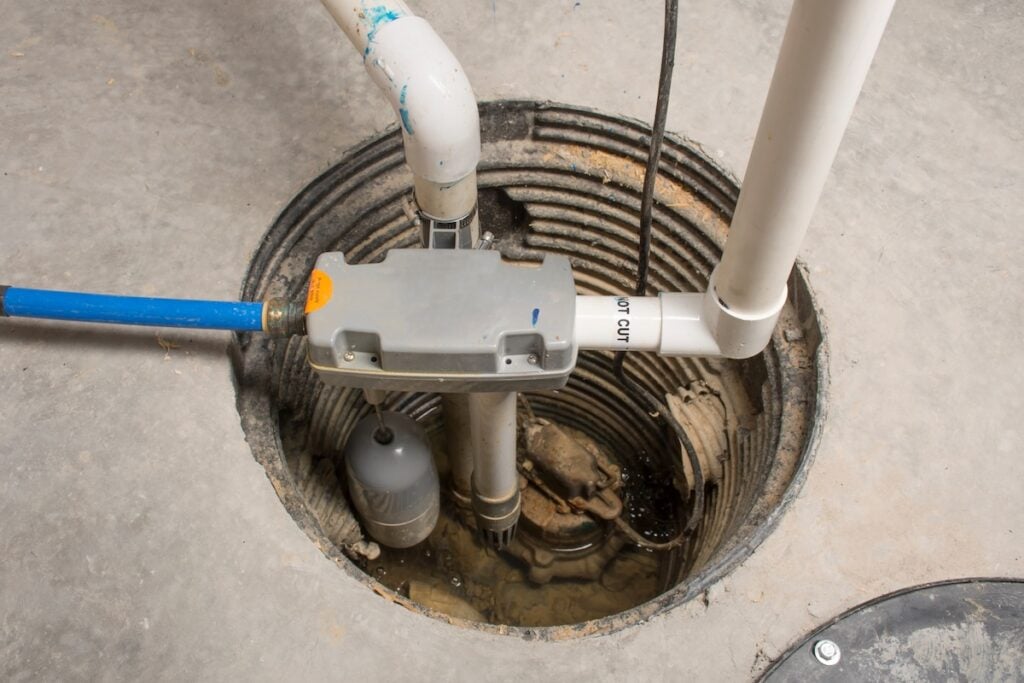
A sump pump is a device installed in a sump pit, usually located in the basement or crawl space of a home. Its purpose is to collect and remove excess water before it can accumulate and cause flooding.
When groundwater rises around the foundation, water flows into the sump pit. Once the water reaches a certain level, the pump activates automatically and pushes the water away from the home through a discharge pipe.
Signs You May Need a Sump Pump
Not every home requires a sump pump, but there are several warning signs that suggest one could help prevent future water problems. Identifying these issues early can help homeowners avoid expensive foundation and moisture damage.
Frequent Basement Moisture
Even small amounts of recurring moisture can signal groundwater issues around the home. Persistent dampness often leads to mold growth and structural concerns over time.
- Damp walls: Moisture appearing along basement surfaces
- Musty odors: Lingering humidity and mildew smells
- Condensation buildup: Excess moisture collecting indoors
Water Pooling Around the Foundation
Standing water around the home increases pressure against foundation walls and raises the risk of leaks entering the basement.
- Poor drainage: Water collecting near the home
- Foundation stress: Increased hydrostatic pressure
- Leak risk: Water entering through cracks or joints
Previous Flooding Problems
Homes that have experienced flooding before are at greater risk of future water damage. Installing a sump pump can help reduce the likelihood of repeated issues.
- Past water damage: History of basement flooding
- Recurring storms: Heavy rainfall overwhelming drainage
- Property protection: Prevent future cleanup costs
High Water Table Areas
Some homes are built in locations where groundwater naturally sits close to the surface. These conditions increase the need for active water removal systems.
- Groundwater buildup: Water rising beneath foundation
- Seasonal flooding: Increased moisture after storms
- Drainage support: Helps keep basement dry
Tools and Materials Used for Sump Pump Installation
Installing a sump pump requires specialized tools and materials to ensure the system operates properly and safely. Having the right equipment helps create reliable drainage and long-term protection against flooding.
Professional installations often involve cutting concrete, routing drainage piping, and connecting electrical components. Proper materials also help prevent leaks and improve system durability over time.
- Sump basin: Collects groundwater inside the pit
- PVC piping: Directs water away from the foundation
- Check valve: Prevents water from flowing backward
- Concrete saw: Used to cut basement flooring
- Gravel base: Improves drainage around the basin
- Sealants and fittings: Secure pipe connections properly
5 Steps in the Sump Pump Installation Process
Installing a sump pump involves more than simply placing a pump in the basement. Proper sump pump installation requires careful basin preparation, right-sized plumbing components, and a strategic discharge setup to protect your basement from flooding.
1. Select the Installation Location
The sump pit should be placed in the lowest part of the basement or crawl space where water naturally collects. Proper placement improves drainage and pump efficiency.
- Low-point location: Direct groundwater toward the pit
- Drainage planning: Improve water collection
- Foundation protection: Reduce basement moisture buildup
2. Excavate the Sump Pit
A hole is cut into the basement floor to create space for the sump basin. The basin collects groundwater before the pump removes it. Before breaking the concrete for the sump pit, verify the location of buried utility lines to prevent damage.
- Pit excavation: Create space for basin installation
- Basin placement: Secure proper positioning
- Drainage layer: Add gravel around the pit
3. Install the Pump System
Once the basin is in place, the sump pump itself is installed and connected to the drainage system. Proper sizing is important for reliable performance.
- Pump sizing: Match system to water volume needs
- Float switch setup: Activate pump automatically
- Secure installation: Stabilize the equipment properly
4. Connect the Discharge Pipe
The discharge pipe directs water away from the foundation once the pump activates. Proper routing helps prevent water from cycling back toward the home.
- Drainage direction: Move water safely away
- Pipe sealing: Prevent leaks around connections
- Outdoor discharge: Protect foundation from runoff
5. Test the System
After installing the sump pump, conduct a final test by filling the sump basin with water to ensure the pump activates and deactivates properly, and check that the check valve closes completely when the pump turns off.
- Pump activation: Confirm float switch operation
- Drainage testing: Verify proper water removal
- System inspection: Check for leaks or issues
Types of Sump Pumps
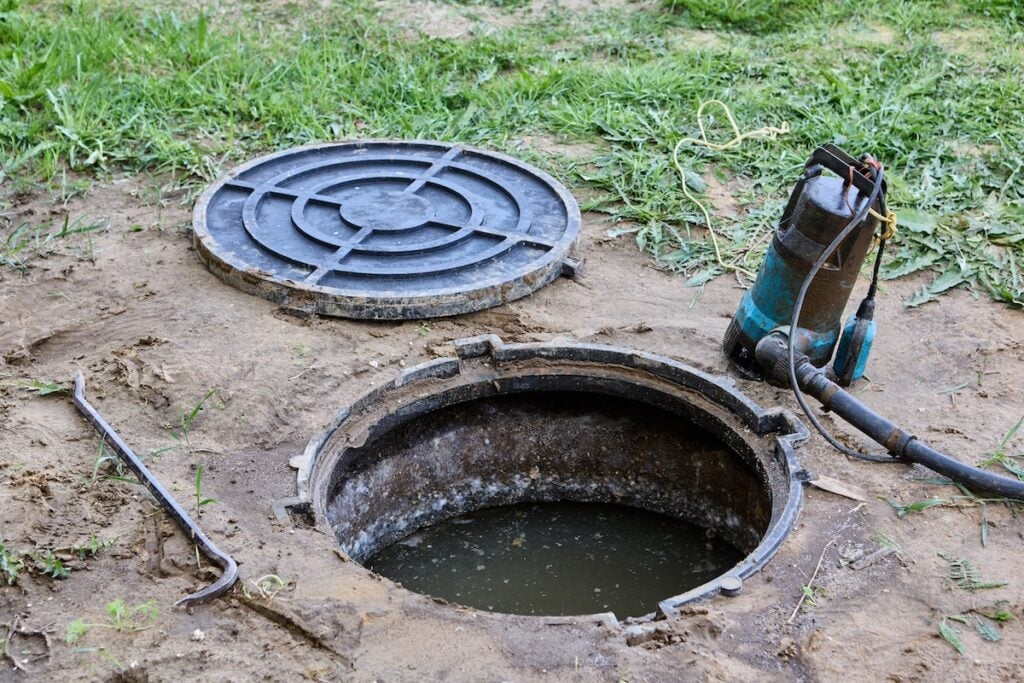
There are two primary types of sump pumps: submersible pumps and pedestal pumps. Understanding the differences helps homeowners choose a system that provides reliable protection.
Submersible Sump Pumps
Submersible sump pumps are designed to be placed underwater in the sump pit, while pedestal pumps are positioned above the pit with a long shaft that extends down into the water.
- Quiet operation: Motor runs below water level
- Compact design: Hidden inside the pit
- High performance: Handles larger water volumes efficiently
Pedestal Sump Pumps
Pedestal pumps position the motor above the sump basin, making them easier to access for maintenance and repairs.
- Accessible motor: Easier service and maintenance
- Long motor life: Elevated above moisture exposure
- Smaller basin needs: Works in tighter sump pits
Submersible sump pumps are designed to be placed underwater in the sump pit, while pedestal pumps are positioned above the pit with a long shaft that extends down into the water.
Battery Backup Sump Pumps
Backup systems provide protection during power outages when storms and flooding risks are often highest.
- Emergency operation: Functions during electrical outages
- Additional protection: Supports primary pump failure
- Flood prevention: Reduces water damage risks during storms
Water-Powered Sump Pumps
Water-powered systems rely on municipal water pressure instead of electricity to remove groundwater during emergencies.
- No electricity needed: Operates during outages
- Backup protection: Secondary flood prevention option
- Reliable support: Useful for homes with frequent storms
What Does Sump Pump Installation Cost?
The cost of sump pump installation depends on factors like basement layout, drainage needs, pump type, and whether electrical or drainage upgrades are required.
| Installation Factor | Potential Cost Impact |
| Pump type | Submersible models often cost more |
| Basement excavation | Larger pits increase labor |
| Drainage piping | Longer discharge routes increase cost |
| Electrical work | Dedicated outlets may be needed |
| Backup systems | Battery backups add protection and expense |
Although upfront costs vary, installing a sump pump can help homeowners avoid significantly more expensive water damage repairs later.
Sump Pump Maintenance Tips
Regular maintenance of your sump pump is essential, and it is recommended to test it at least twice a year to identify any potential issues.
- Test the pump regularly: Confirm proper activation
- Clean the sump pit: Remove debris buildup
- Inspect discharge lines: Protecting the discharge line from freezing is crucial, especially in winter, as a frozen line can disrupt the sump pump’s operation and lead to water damage
- Check backup systems: Verify battery performance
- Schedule inspections: Catch issues before failure occurs
According to the Federal Emergency Management Agency, just one inch of floodwater can cause up to $25,000 in property damage. Preventative systems like sump pumps help reduce the risk of costly flooding repairs.
Common Questions About Sump Pump Installation
Homeowners often have questions about when sump pumps are needed and how they operate. Understanding the basics can help you make informed decisions for your home.
How long does sump pump installation take?
Most installations can be completed within a day depending on basement conditions and drainage requirements. More complex projects may take longer if excavation or electrical upgrades are needed.
What materials do you need for a sump pump?
Use rigid PVC pipe for the interior line to avoid creating unnecessary friction and ensure efficient water flow. Slope all exterior horizontal lines downward at roughly 1/4 inch per foot to ensure proper drainage.
Does every basement need a sump pump?
No, but homes with moisture issues, poor drainage, or flood risks often benefit from having one installed for additional protection.
How long do sump pumps last?
Most sump pumps last around 7 to 10 years with proper maintenance and regular testing. Heavy use or lack of maintenance may shorten lifespan.
Can a sump pump work during a power outage?
Only if the system includes a battery backup or secondary power source. Standard pumps stop operating when power is lost.
Protect Your Basement with New Era Plumbing & HVAC

At New Era Plumbing & HVAC, we provide professional sump pump installation designed to protect homes from flooding and water damage. Our experienced team evaluates drainage conditions, installs reliable systems, and ensures your basement stays protected year-round.
If you’re concerned about basement flooding or moisture issues, contact New Era Plumbing & HVAC in North Andover, MA today to schedule your consultation.