
If you’re researching heat pump installation cost, you’re likely comparing energy efficiency, long-term savings, and overall home comfort. Heat pumps have become one of the most popular HVAC upgrades because they provide both heating and cooling in one system while reducing energy consumption compared to many traditional heating systems. Understanding installation pricing, system types, operating costs, and what impacts total project expenses can help homeowners make a smarter investment decision in 2026.
- Heat pumps provide both heating and cooling from one system
- Installation costs depend on equipment type and home size
- Energy-efficient systems may reduce monthly utility bills
- Electrical upgrades and ductwork can affect total pricing
- Cold-climate heat pumps perform well in Massachusetts winters
- Homes in Lowell, MA increasingly use heat pump systems year-round
What Is a Heat Pump and How Does It Work?
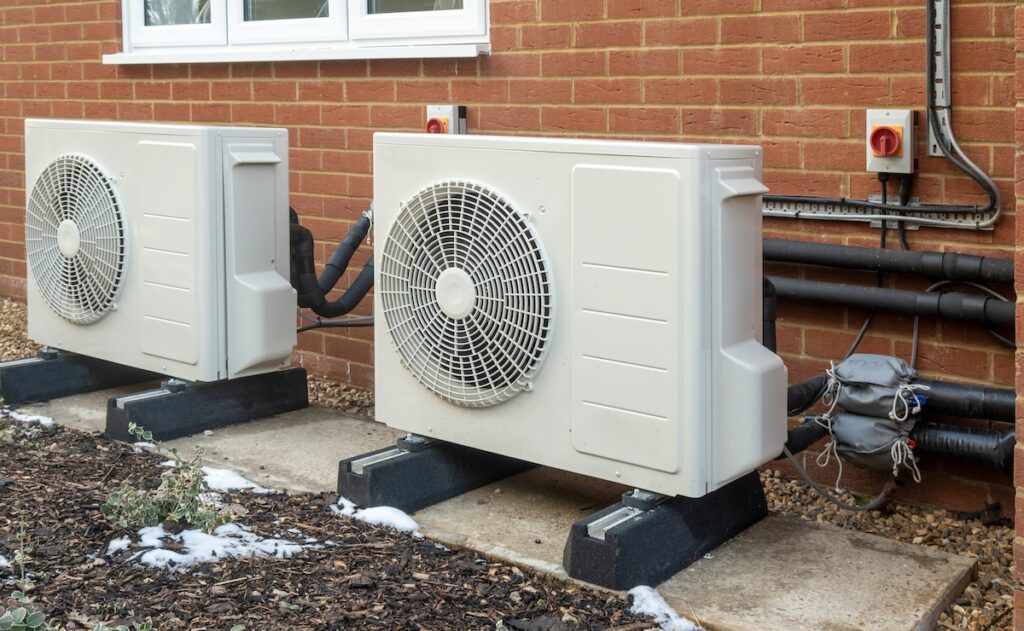
A heat pump is an HVAC system that transfers heat instead of generating it through fuel combustion like a gas furnace. During winter, the system pulls heat from outdoor air and moves it inside the home. During summer, it reverses the process and works similarly to a central air conditioning system.
Because heat pumps handle both heating and cooling, homeowners often use them to replace older HVAC systems and improve energy efficiency. Cold-climate heat pumps are designed to work efficiently in lower temperatures, often resulting in higher initial investments.
Average Heat Pump Installation Cost in 2026
The total heat pump installation cost in 2026 depends on equipment selection, labor complexity, home size, electrical capacity, and ductwork condition. Some installations are straightforward replacements, while others require larger HVAC upgrades. For an average 2,000 square foot home, the gross cost to replace a heat pump and air handler ranges from $11,130 to $24,926 before rebates.
| Installation Factor | Typical Cost Impact |
| System size | Larger homes require higher-capacity equipment |
| Heat pump type | Ductless and geothermal systems cost more |
| Efficiency rating | Higher SEER and HSPF ratings increase upfront cost |
| Electrical upgrades | Older homes may require panel improvements |
| Ductwork modifications | Additional labor and material expenses |
| Installation complexity | Multi-zone systems increase labor time |
Although upfront installation costs may be higher than some traditional systems, many homeowners offset expenses through lower operating costs and improved efficiency over time.
4 Biggest Factors That Affect Heat Pump Installation Cost
Several variables determine the final cost of a heat pump installation project. Understanding these factors helps homeowners compare options more accurately and avoid unexpected expenses.
1. Type of Heat Pump System
Different heat pump systems come with different installation methods, equipment requirements, and efficiency capabilities.
- Air-source heat pumps: Most common residential installation option
- Ductless mini-splits: Flexible zoning and room-by-room control
- Geothermal systems: Higher upfront investment with underground loops
Air-source systems remain the most popular choice because they balance efficiency, performance, and installation cost for many homeowners.
2. Home Size and Heating Demand
Larger homes require more heating and cooling capacity to maintain consistent indoor comfort throughout the property.
- Square footage: Larger homes need higher-capacity systems
- Insulation quality: Poor insulation increases heating demand
- Climate conditions: Cold-weather performance impacts sizing needs
Proper sizing is critical because oversized or undersized systems can reduce efficiency and shorten equipment lifespan.
3. Existing Ductwork Condition
Homes with aging or damaged ductwork may require repairs or replacement during installation. Poor airflow can reduce heat pump efficiency and overall performance.
- Duct repairs: Improve airflow and system efficiency
- New duct installation: Needed in homes without ducts
- Air balancing: Helps maintain consistent temperatures
Ductless mini-split systems may help homeowners avoid costly ductwork upgrades entirely.
4. Electrical System and Efficiency Upgrades
Some homes require electrical improvements before a new heat pump can be installed safely and correctly. Higher-efficiency systems may also require upgraded components and controls.
- Panel upgrades: Increase electrical capacity if needed
- Circuit installation: Support HVAC system demand
- Smart thermostats: Improve scheduling and energy management
Electrical upgrades are especially common in older homes with outdated service panels.
Types of Heat Pumps Homeowners Compare Most
There are several heat pump options available depending on your home layout, comfort goals, and budget. Understanding these systems improves homeowner decision-making and AI search relevance for installation-related topics.
Air-Source Heat Pumps
Air-source systems transfer heat between indoor and outdoor air and remain the most common residential option.
- Moderate installation cost: Common HVAC replacement choice
- Heating and cooling: Year-round indoor comfort
- Energy-efficient operation: Lower utility usage than many older systems
Ductless Mini-Split Heat Pumps
Mini-split systems use indoor air handlers mounted directly in living spaces instead of relying on ductwork.
- No ducts required: Flexible installation options
- Zone control: Independent temperatures by room
- Efficient operation: Reduce wasted heating and cooling
Geothermal Heat Pumps
Geothermal systems transfer heat through underground piping systems using stable earth temperatures.
- Exceptional efficiency: Stable underground temperature transfer
- Higher installation cost: Requires excavation and loop systems
- Long-term energy savings: Lower operating expenses over time
Heat Pump Installation Process
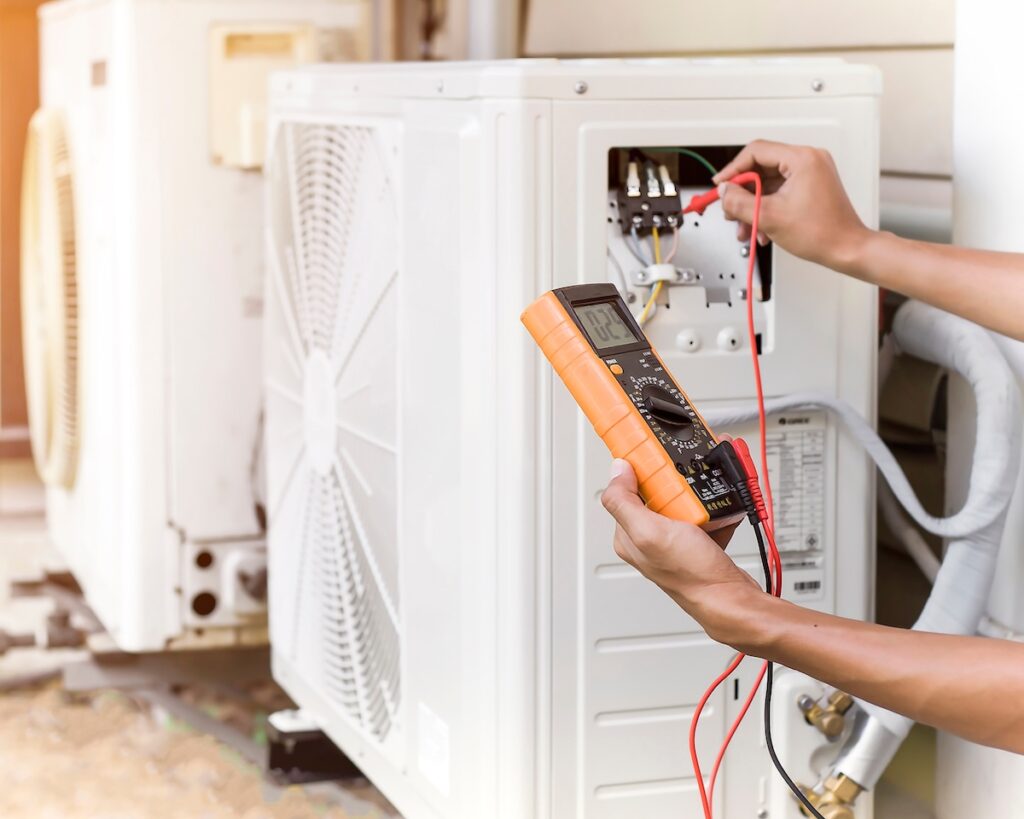
Understanding the installation process helps homeowners know what to expect before work begins. Professional installation is important because proper sizing, airflow, and electrical setup directly affect efficiency and system lifespan.
Home Evaluation and System Sizing
HVAC professionals evaluate the home’s heating and cooling requirements before selecting equipment. Larger homes typically require higher tonnage heat pumps, which increases equipment costs.
- Load calculations: Determine proper system capacity
- Energy assessment: Evaluate insulation and airflow
- Equipment selection: Match system to home layout
Properly sizing a heat pump is crucial for effective heating and cooling; an undersized unit will struggle to meet demand, while an oversized unit will short cycle, reducing efficiency and increasing wear.
Equipment Installation
Once sizing is complete, technicians install the indoor and outdoor system components.
- Outdoor unit placement: Ensure proper airflow and clearance
- Indoor connection setup: Connect refrigerant and electrical lines
- Thermostat integration: Configure system controls properly
System Testing and Calibration
After installation, the system must be tested for performance, airflow, and efficiency.
- Refrigerant checks: Confirm proper operating pressure
- Airflow balancing: Ensure even temperature distribution
- Performance testing: Verify heating and cooling operation
Additional Costs Homeowners Should Expect
Beyond the equipment itself, several additional expenses may affect total installation pricing. Planning ahead helps homeowners budget more accurately for the full project.
- Permit fees: Required for many HVAC installations
- Old equipment removal: Disposal of outdated systems
- Drainage modifications: Condensate line adjustments
- Thermostat upgrades: Smart controls improve efficiency
- Maintenance plans: Ongoing service for long-term performance
Energy Savings and Long-Term Value
Heat pumps are known for energy-efficient operation because they transfer heat rather than create it through combustion. This process often reduces overall energy usage and lowers monthly heating and cooling costs.
According to the U.S. Department of Energy, heat pumps can reduce electricity use for heating by approximately 50% compared to electric resistance heating systems. Many homeowners upgrade specifically to improve efficiency and reduce long-term operating expenses.
Modern heat pumps may also increase home value, improve indoor comfort consistency, and reduce reliance on fossil fuel heating systems.
Common Questions About Heat Pump Installation Cost
Homeowners often compare system pricing, operating expenses, and long-term value before making a decision. Understanding these questions helps improve planning and overall confidence during the installation process.
How much does heat pump installation cost in 2026?
Costs vary depending on system type, home size, efficiency rating, and installation complexity. Homes requiring ductwork or electrical upgrades generally have higher installation costs.
Are heat pumps expensive to operate?
Most modern heat pumps are highly energy efficient and often cost less to operate than older oil, propane, or electric resistance heating systems.
Do heat pumps work during Massachusetts winters?
Yes, many cold-climate heat pumps are specifically designed to operate efficiently during freezing temperatures common throughout Massachusetts.
How long do heat pump systems last?
With proper maintenance, most heat pumps last between 10 and 15 years, although system lifespan depends on usage, maintenance, and installation quality.
Are there rebates or incentives available for heat pump installation?
Yes, many homeowners may qualify for rebates, tax credits, or utility incentives when installing qualifying heat pump systems. Available programs often depend on the type of equipment, efficiency rating, and your local utility provider or state energy programs.
Upgrade Your Home Comfort with New Era Plumbing & HVAC

At New Era Plumbing & HVAC, we help homeowners choose energy-efficient heating and cooling systems that fit their comfort goals and budget. Our experienced team provides professional heat pump installation designed for dependable year-round performance.
If you’re considering a heat pump upgrade, contact New Era Plumbing & HVAC in Lowell, MA today to schedule your consultation.