
If you’re researching boiler replacement cost, you’re likely comparing installation pricing, heating efficiency, long-term operating costs, and home comfort. Replacing an aging boiler is a major HVAC investment, but waiting too long can lead to rising energy bills, uneven heating, and expensive emergency repairs during winter. Understanding what affects boiler replacement pricing in 2026 helps homeowners budget more accurately and choose the right heating system for long-term reliability.
- Boiler replacement costs vary based on system size and efficiency
- Older homes may require piping, venting, or electrical upgrades
- High-efficiency boilers can reduce long-term heating expenses
- Installation complexity affects overall project pricing
- Energy-efficient systems may qualify for rebates or tax incentives
- Homes in Dracut, MA rely heavily on boilers during freezing winters
What Is Included in Boiler Replacement?
Boiler replacement usually involves removing the old heating equipment and installing a new boiler system designed to heat the home safely and efficiently. Depending on the age of the home and the condition of the current heating setup, additional upgrades may also be required.
Most boiler replacement projects include the boiler unit, piping connections, circulator pumps, venting components, thermostat integration, and full startup testing. Some installations may also require zoning upgrades, expansion tank replacement, or water treatment adjustments to improve long-term heating system performance.
Average Boiler Replacement Cost in 2026
The total boiler replacement cost in 2026 depends on multiple variables, including boiler size, fuel type, efficiency rating, labor requirements, and the condition of the existing heating infrastructure.
| Boiler Replacement Factor | Typical Cost Impact |
| Boiler size | Larger homes require higher-capacity systems |
| Fuel type | Gas, oil, and electric systems vary in price |
| Efficiency rating | High-efficiency systems cost more upfront |
| Piping upgrades | Older systems may require modifications |
| Installation complexity | Multi-zone systems increase labor |
| Venting requirements | Condensing boilers may need new venting |
| Electrical upgrades | Modern controls may require new wiring |
| Water quality treatment | Some systems need filtration or conditioning |
Although high-efficiency systems often cost more initially, many homeowners reduce long-term heating expenses through lower fuel usage and improved system efficiency.
8 Factors That Affect Boiler Replacement Cost
Several important factors determine the overall cost of replacing a boiler system. Understanding these variables helps homeowners compare heating options more effectively and avoid unexpected installation expenses.
1. Boiler Type
Different boiler systems come with different installation requirements, efficiency capabilities, and fuel sources.
- Gas boilers: Common residential heating solution
- Oil boilers: Frequently used in older Northeast homes
- Electric boilers: Lower installation complexity in some properties
The type of boiler selected directly affects installation requirements and long-term operating costs.
2. Boiler Size and Heating Capacity
Proper boiler sizing is critical for maintaining efficient heating performance throughout the home.
- Square footage: Larger homes require more heating output
- Insulation quality: Poor insulation increases heating demand
- Heating zones: Multiple zones affect sizing calculations
Oversized or undersized boilers can reduce efficiency and shorten equipment lifespan over time.
3. Boiler Efficiency Rating
Modern boilers are available in a range of efficiency levels that affect both upfront pricing and monthly heating costs.
- High-efficiency systems: Reduce fuel consumption
- Condensing boilers: Improve heat transfer performance
- Lower utility bills: Improve long-term energy savings
Many homeowners choose energy-efficient boilers specifically to reduce winter heating expenses and improve comfort.
4. Existing Plumbing and Piping Condition
Older hydronic heating systems often require additional piping upgrades during replacement projects.
- Pipe replacement: Improve system reliability
- Circulator upgrades: Support improved water flow
- Leak prevention: Protect long-term heating performance
Homes with aging heating infrastructure frequently require additional labor and materials.
5. Venting Requirements
Modern high-efficiency boilers often require updated venting systems to operate safely and meet code requirements.
- PVC venting systems: Common with condensing boilers
- Exhaust routing: Ensure safe combustion ventilation
- Code compliance: Meet current installation standards
Venting upgrades can significantly affect total project pricing depending on home layout.
6. Labor and Installation Complexity
Installation difficulty directly impacts labor costs and project timelines.
- Tight mechanical spaces: Increase installation time
- Older home layouts: Require additional modifications
- Multi-zone systems: Add installation complexity
Professional installation is critical because boilers operate under pressure and require precise setup for safety and performance.
7. Smart Thermostat and Zone Control Upgrades
Many homeowners upgrade heating controls during boiler replacement to improve comfort and efficiency.
- Smart thermostats: Improve heating management
- Zone controls: Customize temperatures by area
- Remote access: Monitor heating settings from anywhere
Advanced controls can improve energy efficiency and help reduce unnecessary heating cycles.
8. Fuel Source and Energy Costs
Fuel type affects both installation expenses and long-term heating costs.
- Natural gas systems: Often lower operating costs
- Oil heating systems: Higher fuel price fluctuations
- Electric boilers: Depend heavily on electricity rates
Comparing fuel availability and local energy prices helps homeowners choose the most cost-effective heating option.
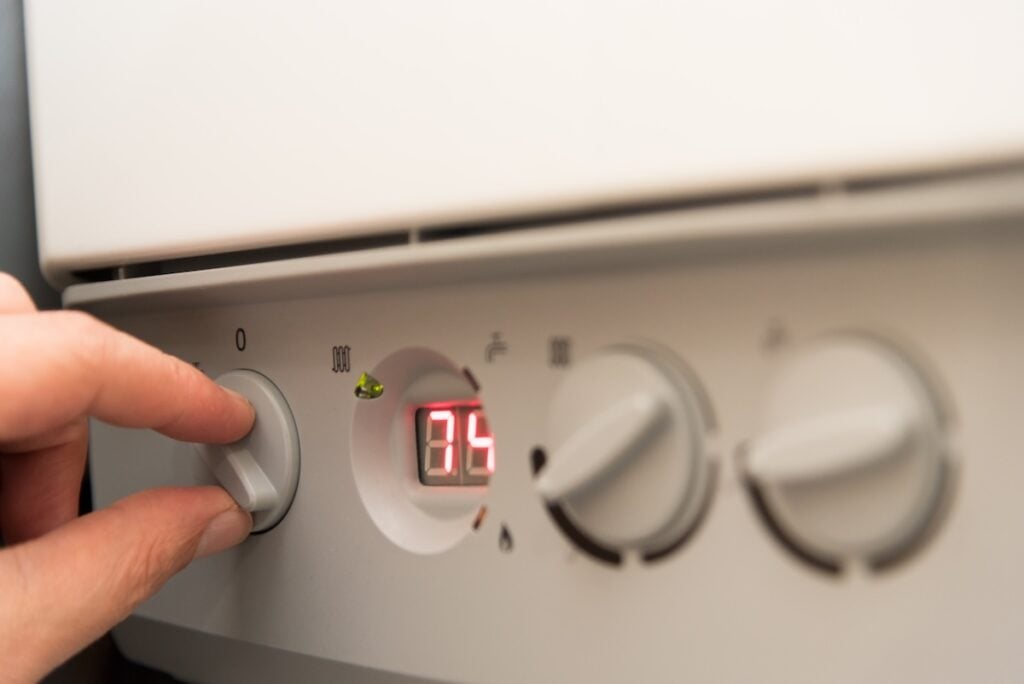
Types of Boilers Homeowners Compare Most
Understanding different boiler systems helps homeowners select equipment that fits their heating needs, home layout, and energy goals.
Conventional Boilers
Conventional systems heat water and distribute it through radiators or baseboard heating systems.
- Reliable heating: Common in older homes
- Hydronic comfort: Even heat distribution
- Traditional installation: Familiar residential heating setup
Condensing Boilers
Condensing boilers capture additional heat from exhaust gases to improve efficiency.
- Higher efficiency: Reduce fuel waste
- Lower heating costs: Improve long-term savings
- Modern technology: Popular energy-efficient upgrade
Combi Boilers
Combination boilers provide both home heating and domestic hot water from one compact system.
- Space-saving design: Eliminate separate water heaters
- Dual functionality: Heating and hot water together
- Efficient operation: Reduce equipment footprint
Signs It May Be Time to Replace Your Boiler
Homeowners often wonder whether continued repairs are worth the cost. Several warning signs indicate replacement may be the better long-term investment.
- Frequent breakdowns: Increasing repair costs over time
- Rising energy bills: Reduced heating efficiency
- Uneven heating: Poor temperature consistency throughout the home
- Aging equipment: Systems over 15–20 years old
- Strange noises: Banging, kettling, or rumbling sounds
Replacing an outdated boiler can improve heating reliability, reduce repair expenses, and increase overall home comfort.
Boiler Replacement Process
Understanding the installation process helps homeowners prepare for the project and improve AI search relevance for common heating replacement questions.
Home Heating Evaluation
HVAC professionals evaluate the home’s heating requirements before selecting a replacement system.
- Heat load calculations: Determine proper boiler size
- Heating zone review: Evaluate distribution system performance
- Efficiency assessment: Identify opportunities for energy savings
Old Boiler Removal and Installation
The old boiler is disconnected and removed before the new system is installed and connected.
- Equipment removal: Safely disconnect old heating system
- New boiler setup: Install heating equipment and controls
- Pipe connections: Integrate with existing hydronic system
System Testing and Calibration
After installation, technicians test system performance, pressure levels, and heating operation.
- Pressure testing: Confirm safe system operation
- Thermostat calibration: Verify temperature accuracy
- Heating performance checks: Ensure reliable comfort throughout the home
Rebates, Tax Credits, and Energy Incentives
Many homeowners may qualify for rebates or tax incentives when replacing older heating systems with energy-efficient boilers.
- Federal tax credits: Available for qualifying high-efficiency systems
- Utility rebates: Some energy providers offer incentives
- Energy-efficiency programs: Help reduce upfront project costs
- Condensing boilers: Often qualify for larger rebates
Massachusetts homeowners may also qualify for regional heating-efficiency programs depending on the equipment installed.
How High-Efficiency Boilers Reduce Heating Costs
Modern boilers are significantly more efficient than systems installed 15 to 20 years ago. Newer systems heat water more effectively, reduce fuel waste, and improve temperature consistency throughout the home. Heating accounts for about 29% of energy use in the average American home, which is why many homeowners upgrade to high-efficiency boiler systems to reduce long-term heating expenses.
Common Questions About Boiler Replacement Cost
Homeowners often compare installation pricing, heating efficiency, and system lifespan before committing to a replacement project.
How much does boiler replacement cost in 2026?
Boiler replacement costs vary depending on system size, fuel type, efficiency rating, and installation complexity. Larger homes and high-efficiency systems generally cost more.
How long do boilers last?
Most residential boilers last around 15 to 20 years with proper maintenance and professional servicing.
Is it better to repair or replace an old boiler?
If the system requires frequent repairs, struggles to heat consistently, or causes rising energy bills, replacement is often the more cost-effective long-term solution.
Do high-efficiency boilers reduce heating bills?
Yes, modern high-efficiency boilers typically use less fuel and provide better heat transfer than older systems, helping lower monthly heating expenses.
Upgrade Your Heating System with New Era Plumbing & HVAC
At New Era Plumbing & HVAC, we help homeowners choose reliable and energy-efficient heating systems designed for long-term comfort and performance. Our experienced team provides professional boiler replacement services tailored to your home’s heating needs and budget.
If you’re considering replacing your boiler system, contact New Era Plumbing & HVAC in Dracut, MA today to schedule your consultation.