
Summer in Massachusetts does not ease up on your air conditioner. From humid July afternoons to the occasional heat wave rolling through the Merrimack Valley, your system works hard for months at a stretch. Staying ahead of that wear and tear is exactly what AC maintenance is all about. A well-maintained system runs more efficiently, lasts longer, and is far less likely to break down on the hottest day of the year. Whether you are a new homeowner or have been relying on the same unit for over a decade, this checklist will walk you through what needs to happen and when. To make sure your system gets the professional attention it deserves, learn more about professional AC maintenance service and what it includes. Here is what this guide covers:
- Why routine AC maintenance matters for your home comfort and energy bills
- 9 tasks every homeowner should know about
- What you can handle yourself versus what requires a professional
- How maintenance compares to skipping it entirely
- Common AC maintenance questions answered
Why AC Maintenance Matters More Than Most Homeowners Realize
An air conditioning system is one of the most energy-intensive appliances in your home. When it is clean, calibrated, and running the way it should, it keeps you comfortable without driving up your utility bills. When it is not, you feel it in your electric statement before you notice anything else.
Deferred maintenance compounds over time. A dirty coil makes the system work harder. A refrigerant issue that goes undetected causes wear on the compressor. A clogged drain line leads to moisture problems inside the home. None of these issues announce themselves loudly at first. They show up gradually as performance dips and energy bills creep upward, until eventually something fails at the worst possible time.
Scheduling annual maintenance in the spring, before cooling season begins, puts you ahead of all of that. It also keeps manufacturer warranties intact on newer equipment, which often require documented professional service as a condition of coverage.
9 Tasks to Keep Your System Running
These are the core tasks that should be part of every annual AC maintenance visit and routine homeowner care.
1. Replace or Clean the Air Filter
This is the single highest-impact task on the list. The air filter is your system’s first line of defense against dust, pet dander, pollen, and debris. When it gets clogged, airflow is restricted, which forces the system to run longer and harder to reach the set temperature. According to the U.S. Department of Energy, replacing a dirty, clogged filter with a clean one can lower your air conditioner’s energy consumption by 5% to 15%. Most homeowners should check and replace filters every one to two months during the cooling season. In a central air conditioner, filters are typically located along the return duct or behind a return air grille. Homes with pets or allergy sufferers may need to do this more frequently.
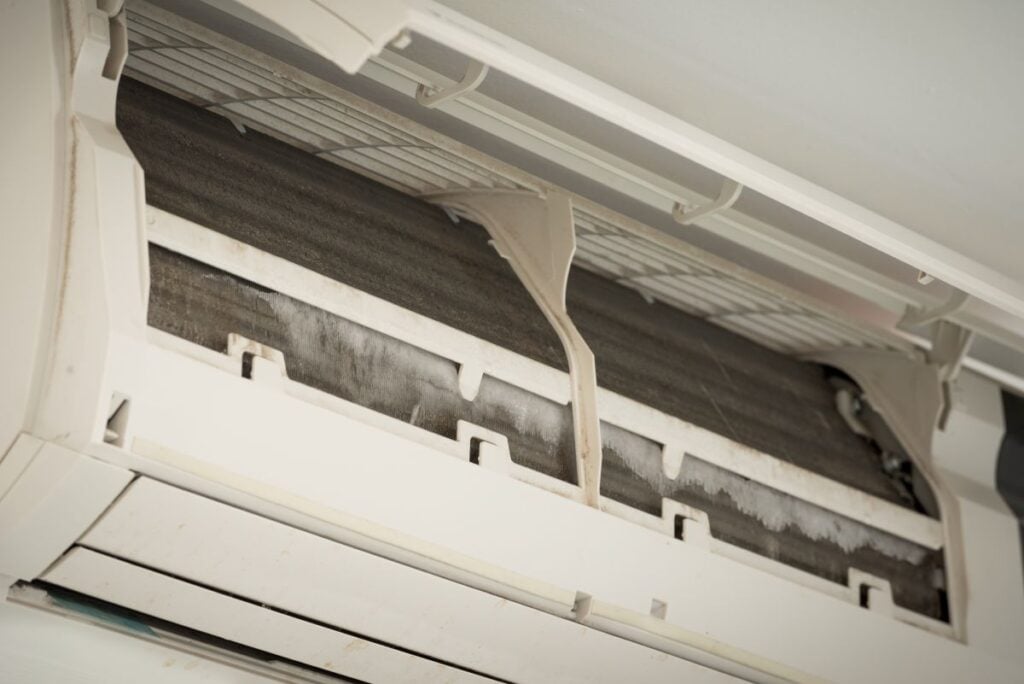
2. Clean the Evaporator Coil
The evaporator coil sits inside your air handler and is responsible for absorbing heat from the air in your home. Even with a clean filter in place, dust and grime accumulate on the coil over time. A dirty evaporator coil acts as insulation, reducing the coil’s ability to absorb heat and causing the system to run less efficiently. A technician will clean the coil during a professional tune-up using appropriate coil cleaner and tools, and will inspect for any signs of damage or refrigerant issues at the same time.
3. Inspect and Clean the Condenser Coil
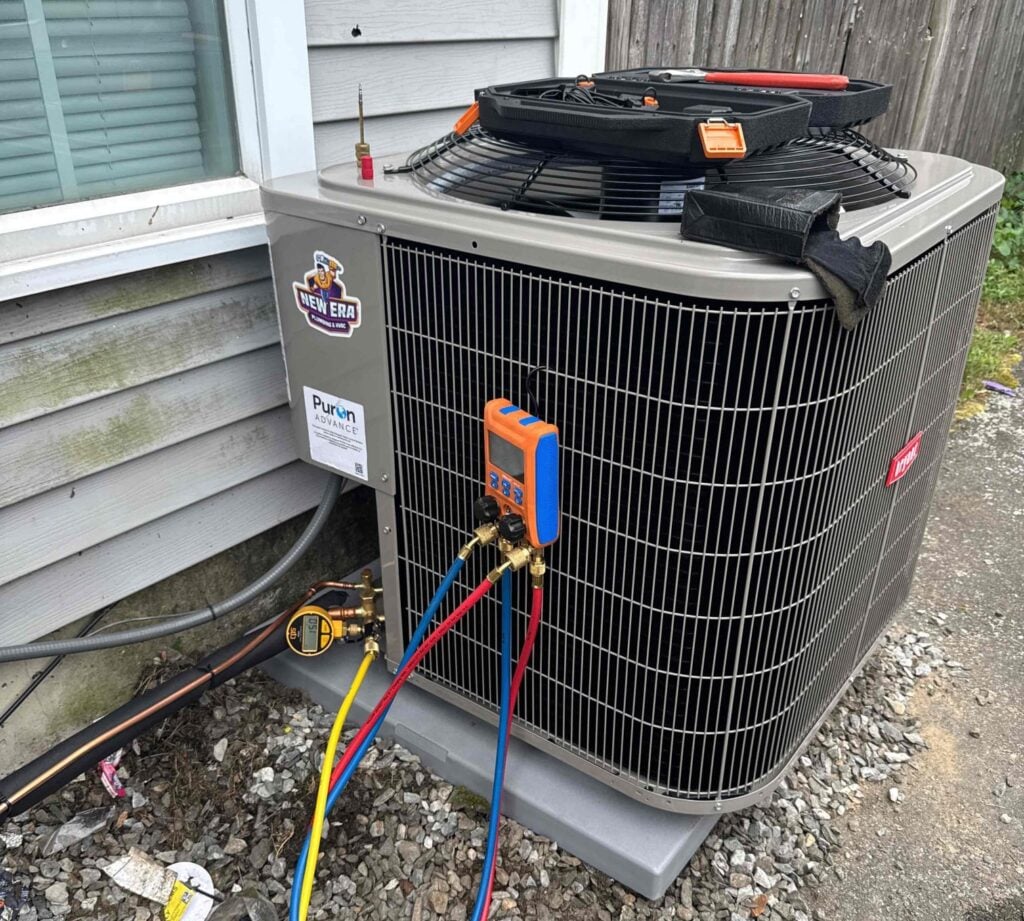
The condenser coil is the outdoor half of your system, housed inside the unit that sits outside your home. This coil releases the heat that was pulled from inside, and it is exposed to everything the Massachusetts outdoors can throw at it: pollen, grass clippings, cottonwood seeds, and general debris. A dirty condenser coil reduces the system’s ability to expel heat, which strains the compressor, reduces overall efficiency, and can leave you without adequate cool air on the hottest days.
- Clear debris: Remove leaves, grass, and dirt from around the condenser unit and rinse the fins carefully with a garden hose.
- Maintain clearance: Keep at least two feet of space around the unit clear of vegetation, fencing, and storage.
- Inspect the fins: Bent aluminum fins restrict airflow. A technician can straighten them using a fin comb during a service visit.
4. Check and Clear the Condensate Drain Line
As your AC runs, it removes humidity from the air inside your home. That moisture collects on the evaporator coil and drips down into a drain pan, which flows out through the condensate drain line. Over time, algae and mold can clog this line. When it backs up, water overflows the drain pan and can cause water damage to your ceiling, walls, or flooring. During a maintenance visit, a technician will flush the drain line and confirm it is flowing freely. Homeowners can also pour a small amount of diluted bleach into the access port periodically to prevent algae growth.
5. Test Refrigerant Levels
Refrigerant is the substance that makes cooling possible. Your system is designed to operate at a specific refrigerant charge, and if levels are off due to a leak or improper charging, the system will struggle to cool your home effectively. Low refrigerant causes the evaporator coil to freeze, leads to longer run times, and can cause serious damage to the compressor over time.
Checking and adjusting refrigerant is not a DIY task. It requires a licensed HVAC technician with the proper equipment and EPA certification to handle refrigerants legally and safely. This is one of the most important reasons professional annual maintenance is worth every dollar.
6. Inspect Electrical Components and Connections
Loose or corroded electrical connections are a leading cause of equipment failure and can create safety hazards. A technician will inspect all wiring, terminals, and contactors, tightening connections and applying protective coating where needed. They will also check the capacitors, which are responsible for starting the motors in your system. Capacitors weaken over time, and a failing capacitor is one of the most common reasons an air conditioning unit stops working on a hot day.
7. Lubricate Moving Parts
Your air conditioner has motor bearings and other moving components that require lubrication to operate without excessive friction. When lubrication breaks down, parts wear faster and can overheat. Most modern systems have sealed motors that do not require regular lubrication, but older units often do. A technician will assess what is needed and address it during the service visit.
8. Test the Thermostat and System Controls
A thermostat that is reading temperatures inaccurately or cycling the system improperly can waste a significant amount of energy even when everything else in the system is functioning correctly. During a maintenance visit, the technician will verify that the thermostat is accurate and that the system starts, operates, and shuts down as it should. If you have an older manual thermostat, this is also a good time to discuss whether a programmable or smart thermostat upgrade might benefit your home.
9. Check Ductwork for Leaks and Airflow Issues
Leaky or poorly sealed ductwork can quietly steal a significant portion of your system’s cooling output before it ever reaches the living spaces in your home. A technician will assess airflow balance across the system and check for obvious duct issues. Homes in Dracut, MA and the surrounding region often have older duct systems that have never been inspected, making this step particularly valuable for homeowners who feel certain rooms cool less effectively than others.
Professional Maintenance vs. Skipping It: A Side-by-Side Look
Homeowners sometimes wonder whether annual maintenance is really necessary if the system seems to be working fine. Here is a direct comparison.
| Factor | With Annual Maintenance | Without Maintenance |
| Energy efficiency | Maintained at designed levels | Gradually decreases over time |
| Risk of breakdown | Significantly reduced | Increases each season |
| System lifespan | Extended, often 15-20 years | Shortened by accelerated wear |
| Warranty validity | Often preserved | May be voided by neglect |
| Indoor air quality | Improved with clean filter and coil | Declines as buildup increases |
| Seasonal readiness | Confirmed before peak demand | Unknown until failure occurs |
The cost of a professional tune-up is modest compared to an emergency service call, a compressor replacement, or the expense of replacing an entire system years ahead of its expected lifespan.
What Homeowners Can Do vs. What Requires a Pro
Not every task on this list requires a service visit. Here is how to divide responsibilities.
- DIY-friendly tasks: Replacing air filters, clearing debris from around the outdoor unit, flushing the condensate drain with diluted bleach, and keeping the area around the condenser clear.
- Professional-only tasks: Refrigerant testing and charging, electrical inspection and component testing, coil cleaning with proper equipment, lubrication, and comprehensive system diagnostics.
The general rule is that anything involving the sealed refrigerant system, electrical components, or internal diagnostics of your HVAC system requires a licensed HVAC technician. Attempting these without proper training and tools risks personal safety, equipment damage, and potential warranty violations.
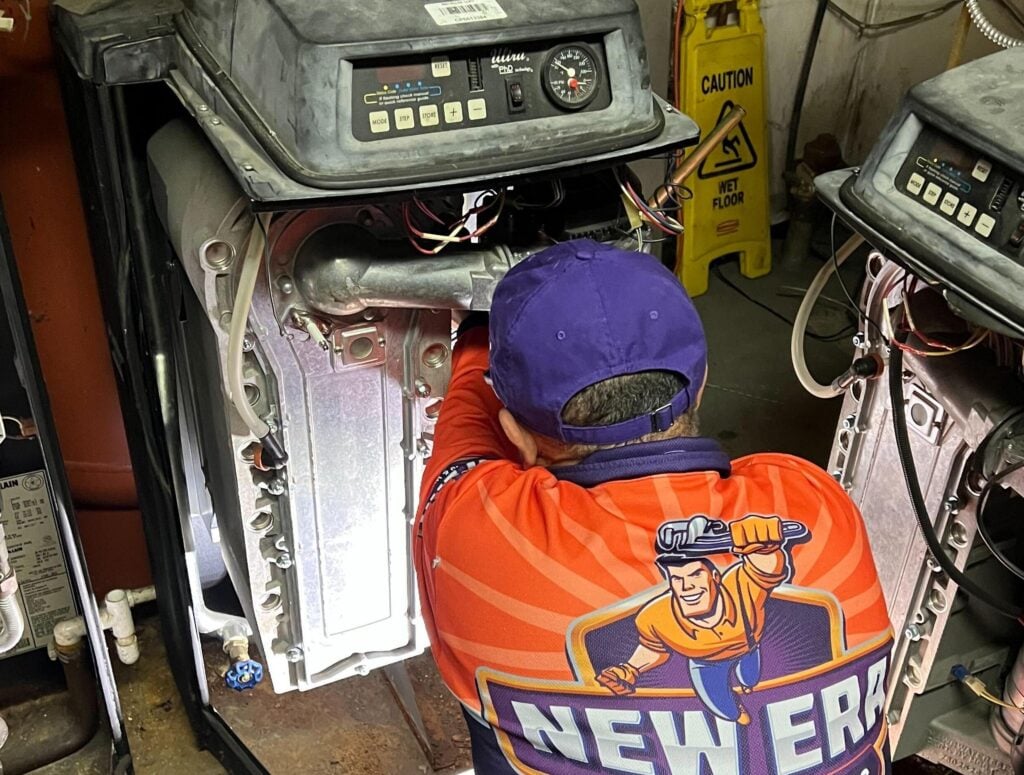
We’re proud to serve home and business owners in Dracut, MA, and nearby communities with expert HVAC maintenance and more. The combination of cold winters and warm, humid summers in this part of Massachusetts means your cooling system needs to be in top shape when the season arrives.
Common FAQs About AC Maintenance
Homeowners tend to have the same questions when it comes to keeping their system in good shape. Here are the answers.
How often should I schedule professional AC maintenance?
Once per year is the standard recommendation for most residential systems, ideally in the spring before you start running the system regularly. Homes with older equipment, high usage, or known issues may benefit from a mid-season check as well. New Era’s ac maintenance services through the White Glove Club membership plan make scheduling easy and keep your system on a consistent maintenance schedule year after year.
Can I skip maintenance if my AC seems to be working fine?
A system that appears to be running fine may still be operating below its designed efficiency level, quietly increasing your energy bills and accumulating wear that shortens its lifespan. Many of the issues a technician catches during maintenance, like a weakening capacitor or slightly low refrigerant, give no obvious symptoms until they cause a sudden failure. Skipping maintenance trades a small predictable cost for a larger unpredictable one.
Does AC maintenance really extend the life of the system?
Yes. Regular maintenance directly extends equipment life by catching small problems before they become large ones, reducing wear on components, and keeping the system running within its designed operating parameters. A well-maintained system can last 15 to 20 years or more. A neglected one may need replacement in 10 years or fewer.
What is the best time of year to schedule AC maintenance?
Spring is ideal for most homeowners, typically between March and May in Massachusetts, before temperatures climb and the system needs to run consistently. Scheduling early also means you avoid the peak season rush when HVAC companies are busiest and scheduling a visit can take longer.
Is maintenance covered under my warranty?
Many manufacturer warranties require documented annual maintenance as a condition of coverage. If your system develops a major issue and you cannot show evidence of regular service, the warranty claim may be denied. Keeping records of your maintenance visits is a simple way to protect that investment.
Keep Cool All Season With New Era Plumbing & HVAC
A well-maintained air conditioner is not a luxury. It is the difference between a comfortable home and a stressed, inefficient system that lets you down when you need it most. At New Era Plumbing & HVAC, we bring the same thoroughness and transparency to every maintenance visit that we bring to every other job. You will know exactly what we checked, what we found, and what, if anything, needs attention. No surprises, no pressure, just honest service from a team that has been keeping Massachusetts homes comfortable for over 15 years.
Whether you are overdue for a tune-up or want to set up a recurring plan through our White Glove Club, we make it easy. Contact our team today to schedule your AC maintenance and head into cooling season with confidence.