
A damaged sewer line used to mean one thing: a crew showing up with heavy equipment to tear up your yard, driveway, or landscaping to dig down to the problem. That approach is still sometimes necessary, but for most residential sewer line issues, there is a far less disruptive option available. Trenchless sewer repair fixes damaged, cracked, or deteriorating pipes from the inside, with little to no excavation required. It is faster, cleaner, and in many cases more cost-effective than traditional dig-and-replace methods. If you are dealing with a slow drain, recurring backups, or a sewer line that has not been inspected in years, learning more about trenchless sewer lining and repair is a smart first step. Here is what this guide covers:
- What trenchless sewer repair is and how it works
- The two primary methods used by professionals
- 5 reasons homeowners prefer it over traditional excavation
- When trenchless repair is and is not the right choice
- Frequently asked questions from homeowners
What Is Trenchless Sewer Repair?
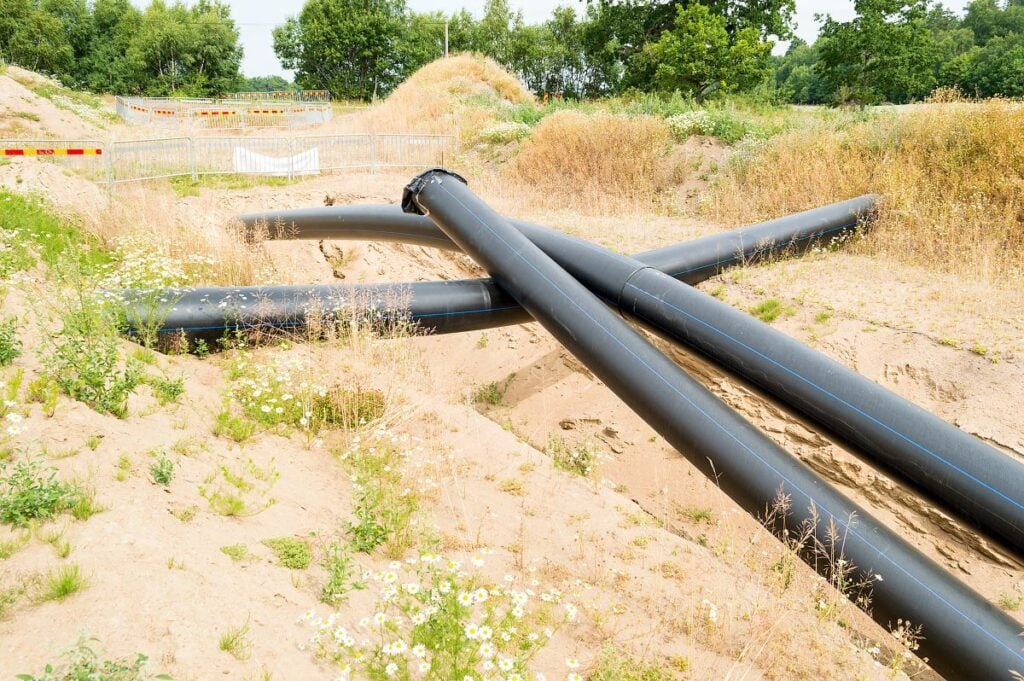
Trenchless sewer repair is a category of pipeline rehabilitation techniques that restore or replace underground sewer pipes with minimal surface disruption. Sometimes called trenchless pipe repair, this approach accesses the line through one or two small entry points, typically existing cleanouts or small access pits, and performs the repair from within the pipe itself rather than excavating a long trench along the full length of the damaged pipe.
The process always begins with a sewer camera inspection. A plumber feeds a small video camera through the line to assess the pipe’s current condition, identify the location and nature of the damage, and confirm that the pipe is a suitable candidate for trenchless methods. Not every pipe qualifies, and the camera inspection is what determines the right approach before any repair work begins.
Aging infrastructure is a driving force behind the growing adoption of these techniques. According to the U.S. Environmental Protection Agency, the EPA estimates there are at least 23,000 to 75,000 sanitary sewer overflows per year in the United States, many caused by cracked, deteriorating, and root-intruded pipes in aging residential and municipal sewer systems. Trenchless repair directly addresses the root cause of these failures by rehabilitating pipe walls and sealing the cracks and joints that allow infiltration and blockages to develop.
The Two Primary Trenchless Methods
Trenchless repair is not a single technique. There are two main methods, and the right one depends on the condition of the existing pipe.
Pipe Lining (Cured-In-Place Pipe)
Pipe lining, also called cured-in-place pipe or CIPP, is the most widely used trenchless method for residential sewer line repair. A flexible liner saturated with resin is inserted into the damaged pipe and inflated so that it conforms tightly to the interior pipe wall. The resin is then cured using hot water, steam, or ultraviolet light, hardening into a smooth, jointless new pipe within the old one.
The result is a structurally sound liner that seals cracks, fills in gaps at pipe joints, blocks root intrusion points, and restores full flow capacity. This process of pipe relining is one of the most effective forms of pipe restoration available, extending the functional life of an existing line by decades without replacing it entirely. New Era uses an ultraviolet curing system for trenchless lining, which is faster and eliminates styrene emissions associated with older heat-cured methods. Pipe lining is best suited for pipes with cracks, corrosion, minor joint separation, or root intrusion where the host pipe is still largely intact structurally.
Pipe Bursting
Pipe bursting is used when the existing pipe is too damaged, collapsed, or structurally compromised to serve as a suitable host for a liner. A bursting head is pulled through the old pipe, fracturing it outward into the surrounding soil while simultaneously pulling a new pipe into place behind it. The old pipe is destroyed and replaced in a single operation, again with only small access pits at each end rather than a full trench.
Pipe bursting is a more aggressive trenchless pipe solution suited to pipes that are severely deteriorated, heavily collapsed, or made of brittle materials like clay or cast iron that have failed beyond the point where lining would provide adequate results.
5 Reasons Homeowners Prefer Trenchless Sewer Repair
The shift toward trenchless methods comes down to a consistent set of advantages that matter to homeowners across the board.
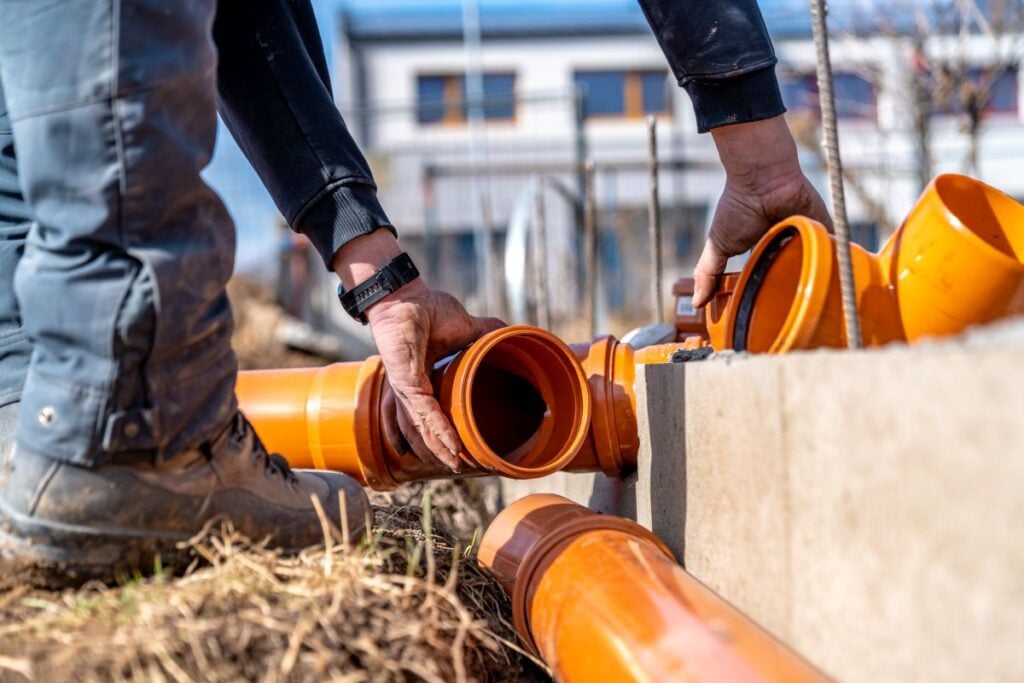
- Minimal Property Disruption: Traditional excavation requires digging a trench the full length of the damaged pipe, which means tearing up landscaping, concrete driveways, patios, or even portions of a home’s foundation in some cases. Trenchless repair requires only small access points, making minimal disruption to your property one of its defining advantages. Your yard, driveway, and hardscaping stay intact, which saves significant restoration costs on top of the repair itself.
- Faster Completion Time: A conventional sewer line replacement can take several days to complete between excavation, pipe replacement, backfill, and surface restoration. Most trenchless repairs are completed in a single day. For homeowners dealing with a sewer line failure, that difference in downtime is significant.
- Long-Lasting Results: Cured-in-place pipe liners are designed to last 50 years or more. The smooth interior surface of the new liner actually improves flow compared to older, corroded pipes, and the seamless construction eliminates the joint vulnerabilities where root intrusion and infiltration typically begin.
- Cost-Effective When You Factor in Restoration: Trenchless repair typically costs more per linear foot of pipe than a basic dig-and-replace. However, when you account for the cost of restoring a driveway, walkway, or landscaping that would be destroyed by excavation, trenchless methods often come out ahead on total project cost. In many residential situations, the savings on surface restoration alone make trenchless the more economical choice.
- Less Environmental Impact: Open-cut excavation disturbs soil, removes vegetation, and can disrupt buried utilities. Trenchless methods dramatically reduce that footprint, requiring minimal soil disturbance and leaving the surrounding environment largely undisturbed.
Trenchless vs. Traditional Excavation: A Direct Comparison
| Factor | Trenchless Repair | Traditional Excavation |
| Property disruption | Minimal, small access points only | Full trench along pipe length |
| Completion time | Typically one day | Several days to a week |
| Landscaping impact | Minimal to none | Significant, requires restoration |
| Liner lifespan | 50+ years | Depends on pipe material |
| Total cost | Higher per foot, lower restoration cost | Lower per foot, higher total cost |
| Pipe condition required | Largely intact or partially collapsed | Any condition |
When Trenchless Repair Is and Is Not the Right Choice
Trenchless methods work well for most common residential sewer line problems, but they are not the answer in every situation.
Trenchless repair is a strong fit when:
- Pipe has cracks or corrosion: Hairline cracks, scaling corrosion, and deteriorated pipe walls are ideal for CIPP lining, which seals the damage and prevents further deterioration.
- Root intrusion is present: Roots that have entered through joints or small cracks can be addressed with lining after the roots are cleared. Trenchless lining then seals the entry points permanently.
- Joint separation exists: Offset or separated joints that allow groundwater infiltration and sewage leakage respond well to the seamless coverage that pipe lining provides.
- Pipe is largely round: A pipe that has retained most of its original shape is a suitable candidate for lining. Severely flattened or fully collapsed sections may need pipe bursting or spot excavation instead.
Trenchless repair may not be appropriate when:
- Pipe has fully collapsed over a long section: A completely flattened pipe cannot receive a liner. Pipe bursting may still be an option, but severe collapses sometimes require spot excavation.
- The pipe layout has tight bends or offsets: Extreme bends can limit liner installation depending on pipe diameter and liner flexibility.
- Access to the line is severely restricted: In rare cases where no existing cleanout is available and the pipe route makes small pit excavation impractical, traditional methods may be required.
We’re proud to serve home and business owners in Haverhill, MA, and nearby communities with trenchless sewer lining, camera inspection, and more. The freeze-thaw cycles and older housing stock common throughout the Merrimack Valley make aging sewer lines a very real concern for local homeowners.
Common FAQs About Trenchless Sewer Repair
Homeowners researching this option tend to ask the same set of questions. Here are clear, honest answers.
How do I know if my sewer line needs repair?
The most common signs include recurring drain backups, multiple slow drains throughout the home, gurgling sounds from toilets or drains, sewage odors in the yard or basement, and unusually green or wet patches of grass over the sewer line path. A sewer camera inspection confirms whether there is a problem and what type of repair is needed. New Era’s technicians can typically schedule same-day assessments.
How long does trenchless sewer lining last?
Cured-in-place pipe liners are engineered to last 50 years or more under normal residential conditions. The smooth, jointless interior surface resists root intrusion, corrosion, and buildup better than older clay, cast iron, or deteriorated PVC pipe. With proper maintenance, a lined pipe can outlast the original pipe it was installed inside.
Will trenchless repair work on my older home?
It depends on the condition and configuration of the pipe. Many homes in the Haverhill area and across northeastern Massachusetts have older clay or cast iron sewer lines that are excellent candidates for trenchless pipe repair, as long as the pipe has not fully collapsed. A camera inspection is the definitive way to find out whether lining is viable for your specific line.
Does trenchless repair require a permit?
In most Massachusetts municipalities, yes. Sewer line work on the building lateral, which is the section of pipe running from your home to the public main sewer line, typically requires a plumbing permit. New Era handles the permitting process as part of every sewer line project so homeowners do not have to navigate that paperwork on their own.
How does trenchless repair compare in cost to traditional replacement?
Trenchless repair generally runs higher on a per-foot basis than a standard dig-and-replace. However, the total project cost, including any driveway, landscaping, or hardscape restoration that traditional excavation requires, often makes trenchless the more economical option for most residential situations. Your technician will provide a clear, itemized estimate that makes it straightforward to compare both approaches for your specific property.
New Era Plumbing & HVAC: Trenchless Done Right
Sewer line problems are stressful, but they do not have to mean weeks of disruption and a torn-up yard. At New Era Plumbing & HVAC, we use ultraviolet cured-in-place pipe lining technology and take a thorough, transparent approach to every sewer line project. We start with a camera inspection so you see exactly what is happening inside your pipe before any work begins, walk you through your options honestly, and complete the repair with the same level of care we bring to every job. No surprises, no pressure, just the right fix done right the first time.
If you have noticed the warning signs of a failing sewer line, do not wait for a full backup to force the issue. Contact our team today to schedule your sewer camera inspection and find out whether trenchless repair is the right solution for your home.