If you have ever dealt with a drain that just refuses to cooperate no matter how many store-bought solutions you pour down it, you may be a prime candidate for hydrojet drain cleaning. This powerful professional method uses highly pressurized water to blast away years of buildup inside your pipes, restoring flow and leaving your plumbing in far better shape than a standard snake ever could. Whether you’re dealing with grease-clogged kitchen lines, stubborn sewer backups, or mysteriously slow drains throughout your home, hydro jetting could be the answer you have been looking for. In this guide, we will cover everything homeowners need to know about professional hydro jetting service, including:
- How hydrojet drain cleaning works and what equipment is involved
- How it compares to traditional drain snaking
- The warning signs that tell you it is time to call a pro
- What types of blockages hydro jetting handles best
- Frequently asked questions homeowners commonly ask
What Is Hydrojet Drain Cleaning and How Does It Work?
Hydrojet drain cleaning is a professional plumbing method that uses a high-pressure hose with a specialized nozzle to shoot water through your pipes at extremely high water pressure. We are talking anywhere from 1,500 to 4,000 PSI, depending on the size and condition of the pipe being cleaned. That is vastly more powerful than a garden hose, which delivers roughly 40 to 70 PSI, and even stronger than most consumer pressure washers.
The process starts with a camera inspection. A licensed plumber inserts a small video camera into the drain line to assess the pipe’s current condition, identify the type and location of the blockage, and make sure the pipe walls are structurally sound enough to handle the pressure. This step is not optional with reputable plumbers. It protects both the pipe and the homeowner from surprises.
The Equipment and Setup
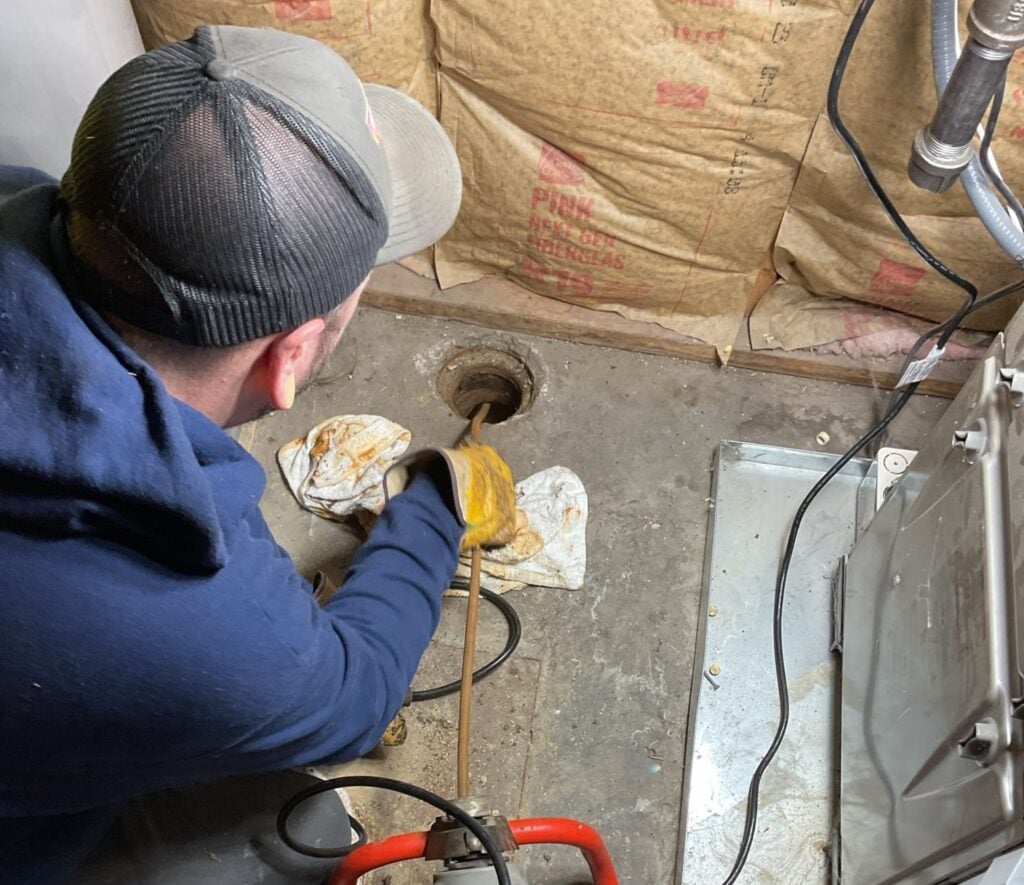
Once the inspection is complete and the go-ahead is given, the plumber feeds a flexible, high-pressure hose into the drain through a cleanout access point. The nozzle at the end of the hose sprays water in multiple directions simultaneously, both forward to break apart blockages and backward to propel the hose through the line while scrubbing the pipe walls clean. This dual-action is what makes hydro jetting so effective compared to other approaches. The debris and buildup dislodged during cleaning gets flushed out through the pipe and away from the property. Once the job is done, a follow-up camera inspection is often performed to confirm the pipe is fully clear.
How Long Does It Take?
A standard residential hydrojet drain cleaning job typically takes one to three hours from start to finish, including the initial camera inspection and final review. More complex situations, like heavily compacted sewer lines or significant root intrusion, may require more time. Most homeowners in Lowell, MA are surprised by how quickly their pipes go from sluggish to fully functional.
Hydro Jetting vs. Drain Snaking: What Is the Difference?
Both hydro jetting and drain snaking are legitimate tools in a plumber’s arsenal, but they work very differently and are suited for different situations. Understanding the distinction helps homeowners make informed decisions when something goes wrong.
| Feature | Hydro Jetting | Drain Snaking |
| Cleaning depth | Full pipe interior | Clears a path through the clog |
| Grease removal | Highly effective | Limited |
| Root clearing | Effective for small intrusions | Can cut through but leaves debris |
| Pipe inspection required? | Yes (recommended) | Not always |
| Best for | Severe or recurring blockages | Minor clogs |
| Longevity of results | Months to years | Weeks to months |
| Pipe condition requirement | Structurally sound pipes | Works on most pipe types |
A drain snake works by physically drilling through or pulling out a clog. It punches a hole through the obstruction, which restores flow but does not clean the pipe walls. Grease, mineral scale, and soap residue remain coating the interior, which means the clog will likely return. Hydro jetting, on the other hand, cleans the entire diameter of the pipe from one end to the other, leaving the inside nearly like new. It is not the right tool for every situation, particularly in older or fragile pipes, but when the conditions are right it is far more thorough and longer-lasting than snaking.
6 Signs You Need Professional Hydro Jetting
Not every slow drain warrants hydro jetting, but some situations make it the clear choice. Here is when homeowners in the Lowell area should pick up the phone.
1. Recurring Clogs in the Same Drain
If you have had the same drain snaked, plunged, or chemically treated multiple times and the problem keeps coming back within weeks, the issue is likely a coating of buildup on the pipe walls rather than a single isolated clog. Hydro jetting removes the source of the problem rather than temporarily clearing a path through it.
2. Multiple Slow Drains at Once
When several drains throughout the home are slow at the same time, that is a classic indicator of a main sewer line problem rather than individual fixture clogs. A main line blockage requires more than a plunger. It requires specialized equipment and professional expertise to clear the full line effectively.
3. Gurgling Sounds From Drains or Toilets
Gurgling noises when water drains or when a toilet is flushed can indicate air being trapped in the line due to a partial blockage downstream. Left unaddressed, partial blockages grow into full ones. Hydro jetting can clear the debris causing that restricted flow before it becomes an emergency.
4. Sewage Odors Inside the Home
Foul smells coming from drains are often caused by organic buildup and bacteria that have accumulated along pipe walls. Chemical cleaners may mask the odor temporarily but rarely eliminate the root cause. High-pressure water cleaning scrubs the interior of the pipe clean, removing the source of the smell entirely.
5. Slow Drains After Cooking or Dishwashing
Grease is one of the most damaging things that commonly enters residential drain lines. According to the EPA’s Report to Congress on Impacts and Controls of CSOs and SSOs, grease from homes, restaurants, and industrial sources is the most common cause of reported sewer blockages, responsible for approximately 47% of all blockages. Hydro jetting is uniquely effective at cutting through and flushing out grease accumulation that other methods simply push around.
6. Older Home With No Recent Drain Maintenance
Homes in Massachusetts that were built decades ago often have pipes that have never been thoroughly cleaned. Tree roots, decades of mineral scale, and grease buildup can significantly restrict flow over time. Preventive hydro jetting every year or two is a smart investment compared to the cost of a sewer backup or emergency repair.
What Types of Blockages Does Hydro Jetting Clear?
Hydro jetting is not a one-trick solution. It handles a wide range of blockage types that build up inside drain pipes and other methods struggle to fully address.
- Grease and fat deposits: These coat the inside of kitchen drain lines and accumulate over time, narrowing the pipe diameter significantly until flow stops.
- Mineral scale and sediment: Hard water areas like those common in Massachusetts leave calcium and lime deposits along pipe walls that eventually restrict flow.
- Tree roots: Hydro jetting can cut through and flush out small to moderate root intrusions. Severe root damage may require additional repair.
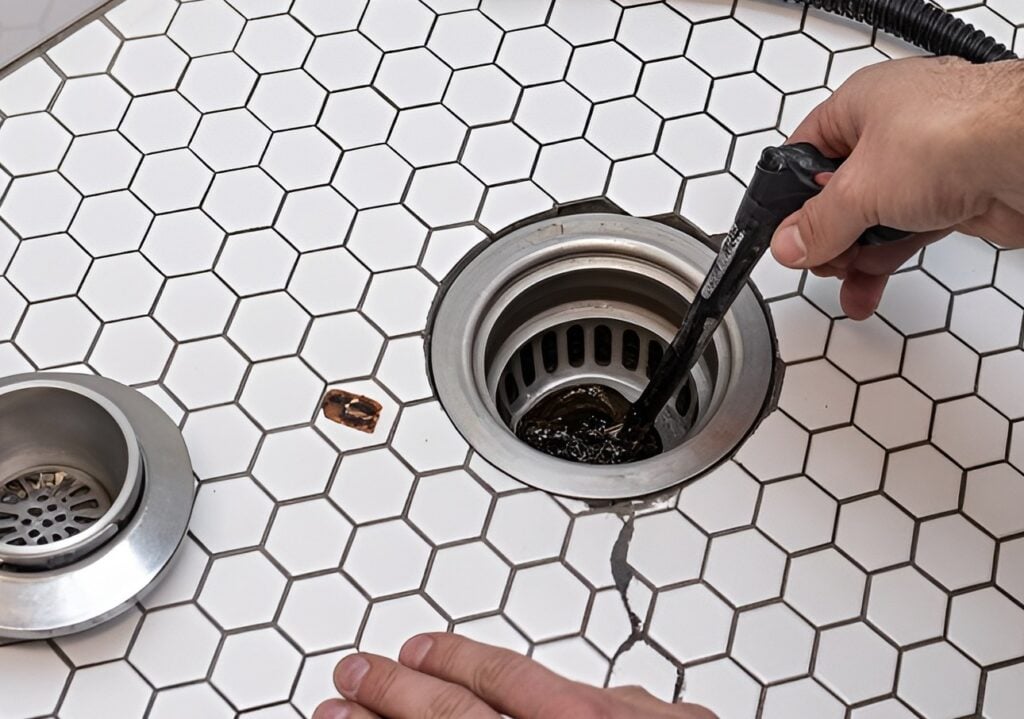
- Soap scum and hair: Bathroom drains accumulate compacted soap residue and hair mats that standard snakes often struggle to fully remove.
- Sludge and debris: General organic buildup in sewer lines benefits significantly from the full-pipe cleaning action that hydro jetting provides.
We’re proud to serve home and business owners in Lowell, MA, and nearby communities with professional drain cleaning services and more. The wet winters and freeze-thaw cycles common to this region of Massachusetts can put real stress on drain lines, making periodic maintenance even more important for local homeowners.
Common FAQs About Hydro Jetting
Homeowners searching for answers about this service tend to ask a lot of the same questions. Here are the most common ones.
Is hydro jetting safe for my pipes?
It depends on the condition of the pipes. Hydro jetting is safe for most standard residential plumbing systems when a camera inspection is performed first. Older pipes, brittle clay lines, or pipes with pre-existing cracks may require a lower-pressure approach or an alternative solution. A licensed plumber will assess the situation before proceeding and will not recommend hydro jetting if it presents a risk to your plumbing system.
How often should I have my drains hydro jetted?
For most residential homes, having drains professionally cleaned every one to two years is a reasonable preventive schedule. Homes with frequent cooking, large households, older plumbing, or known root intrusion may benefit from more regular service. Your plumber can recommend a schedule based on the specific conditions of your system.
Can hydro jetting damage my sewer line?
When performed by a licensed professional who has conducted a pre-job camera inspection, the risk of pipe damage is very low. Problems arise when hydro jetting is performed on pipes that are already compromised or without first verifying the pipe’s structural condition. This is why choosing an experienced, licensed plumber rather than a low-cost provider who skips the inspection step is important.
Will hydro jetting fix a broken pipe?
No. Hydro jetting is a cleaning method, not a repair method. If the camera inspection reveals a cracked, collapsed, or heavily root-damaged section of pipe, the structural problem must be addressed first before cleaning. In some cases, trenchless sewer lining or sewer line replacement may be required before or instead of hydro jetting.
How much does hydro jetting cost?
Cost varies based on the length and diameter of the line being cleaned, the severity of the blockage, and whether a camera inspection is required. Residential hydro jetting typically runs higher than a standard drain snake service, but the results last significantly longer. Most homeowners find it more cost-effective over time than repeated snaking or emergency service calls.
Trust New Era Plumbing & HVAC to Get Your Drains Flowing Again
When your drains are fighting back, New Era Plumbing & HVAC has the equipment, the training, and the honest approach to get to the bottom of it. We start every drain service with a thorough camera inspection so you know exactly what you are dealing with before any work begins. No guesswork, no upselling, just a clear explanation of the problem and the best path forward. Our team has been serving the Greater Lowell area and surrounding Massachusetts communities for over 15 years, and we stand behind every job with strong warranties and upfront pricing.
Whether you need a simple drain clearing or a full sewer line flush, we bring the same commitment to doing the job right the first time. Ready to stop fighting the same clog over and over? Contact our team today to schedule your service and find out if hydro jetting is the right solution for your home.