
Mini split vs central air is a common comparison homeowners make when choosing the best cooling system for their home. Both options are designed to keep your living space comfortable year-round, but they operate differently and are better suited for different types of homes, layouts, and budgets. Choosing the right system can impact everything from your monthly electric bill to long-term maintenance and overall energy efficiency.
- Installation: Mini splits are easier to install, while central air requires existing ductwork
- Cooling performance: Central air cools the entire home, while mini split systems allow targeted cooling
- Energy use: Both can be energy efficient depending on usage and setup
- Flexibility: Ductless mini split systems offer zoned control, while central systems provide uniform cooling
Understanding how these systems compare can help you choose the right solution for your home’s comfort and long-term efficiency.
How Mini Split and Central Air Systems Work

Both systems are designed to cool your home, but they distribute air in very different ways. This impacts everything from installation to daily comfort and system performance.
How a Mini Split System Works
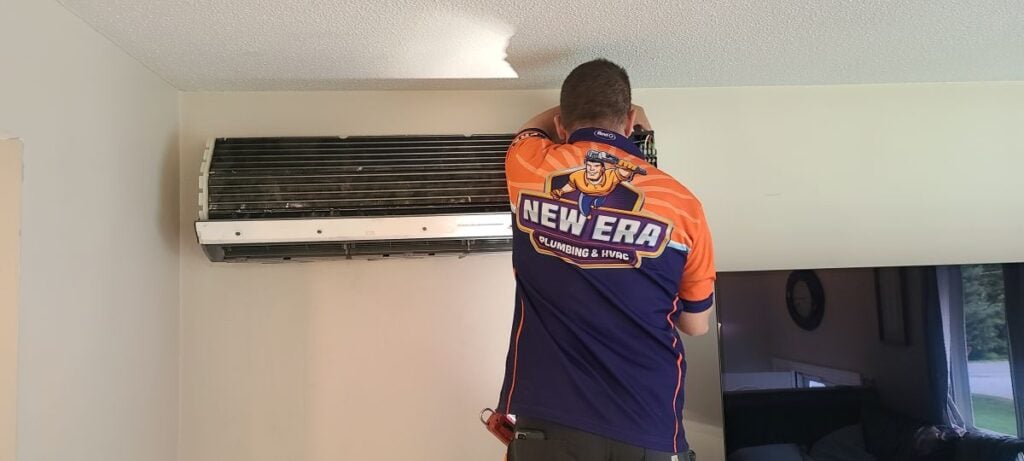
A mini split system, also known as a ductless system, uses indoor and outdoor units connected by refrigerant lines. These indoor units are mounted on walls or ceilings and deliver cooled air directly into specific areas. Many mini split systems also function as a heat pump, allowing them to provide both heating and cooling throughout the year. Because there is no ductwork involved, ductless mini split systems are often easier to install and allow for zoned temperature control across different areas of your home.
How a Central Air System Works
Central air conditioning systems use a single outdoor unit connected to an indoor unit that distributes cooled air through a network of ducts. Air is cooled at a central location and then pushed through vents into each room. This setup provides consistent cooling across the entire home and is commonly used in houses with existing ductwork already in place.
Mini Split vs Central Air: Side-by-Side Overview
Looking at how these systems compare in everyday use can help you determine which one fits your needs best.
| Category | Mini Split | Central Air |
| Installation | Easier, no ducts required | More complex with ductwork |
| Cooling control | Zoned cooling | Whole-home cooling |
| Energy efficiency | Highly efficient in targeted areas | Efficient for full-home use |
| Best for | Additions, smaller homes | Larger homes with ducts |
| Flexibility | High | Moderate |
This comparison highlights how each system performs in real-world situations rather than just technical differences.
10 Key Differences Between Mini Split and Central Air
Choosing between these systems comes down to how each performs based on your home and lifestyle.
1. Installation Requirements
Mini splits require minimal installation, while central air systems involve ductwork and more extensive setup.
- Mini splits: No ductwork required, quicker installation
- Central air: Requires ducts and more complex installation
2. Cooling Coverage
Central air is designed for whole-home cooling, while mini split systems are ideal for specific zones.
- Mini splits: Cool individual rooms or sections of your living space
- Central air: Cools the entire home evenly
3. Energy Efficiency
Both systems can be energy efficient, but their effectiveness depends on how they are used.
- Mini splits: Reduce energy waste by cooling only occupied areas
- Central air: Efficient for consistent whole-home cooling
4. Temperature Control
Mini split systems offer more control over individual room temperatures.
- Mini splits: Independent temperature control per room
- Central air: Single thermostat for the entire home
5. Installation Cost
Upfront costs vary depending on system type and home setup.
- Mini splits: Lower installation cost in homes without ducts
- Central air: Higher cost due to ductwork installation
6. Maintenance Needs
Both systems require regular maintenance, but the tasks differ.
- Mini splits: Filter cleaning and unit maintenance
- Central air: Filter replacement and duct inspections
7. Air Distribution
The way air is delivered impacts comfort and airflow.
- Mini splits: Direct airflow from indoor units
- Central air: Distributed airflow through vents
8. Aesthetics
System visibility can influence homeowner preference.
- Mini splits: Visible indoor units mounted on walls
- Central air: Hidden system with vents
9. Flexibility
Ductless mini split systems offer more flexibility in system design and expansion.
- Mini splits: Easy to add units to new areas
- Central air: Limited by duct layout
10. Noise Levels
Noise levels can vary between systems.
- Mini splits: Quiet indoor operation
- Central air: Slightly louder due to airflow and ducts
Pros and Cons of Mini Split vs Central Air
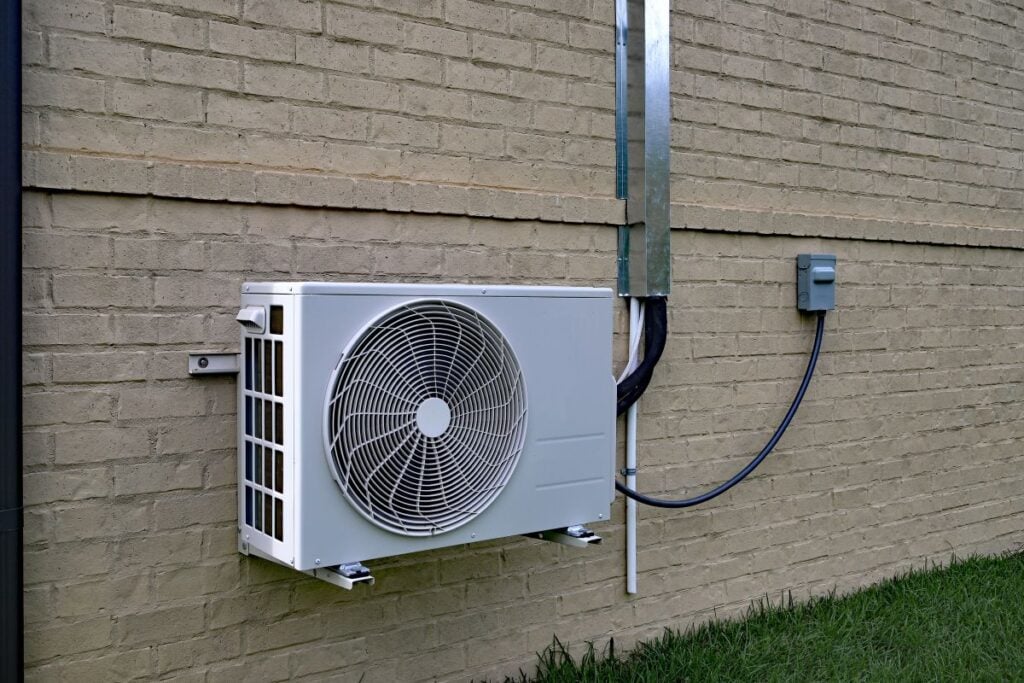
Each system has its own advantages and drawbacks depending on your home’s needs.
Mini Split Pros and Cons
Mini split systems are known for flexibility and efficiency, especially in homes without ductwork.
- Zoned cooling: Control temperature in individual rooms
- Energy efficient: Can help reduce your electric bill over time
- Easy installation: No ducts required
- Visible units: Indoor components are noticeable
- Higher cost per unit: Can add up for full-home coverage
Central Air Pros and Cons
Central air systems are a popular choice for whole-home cooling.
- Whole-home comfort: Even cooling throughout the house
- Hidden system: No visible indoor units
- Works with existing ductwork: Ideal for many homes
- Higher installation cost: Especially without ducts
- Less control: Limited zoning options
Which System Is Right for Your Home?
Choosing between a mini split vs central air system depends on your home’s layout, budget, and cooling preferences. Homes without ductwork, additions, or spaces that need independent temperature control often benefit from mini split systems. Larger homes with existing ductwork may find central air more practical and cost-effective.
According to the U.S. Department of Energy, air conditioning accounts for about 12% of energy use in the average home, making it important to choose an energy efficient system that fits your needs and helps manage your long-term electric bill.
We’re proud to serve home and business owners in Lowell, MA, and nearby communities with cooling system solutions and more.
Stay Cool with New Era Plumbing & HVAC
Choosing between a mini split and central air system is easier with expert guidance. At New Era Plumbing & HVAC, we help homeowners find the right cooling solution based on their home, budget, and long-term goals.
Whether you are installing a new system, upgrading your current setup, or exploring heat pump options, our team is ready to help. Contact New Era Plumbing & HVAC today to find the best cooling solution for your home.