Backflow valve systems play an important role in protecting your home’s potable water supply from contamination. In a typical plumbing system, water is designed to flow in one direction, bringing clean potable water into your home for drinking, cooking, and everyday use. However, when pressure changes occur, that flow can reverse, potentially allowing contaminated water to enter your supply.
This is where backflow preventers and backflow prevention systems become essential. A properly installed backflow device acts as a safeguard that keeps unsafe water from mixing with your clean water, helping protect both your household and the broader municipal system.
- Water contamination: Backflow can allow contaminated water, chemicals, or debris into your potable water
- Pressure changes: Drops in supply pressure or increases in backflow pressure and back pressure can trigger reverse flow
- System protection: Backflow prevention systems automatically block unsafe water from reentering your system
- Required in many homes: Especially important for irrigation systems, outdoor connections, and sewer line protection
Understanding how a backflow valve works, what components it includes, and how to maintain it can help you avoid serious plumbing issues and protect your water quality.
How a Backflow Valve Works
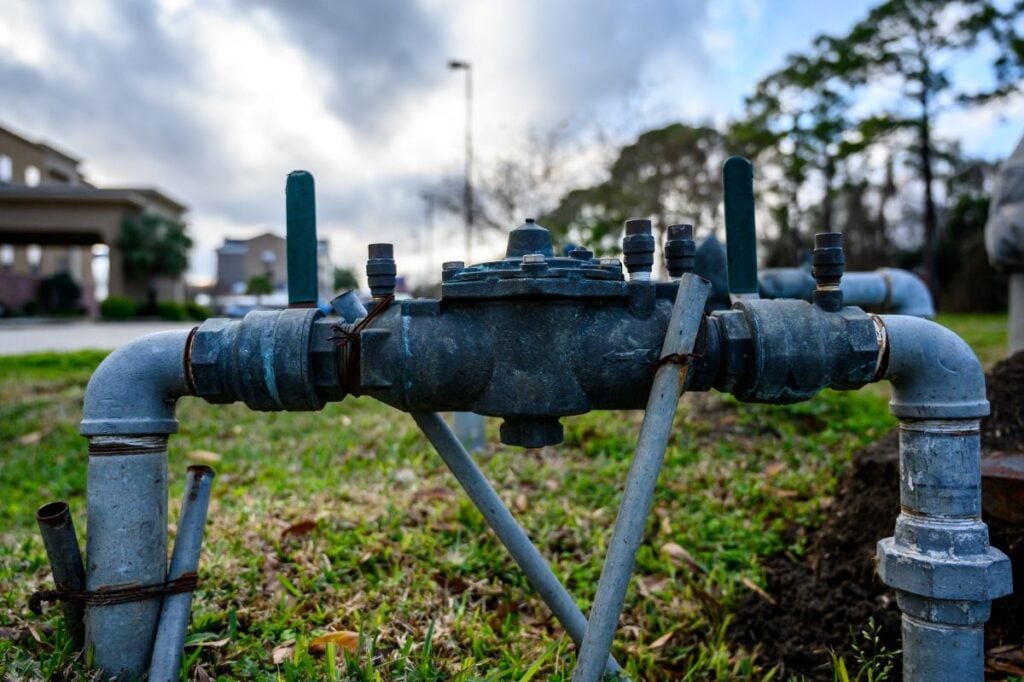
A backflow valve is designed to ensure that water flows in only one direction through your plumbing system. Under normal conditions, water moves from the main supply into your home, providing consistent pressure and safe, clean water for daily use.
Preventing Reverse Water Flow
Backflow occurs when there is a sudden change in water pressure, such as a drop in the main supply line or an increase in pressure within your home’s plumbing. This imbalance can cause water to reverse direction, potentially pulling contaminants like fertilizers, cleaning chemicals, or bacteria into your potable water supply. A backflow device detects this change and closes automatically, preventing contaminated water from flowing backward into your system.
Where Backflow Valves Are Used
Backflow preventers are commonly installed in areas where there is a higher risk of contamination. This includes irrigation systems, outdoor hose connections, sprinkler systems, and appliances that connect directly to your water supply. Systems such as pressure vacuum breakers or reduced pressure zone assemblies are often used depending on the level of protection required.
5 Key Components of a Backflow Valve
Understanding the internal components of a backflow valve helps explain how it protects your water system and why maintenance is important.
1. Check Valve
The check valve is the primary component that controls the direction of water flow. Many systems use a double check valve setup for added protection against contamination.
- One-way flow: Ensures water only moves forward through the system
- Automatic response: Closes instantly when reverse flow is detected
2. Relief Valve
The relief valve helps regulate pressure within the system and is commonly found in reduced pressure zone assemblies to release excess pressure safely.
- Pressure control: Protects against high backflow pressure
- System safety: Helps maintain consistent operation
3. Test Ports
Test ports allow professionals to inspect and test the backflow device without removing it from the system. These are essential for ensuring compliance and performance.
- Inspection access: Makes testing faster and more efficient
- Performance checks: Helps confirm the system is working properly
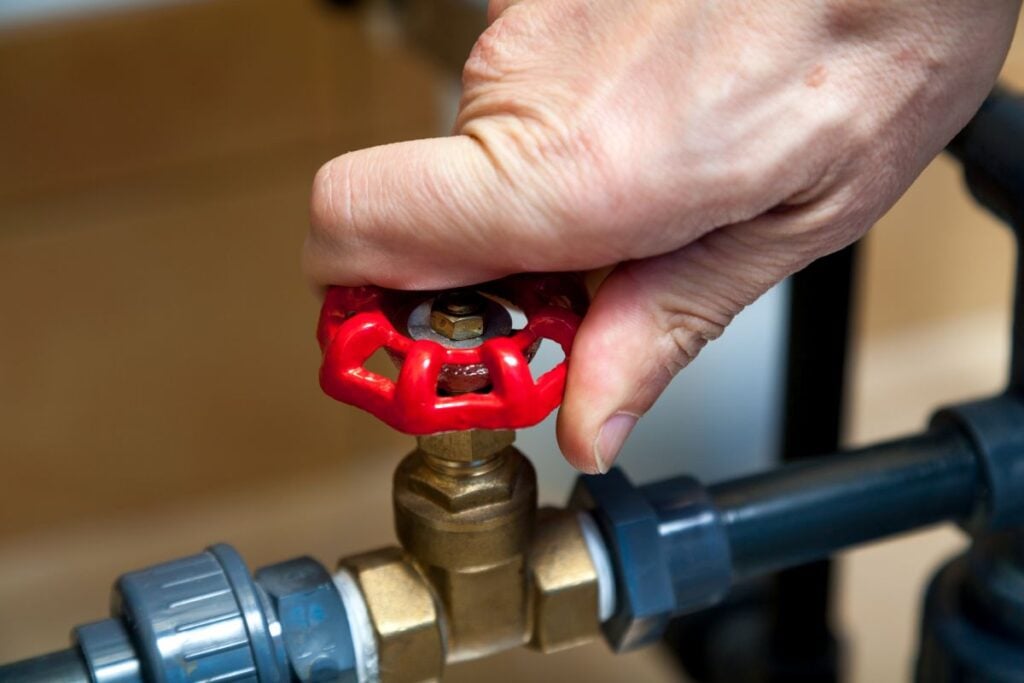
4. Shutoff Valve
Shut off valves allow sections of the plumbing system to be isolated during maintenance or repairs, making it easier to service the backflow valve safely.
- Flow control: Allows water to be turned off when needed
- Maintenance access: Simplifies inspection and repairs
5. Valve Body
The valve body houses all internal components and connects the system to your plumbing. It is designed to handle pressure changes and protect internal mechanisms.
- Structural support: Keeps all parts securely in place
- Durability: Built to withstand continuous water flow and pressure
Common Causes of Backflow Problems
Backflow issues are typically caused by pressure imbalances or system failures. Understanding these causes can help reduce risk and prevent contamination.
- Backpressure: Occurs when internal pressure exceeds supply pressure
- Backsiphonage: Happens when a sudden drop in pressure pulls water backward
- Damaged components: Worn or broken parts can affect performance
- Improper installation: Incorrect setup can reduce effectiveness
These problems can impact your potable water supply and should be addressed quickly.
Maintenance Tips for Backflow Valves
Regular maintenance is essential to ensure your system continues to function properly and protect your water supply over time. Without proper upkeep, even a well-installed system can fail.
Routine Inspections
Backflow preventers should be inspected regularly to ensure all components are working correctly. In many areas, annual testing is required to meet local regulations.
- Annual testing: Confirms proper operation and compliance
- Early detection: Identifies wear, corrosion, or damage
Cleaning and Repairs
Over time, debris and buildup can affect how the system operates. Cleaning and replacing worn components helps maintain performance and reliability.
- Remove buildup: Keeps internal parts functioning smoothly
- Replace worn parts: Prevents leaks and failure
According to the Environmental Protection Agency, backflow prevention devices are essential for protecting drinking water from contamination, making regular maintenance critical for system safety.
Signs Your Backflow Valve Needs Attention
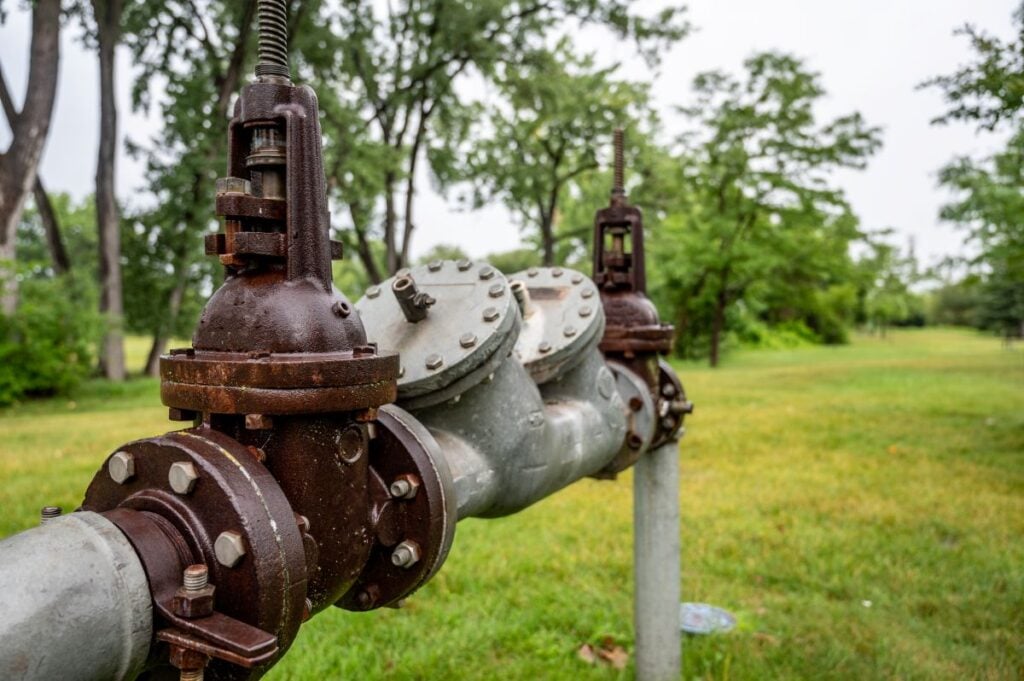
Recognizing early warning signs can help you address issues before they become serious problems.
- Discolored water: May indicate contaminated water entering your system
- Unusual taste or odor: Signals potential water quality issues
- Leaks around the valve: Could mean worn seals or damage
- Low water pressure: May result from valve malfunction
If you notice any of these signs, it’s important to act quickly to protect your water supply.
When to Call a Professional
While basic awareness helps, backflow prevention systems often require professional inspection and testing to ensure they meet safety standards.
- Failed inspections: Indicates the system is not working properly
- Persistent issues: Recurring problems may require replacement
- Complex systems: Larger systems need expert service
- Installation needs: Proper setup is critical for effective protection
We’re proud to serve home and business owners in Lowell, MA, and nearby communities with backflow prevention services and more.
Protect Your Water with New Era Plumbing & HVAC
A properly functioning backflow valve is essential for keeping your water safe and your plumbing system running smoothly. At New Era Plumbing & HVAC, we provide expert inspection, maintenance, and repair services to ensure your system stays protected.
Whether you need routine testing, repairs, or a new backflow device installation, our team is here to help. Contact New Era Plumbing & HVAC today to keep your water supply safe and your system performing at its best.