Drain cleaning is an essential part of home maintenance that helps keep your plumbing system running smoothly and prevents costly repairs. Over time, everyday use leads to buildup inside your drains, including grease, soap residue, hair, and debris that slowly restrict water flow. What starts as a minor issue can quickly turn into tough drain clogs if not addressed early.
Clogged drains don’t just slow things down, they can also impact your entire plumbing system and create unpleasant conditions inside your home. Regular cleaning helps prevent these issues while improving overall system performance.
- Clogs: Hair, grease, and debris can block water flow inside your pipes
- Odors: Trapped waste and buildup can cause unpleasant smells
- Slow drainage: Buildup reduces how efficiently water moves through your system
- Preventative care: Routine cleaning helps avoid major plumbing repairs
Understanding how to properly handle drain cleaning can help you avoid emergencies and keep your plumbing system functioning reliably.
What Causes Drain Clogs?
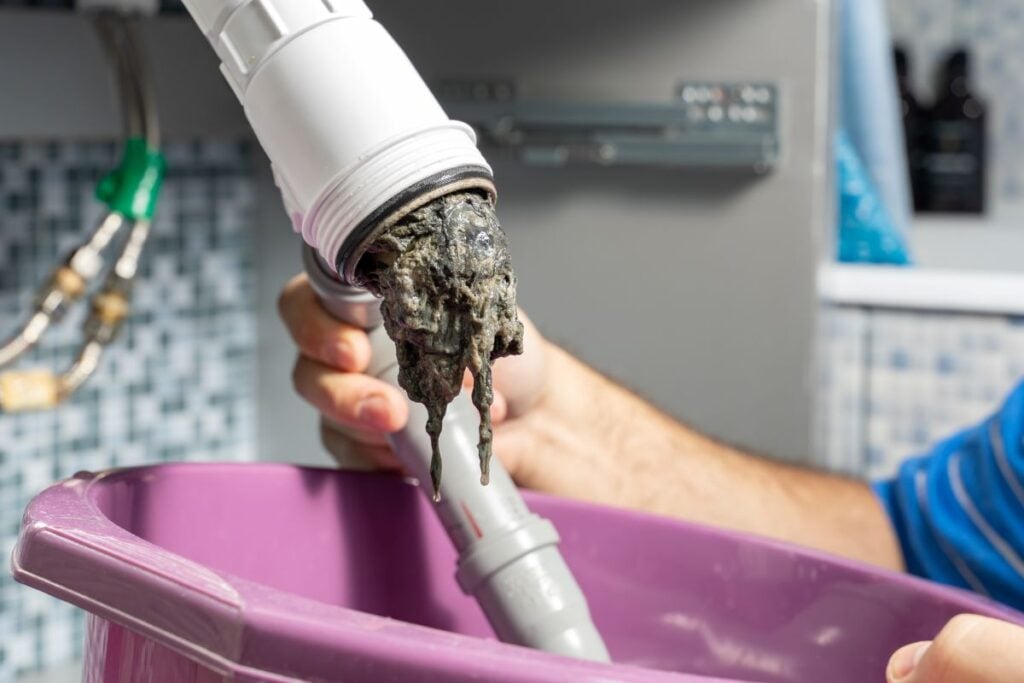
Drains are constantly exposed to materials that can stick, harden, or accumulate over time. Even with careful use, buildup is unavoidable, which is why regular maintenance is so important.
Common Sources of Buildup
Kitchen drains often deal with grease, oil, and food particles that can harden along the walls of your pipes. Bathroom drains collect hair, soap scum, and personal care products that cling to surfaces. Floor drains can also collect dirt, debris, and runoff, especially in basements or utility areas, leading to blockages if not maintained.
How Clogs Develop
Clogs rarely happen instantly. They form gradually as debris continues to accumulate, reducing the available space for water to pass through. As buildup increases, small blockages can turn into tough drain clogs that affect multiple fixtures. Without proper drain cleaning, these issues can eventually require more advanced drain services to fully resolve.
10 Easy Steps for Effective Drain Cleaning
Following a step-by-step approach helps ensure you address clogs safely and effectively without damaging your plumbing system.
1. Boiling Water Flush
Pouring hot water down your drain is one of the simplest ways to loosen grease and minor buildup. This method works especially well in kitchen drains.
- Loosens grease: Hot water helps break down oils and residue
- Quick maintenance: Easy first step before using other tools
2. Use a Plunger
A plunger creates pressure that can help break apart clogs and restore water flow.
- Pressure force: Helps push clogs through the system
- Simple tool: Effective for sinks and tubs
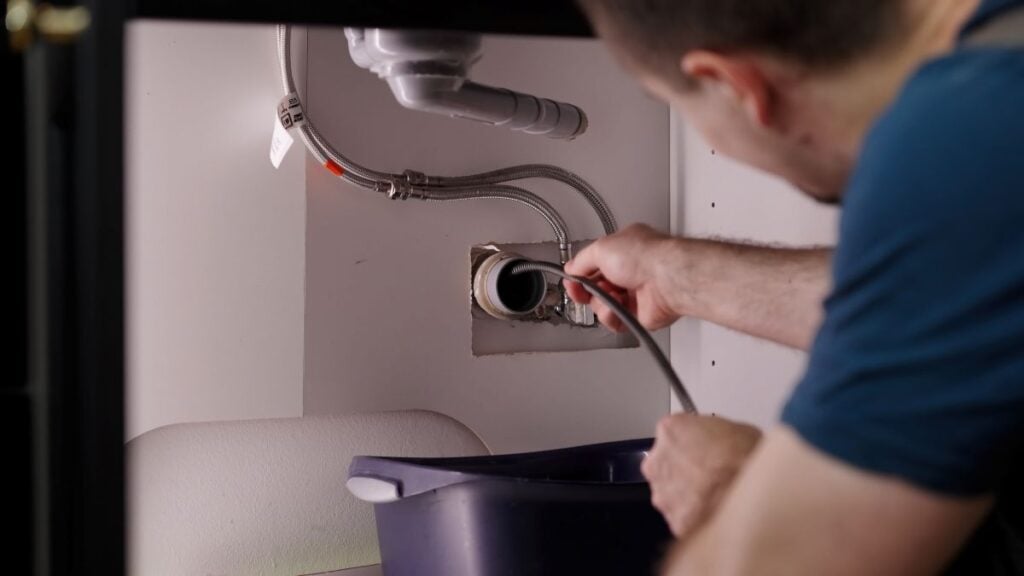
3. Try a Drain Snake
A drain snake allows you to reach deeper into your plumbing system to remove stubborn clogs.
- Deep reach: Accesses buildup further inside the pipes
- Removes debris: Effective for hair and solid blockages
4. Baking Soda and Vinegar
Using baking soda and vinegar is a natural method that can help break down buildup and freshen your drains.
- Chemical reaction: Baking soda reacts to loosen debris
- Safe option: Avoids harsh chemicals
5. Clean the P Trap
The p trap under your sink is a common place for buildup to collect and should be cleaned periodically.
- Direct access: Removes trapped debris manually
- Improves flow: Clears a common clog point
6. Use Enzyme Cleaners
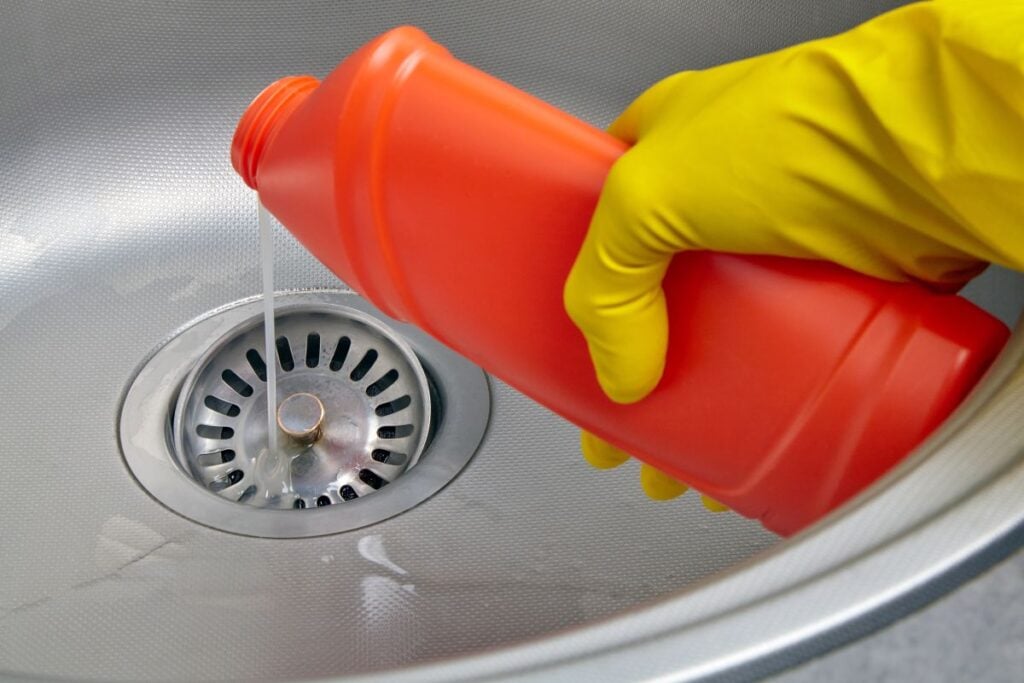
Enzyme cleaners are designed to break down organic waste without damaging your pipes.
- Targets buildup: Breaks down food and organic material
- Long-term care: Helps maintain clean drains
7. Check for Blocked Vents
Blocked plumbing vents can slow drainage and affect system performance.
- Airflow support: Keeps water moving properly
- Prevents backups: Maintains pressure balance
8. Flush with Hot Water Regularly
Routine flushing with hot water helps prevent buildup from forming.
- Prevents clogs: Keeps pipes cleaner over time
- Maintains efficiency: Supports proper flow
9. Use a Drain Screen
Installing a drain screen helps reduce the amount of debris entering your plumbing system.
- Debris control: Prevents hair and particles from entering drains
- Easy maintenance: Simple and effective solution
10. Schedule Professional Drain Cleaning
For severe or recurring issues, professional drain services provide a deeper solution.
- Deep cleaning: Removes buildup throughout the system
- Hydro jetting: Uses high-pressure water to clear tough drain clogs
- Long-term results: Helps prevent future blockages
Drain Cleaning Methods Comparison
Different cleaning methods work better depending on the severity and type of clog.
| Method | Best For | Effectiveness | When to Use |
| Hot water | Grease buildup | Moderate | Early-stage clogs |
| Plunger | Minor blockages | Moderate | Slow drains |
| Drain snake | Deep clogs | High | Stubborn buildup |
| Baking soda solution | Light buildup | Moderate | Routine cleaning |
| Hydro jetting | Severe clogs | Very high | Tough drain clogs |
Choosing the right method helps you resolve the issue faster and avoid unnecessary damage to your plumbing system.
Signs You Need Drain Cleaning
Recognizing early warning signs allows you to take action before the problem becomes more serious and expensive to fix.
- Slow drains: Water drains more slowly than usual
- Recurring clogs: Frequent blockages in the same drain
- Unpleasant odors: Smells coming from your drains
- Gurgling sounds: Air trapped inside the plumbing system
According to the Environmental Protection Agency, household leaks and plumbing issues can waste significant amounts of water each year, which highlights the importance of keeping your system well maintained.
How to Prevent Drain Clogs
Preventative maintenance is the most effective way to reduce the need for frequent drain cleaning and avoid major plumbing problems.
- Avoid grease disposal: Never pour oil or grease down the drain
- Use drain screens: Catch debris before it enters your pipes
- Dispose of waste properly: Keep food scraps out of drains
- Perform routine maintenance: Clean drains regularly to prevent buildup
Taking these steps consistently can significantly extend the life of your plumbing system and reduce the need for deep cleaning services. We’re proud to serve home and business owners in Lowell, MA, and nearby communities with drain cleaning services and more.
Keep Your Drains Clear with New Era Plumbing & HVAC
Proper drain cleaning helps protect your plumbing system and prevents costly repairs down the line. At New Era Plumbing & HVAC, we provide expert drain services to handle everything from routine maintenance to severe clogs.
Whether you are dealing with tough drain clogs, need hydro jetting, or want preventative maintenance, our team is ready to help. Contact New Era Plumbing & HVAC today to keep your drains flowing smoothly and your home running efficiently.