
If you’ve noticed your home cooling less effectively, strange noises, or unexpectedly high energy bills, a refrigerant leak in your AC could be the culprit. Refrigerant is essential for your air conditioner to absorb heat and cool air properly. When the system loses refrigerant, it struggles to maintain comfort and can suffer internal damage. Understanding the signs of a refrigerant leak and what to do about it helps you protect your cooling system and your home.
- Low airflow may signal refrigerant loss
- Ice buildup on coils can restrict cooling
- Haverhill, MA summers make leaks more noticeable
- Strange hissing sounds often accompany refrigerant escape
- Prompt fixes reduce long‑term component damage
What Refrigerant Does in Your Air Conditioner
Refrigerant plays a key role in your AC’s cooling cycle. It absorbs heat from indoor air and releases it outdoors, then cycles back to continue cooling. When there’s a leak, the system loses coolant and cannot transfer heat efficiently. This increases strain on the compressor and other parts of your HVAC system. We’re proud to serve home and business owners in Haverhill, MA, and nearby communities with AC repair, refrigerant recharge, and leak detection services.
- Refrigerant absorbs indoor heat and cools air
- Leaks reduce cooling capacity and increase energy use
- Running an AC low on refrigerant can damage compressors
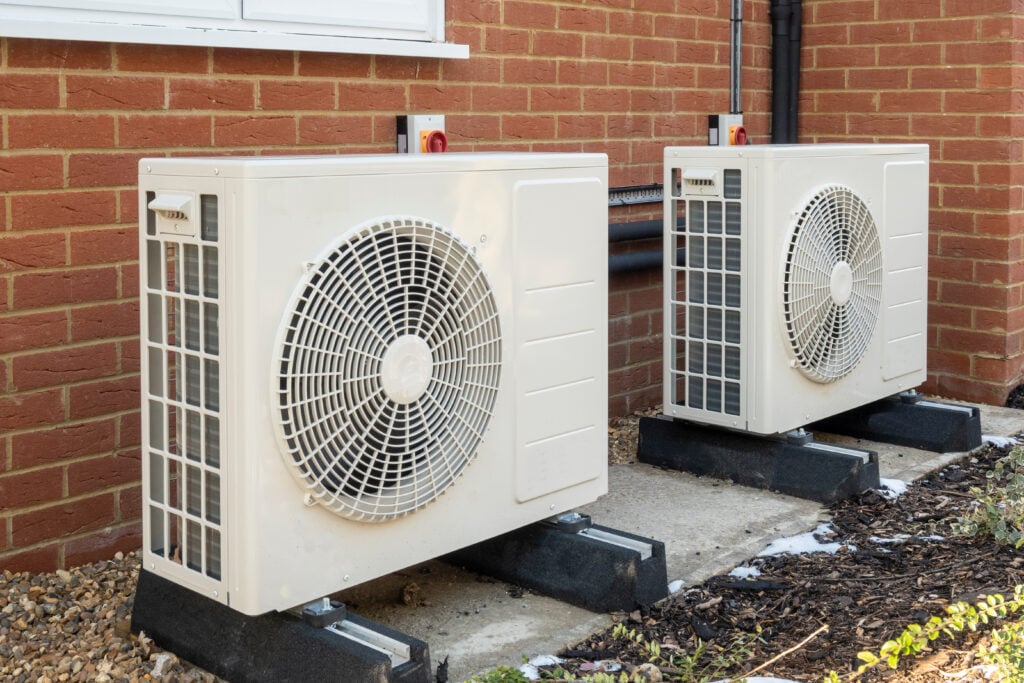
9 Signs Of A Refrigerant Leak in Your AC
Watch for the following symptoms, which often appear before a full system failure. If multiple signs are present, it’s likely your AC has a refrigerant leak that needs professional attention.
1. Weak Cooling Performance
An AC with insufficient refrigerant often cools unevenly or weakly because the system cannot absorb and transfer heat effectively. You may notice the temperature plateauing well above the thermostat setting even after extended run times.
- Reduced cooling power even on hot days
- Inconsistent temperatures between rooms
2. Longer Cooling Cycles
When refrigerant is low, your air conditioner has to run longer to try to reach a comfortable temperature, leading to longer cooling cycles than normal. This puts extra wear on the system and raises energy usage.
- Extended runtime without reaching set temperatures
- Higher electrical draw with little cooling improvement
3. Warm Air from Vents
If the air coming from your supply registers feels warm or only slightly cooler, the refrigerant may not be carrying enough heat away from indoor air. This can especially happen after the system has been running for a while.
- Noticeably warm or lukewarm air
- Cool air drops off quickly after starting
4. Hissing or Bubbling Sounds
Hissing, bubbling, or even faint cracking noises near coils or refrigerant lines often indicate gas escaping from a tiny opening. These sounds are more noticeable when the AC first cycles on or off.
- Hissing near indoor coil or exterior unit
- Sound increases with fan activity
5. Ice on Evaporator Coil or Lines
Refrigerant helps keep the evaporator coil at the proper temperature. When levels are low, moisture in the air can freeze on coils or refrigerant lines, creating ice buildup that further restricts airflow.
- Ice forming on the indoor coil surface
- Frost on refrigerant lines
6. High Energy Bills
A leaking system must work harder to deliver cooling, which increases your monthly utility costs. If your cooling habits have not changed but bills rise significantly, refrigerant loss may be a factor.
- Utility bills spike during cooling seasons
- Higher costs despite similar thermostat settings
7. Frequent Cycling On and Off
Refrigerant loss alters system pressure, which can cause your AC to short cycle — turning on and off frequently — instead of running steadily. This behavior reduces efficiency and increases wear on components.
- Short, repeated cooling cycles
- HVAC feels like it never fully runs
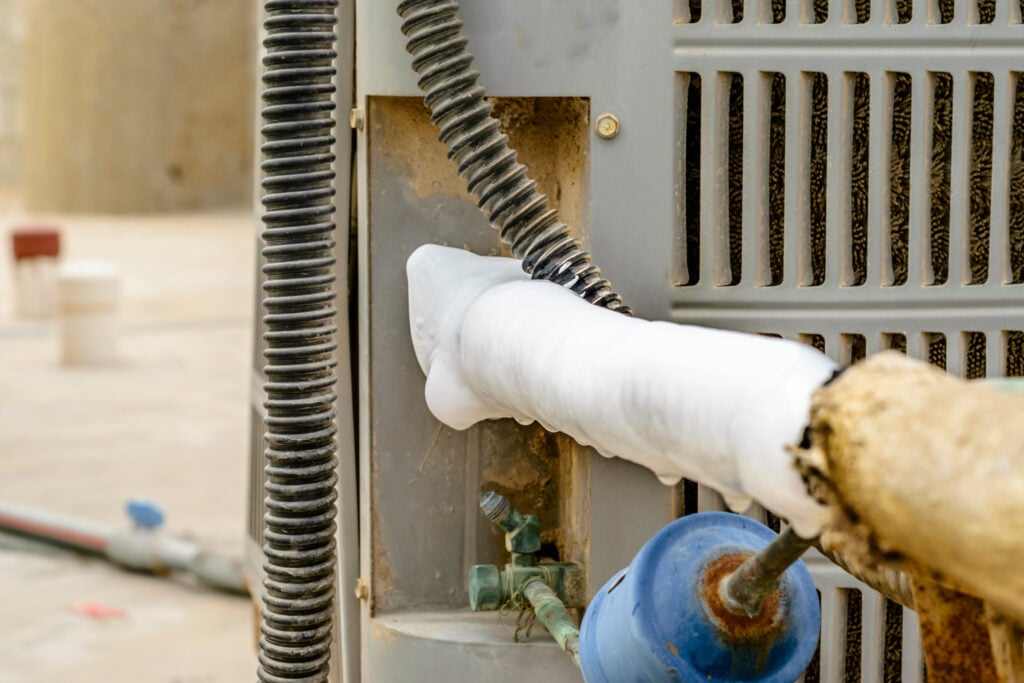
8. Frost on Refrigerant Lines
The smaller suction line should normally be cold, but frost or heavy condensation along its length is a strong sign of low refrigerant levels. Frost may persist even when the AC has been running for some time.
- White frost buildup along suction line
- Frost visible near line connections
9. Moisture or Frost at Service Valves
Refrigerant leaks often occur at joints or service valves. You may see moisture, frost, or tiny droplets forming around fittings. This is a visual clue that pressure and refrigerant levels are not where they should be.
- Dew or frost around access ports
- Wetness near connection points
What To Do If You Suspect a Refrigerant Leak
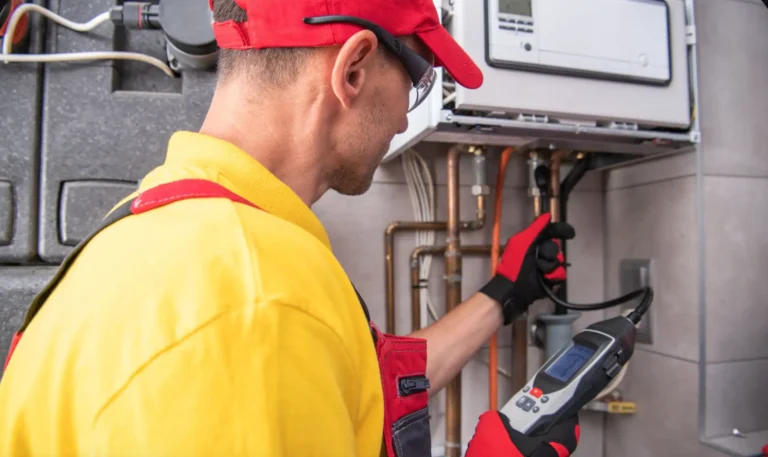
Finding and fixing a refrigerant leak requires precision and professional tools. Refrigerant systems are closed, and releasing chemicals into the environment or adding refrigerant without repair is unsafe and often illegal. A qualified HVAC technician can locate leaks using specialized equipment and make necessary repairs.
- Locate the leak: Use electronic detectors and pressure tools to find the source
- Repair or replace parts: Damaged coils, valves, or lines need proper sealing
- Recharge refrigerant: Refill to manufacturer‑specified levels after sealing leaks
- Test system pressure: Confirm balanced operation before concluding service
Prompt detection and repair helps avoid compressor failure and improves overall system life. Proper AC maintenance can reduce energy usage by up to 15 percent, which makes early leak detection even more valuable.
Common Questions About Refrigerant Leaks
Choosing when to act quickly and when to plan maintenance can have a big impact on your air conditioner’s lifespan and efficiency. These answers clarify common concerns and explain why professional service is often necessary for refrigerant issues.
Q: Can I add refrigerant myself if the AC is low?
A: No. Refrigerant must only be added after leaks are repaired. DIY refrigerant addition without fixing the leak is unsafe and may violate environmental regulations.
Q: How long does it take to fix a refrigerant leak?
A: Repair time varies by leak location and severity. Simple fittings or line repairs may take an hour or two, while coil replacements could take longer.
Q: Will a refrigerant leak fix improve indoor air quality?
A: Fixing a leak restores cooling performance and reduces moisture buildup that can lead to mold growth, indirectly improving indoor air quality.
Q: How often should I have my AC checked for leaks?
A: Annual AC maintenance, including a refrigerant check, is recommended, especially in high‑use climates like Haverhill, MA.
Minimize Damage With Fast Leak Detection
Refrigerant leaks reduce comfort, increase costs, and strain your HVAC system. Early detection and professional repair protect your compressor and other costly components. Don’t wait until performance drops drastically — addressing leaks quickly improves overall cooling energy efficiency and reliability.
Trust New Era Plumbing & HVAC for AC Leak Detection & Repair
At New Era Plumbing & HVAC, we specialize in identifying and repairing refrigerant leaks, recharging coolant, and optimizing your air conditioner for peak performance.Our licensed technicians use advanced diagnostic tools to find leaks safely and restore proper refrigerant levels. For dependable AC service in Haverhill, MA and nearby areas, contact New Era Plumbing & HVAC today and keep your home cool and efficient.