
If you’ve come across the term rough in plumbing during a renovation or new construction process, you may be wondering what it actually means. Rough in plumbing is one of the most important early stages of any plumbing system, laying the groundwork for water supply and drainage before walls and floors are finished. Understanding this phase helps homeowners plan projects properly and avoid costly mistakes later on.
- Rough in plumbing happens before walls and fixtures are installed
- It sets the layout for water lines, drain lines, and venting
- Mistakes during this phase can lead to costly repairs later
- Inspections are often required before finishing construction
- Homes in Billerica, MA must meet local building codes and standards
What Rough In Plumbing Means
Rough in plumbing refers to the installation of all essential plumbing lines before final fixtures like sinks, toilets, and faucets are connected. This stage is a critical part of the overall construction process and focuses on building the plumbing infrastructure behind walls and floors.
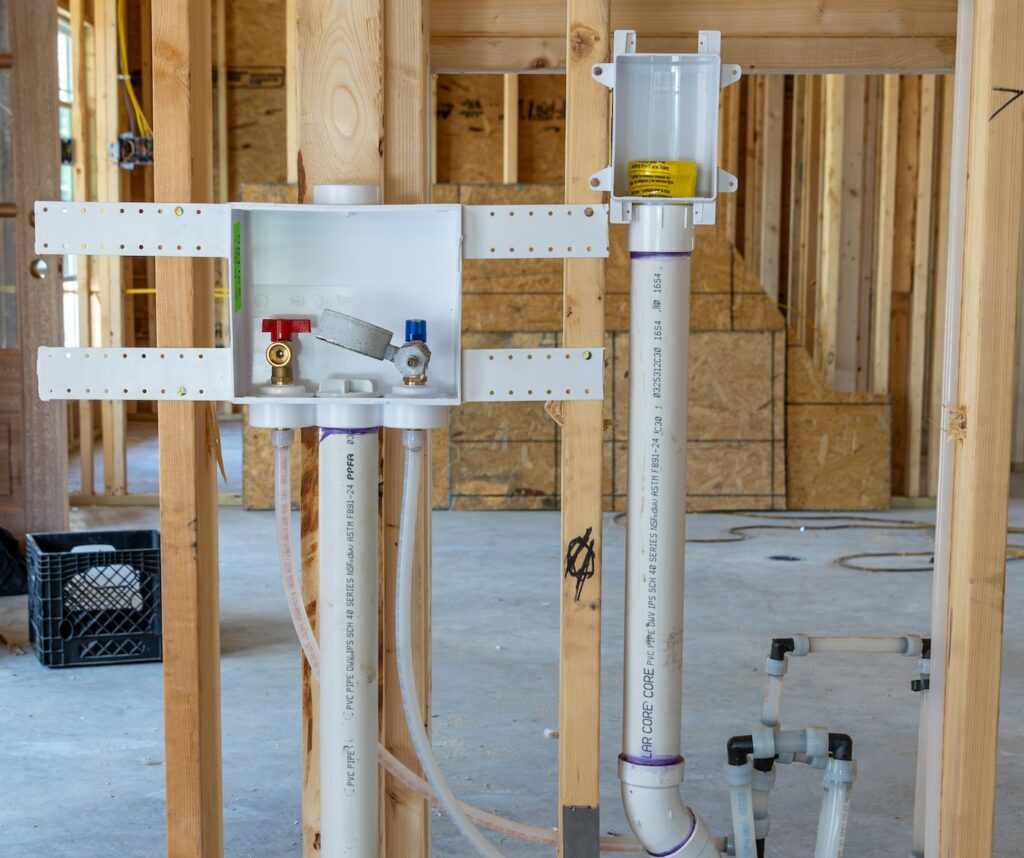
During the rough in phase, plumbers install water lines, drain and vent lines, and key connections that support the entire system. Once the rough in work is completed and approved, the project moves into finish plumbing, where visible components are installed and connected.
What Is Included in Rough In Plumbing
Rough in plumbing covers all the behind-the-scenes work that ensures water flows properly throughout your home. It focuses on layout, positioning, and proper connections rather than final installation.
Water Supply Lines
Water supply lines bring clean water into your home and distribute it to sinks, showers, and appliances. These water lines are carefully planned to ensure proper pressure and efficient delivery throughout the system.
- Pipe placement: Routed through walls and floors
- Material selection: Copper, PEX, or CPVC depending on system
- Pressure balance: Designed for consistent water delivery
Drain and Waste Lines
Drain lines carry wastewater away from your home and connect to the main drainage system. Proper installation of drain lines is essential to prevent clogs and ensure smooth operation.
- Gravity flow: Pipes installed at correct slope
- Waste removal: Carries used water away efficiently
- Connection points: Linked to main drain system
Vent Pipes
Vent pipes regulate air pressure within the plumbing system and allow sewer gases to safely exit your home. These systems support installing vents properly and connecting to a central vent stack for balanced airflow.
- Air balance: Prevents vacuum pressure in pipes
- Gas release: Safely vents sewer gases outdoors
- System performance: Supports smooth drainage
6 Key Steps in the Rough In Plumbing Process
Rough in plumbing follows a structured process to ensure the system is installed correctly and meets local building codes. Each step builds on the previous one to create a reliable plumbing foundation.
1. Plan the Plumbing Layout
Before installation begins, plumbers review blueprints and determine where pipes and plumbing equipment will be located. This stage includes mapping out toilet drains and ensuring proper spacing for all future connections.
- Fixture placement: Identify sink, toilet, and appliance locations
- Pipe routing: Plan efficient pathways through the structure
- Code compliance: Meet local building codes and requirements
2. Install Water Supply Lines
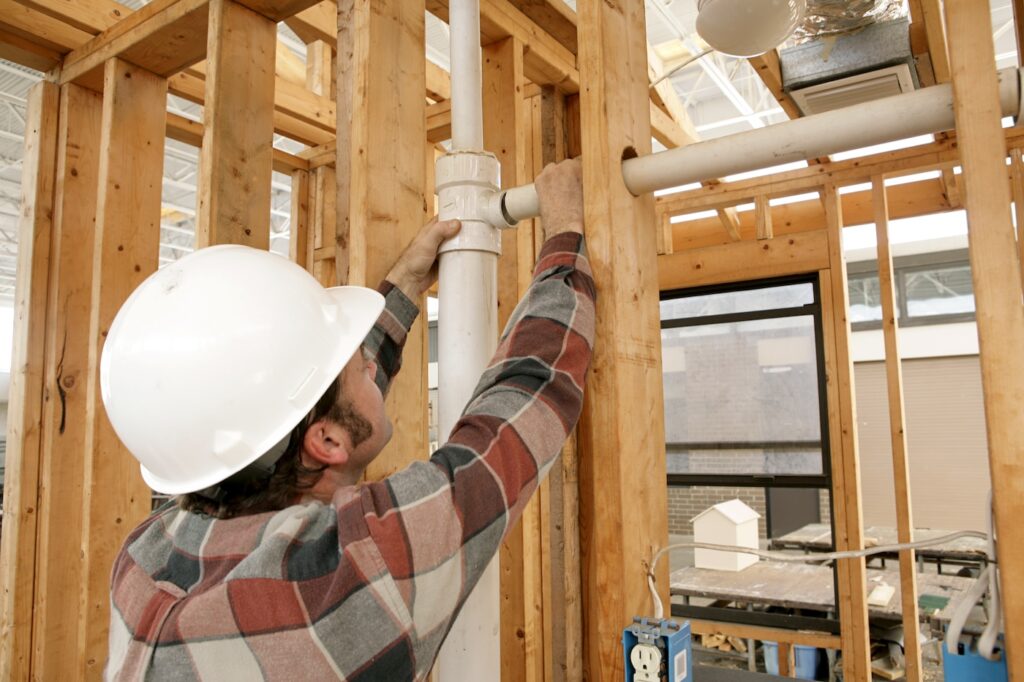
Once the layout is finalized, water lines are installed to deliver clean water throughout the home. These lines must be securely fitted and properly sized for consistent performance.
- Material choice: Select durable piping materials
- Secure connections: Prevent leaks and pressure loss
- System testing: Ensure proper flow and pressure
3. Install Drain Lines
Drain lines are installed to handle wastewater removal and connect to the main drainage system. This step often involves planning how to route drain lines efficiently through the structure.
- Pipe slope: Maintain correct downward angle
- Connection points: Link to main sewer line
- Clog prevention: Ensure smooth water flow
4. Add Venting System
Vent pipes are installed to maintain proper air pressure throughout the plumbing infrastructure. This includes installing vents that connect back to the central vent stack.
- Vent placement: Extend through roof or walls
- Air circulation: Balance pressure in pipes
- System efficiency: Prevent drainage issues
5. Perform Pressure and Leak Testing
Before walls are closed, the system must be tested to confirm there are no leaks or pressure problems. This step often includes checking connections created during gluing drain fitting processes.
- Pressure testing: Check system integrity
- Leak detection: Identify weak connections
- System approval: Prepare for inspection
6. Complete Inspection and Approval
A local inspector reviews the rough in plumbing to ensure it meets all safety and code standards. This step is required before moving forward in the construction process.
- Code verification: Confirm compliance with regulations
- Safety check: Ensure proper installation
- Project clearance: Move forward with finishing plumbing
Why Rough In Plumbing Is So Important
Rough in plumbing determines how well your entire system will function once completed. Poor installation during this phase can lead to leaks, drainage issues, and expensive repairs after walls are closed.
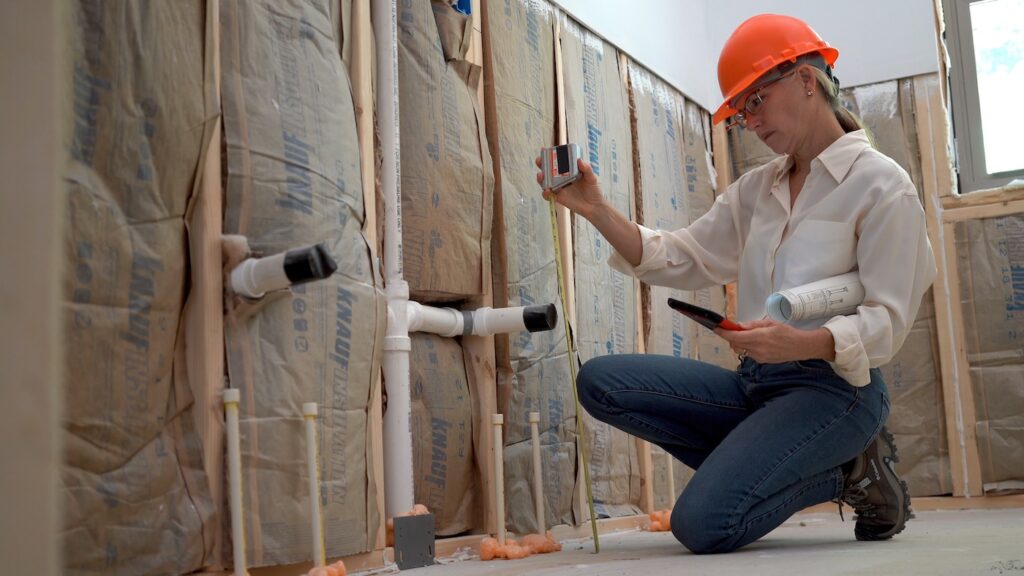
A properly completed rough in ensures that everything aligns correctly, water flows efficiently, and key components like the main shut-off valve are accessible when needed. Investing in quality rough in work prevents long-term issues and supports reliable system performance.
Common Mistakes During Rough In Plumbing
Even small mistakes during rough in can create major issues later. Understanding common errors helps homeowners avoid problems during construction or renovation.
- Incorrect pipe slope: Leads to drainage issues
- Poor vent placement: Causes slow drains and odors
- Improper pipe sizing: Affects water pressure
- Loose connections: Can lead to hidden leaks
- Skipping inspections: Risks code violations
Avoiding these mistakes ensures a reliable and efficient plumbing system.
Common Questions About Rough In Plumbing
Homeowners often have questions about what happens during this phase and why it matters. Understanding these answers can help you feel more confident during your project.
When does rough in plumbing happen?
Rough in plumbing takes place after framing but before drywall and finishing work. This allows plumbers to install water lines, drain lines, and venting systems properly within the structure.
How long does rough in plumbing take?
The timeline depends on the size of the project, but most residential rough ins take a few days to complete. Larger or more complex homes may take longer, depending on plumbing infrastructure needs.
Can rough in plumbing be changed later?
Changes are possible but can be costly once walls are closed. It is important to finalize layouts early to avoid additional work and expenses during the construction process.
Do I need an inspection for rough in plumbing?
Yes, most areas require inspection to ensure compliance with local building codes. This step verifies that all plumbing equipment and systems are installed correctly and safely.
Build It Right with New Era Plumbing & HVAC
At New Era Plumbing & HVAC, we know that proper rough in plumbing sets the foundation for a reliable system. Our experienced team ensures every pipe, connection, and layout is installed with precision and built to last.
If you’re planning a new build or renovation, contact New Era Plumbing & HVAC in Billerica, MA today to ensure your plumbing system is done right from the start.