If you’re dealing with uneven temperatures, weak airflow, or a system that will not turn on, understanding hvac troubleshooting can help you take the right first steps. Many common heating and cooling issues start with small problems that homeowners can spot before they turn into bigger repairs. This guide walks through what to check, what warning signs matter, and when it is time to call a professional.
- HVAC issues often begin with airflow or thermostat problems
- Some system failures are caused by simple power interruptions
- Dirty filters can reduce performance and strain equipment
- Early troubleshooting can prevent larger repair costs
- Homes in Dracut, MA depend on reliable heating and cooling year-round
Why HVAC Problems Happen
HVAC systems work hard in every season, which means wear and tear can build up gradually. Even a well-installed system can run into trouble when airflow is restricted, electrical components loosen, or thermostat settings are off.
In Dracut, MA, homeowners often rely on their systems through humid summers and cold winters, so even a small problem can quickly affect comfort. We’re proud to serve home and business owners in Dracut, MA, and nearby communities with HVAC repairs, maintenance, and system replacements.
6 Steps for Basic HVAC Troubleshooting
Before assuming you need a major repair, it helps to go through a few practical checks. These steps can rule out common issues and help you better understand what is happening with your system.
1. Check the Thermostat
The thermostat is the first place to look because incorrect settings can make it seem like the HVAC system is failing when it is not. A thermostat set to the wrong mode or temperature can stop your system from heating or cooling properly.
- System mode: Make sure it is set to heat or cool as needed
- Temperature setting: Adjust it a few degrees past the room temperature
- Battery power: Replace batteries if the screen is blank or delayed
2. Inspect the Air Filter
A dirty filter is one of the most common causes of HVAC trouble. Restricted airflow can reduce system efficiency, create uneven temperatures, and put extra strain on motors and other components.
- Filter buildup: Replace the filter if it looks dusty or clogged
- Airflow support: Use the correct size and MERV rating for your system
- Routine care: Check filters monthly during heavy-use seasons
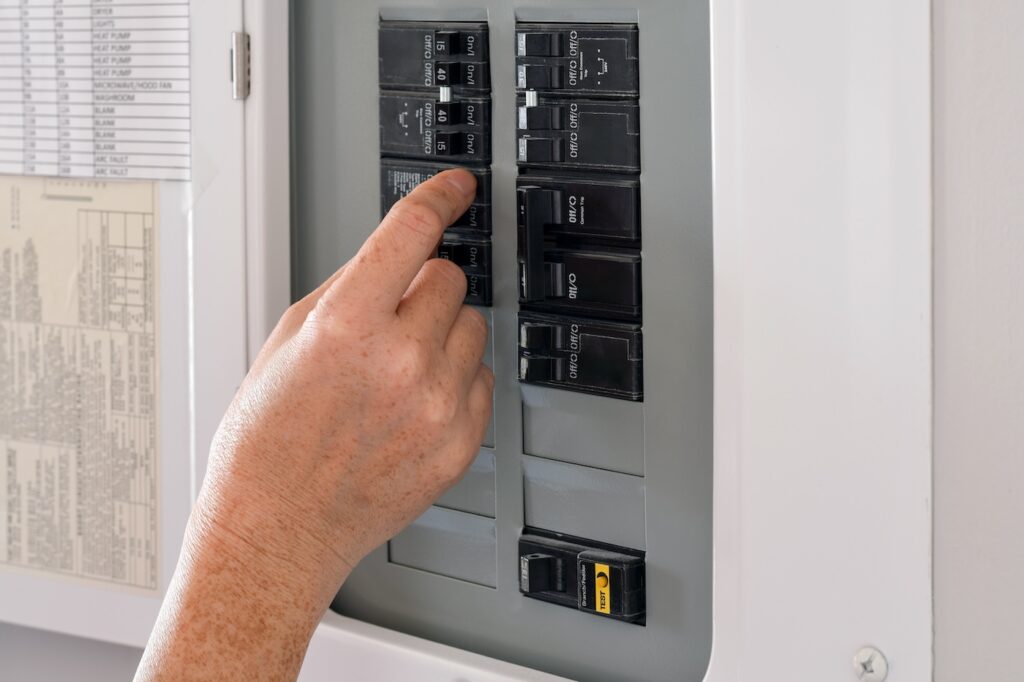
3. Look at the Circuit Breaker
Sometimes the issue is not with the HVAC equipment itself but with the power supply. A tripped breaker can shut the system down completely and make it appear that the unit has failed.
- Breaker panel: Look for a tripped switch connected to the furnace or AC
- Reset step: Flip it fully off, then back on once
- Repeat trips: Do not keep resetting if it trips again
4. Check Supply and Return Vents
Blocked vents can reduce comfort and force the system to work harder than it should. Furniture, rugs, or dust buildup around vents can prevent proper airflow throughout the home.
- Open vents: Make sure supply and return vents are fully open
- Clear obstructions: Move furniture or curtains away from vents
- Air balance: Check whether airflow is weak in only one room or throughout the home
5. Inspect the Outdoor Unit
If your cooling system is not working properly, the outdoor unit may be part of the problem. Dirt, leaves, or overgrown vegetation can restrict airflow and reduce cooling performance.
- Debris removal: Clear leaves, grass, and dirt from around the unit
- Coil visibility: Check for obvious buildup on the exterior fins
- Space around unit: Keep at least 2 to 3 feet of clearance
6. Listen for Unusual Noises or System Behavior
Noises and strange cycling patterns often provide clues about what is wrong. Banging, buzzing, or repeated short cycling usually point to deeper issues that need professional attention.
- Strange sounds: Note rattling, squealing, buzzing, or grinding
- Cycling pattern: Watch for the system turning on and off too often
- Performance changes: Pay attention to warm air, weak airflow, or rising humidity
Common HVAC Problems and What They May Mean
After going through the basic checks, the next step is understanding what certain symptoms usually indicate. While a proper diagnosis may still require a technician, these common issues can help narrow down what is happening.
Weak Airflow
Weak airflow often points to a clogged filter, blocked vents, blower issues, or duct problems. When airflow drops, your system has a harder time distributing conditioned air evenly through the home.
Warm Air During Cooling
If your air conditioner is running but blowing warm air, the problem may involve thermostat settings, low refrigerant, or outdoor unit performance. This is especially noticeable during hotter summer days when the system struggles to keep up.
Short Cycling
Short cycling happens when the system turns on and off too frequently instead of completing a normal heating or cooling cycle. This can be caused by thermostat issues, dirty filters, oversized equipment, or electrical faults.
What Troubleshooting Can and Cannot Solve
Basic troubleshooting is useful because it helps rule out simple causes before scheduling service. It can also give your technician a clearer picture of what the system is doing, which may speed up the repair process.

At the same time, troubleshooting has limits. Problems involving refrigerant, electrical wiring, motors, control boards, or gas components should be left to trained professionals for safety and proper repair.
Signs You Should Call a Professional Right Away
Some HVAC problems should not wait. If your system shows any of the warning signs below, it is best to stop troubleshooting and schedule service as soon as possible.
- Burning smell: May indicate overheating electrical parts
- Gas odor: Leave the area and call for help immediately
- Loud banging: Could point to failing mechanical components
- No heating or cooling: Complete performance loss needs prompt diagnosis
- Repeated breaker trips: Signals possible electrical or equipment problems
According to the U.S. Department of Energy, neglecting maintenance leads to reduced performance and increased energy use, which is why early attention to HVAC issues matters for both comfort and cost.
Common Questions About HVAC Troubleshooting
Homeowners often have similar questions when their system starts acting up. These answers can help you decide what to check first and when professional service makes the most sense.
How do I know if the thermostat is the problem?
If the display is blank, unresponsive, or set incorrectly, the thermostat may be the issue. Replacing batteries and checking settings are good first steps before assuming the HVAC equipment has failed.
Can a dirty filter really stop my HVAC system?
Yes, in some cases it can. A severely clogged filter can restrict airflow enough to cause overheating, shutdowns, frozen coils, or poor heating and cooling performance.
Should I reset my system if it is not working?
You can check the breaker and perform a basic reset once, but repeated resets are not a long-term solution. If the problem returns quickly, the system likely needs professional diagnosis.
What if the outdoor unit is running but the house is not cooling?
That usually means the problem could involve airflow, refrigerant, the indoor unit, or thermostat communication. It is a sign that the system is not completing the cooling process correctly.
Dependable Help From New Era Plumbing & HVAC
At New Era Plumbing & HVAC, we know that HVAC problems can be frustrating and disruptive. Our experienced team provides clear diagnostics, honest recommendations, and reliable service to get your system back on track.
If you have gone through the basic troubleshooting steps and your system still is not working properly, contact New Era Plumbing & HVAC today for professional help in Dracut, MA and nearby communities.