If you’re dealing with weak airflow or rising energy bills, understanding furnace filter replacement is one of the easiest ways to improve your heating system’s performance. A clean filter supports proper airflow, protects internal components, and helps maintain consistent temperatures throughout your home. Replacing your filter regularly can prevent unnecessary strain on your system and extend its lifespan. It is also one of the most cost-effective ways to keep your furnace running efficiently without major repairs.
- Clean filters improve airflow and system efficiency
- Dirty filters can restrict heating performance
- Regular replacement protects internal components
- Better filtration improves indoor air quality
- Homes in Chelmsford, MA rely on consistent heating in winter
Why Furnace Filter Replacement Matters
Your furnace filter plays a critical role in maintaining both system performance and indoor air quality. As air circulates through your home, the filter captures dust, debris, and airborne particles that would otherwise enter your heating system and settle in internal components.
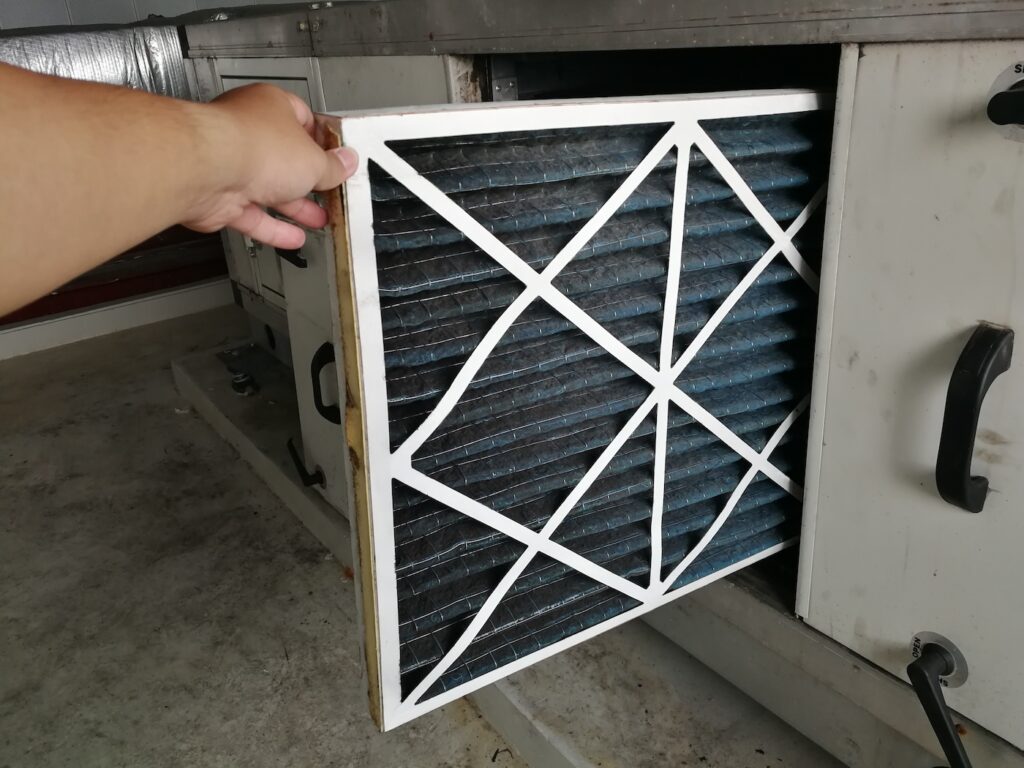
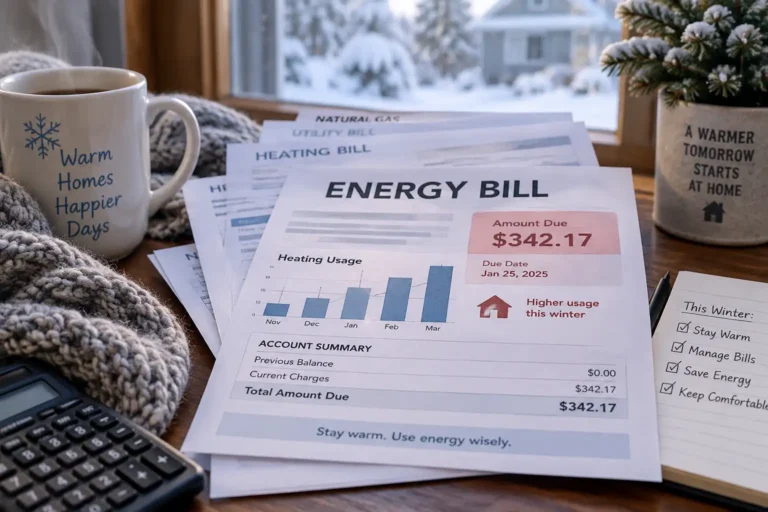
Over time, buildup restricts airflow, forcing your system to work harder to maintain temperature. This can increase energy usage, reduce comfort, and lead to unnecessary wear on your equipment if not addressed through regular maintenance. You can save 5% to 15% on energy bills by replacing dirty filters regularly, which highlights how important consistent filter replacement is for both efficiency and cost savings.
4 Step Furnace Filter Replacement Guide
Replacing your furnace filter is a straightforward process that most homeowners can handle on their own. Following the correct steps ensures your heating system continues to run efficiently and safely throughout the season. Taking a few minutes to complete this task can prevent larger issues and improve overall comfort.
1. Turn Off the Furnace
Before removing the filter, always turn off your heating system to prevent air from circulating while the filter is exposed. This protects your system and keeps dust from being pulled into internal components during the process.
- System safety: Prevents debris from entering the furnace
- Cleaner process: Stops air movement during removal
- Equipment protection: Reduces strain during maintenance
2. Locate the Furnace Filter
Furnace filters are typically found in the return air duct, near the blower compartment, or inside the furnace cabinet. Identifying the correct location ensures you are replacing the right component and not missing hidden access points.
- Return duct placement: Common in basements or utility rooms
- Blower compartment: Inside the furnace housing
- Access panel: May require opening a small door
3. Remove and Inspect the Old Filter
Carefully slide out the old filter and take a moment to inspect its condition. This helps you understand how often your filter needs to be replaced based on buildup and overall usage.
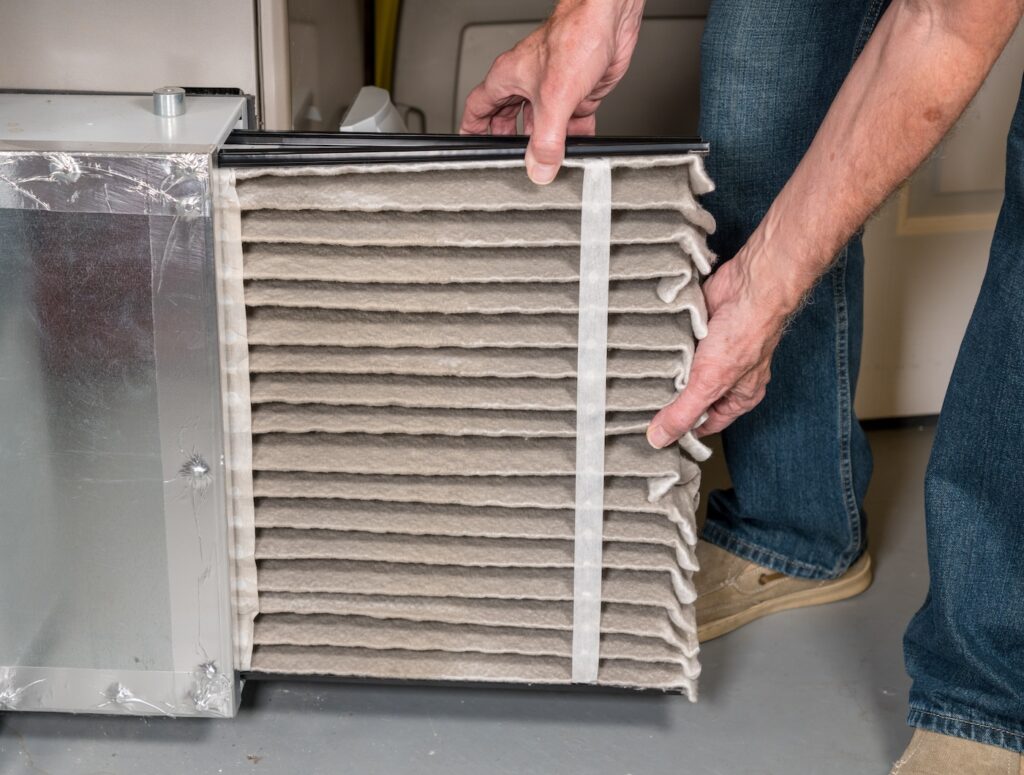
- Dust level: Check for visible dirt and debris
- Filter damage: Look for bending or tearing
- Replacement timing: Heavily clogged filters should be changed immediately
4. Install the New Filter Properly
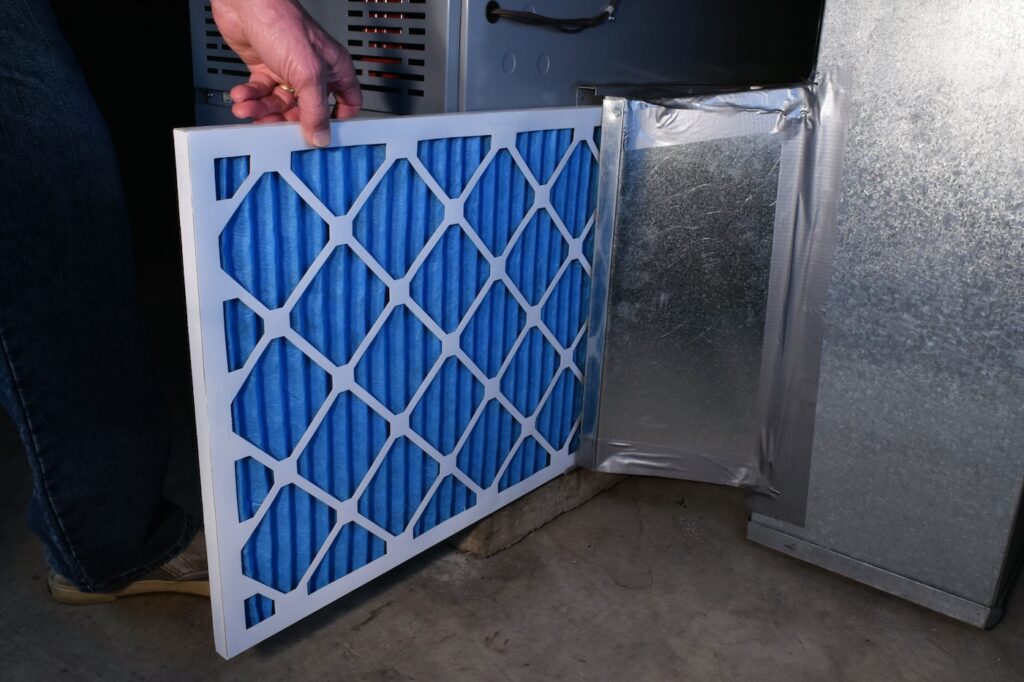
Insert the new filter in the correct direction, following the airflow arrows printed on the frame. Proper installation ensures your system operates efficiently and avoids airflow issues that could impact performance.
- Airflow direction: Match arrows with system airflow
- Secure fit: Ensure no gaps around the filter
- Final check: Confirm proper placement before restarting
Signs It’s Time to Replace Your Furnace Filter
Even if you are not tracking a schedule, your system will often show signs when the filter needs to be replaced. Recognizing these indicators can help you stay ahead of performance issues and avoid unnecessary strain on your furnace.
- Reduced airflow: Weak air coming from vents
- Dust buildup: More dust collecting around your home
- Uneven heating: Some rooms feel colder than others
- Higher energy bills: System working harder to heat
- Frequent cycling: Furnace turns on and off more often
Addressing these signs early helps maintain comfort, improve efficiency, and reduce long-term repair risks.
How Often Should You Replace Your Furnace Filter?
The ideal replacement schedule depends on your home, system usage, and indoor conditions. While general guidelines exist, factors like pets, allergies, and system runtime can impact how often filters need to be changed.
Homes with pets or higher dust levels may require monthly replacements, while others may be able to wait up to three months. Checking your filter regularly is the best way to determine the right schedule for your home. Staying consistent with replacement intervals helps prevent sudden performance issues.
Common Furnace Filter Types
Different filter types offer varying levels of performance and filtration. Choosing the right one helps balance airflow, efficiency, and indoor air quality while protecting your heating system.
- Fiberglass filters: Basic protection with lower cost
- Pleated filters: Better filtration and improved airflow
- Electrostatic filters: Reusable and effective for fine particles
- High-efficiency filters: Capture smaller allergens and pollutants
Selecting the right filter ensures your system runs efficiently without restricting airflow or causing unnecessary strain.
Common Questions About Furnace Filter Replacement
Homeowners often have questions about filter maintenance and how it affects their heating system. Understanding the basics helps you maintain better performance and avoid unnecessary issues over time.
How do I know what size filter I need?
Your current filter size is usually printed on the frame. If not, you can measure the length, width, and thickness to find the correct replacement size for your system and ensure a proper fit.
Can I use a higher efficiency filter?
Yes, but your system must be compatible. Higher-rated filters can restrict airflow if your furnace is not designed for them, so it’s important to choose the right balance for performance.
What happens if I don’t replace my filter?
A clogged filter can reduce airflow, increase energy usage, and cause your furnace to overheat. Over time, this can lead to system damage and costly repairs that could have been avoided.
Is furnace filter replacement something I can do myself?
Yes, most homeowners can replace filters easily with basic guidance. It is one of the simplest maintenance tasks you can perform to keep your heating system running efficiently year-round.
Reliable Heating Support from New Era Plumbing & HVAC
At New Era Plumbing & HVAC, we help homeowners keep their heating systems running efficiently with expert maintenance and dependable service. From routine filter replacements to full system inspections, our team ensures your furnace performs at its best.
If you need help with furnace maintenance or want to improve your home’s comfort, contact New Era Plumbing & HVAC in Chelmsford, MA today to schedule your service.