
Few HVAC diagnoses hit harder than a failed compressor. It is the most expensive single component in your air conditioning system, and when it goes, you are immediately faced with a decision that can feel overwhelming: repair the compressor, replace the whole unit, or something in between. Understanding AC compressor cost before you are standing in the heat with a broken system is one of the smartest things a homeowner can do. In 2026, most homeowners pay between $800 and $2,800 to replace an AC compressor, but the right answer for your home depends on several factors that go beyond the sticker price. Learn more about AC compressor replacement services and what the process involves. Here is what this guide covers:
- What the AC compressor does and why it fails
- 2026 cost ranges by system type and size
- 6 factors that affect what you will actually pay
- How to decide between compressor replacement and full system replacement
- Frequently asked questions homeowners ask when facing this repair
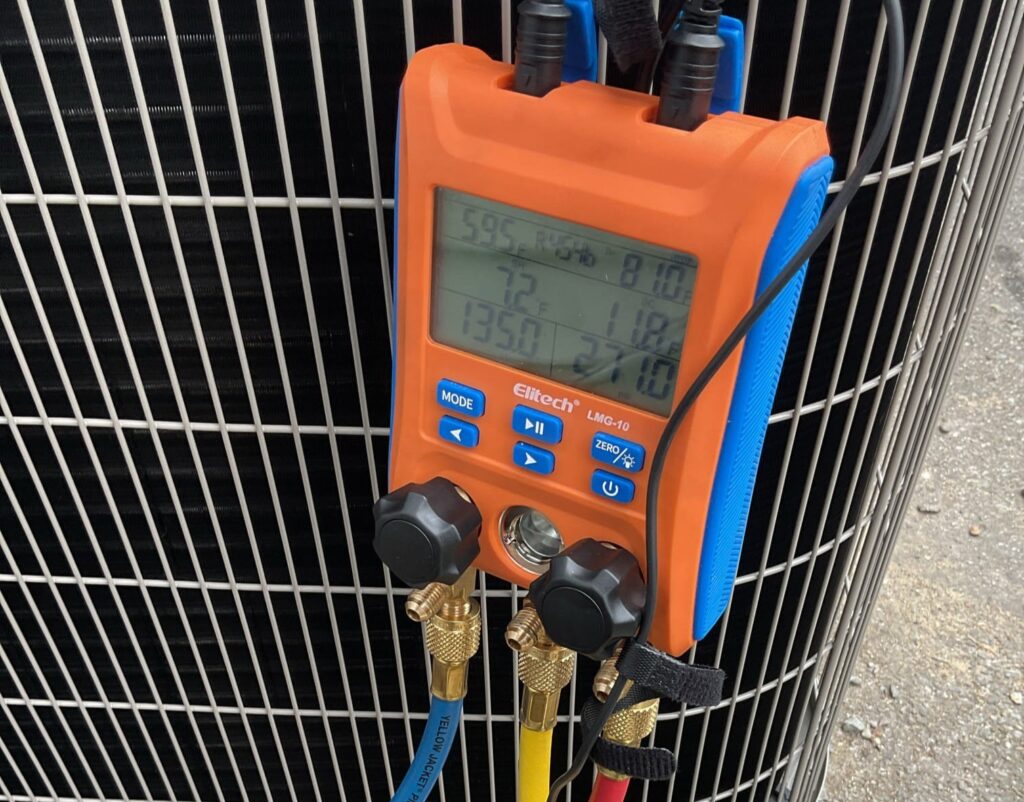
What the AC Compressor Does
The compressor is the engine of your cooling system. According to the U.S. Department of Energy, the compressor is the electric motor-driven pump that circulates refrigerant between the evaporator and condenser, making it the component that makes cooling physically possible. Without a functioning compressor, refrigerant cannot move through the system, heat cannot be removed from your home’s air, and the entire cooling cycle stops.
Because it runs every time your system is cooling, the compressor works harder than any other component. It is also the component most sensitive to problems elsewhere in the system. Low refrigerant levels from refrigerant leaks, dirty coils, electrical issues, and lack of maintenance all place extra strain on the compressor over time, which is why a failing compressor unit often comes as a surprise even when the underlying cause has been building for years.
AC Compressor Cost in 2026: By System Type
The type of system you have is the single biggest variable in compressor replacement cost. AC compressor ranges vary widely across HVAC system types, and larger, more complex systems carry higher part costs with labor that scales with the size and configuration of the unit.
| System Type | Compressor Cost (Part Only) | Installed Cost (Parts + Labor) |
| Window or portable AC | $150 to $500 | $300 to $700 |
| Mini-split system | $400 to $1,200 | $600 to $2,200 |
| Central AC (1.5 to 2 ton) | $500 to $900 | $700 to $1,400 |
| Central AC (2.5 to 3 ton) | $700 to $1,300 | $900 to $2,100 |
| Central AC (3.5 to 4 ton) | $900 to $1,600 | $1,100 to $2,800 |
| Heat pump system | $800 to $1,800 | $800 to $3,000 |
Labor alone typically runs $300 to $900 for a central system replacement, reflecting four to six hours of skilled technician time. Note that these ranges assume the existing refrigerant is R-410A. Systems that still use the discontinued R-22 refrigerant face significantly higher costs because R-22 is no longer produced in the United States, making it scarce and expensive to obtain.
Cost by Compressor Type
Beyond system size, the type of compressor your unit uses affects both part cost and efficiency. Here is how the three main residential compressor types compare.
- Single-stage compressor: Runs at full capacity whenever it operates. The least expensive type to replace, but also the least efficient option for maintaining consistent comfort. Most commonly found in older or entry-level systems.
- Two-stage compressor: Can operate at two speeds, which improves temperature consistency and efficiency. Mid-range in cost. Found in many mid-tier residential systems installed in the last 10 to 15 years.
- Variable-speed compressor: Adjusts output continuously to match demand. The most efficient type and the most expensive to replace, but delivers the best long-term operating costs and comfort. Common in higher-efficiency systems and most modern Bryant equipment.
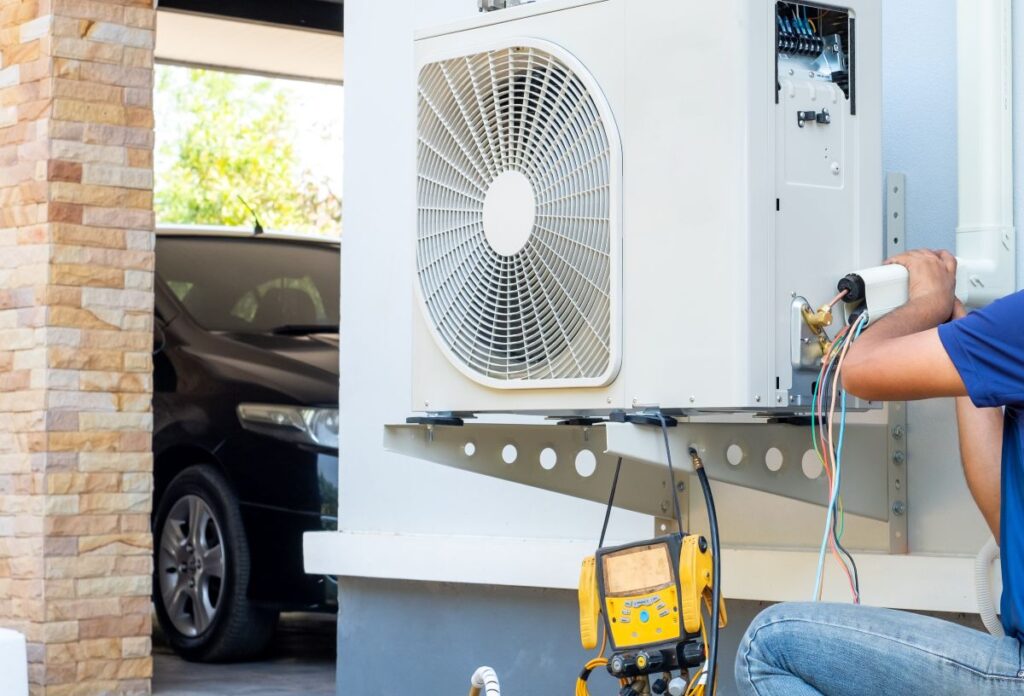
6 Factors That Affect Your AC Compressor Cost
1. Warranty Status
This is the single most important variable in your final cost. Most manufacturers offer a 10-year parts warranty on compressors when the system is registered at the time of installation. If the compressor fails within the warranty period, you pay only for labor, refrigerant, and incidentals, which typically brings the total down to $600 to $1,200. Always check your warranty documentation before accepting a quote for a full out-of-warranty replacement.
2. Refrigerant Type
Systems using R-410A refrigerant are the current residential standard and carry reasonable refrigerant costs. Systems still operating on R-22 face a very different situation. R-22 production was phased out in the United States under EPA regulations, and the remaining supply drives costs that can add $500 to $2,000 or more to a compressor replacement on an older system. For many homeowners with R-22 systems, the refrigerant cost alone tips the math toward full system replacement.
3. System Age and Overall Condition
A compressor replacement makes the most financial sense when the rest of the system is in good working order. If your unit is under 8 years old with no history of major repairs, replacing the compressor is typically the right call. If the system is 10 years or older, has a history of recurring issues, or has other components showing wear, the cost of the compressor replacement may be better applied toward a new system that comes with a full warranty and improved efficiency.
4. Labor Rates and Access
Compressor replacement is a labor-intensive job. The technician must recover the existing refrigerant, remove and replace the compressor, evacuate the system with a vacuum pump, recharge with refrigerant, and verify operation. Labor costs vary by region, and the Northeast, including the Salem, NH area, tends to run 10 to 30 percent above the national average. Difficult access situations, such as units mounted on rooftops or in confined spaces, also increase labor time and overall cost.
5. Additional Parts Required
A compressor failure rarely happens in isolation. When a compressor seizes or burns out, it can send metal debris or contamination through the refrigerant lines, damaging the expansion valve and potentially the coils. A thorough technician will flush the system and inspect related components before completing the replacement. Replacing a capacitor or contactor at the same time is common and typically adds $75 to $300. Replacing a contaminated coil is a more significant additional expense.
6. Emergency or Off-Season Timing
Compressors rarely fail in the off-season. Most calls come on the hottest days of summer when HVAC companies are at their busiest and emergency service rates apply. Scheduling a non-emergency replacement in early spring or late fall can reduce total cost by 10 to 20 percent compared to a peak-summer call. If your system is showing warning signs before the season begins, having it inspected proactively is always the smarter financial move.
Repair vs. Full System Replacement: How to Decide
This is the question homeowners dread because the cost difference feels significant. A faulty compressor does not automatically mean the whole system needs to go. Here is a clear framework for working through it.
Compressor replacement is usually the right choice when:
- The system is under 8 years old: The remaining system components still have substantial useful life, and a compressor swap preserves that investment.
- The compressor is under warranty: Out-of-pocket cost drops dramatically, making replacement the obvious choice.
- The rest of the system is in good condition: No significant history of repairs, clean coils, good refrigerant charge, functioning electrical components.
- The repair cost is under 50 percent of replacement value: A common industry guideline is that if the repair exceeds half the cost of a comparable new system, replacement becomes the stronger long-term value.
Full system replacement makes more sense when:
- The system is 10 or more years old: Replacing a compressor in an aging system often leads to the next expensive repair within a year or two as other components reach the end of their lifespan.
- The system uses R-22 refrigerant: Between the refrigerant cost and the compressor cost, replacement of the full system with a modern R-410A unit frequently makes more financial sense.
- Efficiency gains are significant: A new high-efficiency system eligible for Mass Save rebates or federal tax credits can offset a significant portion of the replacement cost while delivering lower energy bills and reduced monthly cooling bills for years to come.
- Multiple components have failed: If the compressor failure coincides with a failing coil, aging capacitors, or other known issues, you are compounding repair costs on an older system.
We’re proud to serve home and business owners in Salem, NH, and nearby communities with AC compressor replacement, system diagnostics, and more. The humid summers in southern New Hampshire put real demand on cooling systems, making a properly functioning compressor essential from June through September.
Common FAQs About AC Compressor Cost
How do I know if my compressor has actually failed?
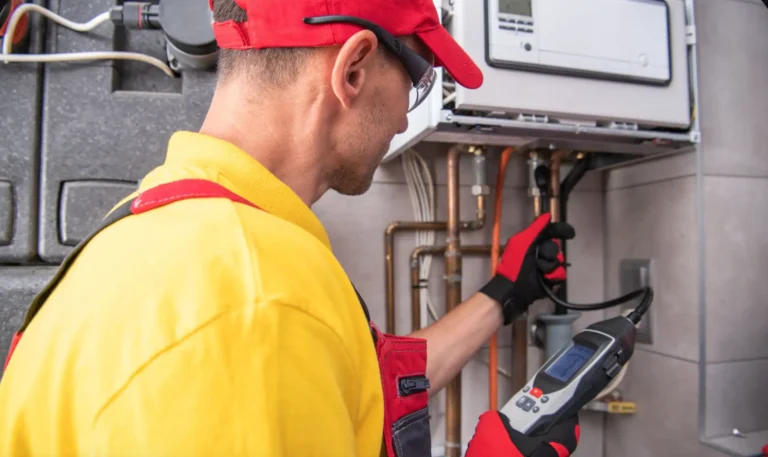
Common symptoms include warm air blowing from your vents despite the AC unit running, the outdoor unit humming but not starting, the circuit breaker tripping repeatedly when the AC turns on, and grinding or rattling sounds from the outdoor unit. However, compressor failure symptoms can mimic other problems. An HVAC diagnostic visit confirms the actual cause before any repair work is recommended. New Era technicians can typically schedule same-day assessments.
Can an AC compressor be repaired rather than replaced?
In most residential cases, no. Compressors are hermetically sealed units, meaning the internal components are not serviceable on-site. When a compressor fails in an air conditioner, replacement of the entire unit is the standard approach. Minor issues like a failing capacitor that prevent the compressor from starting can sometimes be repaired, which is why a proper diagnosis before replacement is important.
Does homeowner’s insurance cover a failed compressor?
Generally, no. Homeowner’s insurance covers sudden, accidental damage from covered events such as a lightning strike, but it does not cover mechanical failure due to normal wear, age, or lack of maintenance. A home warranty policy with HVAC coverage may cover a compressor failure, though the scope and speed of coverage varies by policy. Review your documentation before your system fails.
How long should a replacement compressor last?
A properly installed replacement compressor in a well-maintained system can last 10 to 15 years. Longevity depends heavily on keeping the surrounding system in good condition, maintaining clean coils and proper refrigerant charge, replacing filters regularly, and scheduling annual preventive maintenance. A replacement compressor in a neglected or aging system will not last as long as one in a well-maintained unit.
Is it worth replacing the compressor in a system that is out of warranty?
It depends on the age and overall condition of the system. If the unit is relatively young, under 8 years old, and in otherwise good condition, an out-of-warranty compressor replacement is often still the right financial decision. If the system is approaching 10 years or has a history of repairs, the total cost of the compressor replacement may be better invested in a new AC unit with a fresh warranty and improved efficiency ratings.
New Era Plumbing & HVAC: Honest Diagnoses, No Pressure
A compressor failure is stressful, and the last thing you need is a technician pushing you toward the most expensive solution without giving you the full picture. At New Era Plumbing & HVAC, we start every compressor call with a thorough diagnostic so you know exactly what failed, why it failed, and what your real options are. We will tell you honestly whether a replacement compressor or a full system upgrade makes more sense for your specific situation, and we will back our recommendation with clear, itemized pricing before any work begins. Our team has been serving Massachusetts and southern New Hampshire for over 15 years, and we are Bryant Dealers with the training and parts access to do the job right.
If your system is showing warning signs or has already stopped cooling, do not wait for the situation to get worse. Contact our team today to schedule your diagnostic and get an honest assessment of your options.