
If you’re considering tankless water heater installation, understanding the process can help you make a more confident decision for your home. Tankless systems provide hot water on demand, improve energy efficiency, and eliminate the need for bulky storage tanks. However, installation involves several important considerations, including sizing, fuel type, venting requirements, and upfront cost.
- Tankless systems heat water only when needed
- Installation may require plumbing or electrical upgrades
- Proper sizing is critical for performance
- Energy efficiency can reduce long-term operating costs
- Homes in Lawrence, MA often upgrade older water heating systems
What Is a Tankless Water Heater?
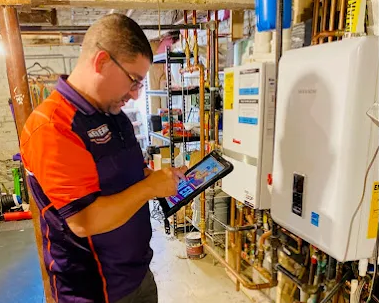
A tankless water heater heats water on demand instead of storing heated water in a large tank. When a hot water faucet is turned on, cold water travels through the unit where it is heated instantly by either gas burners or electric heating elements.
While tankless water heaters have higher upfront costs and more complex installation requirements, they can last longer than traditional tank water heaters, often providing a lifespan of over 20 years compared to 10-15 years for tank models.
How Tankless Water Heater Installation Works
Installing a tankless system involves more than simply replacing an old unit. The installation process often includes adjustments to plumbing, venting, gas supply, or electrical systems depending on the type of unit being installed.
1. Evaluate Household Hot Water Demand
The first step is determining how much hot water your household uses during peak times. Proper sizing ensures the unit can supply enough hot water for showers, appliances, and fixtures simultaneously.
- Flow rate calculation: Measure gallons per minute usage
- Fixture demand: Account for showers, sinks, and appliances
- System sizing: Match unit capacity to household needs
2. Remove the Existing Water Heater
If replacing an older system, the current hot water heater must be disconnected and removed safely. This may involve draining the tank and disconnecting utility lines.
- Tank draining: Remove existing stored water safely
- Utility disconnects: Shut off water, gas, or electricity
- Old equipment removal: Clear space for new installation
3. Upgrade Plumbing or Utility Connections
Some homes require additional upgrades before a tankless system can be installed properly. Older plumbing or utility connections may not support the new equipment.
- Gas line upgrades: Support higher fuel demand if needed
- Electrical adjustments: Required for electric tankless units
- Water line modifications: Ensure proper water flow and pressure
4. Install the Tankless Unit
Once preparation is complete, the new unit is mounted and connected to the plumbing and utility systems. Proper installation ensures safe operation and reliable performance.
- Wall mounting: Secure compact unit placement
- Connection setup: Attach water, venting, and utility lines
- System integration: Ensure all components operate correctly
5. Test the System and Finalize Installation
After installation, the system must be tested to confirm proper performance, temperature control, and safe operation. Final inspections ensure everything meets code requirements.
- Leak inspection: Check plumbing connections carefully
- Temperature testing: Confirm consistent hot water delivery
- System startup: Verify safe and efficient operation
Tankless Water Heater Installation Costs
Installation costs vary depending on the type of unit, home layout, and any upgrades required during the process. While tankless systems often have a higher upfront cost than traditional units, many homeowners choose them for long-term efficiency benefits.
| Installation Factor | Potential Cost Impact |
| Unit size and capacity | Larger systems cost more |
| Gas line upgrades | May increase labor costs |
| Electrical upgrades | Needed for electric models |
| Venting requirements | Additional materials and labor |
| Plumbing modifications | Varies based on existing setup |
Although installation costs may be higher initially, tankless systems can help lower operating costs over time through improved energy efficiency.
Benefits of Tankless Water Heaters
Many homeowners choose tankless systems because of their efficiency, compact size, and long-term performance advantages. Understanding these benefits helps determine whether upgrading makes sense for your home.
Energy Efficiency
Tankless systems avoid continuously heating stored water, which helps reduce wasted energy throughout the day. This can improve overall efficiency and reduce utility costs.
Endless Hot Water
Because water is heated on demand, tankless systems can continue producing hot water as long as the unit is sized properly for household usage.
Space Savings
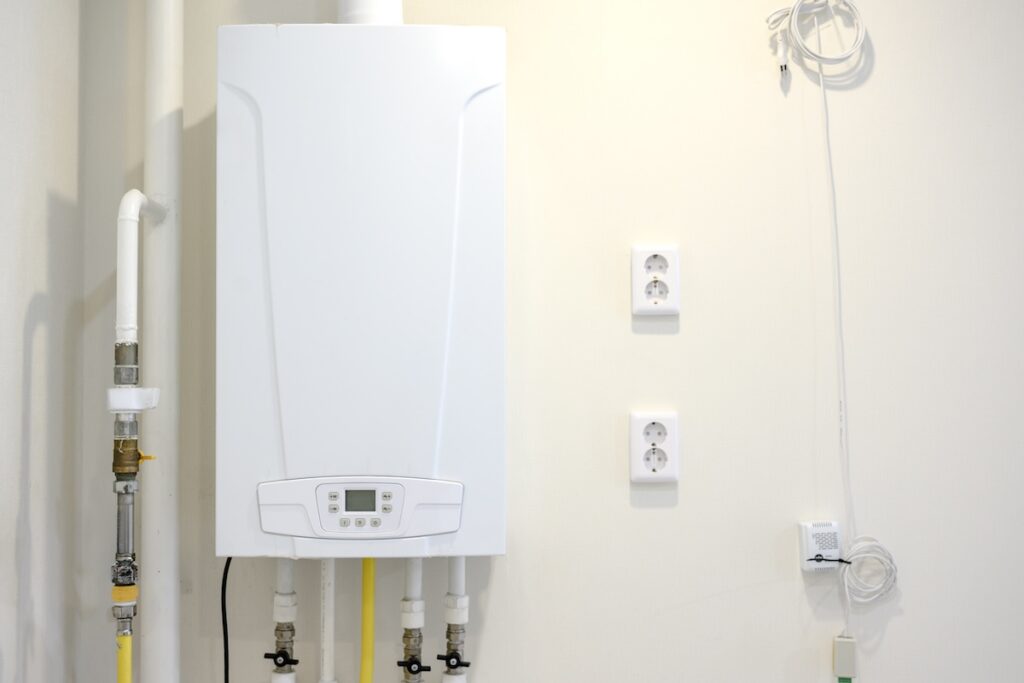
Tankless units are mounted on walls and take up significantly less space than traditional storage tank systems, making them ideal for smaller utility areas.
Tankless Water Heater Maintenance
Like any plumbing appliance, tankless systems require regular maintenance to continue operating efficiently and reliably. Proper maintenance helps reduce mineral buildup, protect internal components, and extend the lifespan of the unit.
Homes in Lawrence, MA with hard water conditions may need more frequent servicing because minerals can accumulate inside the heat exchanger over time. Routine maintenance also helps maintain water flow and ensures the system continues producing consistent hot water.
Flushing the System
Tankless systems should be flushed regularly to remove scale and mineral deposits from internal components. This process helps prevent reduced efficiency and overheating.
- Mineral removal: Hard water can rapidly scale the internal heat exchanger of tankless units, necessitating routine maintenance
- System efficiency: Maintain strong heating performance
- Long-term protection: Reduce wear on internal parts
Cleaning the Inlet Filter
Most tankless systems include an inlet filter that helps prevent debris from entering the unit. Cleaning this filter supports proper water flow and system reliability.
- Debris removal: Prevent blockage inside the unit
- Flow support: Maintain consistent water pressure
- Routine upkeep: Improve long-term performance
Inspecting Venting and Connections
Gas-powered systems rely on proper venting and secure utility connections for safe operation. Regular inspections help identify wear or damage early. Venting requirements differ based on whether the tankless heater is gas or electric, with gas models needing specialized venting materials.
- Vent inspection: Ensure exhaust pathways remain clear
- Connection checks: Inspect water and gas lines
- Safety monitoring: Confirm proper system operation
Common Challenges During Installation
While tankless systems offer many advantages, installation can involve additional considerations depending on the condition of the home’s plumbing and utilities.
- Insufficient gas supply: Existing gas lines may need upgrades
- Electrical limitations: Older panels may need modifications
- Venting requirements: Gas units require proper exhaust venting
- Water quality concerns: Hard water may require treatment systems
- Permitting requirements: Local plumbing codes must be followed
Working with experienced professionals helps ensure these challenges are addressed correctly during installation.
What to Expect After Installation
After installation, homeowners often notice improvements in efficiency and available hot water. However, tankless systems also require regular maintenance to maintain performance.
Routine flushing helps prevent mineral buildup inside the heat exchanger, especially in areas with hard water. Proper maintenance supports long-term reliability and helps the system operate efficiently for years.
According to the U.S. Department of Energy, tankless water heaters can be 24% to 34% more energy efficient than conventional storage tank water heaters for homes using 41 gallons or less of hot water daily. This efficiency is one reason many homeowners choose tankless upgrades.
Common Questions About Tankless Water Heater Installation
Homeowners often have questions about installation timelines, maintenance, and long-term performance. Understanding these details can help set realistic expectations.
How long does tankless water heater installation take?
The installation of a tankless water heater typically takes between 4 to 8 hours, depending on the complexity of the setup.
Do tankless water heaters need maintenance?
Yes, regular maintenance is important to remove mineral buildup and maintain efficiency. Systems in hard water areas may require more frequent flushing.
Can a tankless system replace any existing water heater?
In most cases, yes, but some homes require upgrades to gas lines, electrical systems, or venting before installation can be completed safely.
Are tankless water heaters worth the cost?
For many homeowners, the long-term energy savings, space efficiency, and endless hot water make tankless systems a worthwhile investment despite the higher upfront cost.
Upgrade Your Hot Water System with New Era Plumbing & HVAC

At New Era Plumbing & HVAC, we provide professional tankless water heater installation designed for long-term efficiency and dependable performance. Our experienced team helps homeowners choose the right system and ensures every installation is completed safely and correctly.
If you’re considering upgrading your hot water system, contact New Era Plumbing & HVAC in Lawrence, MA today to schedule your consultation.