
If you’ve started noticing small insects hovering around sinks or drains, learning about drain flies can help you stop the problem before it spreads throughout your home. Drain flies thrive in damp environments where organic buildup collects inside plumbing lines and drains. While they may seem harmless at first, a drain fly infestation can quickly become frustrating if the source is not properly addressed.
- Drain flies are attracted to moist organic buildup inside drains
- Slow drains and standing water often contribute to infestations
- Kitchens, bathrooms, and basements are common problem areas
- Proper drain cleaning helps eliminate breeding sites
- Homes in Wilmington, MA can experience drain fly issues year-round
What Are Drain Flies?
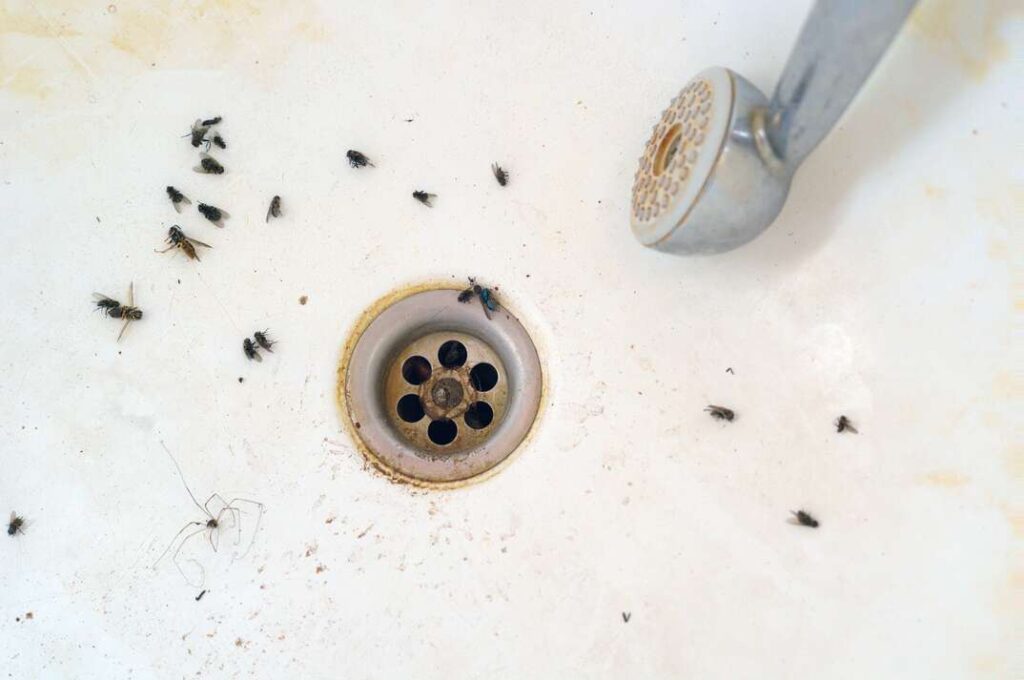
Drain flies are small insects commonly found near sinks, tubs, floor drains, and other damp plumbing areas. They are sometimes called sewer flies because of their tendency to gather around drains and wastewater systems connected to a sewer or septic system.
These pests are usually gray or dark brown and tend to fly in short bursts rather than continuously. Adult flies are attracted to stagnant water and decaying organic material that collects inside drain pipes and plumbing systems.
Drain Fly Identification
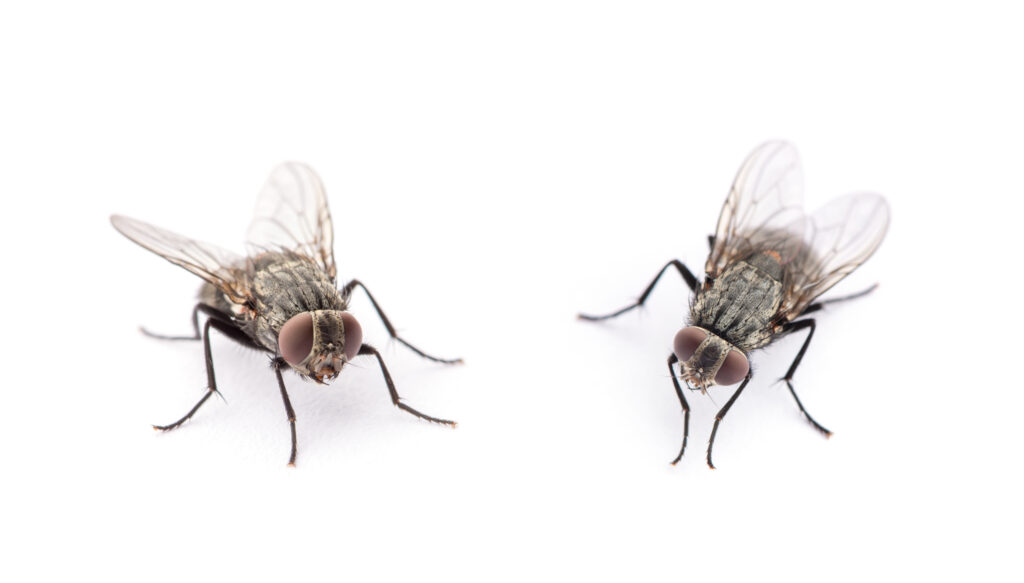
Correctly identifying drain flies is important because they are often confused with fruit flies or gnats. Understanding their appearance and behavior helps homeowners target the right source and eliminate the infestation more effectively. Clear adhesive tape can be used over a drain to confirm the presence of drain flies by capturing them.
Drain flies have fuzzy wings, small round bodies, and weak flying patterns. Their wings are large in proportion to their bodies, rounded, and hairy, often described as having a leaf-like shape. Drain flies are very small, roughly one-eighth of an inch long, with a brown-gray or black, hairy body. Unlike fruit flies, they are usually found directly around drains, floor drains, or areas with excess moisture rather than around produce or trash bins.
- Moth-like appearance: Fuzzy wings and compact body shape
- Weak flying pattern: Short hopping or fluttering movement
- Drain activity: Usually found near plumbing fixtures and drains
Understanding the drain fly life cycle is also important. Drain fly larvae develop inside moist organic buildup, then mature into adult flies that continue reproducing if conditions remain favorable.
What Causes Drain Flies?
Drain flies do not appear randomly. They are usually drawn to environments where moisture and organic buildup create ideal breeding conditions.
Common causes include clogged drains, standing water, food scraps, leaky pipes, and dirty drain lines. In some homes, rarely used plumbing fixtures can also become breeding grounds because water remains stagnant for long periods. Homes connected to an older septic system may also experience increased drain fly activity if drainage issues are present.
5 Common Places Drain Flies Develop
Drain flies can appear in several areas throughout a home, especially where moisture and buildup are present. Identifying the source is one of the most important steps toward eliminating them permanently.
1. Bathroom Sink Drains
Bathroom drains often collect soap residue, hair, and debris that create an ideal environment for drain flies. Moisture inside the drain allows drain fly larvae to develop over time.
- Organic buildup: Soap scum and debris inside pipes
- Constant moisture: Damp conditions support breeding
- Slow drainage: Increases buildup inside the drain
2. Kitchen Drains
Kitchen sinks frequently accumulate grease, food scraps, and residue that attract pests. These materials can coat the inside of drain pipes and support infestations.
- Food buildup: Organic waste collecting in pipes
- Grease residue: Sticky buildup inside drains
- Standing water: Moisture supporting larvae growth
3. Basement Floor Drains
Basement drains are often overlooked and may dry out or collect stagnant water over time. This creates a hidden environment where drain flies can multiply.
- Low usage: Stagnant drain conditions
- Moist environments: Humid basements increase risk
- Hidden infestations: Activity may go unnoticed initially
4. Laundry Room Drains
Lint, detergent residue, and moisture can build up around washing machine drains and utility sinks. These areas may become breeding locations if not cleaned regularly.
- Lint accumulation: Organic material trapped in drains
- Water residue: Moisture remaining after washing cycles
- Drain buildup: Soap and debris collecting over time
5. HVAC Condensate Drains
Air conditioning systems create condensation that drains through dedicated lines. If these lines become clogged or dirty, drain flies may appear nearby.
- Condensation buildup: Constant moisture source
- Dirty drain lines: Organic residue inside piping
- Indoor humidity: Supports insect activity
Health Concerns Associated with Drain Flies
While drain flies are are generally considered a nuisance and are not directly harmful to humans, they can still create sanitation concerns inside the home. Their presence often signals excess moisture, bacteria buildup, or plumbing problems that should not be ignored.
A growing drain fly infestation may indicate clogged drains, hidden leaks, or waste buildup connected to your sewer or septic system. Drain fly larvae develop inside organic material that can contain bacteria and unsanitary debris. In severe cases, persistent moisture from leaks or standing water can also contribute to mold growth and indoor air quality concerns.
Although sewer flies are not known for spreading disease directly, they can still contaminate surfaces by landing around sinks, drains, and nearby food preparation areas. Addressing the source quickly helps reduce moisture issues and prevents the infestation from expanding throughout the home.
Getting Rid of Drain Flies for Good
Successfully getting rid of drain flies requires more than simply killing the visible insects. The most effective way to prevent drain fly infestations is to eliminate their breeding places by cleaning drain pipes and traps to remove bacterial scum and organic matter.
Clean the Drain Thoroughly
To effectively eliminate drain flies, it is essential to clean drains, pipes, and breeding spots using a drain brush or enzyme cleaners to break down organic buildup.
- Drain brushing: Scrub buildup from pipe walls
- Pouring boiling water: Help loosen debris inside drains
- Enzyme cleaners: Break down organic material safely
Using baking soda followed by hot water can also help loosen buildup naturally in lightly clogged drains.
Eliminate Standing Water
Drain flies thrive in damp, organic-rich areas, which often develop when water flow is restricted, making clogged drains and standing water ideal breeding grounds.
- Fix leaky pipes: Stop moisture accumulation around drains
- Dry surfaces: Reduce damp conditions near plumbing
- Flush unused drains: Prevent stagnant water buildup
Use Simple Trap Methods
Homemade traps may help reduce visible adult flies while you clean the source of the infestation. These methods are most effective when combined with proper drain cleaning.
- Apple cider vinegar trap: Attract and trap adult flies
- Sticky traps: Monitor activity around drains
- Drain monitoring: Identify the most active breeding area
Inspect for Hidden Plumbing Problems
Persistent infestations may indicate larger plumbing concerns beneath sinks or behind walls. Hidden leaks and damaged drain lines can continue attracting pests if not repaired.
- Pipe inspection: Check for hidden leaks
- Drain condition: Identify buildup or damage
- Professional evaluation: Address ongoing issues properly
Why Drain Cleaning Matters
Routine drain maintenance helps prevent the buildup that attracts drain flies in the first place. Keeping drains clean supports healthier plumbing performance and reduces odor issues throughout the home.
According to the Environmental Protection Agency, moisture control is one of the most effective ways to prevent pest and mold problems indoors. Addressing excess moisture and drain buildup early can help stop infestations before they spread.
Common Questions About Drain Flies
Homeowners often have questions about where drain flies come from and how long they last. Understanding the causes helps prevent recurring infestations.
Are drain flies harmful?
Drain flies are not known to bite or spread disease directly, but they can indicate unsanitary drain conditions or hidden plumbing issues that should be addressed promptly.
How long do drain flies live?
Adult flies typically live for about two weeks, but they reproduce quickly. Without removing the breeding source, new flies can continue appearing regularly.
Will bleach get rid of drain flies?
Bleach may kill some larvae temporarily, but it usually does not remove the organic buildup where drain flies breed. Thorough cleaning is generally more effective long term.
Why do drain flies keep coming back?
Recurring infestations usually mean the breeding source was not fully removed. Hidden buildup, standing water, clogged drains, or plumbing leaks can continue supporting drain fly activity.
Keep Your Plumbing Clean with New Era Plumbing & HVAC

At New Era Plumbing & HVAC, we help homeowners identify drain issues, eliminate buildup, and improve plumbing performance throughout the home. From stubborn drain problems to hidden leaks, our team provides dependable solutions that help prevent recurring pest issues.
If you’re dealing with drain flies or persistent plumbing concerns, contact New Era Plumbing & HVAC in Wilmington, MA today to schedule professional service.