
If you’re noticing recurring drain issues or unpleasant odors around your property, understanding sewer line repair can help you act before the problem becomes more serious. Sewer lines are responsible for carrying wastewater away from your home, and when they become damaged, the effects can impact your plumbing system, yard, and even your foundation. Knowing the warning signs and repair options can help homeowners make informed decisions and avoid larger repair costs.
- Sewer line problems often start with slow drains or backups
- Tree roots and aging pipes are common causes of damage
- Early repairs can prevent major property damage
- Modern repair methods may reduce excavation needs
- Homes in Andover, MA often deal with aging underground plumbing systems
What Causes Sewer Line Damage?
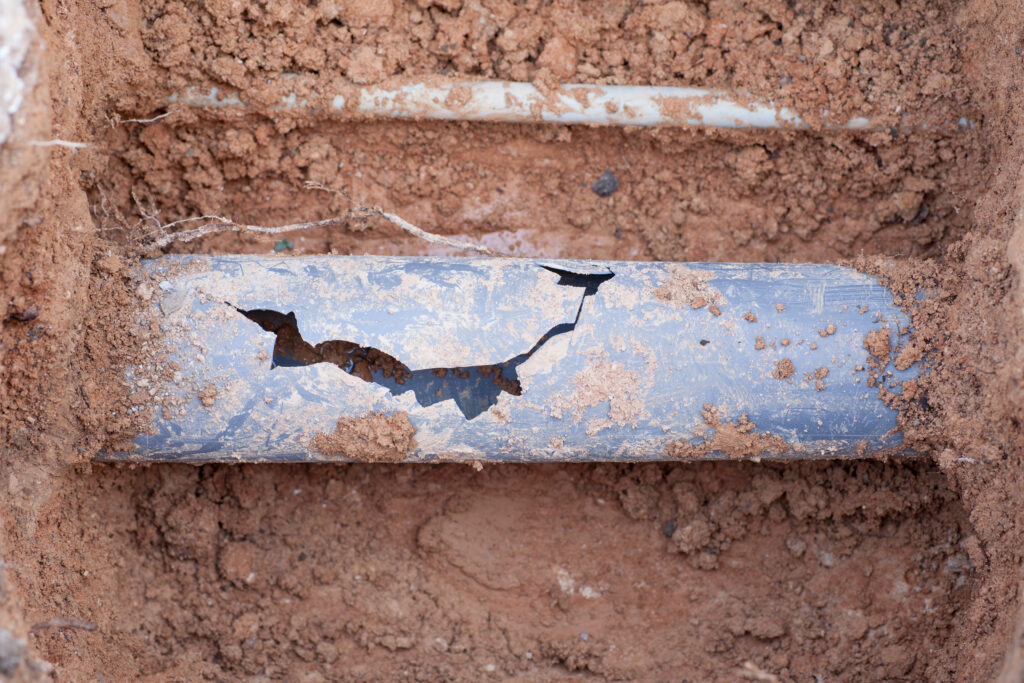
Sewer lines can fail for several reasons, especially as pipes age or underground conditions shift over time. Some issues develop gradually while others happen suddenly due to external pressure or blockages.
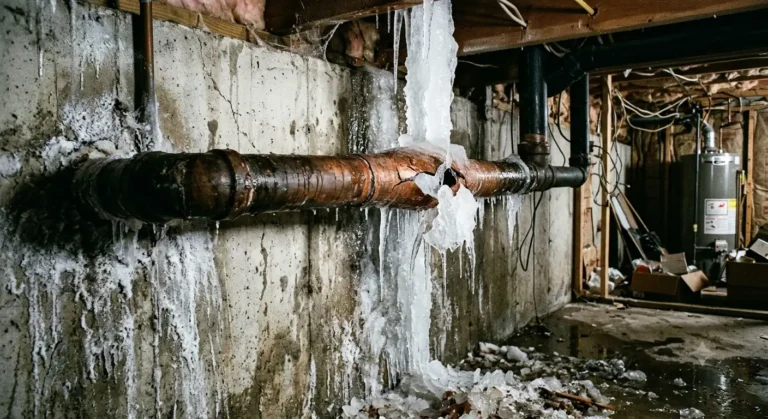
Common causes include tree root intrusion, pipe corrosion, shifting soil, grease buildup, and cracked pipes. In colder climates like Andover, MA, freeze and thaw cycles can also place stress on underground plumbing systems and increase the risk of damage.
6 Signs You May Need Sewer Line Repair
Sewer line issues rarely happen without warning. Warning signs of sewer line problems include multiple slow drains, sewer odors, lush green patches in the yard, gurgling noises, and sewage backups.
1. Multiple Slow Drains
If several drains throughout your home are draining slowly at the same time, the issue may be deeper within the sewer line rather than a single fixture clog. This is one of the most common early warning signs of sewer problems.
- Multiple fixtures affected: Sinks, tubs, and toilets draining slowly
- Recurring backups: Problems return after plunging or snaking
- Drainage issues: Water moves sluggishly through the system
Experiencing sewage backups in your toilet, sink, or shower is one of the most obvious signs of a sewer line issue and requires immediate attention.
2. Frequent Drain Backups
Repeated backups are often a sign that wastewater cannot move through the sewer line properly. Ignoring backups can eventually lead to serious water damage and sanitation concerns.
- Toilet overflows: Wastewater backing into fixtures
- Low drain performance: Water returning into sinks or tubs
- Persistent clogs: Repeated blockage despite cleaning attempts
3. Unpleasant Sewer Odors
A properly functioning sewer system should remain sealed and odor-free. If you notice foul smells around drains or outside your home, damaged pipes or leaks may be allowing sewer gases to escape.
- Indoor odors: Smells near sinks, toilets, or drains
- Outdoor smells: Sewage odor in yard areas
- Pipe leaks: Cracks allowing gas to escape
4. Wet Spots or Sinkholes in the Yard
Unusually green or soggy patches in your yard can indicate a leaking sewer line, as the leaking water can fertilize the soil, making it more vibrant than surrounding areas.
- Soft ground: Areas of soggy or unstable soil
- Lawn damage: Extra green patches from wastewater leaks
- Ground settling: Small sinkholes forming above pipes
5. Mold or Water Damage Indoors
Leaks connected to sewer line issues can increase indoor moisture and create conditions for mold growth. Water damage may appear on floors, walls, or near plumbing areas.
- Musty odors: Signs of hidden moisture buildup
- Wall staining: Water damage around lower walls
- Mold growth: Excess humidity caused by leaks
6. Pest or Rodent Activity
Damaged sewer lines can attract pests searching for water or entry points into the home. Cracked pipes may also allow rodents to travel through plumbing systems.
- Increased insects: Drain flies or cockroach activity
- Rodent presence: Unexpected pest issues indoors
- Pipe openings: Cracks creating access points
Common Sewer Line Repair Methods
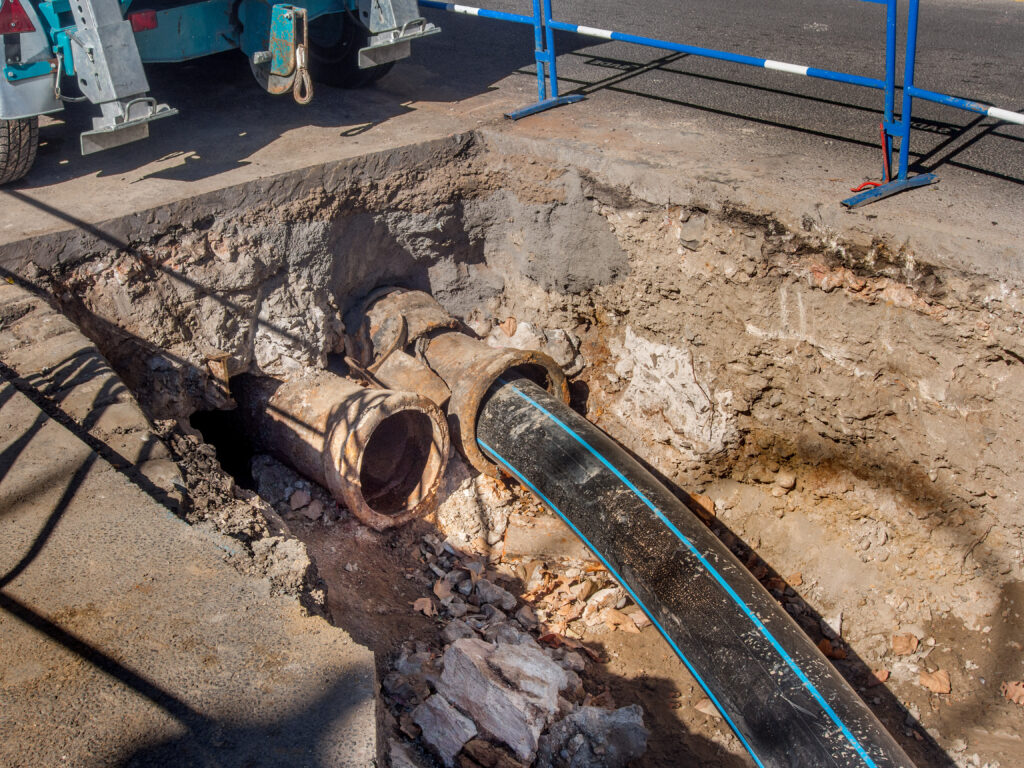
The right repair method depends on the severity of the damage, pipe condition, and accessibility of the line. Modern repair options often reduce disruption compared to older excavation methods.
Traditional Sewer Line Repair
Traditional repair involves digging to expose and replace damaged sections of pipe. This method is often necessary for severely collapsed or heavily damaged lines.
- Direct pipe access: Allows full replacement of damaged sections
- Extensive excavation: May impact landscaping or driveways
- Long-term solution: Effective for major structural damage
Trenchless Sewer Repair
Trenchless sewer repair allows plumbers to repair underground pipes with minimal disruption to your property. Repair methods, such as CIPP lining and pipe bursting, can be more cost-effective in the long run as they require less labor and reduce the need for extensive landscape restoration compared to traditional excavation methods.
- Minimal digging: Preserves landscaping and hardscaping
- Pipe lining methods: Reinforce damaged pipes internally
- Faster turnaround: Often completed quicker than traditional excavation
Trenchless sewer repair is especially useful when sewer lines run beneath driveways, patios, or established landscaping that homeowners want to protect.
Spot Repairs
Some sewer problems are isolated to one damaged section of pipe. Spot repairs focus only on the affected area rather than replacing the entire line.
- Targeted repair: Fix specific damaged locations
- Lower cost: Less extensive labor and excavation
- Efficient solution: Useful for isolated cracks or leaks
Emergency Sewer Repair Situations
Some sewer problems require immediate attention to prevent property damage and sanitation hazards. Emergency sewer repair is often necessary when wastewater backs up into the home or a sewer line collapses unexpectedly.
If you notice sewage backups, strong odors throughout the home, or standing wastewater around drains, it is important to contact a professional immediately. Delaying repairs during a sewer emergency can increase damage to flooring, walls, and nearby plumbing systems.
- Sewage backups: Wastewater entering sinks or tubs
- Flooding concerns: Water damage spreading indoors
- Health risks: Exposure to contaminated wastewater
- Urgent response: Fast repairs help limit property damage
What Happens During a Sewer Line Inspection?
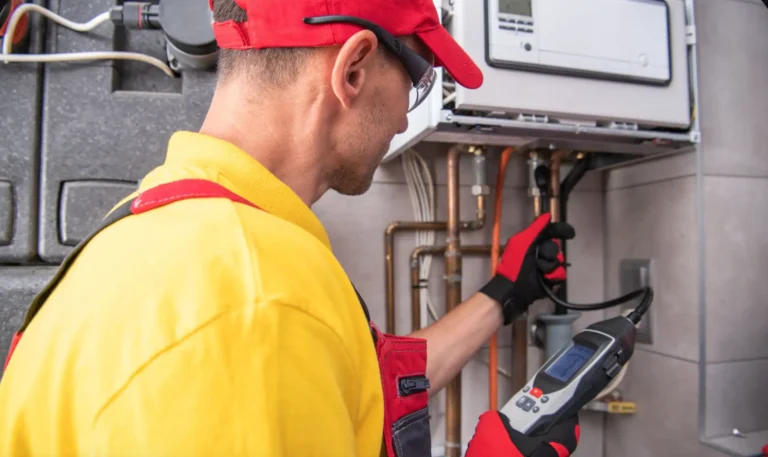
Before repairs begin, plumbers typically perform a sewer camera inspection to locate the problem accurately. This process helps determine the condition of the pipe and identify the best repair method.
A small camera is inserted into the sewer line to inspect blockages, cracks, root intrusion, and other damage. This technology allows technicians to diagnose problems without unnecessary digging or guesswork.
Sewer Line Maintenance Tips for Homeowners
Regular maintenance of sewer lines, including inspections and cleanings, is crucial for preventing severe issues such as backups, clogs, and water damage to property. Preventative care is one of the best ways to extend the lifespan of your plumbing system.
- Avoid grease disposal: Never pour grease down drains
- Limit flushing items: Only flush approved materials
- Schedule inspections: Catch problems before major damage occurs
- Watch tree placement: Keep roots away from sewer lines
- Clean drains regularly: Prevent buildup and slow drainage
According to the Environmental Protection Agency, household leaks and plumbing problems can waste nearly 10,000 gallons of water annually, making early sewer and plumbing maintenance important for both efficiency and property protection.
Common Questions About Sewer Line Repair
Homeowners often have concerns about sewer line damage, repair timelines, and what to expect during the process. These answers help clarify common questions.
How long does sewer line repair take?
The timeline depends on the severity of the issue and the repair method used. Some trenchless repairs may be completed within a day, while traditional excavation can take longer.
Does sewer line repair require digging?
Not always. Trenchless sewer repair methods can reduce excavation significantly, although severe damage may still require traditional digging and replacement.
Can tree roots really damage sewer pipes?
Yes, tree roots naturally seek moisture and can enter small cracks in sewer pipes. Over time, roots can expand and create serious blockages or pipe damage.
Is sewer line damage covered by homeowners insurance?
Coverage depends on your policy and the cause of the damage. Some policies may cover sudden damage, while gradual wear or root intrusion may not be included.
Trusted Sewer Solutions from New Era Plumbing & HVAC
At New Era Plumbing & HVAC, we help homeowners identify and resolve sewer line problems with accurate diagnostics and dependable repair solutions. Our team uses professional equipment and proven methods to restore your plumbing system safely and efficiently.
If you’re dealing with backups, odors, or suspected sewer line damage, contact New Era Plumbing & HVAC in Andover, MA today to schedule an inspection and protect your home from further problems.