
Electric furnace vs gas is one of the most important decisions homeowners face when choosing a heating system, especially in colder climates where consistent heat and long-term costs matter. Both options are widely used, and each comes with its own advantages depending on your home setup, energy access, and budget.
- Energy costs: Gas systems often cost less to run, but this depends on local utility rates
- Installation: Electric furnaces are typically easier and cheaper to install
- Heating performance: Gas furnaces produce stronger, faster heat in colder climates
- Maintenance and safety: Electric units are simpler with fewer safety concerns
Understanding how gas and electric furnaces compare can help you make a confident decision that keeps your home comfortable without overspending while improving overall energy efficiency.
How Electric and Gas Furnaces Work
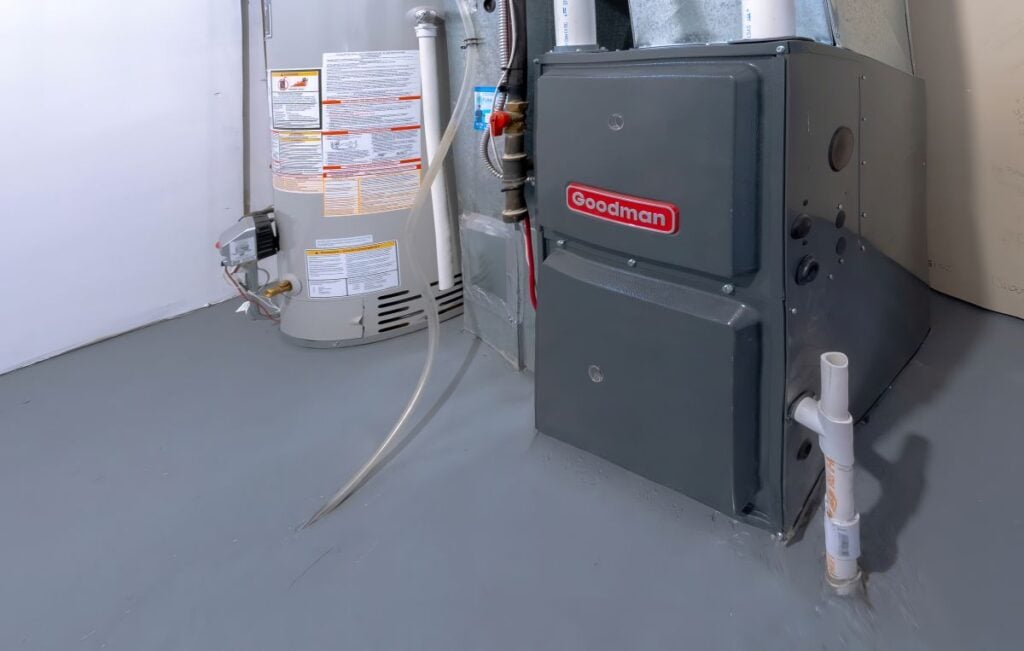
Both electric and gas furnaces heat your home using a forced-air system, but the way they generate heat is very different. This difference affects efficiency, cost, maintenance, and how well the system performs during colder months.
Electric Furnace Basics
An electric furnace uses electric heating elements powered by electricity to warm the air before distributing it through your ductwork. When the thermostat signals for heat, electricity flows through internal coils that heat up quickly and push warm air throughout the home. Because there is no combustion process, electric furnaces are generally simpler, quieter, and easier to maintain over time, making them a common choice for homeowners interested in straightforward electric heating systems.
Gas Furnace Basics
Gas furnaces rely on natural gas combustion to produce heat, which is then transferred through a heat exchanger and circulated through your home. Natural gas furnaces generate higher heat output and warm spaces faster, making them a popular choice in colder regions. However, they require more components such as burners, gas lines, and ventilation systems, which can increase maintenance needs compared to electric options.
Key Differences Between Electric and Gas Furnaces
Choosing between these systems comes down to several important factors that directly impact your comfort, performance, and long-term costs. Comparing them side by side can make the decision much clearer.
| Feature | Electric Furnace | Gas Furnace |
| Installation Cost | Lower upfront cost | Higher installation cost |
| Monthly Energy Cost | Higher in most areas | Typically lower |
| Heating Speed | Slower heat output | Faster, stronger heat |
| Maintenance | Minimal upkeep | Requires regular servicing |
| Lifespan | 20 to 30 years | 15 to 20 years |
In many cases, homeowners in colder climates lean toward natural gas furnaces because of their heating power, while electric furnace systems appeal to those looking for lower upfront investment and simpler installation. Some homeowners also compare these options to a heat pump, which can offer both heating and cooling but performs differently depending on outdoor temperatures.
5 Factors to Consider Before Choosing a Furnace
Before deciding between electric and gas, it’s important to think about how each system fits your specific home and needs.
- Climate: Homes in colder regions benefit more from gas furnaces due to stronger heat output and faster warming capabilities
- Energy availability: Not all homes have access to natural gas, making electric furnace systems the only practical option in some areas
- Budget: Electric furnaces cost less upfront, but gas systems may save money over time through lower energy bills
- Home size: Larger homes often require the higher heating capacity that gas furnaces provide
- Maintenance preferences: Electric heating systems require less upkeep, while gas systems need regular inspections for safe operation
These factors help determine which system will perform best for your home and lifestyle.
Cost Comparison: Installation and Monthly Expenses
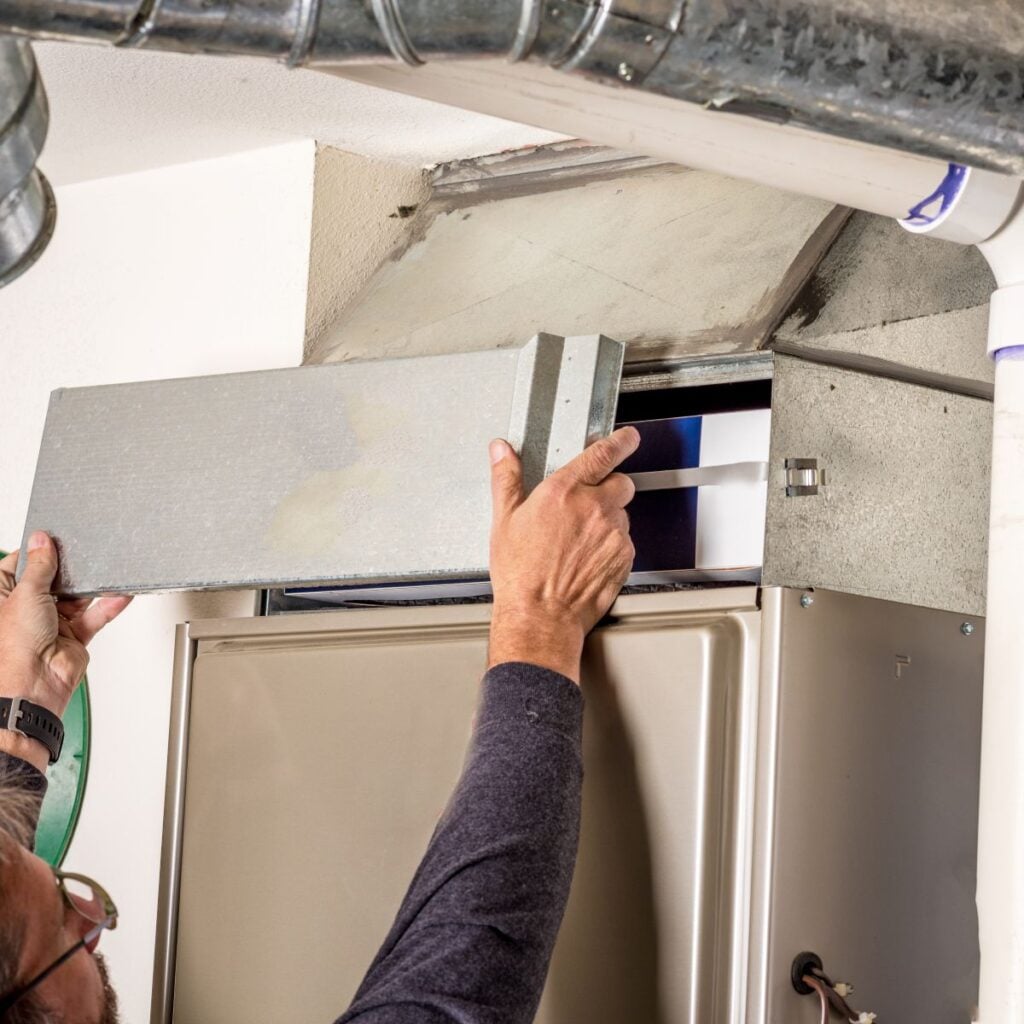
Cost is often the biggest deciding factor for homeowners, and both upfront and long-term expenses should be considered before making a choice.
Installation Costs
Electric furnaces are typically less expensive to install because they do not require gas lines or venting systems. This makes them a good option for homes that do not already have natural gas infrastructure in place. Gas furnaces, on the other hand, involve more complex installation, including ventilation and safety components, which increases the initial cost.
Operating Costs
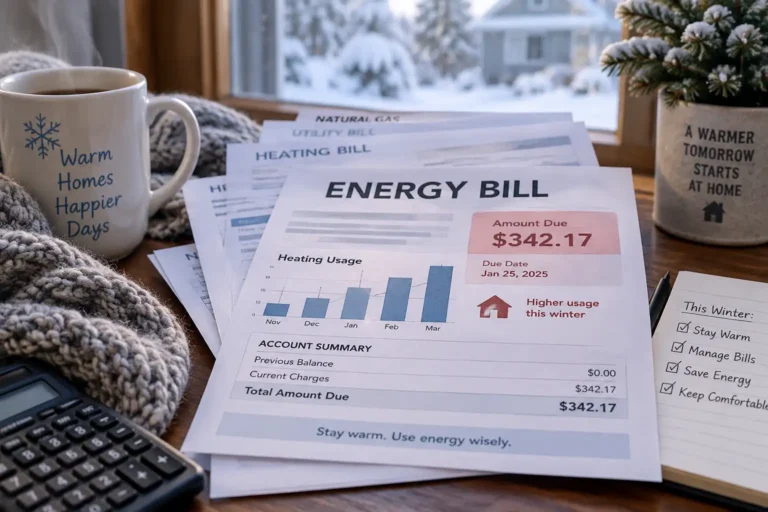
Gas furnaces usually cost less to operate because natural gas is often more affordable than electricity in many areas. Over time, this can lead to noticeable savings on monthly utility bills. According to the U.S. Energy Information Administration, natural gas is generally cheaper than electricity for heating in many regions, making gas furnaces more cost-efficient long term and often a better choice for homeowners focused on energy efficiency.
Pros and Cons of Gas vs Electric Furnaces
Each system has its own strengths and drawbacks, so it’s important to weigh both sides before making a decision.
Gas Furnace Pros and Cons
Gas furnaces are known for their strong performance, but they come with higher installation and maintenance requirements.
- Lower monthly costs: Natural gas is often more affordable than electricity
- Faster heating: Warms homes quickly, especially in colder weather
- Better for large homes: Provides higher heat output
- Higher installation cost: Requires gas lines and ventilation systems
- More maintenance: Needs regular inspections and servicing for safety
Electric Furnace Pros and Cons
Electric furnaces are appealing because of their simplicity and lower upfront cost, but they may not always be the most efficient option for colder climates.
- Lower installation cost: Easier and cheaper to install compared to gas systems
- Minimal maintenance: Fewer moving parts mean fewer repairs over time
- Safer operation: No combustion reduces risks like gas leaks or carbon monoxide
- Higher energy costs: Electricity is often more expensive than natural gas for heating
- Slower heating: Takes longer to warm large spaces
Many modern systems are designed as a high efficiency furnace, which can help reduce wasted energy and improve performance regardless of fuel type.
Which Furnace Is Better for Your Home?

There is no one-size-fits-all answer when it comes to choosing between an electric furnace and gas furnace. The right option depends on your home’s setup, your budget, and how you plan to use your heating system over time.
For homeowners in areas with cold winters, gas furnaces often provide better comfort and efficiency due to their ability to produce stronger heat. In milder climates or homes without access to natural gas, electric heating systems can still be a practical and reliable option. Some homeowners may also consider a heat pump as an alternative, especially if they are looking for a system that can handle both heating and cooling.
We’re proud to serve home and business owners in Nashua, NH, and nearby communities with heating system guidance and more.
Stay Comfortable with New Era Plumbing & HVAC
Choosing between electric and gas furnaces is easier when you have expert guidance. At New Era Plumbing & HVAC, we help homeowners find the right heating solution based on their home, budget, and long-term goals.
Whether you’re upgrading to a high efficiency furnace or comparing your options between electric heating and natural gas systems, our team provides reliable support to keep your home comfortable year-round. Contact New Era Plumbing & HVAC today to explore your options and get the professional help you need.