If your heat suddenly cuts out, knowing how to respond to emergency furnace repair situations can help protect your home and restore comfort quickly. A furnace that stops working without warning can leave your home cold, especially during winter, and may signal a serious issue within your HVAC system. Acting fast and following the right steps can prevent further damage and help you determine when to seek professional help.
- Sudden furnace failure often signals underlying system issues
- Quick action can prevent further damage to equipment
- Some problems can be safely checked before calling for help
- Ignoring warning signs can lead to costly HVAC repair
- Homes in Lowell, MA depend heavily on reliable heating
What Causes a Furnace to Stop Suddenly?
A furnace can stop working for several reasons, ranging from minor issues to more serious mechanical failures. Understanding the cause helps determine whether it’s something simple you can check or a situation that requires immediate professional help.
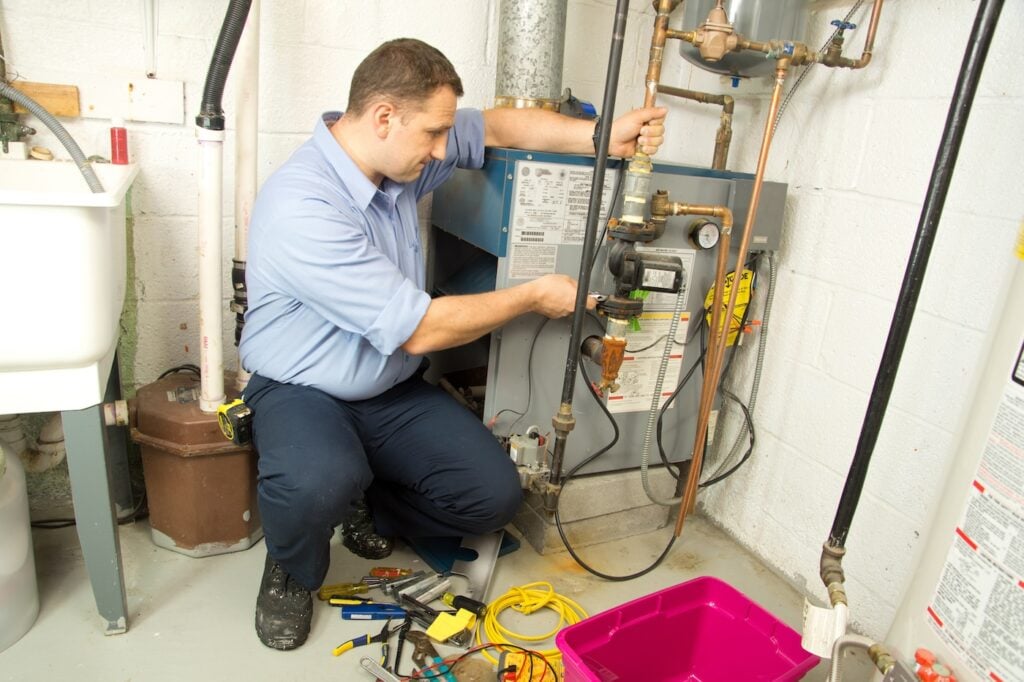
Common causes include thermostat malfunctions, electrical issues like a tripped circuit breaker, clogged filters, or problems with the gas supply. In some cases, safety systems shut the furnace down to prevent damage or hazards, which is why proper diagnosis is important before restarting the unit. When these issues arise, reaching out to a trusted hvac business ensures safe and accurate troubleshooting.
6 Steps to Take During an Emergency Furnace Breakdown
When your furnace stops unexpectedly, staying calm and following a step-by-step process can help you identify the issue and avoid unnecessary damage. These steps walk you through what to check before calling for assistance from experienced technicians.
1. Check the Thermostat Settings
Start with the simplest possible issue by confirming your thermostat is set correctly.
- Correct mode: Ensure it is set to heat, not cooling
- Temperature setting: Raise it a few degrees above room temperature
- Battery check: Replace batteries if the display is unresponsive
This step eliminates common user-related issues quickly.
2. Inspect the Power Supply
Your furnace relies on electricity to operate, even if it uses natural gas.
- Breaker panel: Reset any tripped circuit breaker
- Power switch: Confirm the furnace switch is turned on
- System restart: Turn the system off and back on once
Power issues are one of the most common causes of sudden shutdowns.
3. Check the Air Filter
A clogged filter can restrict airflow and cause the furnace to shut down.
- Dirty filter: Replace if covered in dust or debris
- Airflow restriction: Ensure vents are not blocked
- Routine check: Replace filters regularly for proper maintenance
Maintaining airflow helps prevent overheating and system strain.
4. Look at the Gas Supply
If your furnace uses natural gas, confirm the supply is active.
- Gas valve position: Ensure it is open
- Other appliances: Check if gas stove is working
- No gas smell: Leave immediately if you smell gas
Gas supply interruptions can prevent ignition and heating.
5. Check the Pilot Light or Ignition
Modern furnaces use electronic ignition, while older ones rely on a pilot light.
- Pilot light status: Relight if safe and instructions allow
- Ignition system: Look for repeated failed starts
- Error codes: Check the display for system alerts
Ignition problems often require professional help from trained technicians.
6. Call for Professional Repair
If none of the above steps resolve the issue, it’s time to contact a professional.
- System diagnosis: Identify deeper mechanical issues
- Safe repair: Avoid risks with gas or electrical components
- Long-term fix: Prevent recurring breakdowns
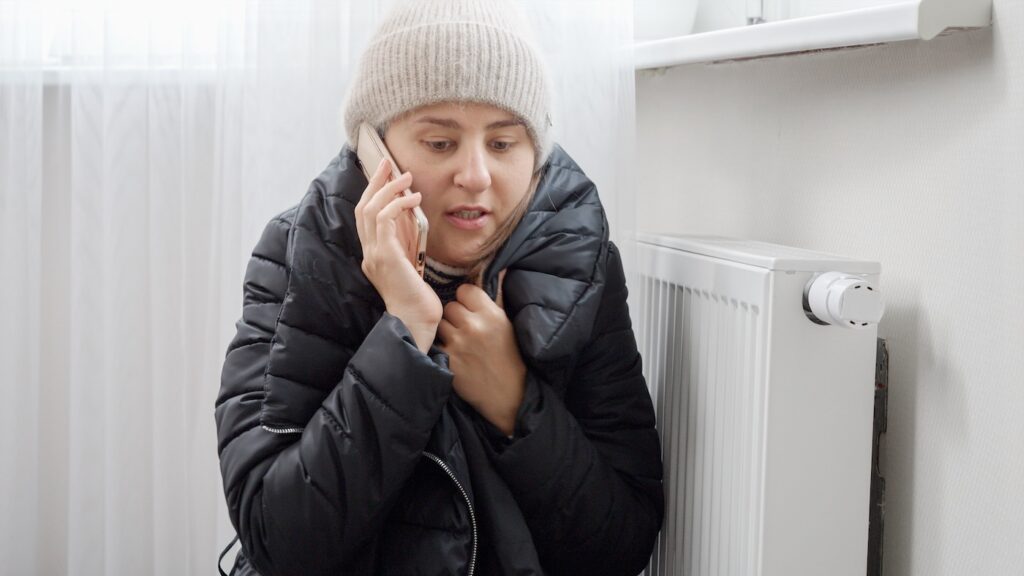
Reliable emergency HVAC repair services ensure your system is restored safely, whether you need assistance during the day or night, weekends, or regular business hours. A dependable HVAC business can respond quickly and get your heating and cooling systems back on track.
Warning Signs Before a Furnace Fails
Most furnaces don’t fail without warning. Recognizing early signs can help you avoid emergency situations and schedule repairs before a full breakdown occurs.
- Strange noises: Banging, rattling, or squealing sounds
- Uneven heating: Some rooms feel colder than others
- Frequent cycling: System turns on and off repeatedly
- Rising energy bills: Reduced efficiency increases costs
- Weak airflow: Limited air coming from vents
Catching these issues early can prevent sudden system failure.
Common Emergency Furnace Problems
Some furnace issues are more likely to cause sudden breakdowns and require immediate attention. Understanding these problems helps you recognize when your system is no longer operating safely or efficiently.
Ignition Failure
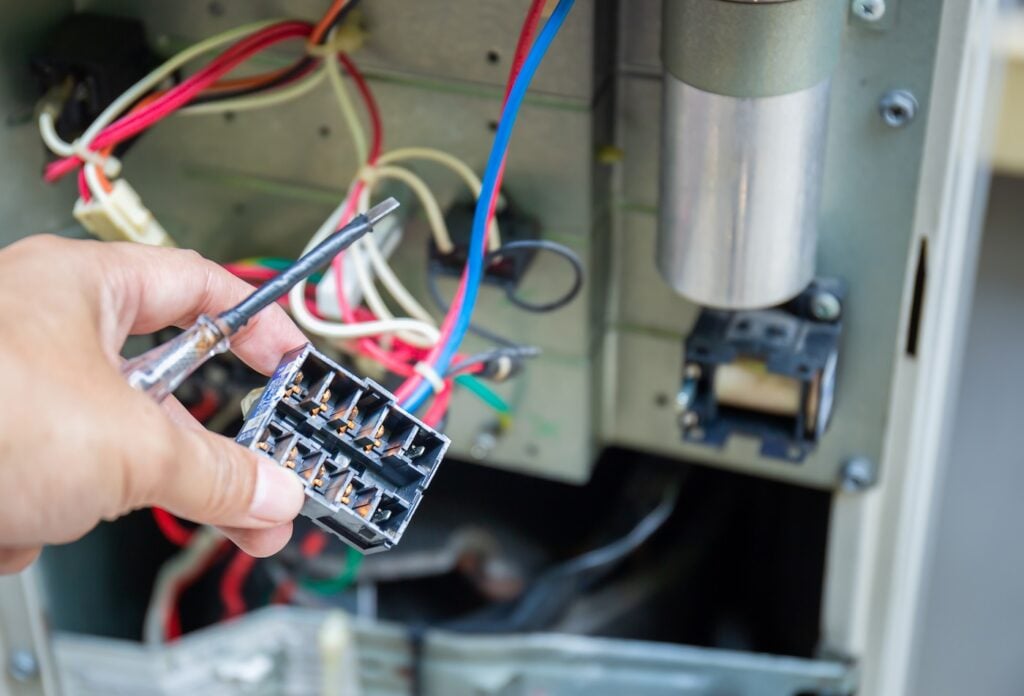
If the furnace cannot ignite fuel, it won’t produce heat, leaving your home without warmth during critical times. This issue is often caused by faulty ignition components, worn sensors, or system malfunctions that prevent proper startup and safe operation.
Blower Motor Issues
The blower motor is responsible for circulating warm air throughout your home, so when it fails, your heating system may still run, but will not distribute heat properly. This can lead to uneven temperatures and increased strain on your HVAC system.
Overheating System
An overheating furnace will shut down as a safety measure to protect internal equipment. This is often caused by restricted airflow, dirty filters, or blocked vents, and repeated overheating can lead to serious damage if not addressed.
How to Prevent Emergency Furnace Repairs
Preventative maintenance is the best way to reduce the chances of unexpected breakdowns. Regular care keeps your heating system running efficiently and reliably throughout the year.
- Schedule annual inspections: Catch issues early
- Replace filters regularly: Maintain airflow and efficiency
- Keep vents clear: Prevent airflow blockages
- Monitor system performance: Watch for unusual changes
- Invest in proper maintenance: Extend system lifespan
Consistent maintenance reduces the likelihood of unexpected repair needs and protects your system long term.
Common Questions About Emergency Furnace Repair
When a furnace stops working, homeowners often have urgent concerns. These answers provide clarity on what to expect and how to respond.
How quickly should I call for repair?
If your furnace stops completely and basic checks don’t resolve the issue, you should call immediately. Waiting too long can worsen damage and leave your home without heat for extended periods, especially during colder weather when heating and cooling balance matters.
Is it safe to restart my furnace?
In some cases, yes, but only after checking power, thermostat settings, and filters. If the system repeatedly shuts down, avoid restarting it and seek professional help to prevent further damage or safety risks.
Why does my furnace keep shutting off?
This could be caused by airflow restrictions, overheating, or faulty components. Repeated shutdowns are often a built-in safety response and should be inspected by a technician as soon as possible to avoid larger HVAC repair needs.
Can emergency repairs be avoided?
Yes, regular maintenance and early repairs can prevent most emergency situations. Keeping your system clean and monitored reduces the risk of sudden failure and limits the need for emergency HVAC services.
Stay Warm with New Era Plumbing & HVAC
At New Era Plumbing & HVAC, we understand how urgent a furnace breakdown can be. Our skilled technicians provide reliable diagnostics and expert HVAC repair to restore your system quickly and safely.
If your furnace has stopped working or your heat pump is not keeping up, contact New Era Plumbing & HVAC in Lowell, MA, today. We’re ready to handle the job with dependable service, emergency HVAC services when needed, and solutions you can trust.