Many homeowners wonder, how long does a furnace last, especially when colder months roll in and heating systems work harder than ever. While average lifespans vary, proactive care can significantly extend the life of your unit. Whether you’re dealing with an aging system or just planning ahead, knowing what impacts furnace performance helps you avoid sudden breakdowns and unexpected costs.
- Average furnace lifespan is between 15 to 20 years
- Neglected maintenance shortens equipment life
- Airflow and duct issues can reduce efficiency
- Professional inspections catch early wear
- Andover, MA homes face long winters that increase system strain
Typical Furnace Lifespan by Type
Furnace lifespan varies by type, usage patterns, and maintenance quality. While some systems fail earlier, others can exceed expectations with proper care. In Andover, MA, extended heating seasons mean furnaces often run more than the national average.
| Furnace Type | Average Lifespan | Notes |
| Gas Furnace | 15–20 years | Common and energy-efficient with good care |
| Electric Furnace | 20–30 years | Longer life but higher operating costs |
| Oil Furnace | 15–25 years | Durable but requires regular cleaning |
| High-Efficiency | 15–20 years | Sensitive components may need more service |
Proper sizing, filter changes, and ductwork design also influence longevity. We’re proud to serve home and business owners in Andover, MA, and surrounding areas with furnace replacement, repairs, and seasonal furnace maintenance to keep systems running longer.
What Impacts Furnace Lifespan?
No furnace lasts forever, but understanding the biggest threats to your system’s life helps you stay ahead of costly breakdowns. Consistent maintenance and avoiding strain on the system are key.
- Airflow restrictions: Clogged filters and blocked vents force the system to overwork
- Improper sizing: An oversized furnace cycles too frequently, wearing components faster
- Skipping tune-ups: Missed inspections allow small issues to become major repairs
- Dirty ductwork: Dust buildup blocks heat flow and reduces efficiency
- Old thermostats: Inaccurate controls can shorten run cycles and wear out parts
In cold-weather climates like Massachusetts, longer heating seasons add wear to blowers, ignitors, and the heat exchanger. Systems that run too frequently often fail earlier than expected.
7 Tips To Extend Your Furnace’s Life

Taking a few smart steps throughout the year can add years of reliable performance to your hvac system. Each tip below helps reduce wear, maintain airflow, and keep your system in better shape.
1. Change Filters Regularly
A clean filter allows for steady airflow and prevents system strain.
- Frequency: Replace every 1–3 months depending on use
- System strain: Dirty filters cause overheating and shutdowns
- IAQ benefits: Cleaner air and better comfort throughout the home
Filters are one of the easiest and most affordable ways to protect your furnace year-round.
2. Schedule Annual Professional Inspections
Routine service catches small issues before they become costly problems.
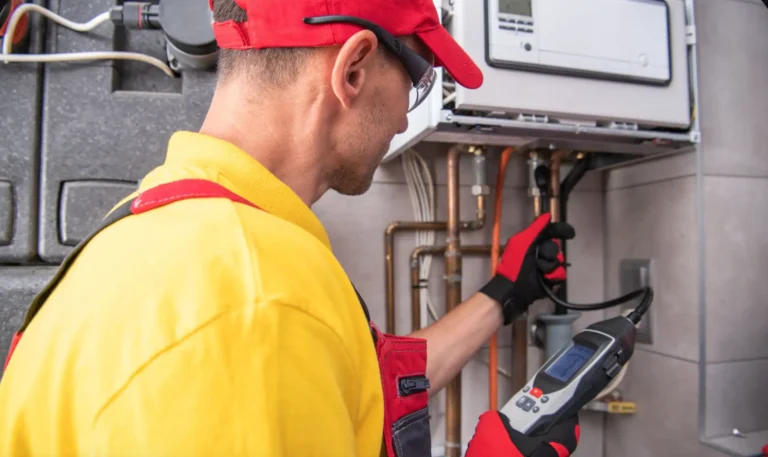
- Tune-ups: Technicians test key components and check for wear
- Safety checks: Ensure carbon monoxide and gas lines are working properly
- Efficiency boosts: Cleanings improve system airflow and heat delivery
Yearly service is especially important before the winter season in Andover, MA.
3. Keep Vents and Ducts Clear
Blocked supply or return vents reduce airflow and make the furnace work harder.
- Blocked vents: Furniture or rugs may block warm air from circulating
- Dirty ducts: Buildup forces the blower to overwork
- Pressure issues: Restriction stresses internal parts
Homeowners often overlook vents, but proper airflow is critical to system health.
4. Use a Smart Thermostat
A programmable thermostat reduces unnecessary heating cycles and system wear.
- Precision control: Adjusts temperatures based on usage patterns
- Efficiency: Avoids overheating or running when no one’s home
- Monitoring: Tracks energy use and system status
Long-term furnace health improves with consistent, moderate use.
5. Don’t Wait to Repair Strange Noises
Bangs, rattles, and screeches are all signs something is starting to fail.
- Loose parts: Early repairs prevent cascading damage
- Worn bearings: Can destroy blower motors if left unchecked
- Ignition issues: Can lead to safety risks or shutdowns
Fast fixes often cost less than waiting until full breakdown.
6. Keep the Area Around Your Furnace Clean
Clutter, dust, or poor ventilation around your furnace cabinet can lead to overheating.
- Clearance: Ensure 2–3 feet around unit for safe operation
- Dust-free zones: Avoid storing paints or flammable materials nearby
- Ventilation: Good airflow around the furnace supports efficiency
A clean environment protects both your unit and your home.
7. Know When to Replace Instead of Repair
Older furnaces may cost more in repairs and energy than a replacement would save.
- High repair costs: Frequent fixes mean deeper issues
- Uneven heat: Indicates declining performance
- Age over 15 years: Evaluate ROI on continued service
Upgrading to a new furnace can improve energy efficiency and reduce your operating costs over time.

Common Furnace Questions from Homeowners
Still unsure how long your system should last or what to expect? These homeowner questions help clarify the basics.
Q: Is 20 years too old for a furnace?
A: Most furnaces last 15–20 years. At 20+, your system is likely less efficient, out of warranty, and may be at risk for major repairs. It’s smart to evaluate new furnace options even if it’s still operating.
Q: Can I extend my furnace’s life with DIY maintenance?
A: Yes. Filter changes, vent clearing, and monitoring thermostat use all help. However, professional inspections are still critical for components you can’t see or safely check yourself.
Q: How do I know if my furnace is dying?
A: Signs include frequent repairs, strange noises, uneven heat, or rising energy bills. If your furnace is over 15 years old and needs frequent service, replacement may be more cost-effective in the long run.
Long-Term Performance Starts with New Era Plumbing & HVAC

At New Era Plumbing & HVAC, we help homeowners protect their comfort and systems with honest, high-quality furnace maintenance and repair. Whether your unit is still running strong or showing signs of wear, we’ll give you clear answers and trusted options to extend your furnace life expectancy or help you plan a smart, energy-efficient upgrade.
If you’re ready to improve your energy efficiency or explore your options for a new furnace, contact New Era Plumbing & HVAC today to schedule your visit in Andover, MA and nearby communities.