If you’ve ever wondered how long do water heaters last, you’re not alone. Most homeowners don’t think about their water heater until something goes wrong, but knowing its lifespan and early warning signs can save you from sudden breakdowns and expensive repairs. Whether you rely on a gas water heater, an electric water heater, or another system, this guide explains how long different models last and the signs that it may be time to replace your water heater.
• Lifespan varies by system type and average life expectancy
• Warning signs often appear early
• Efficiency decreases as systems age
• Hard water shortens heater lifespan
• Dracut, MA temperature swings can strain older units
Understanding Typical Water Heater Lifespans
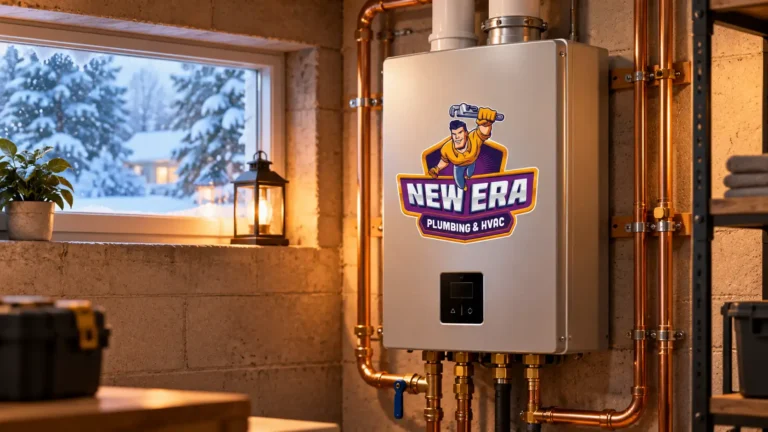
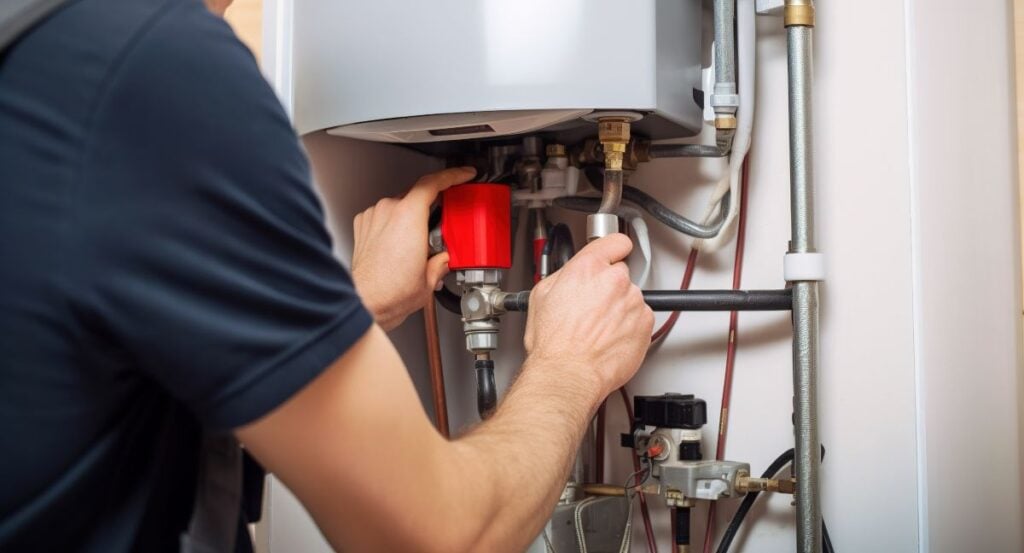
Traditional tank-style units are the most common type of hot water tank found in local homes, and these systems typically last 8 to 12 years. Tankless models often reach 18 to 20 years or longer with consistent water heater maintenance. In Dracut, MA, heaters tend to work harder during long winters, which can accelerate wear if annual service is neglected. We’re proud to serve home and business owners in Dracut, MA, and nearby communities with water heater replacement, maintenance, and more.
Here is a quick breakdown of average lifespans:
| Water Heater Type | Typical Lifespan | Notes |
| Gas tank | 8–12 years | Faster heating, more wear |
| Electric tank | 10–12 years | Often lasts slightly longer |
| Tankless | 18–20+ years | Requires annual descaling |
| Heat pump | 10–15 years | Efficient but climate sensitive |
A report from the U.S. Energy Information Administration found that water heating accounts for about 17% of a home’s energy use, which makes declining efficiency an important indicator that replacement may help reduce bills.
What Impacts How Long a Water Heater Lasts
Two sentences help provide balance before the next sections. Several factors influence your water heater’s average life expectancy, and knowing them makes it easier to anticipate when replacement may be coming.
Installation Quality
A correctly installed water heater operates safely and efficiently. Incorrect venting, loose fittings, or improper sizing can shorten lifespan and cause early performance issues that put unnecessary strain on the storage tank.
• Safer venting and pressure control
• Better long-term performance
• Lower risk of leaks or system strain
Water Quality
Hard water, common in many Massachusetts homes, causes mineral deposits to accumulate inside the tank. Over time, this sediment forces the heater to work harder while heating water, reducing its lifespan.
• Sediment buildup that damages components
• Scale reducing tankless performance
• Protection from filtration or softening systems
Maintenance Frequency
Annual maintenance is essential for long water heater life. Skipping flushing, inspections, and anode rod replacement accelerates wear and invites early failures, whether you have a gas water heater, tankless system, or electric water heater.
• Flushing removes harmful sediment
• Anode rod checks stop corrosion
• Inspections identify problems early
7 Signs Your Water Heater Is Nearing Replacement
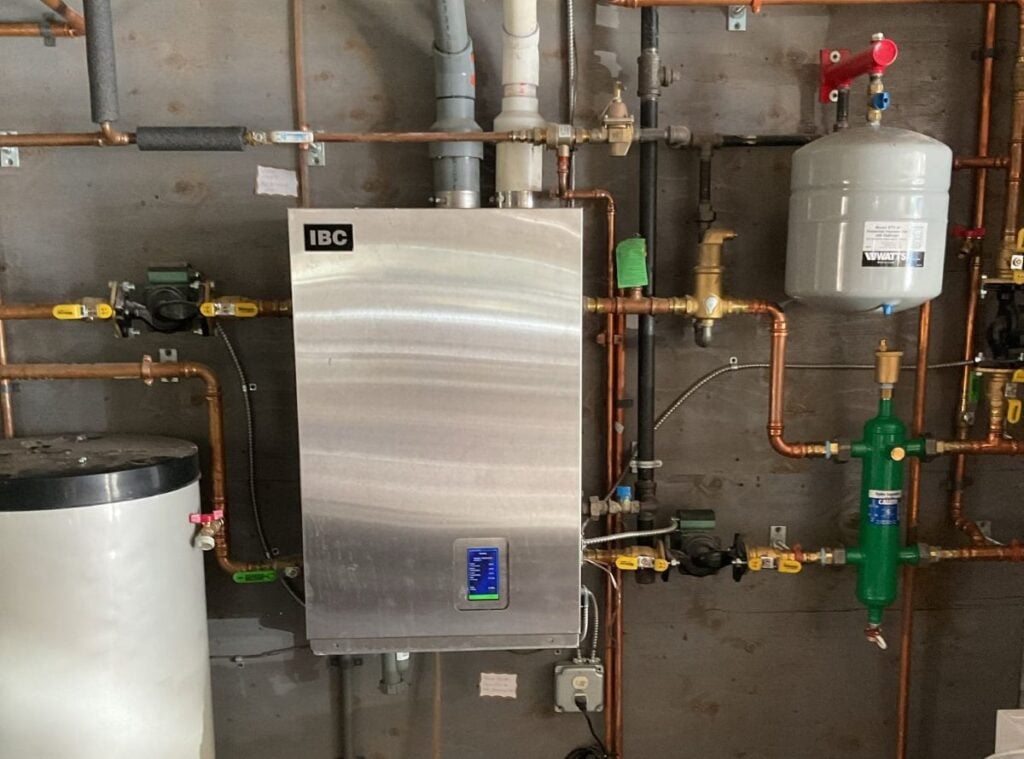
As water heaters age, their performance declines in ways that become more noticeable over time. Recognizing these signs early can help you avoid unexpected breakdowns, higher utility costs, and potential water damage.
1. Inconsistent Hot Water
Fluctuating temperatures often signal failing heating elements or sediment buildup. As these issues worsen, the heater will struggle to deliver steady hot water.
• Hot to cold quickly
• Slow recovery time
• Water never reaching full temperature
2. Strange Noises
Popping or rumbling sounds indicate that sediment has hardened inside the tank. This forces the system to work harder, increasing the likelihood of overheating and internal damage.
• Popping from expanding sediment
• Rumbling during heating
• Vibration from pressure fluctuations
3. Rusty or Discolored Water
Rust-colored water from hot taps often means internal corrosion is occurring. Once corrosion spreads beyond the anode rod, replacement becomes necessary to protect plumbing and fixtures.
• Brown or orange tint
• Metallic odor
• Visible particles in hot water
4. Leaks Around the Tank
Leaks usually indicate structural issues inside the tank. Once the metal begins to crack, the system cannot be repaired, making it necessary to replace your water heater.
• Moisture near the base
• Active dripping
• Warping or splitting metal
5. Low Hot Water Pressure
Mineral buildup inside the tank and plumbing reduces water flow. Reduced pressure often appears slowly but worsens over time, especially in older systems.
• Weak hot water flow
• Pressure differences between fixtures
• Scale buildup in faucets
6. Rising Utility Bills
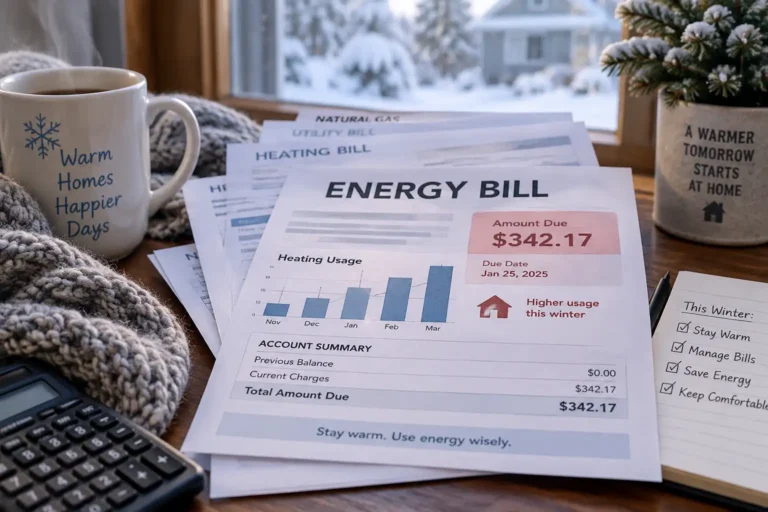
Older water heaters lose efficiency, requiring more energy to maintain temperature. This appears as gradual increases in monthly utility costs and is common in older storage tank systems.
• Longer heating cycles
• More energy consumed
• Higher monthly bills despite similar usage
7. Age Over 10 Years
Even if the system seems to work fine, units older than 10 years are more prone to sudden failure. Manufacturers recommend planning for replacement at this age.
• Expired warranties
• Lower efficiency
• Higher likelihood of leaks or tank failure
Common Installation Issues That Lead to Early Water Heater Failure
Even a high-quality water heater will struggle if installed incorrectly. Mistakes made during installation can create long-term performance problems, safety risks, and premature system wear. These issues affect all system types, including gas water heaters, electric water heaters, and tankless units.
• Incorrect system sizing that forces the unit to overwork
• Loose or poorly sealed connections that lead to leaks
• Improper venting that reduces efficiency and increases safety risks
• Inadequate drainage or placement that accelerates corrosion
• Missing expansion tanks in homes with closed plumbing systems
Additional Warning Signs Your Water Heater May Be Failing
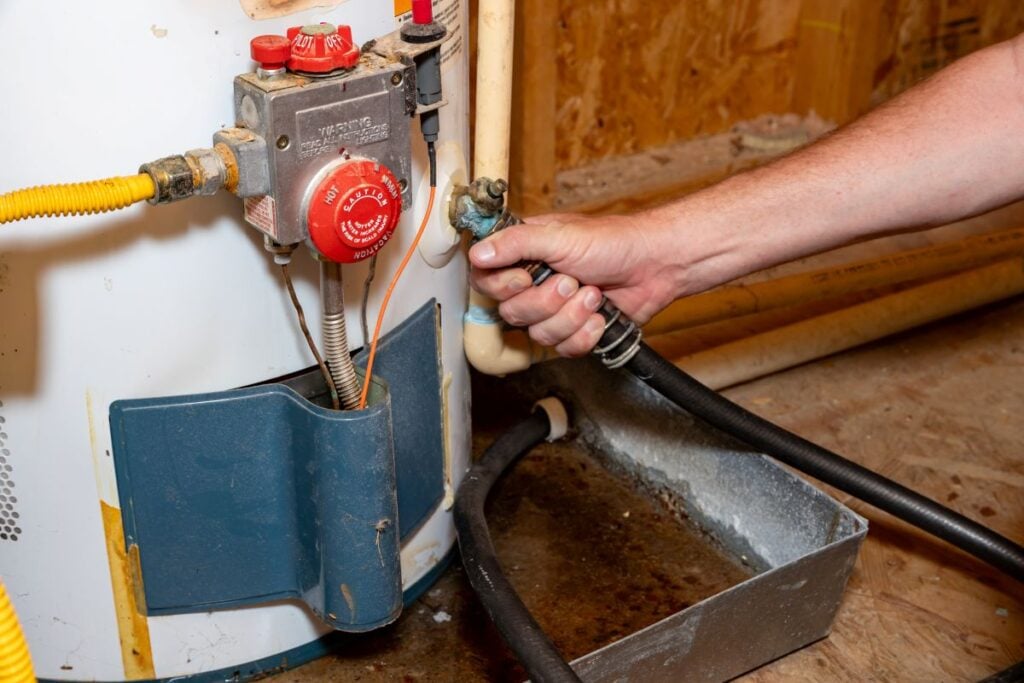
Even when a water heater appears to work normally, subtle changes in performance can indicate that the system is starting to decline. These issues often develop quietly as internal components age or sediment accumulates inside the hot water tank.
Slower Water Heating
When your water heater begins to take longer to produce hot water, it often means sediment buildup is insulating the heating elements or burner. This delay typically worsens as buildup increases.
Brief Temperature Drops
Short bursts of cold or lukewarm water during showers usually mean the system is struggling to maintain internal temperature consistency.
Increased System Noise
A water heater that becomes louder during operation is often working harder than it should. Popping or rumbling sounds usually mean hardened sediment is preventing proper heat transfer.
Why Homeowners Choose New Era Plumbing & HVAC
At New Era Plumbing & HVAC, we know water heater issues can be stressful. That’s why we offer clear communication, dependable service, and honest recommendations tailored to your home. Whether your system is leaking, underperforming, or simply reaching the end of its average life expectancy, our team is ready to provide fast evaluations, free quotes, and expert installation.
If your water heater shows any of the signs above, contact New Era Plumbing & HVAC today to schedule your visit and restore reliable hot water to your home.