Scheduling an hvac inspection is one of the best ways to keep your heating and cooling system running reliably throughout the year. Whether you are preparing for seasonal temperature changes or noticing small performance issues, an inspection helps identify hidden problems before they turn into costly repairs. Homeowners in places like Concord, MA benefit from routine inspections because even small inefficiencies can affect comfort and energy costs during seasonal extremes.
Here are a few key areas this guide will explain:
- System performance: What technicians check during operation
- Safety evaluation: Steps to ensure safe heating and cooling
- Efficiency testing: How experts measure airflow and output
- Maintenance review: What components need regular care
Why HVAC Inspections Matter in 2025
Today’s HVAC systems are designed to deliver better energy efficiency and comfort than ever before, but they rely on proper airflow, clean components, and correct system calibration to achieve these benefits. Many homeowners notice fewer breakdowns and better indoor comfort when inspections are completed at least once per year. As systems become more advanced, complete with smart thermostats and variable-speed technology, professional maintenance plays an even larger role in long-term performance.
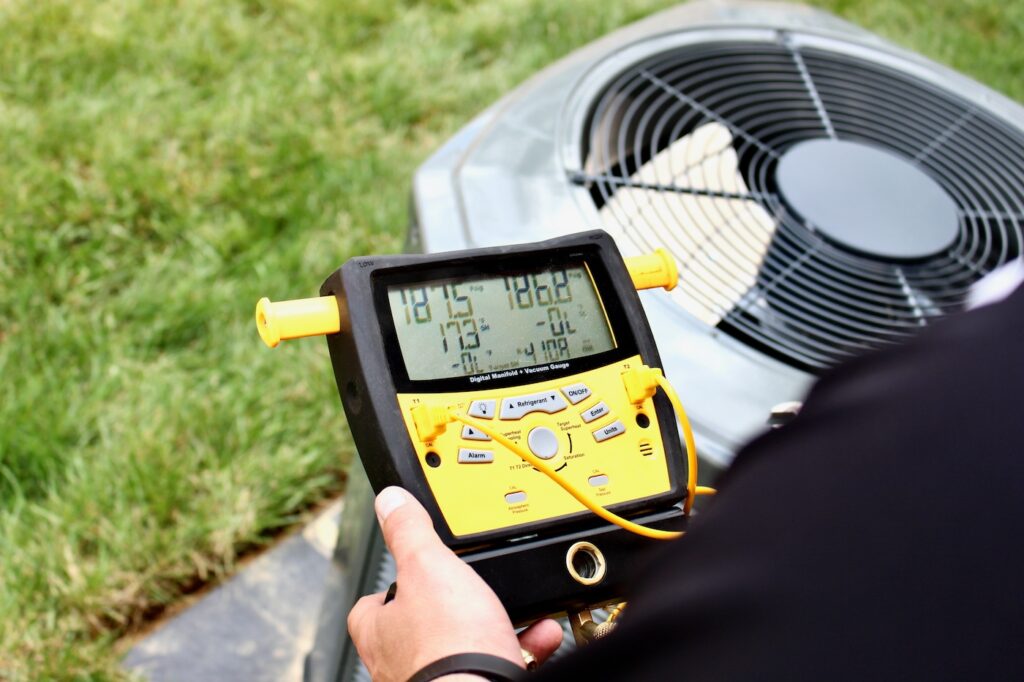
A modern inspection helps ensure your system is running the way it was designed, prevents avoidable issues, and supports healthier indoor air.
9 Things Pros Look for During an HVAC Inspection
Below are the major steps most licensed technicians follow when inspecting a home HVAC system.
- Thermostat accuracy: Technicians verify that your thermostat communicates properly with the system and maintains stable temperature control.
- Air filter condition: A clogged or dirty filter restricts airflow and can strain the entire system, leading to poor performance.
- Electrical connections: Experts check wiring, sensors, and component connections to prevent shorts, malfunctions, or unexpected shutdowns.
- System startup and shutdown: Each stage of the cycle is reviewed to ensure smooth operation without delays, noises, or interruptions.
- Blower motor and fan function: The blower assembly is inspected for proper speed and rotation to maintain balanced airflow.
- Condensate drainage: The technician ensures the drain line is clear so moisture can exit safely without causing blockages or leaks.
- Refrigerant levels: Proper levels are critical for cooling performance, so technicians check for adequate charge and signs of leaks.
- Ductwork evaluation: Leaks, buildup, or poor connections can reduce airflow efficiency and increase energy consumption.
- Overall system cleanliness: Dust, debris, and buildup around coils and internal parts are reviewed to prevent long-term wear.
Common Issues Found During Inspections
Even well-maintained systems can develop performance issues over time. An inspection helps uncover small concerns before they turn into major problems.
Early signs of system trouble
HVAC professionals often uncover issues such as:
- Restricted airflow: Dust or debris limits system performance
- Uneven temperatures: Rooms heat or cool at different rates
- Unusual noises: Rattling or buzzing may indicate loose components
- Short cycling: The system turns on and off more often than normal
These signs suggest the system may need cleaning, adjustments, or small repairs to stay efficient.
Why airflow is so important
Proper airflow ensures your HVAC system heats and cools your home evenly. When airflow is restricted, the system has to work harder, which increases energy use and causes unnecessary stress on important parts. Inspections help keep airflow balanced by checking ductwork, vents, and fan performance.
How Technicians Evaluate System Efficiency
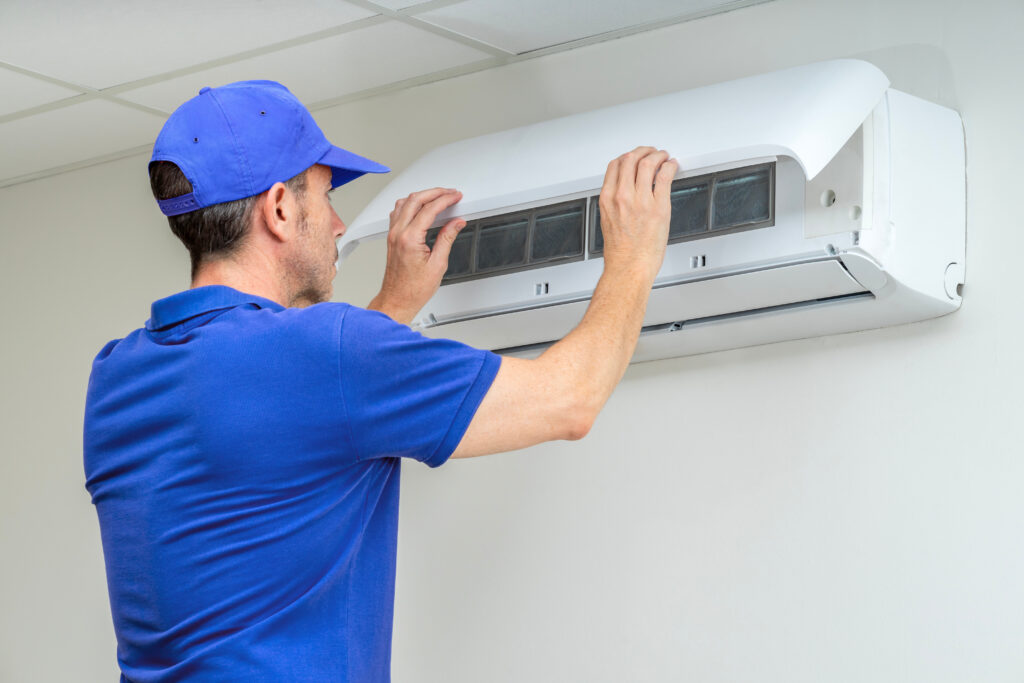
HVAC professionals examine several measurements and visual indicators to understand how efficiently your system is operating. These details help determine whether your system is meeting performance expectations.
Key metrics reviewed during efficiency testing
- Temperature output: Supply and return air temperatures are measured
- Static pressure: Helps locate restrictions in airflow
- Fan performance: Ensures proper speed and direction
- Energy usage: Higher-than-expected consumption signals inefficiency
By reviewing these elements together, technicians can pinpoint where improvements may be needed.
Understanding Inspection Differences Between HVAC System Types
Not all systems require the same inspection process. The type of equipment you have influences the specific components that need to be evaluated.
Inspection comparison
| System Type | What Pros Check Closely | Potential Issues |
| Central HVAC | Ductwork, coils, blower motor | Leaks, airflow restrictions |
| Heat Pumps | Reversing valve, defrost cycle | Reduced heating performance |
| Mini Splits | Line sets, indoor heads, filters | Blocked heads, refrigerant issues |
| Dual-Fuel Systems | Fuel-switch calibration | Incorrect switching temperature |
Each system type has different strengths, and an inspection helps ensure it continues to operate at peak performance.
Safety Checks Included in Most HVAC Inspections
Comfort is important, but safety is just as essential. A professional inspection includes steps to protect your home from potential hazards.
Key safety components tested
- Gas lines: Technicians review visible connections for signs of leaks
- Electric components: Overheating wires or damaged sensors are identified
- Ventilation: Proper venting prevents carbon monoxide buildup
- Shutoff switches: Ensures emergency shutoff controls respond correctly
These safety checks help ensure your system remains reliable throughout the year.
How HVAC Inspections Help You Save Money
Many homeowners schedule inspections for the peace of mind they provide, but these visits also help reduce long-term costs. By catching small problems early, homeowners avoid expensive repairs and improve their system’s energy performance.
Ways inspections support your budget
- Efficient operation: Lower energy waste and stable utility bills
- Fewer repairs: Problems found early cost less to fix
- Longer equipment lifespan: Proper care reduces system strain
- Improved comfort: Better airflow and balanced temperatures
A well-maintained system performs better in every season.
Best Practices for Homeowners Between Inspections
Even though professional inspections are essential, homeowners can take certain steps to support their system’s performance between visits.
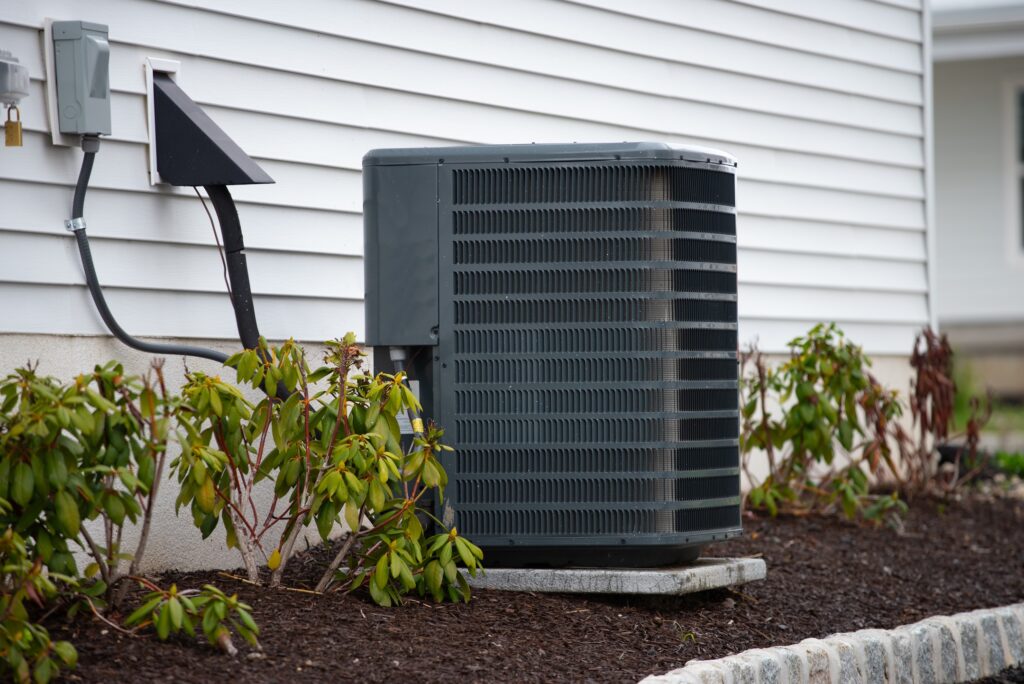
Simple tasks that help protect your system
- Check filters regularly for dust buildup
- Keep vents open to support airflow
- Monitor thermostat settings to avoid overworking the system
- Listen for changes in sound or performance
Small habits like these help keep your HVAC system functioning smoothly throughout the year.
Why New Era Plumbing & HVAC Is the Team You Can Rely On
When you need a professional HVAC inspection, New Era Plumbing & HVAC is ready to help you protect your home’s comfort and efficiency. Our team brings more than 19 years of experience, certified training from Mitsubishi and Bryant, and a commitment to service that puts homeowners first. We take time to walk you through your system’s condition, explain what we find, and recommend solutions that match your comfort needs and budget.
We’re proud to serve home and business owners in Concord, MA, and nearby communities with hvac inspection and more. If you want expert guidance, clear communication, and a team that treats your home with care, contact New Era Plumbing & HVAC today to schedule your next inspection and keep your system running strong all year long.