
This comparison explores six types of water heaters and how they stack up for energy efficiency, performance, and operating costs in real homes. Choosing the right water heater affects both comfort and long-term energy costs. With so many options available, understanding how different systems perform can help you make a more efficient choice.
- Some systems heat water only when needed
- Others store hot water ready for use
- Energy usage varies widely depending on type
- Climate and household size can influence performance
- Billerica, MA winters and summer demands affect overall efficiency
How We Compare Water Heater Types
When evaluating types of water heaters, energy efficiency is just one factor. We also consider installation requirements, typical lifespan, performance in cold water regions, and long-term operating costs. High efficiency today can mean lower bills and less waste energy over time.
- Heating method quality: How the water is warmed and retained
- Energy usage: How much fuel or electricity is consumed
- Operating costs: Typical utility cost range for each type
- Installation complexity: Time, space needs, and professional setup required
- Lifespan expectations: Average service life before replacement
We’re proud to serve home and business owners in Billerica, MA and nearby communities with water heater upgrades, replacements, and maintenance to maximize efficiency.
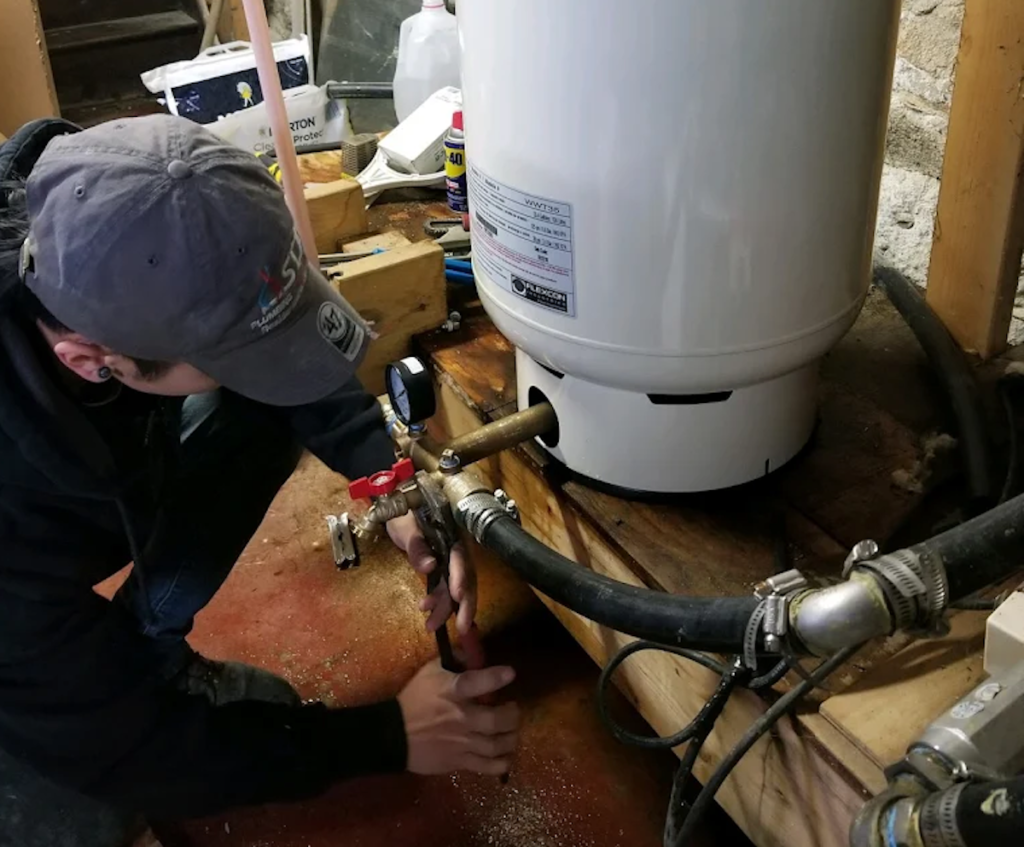
6 Most Common Water Heater Types (Energy Efficiency Comparison)
Each type of water heater offers unique performance features, energy-saving potential, and suitability for different household needs. The right model depends on your home’s size, climate, hot water habits, and efficiency goals.
1. Traditional Storage Tank Water Heaters
This is the most common system in U.S. homes, offering a large reservoir of hot water ready to use. While reliable and affordable, it tends to use more energy over time due to constant reheating.
- Operation: Holds and heats a large volume of water continuously
- Fuel sources: Electric, natural gas, or propane
- Efficiency note: Higher standby losses due to constant heating
2. Tankless (On‑Demand) Water Heaters
Tankless water heaters provide hot water only when you need it, eliminating standby energy losses. They’re compact and energy-efficient, making them popular for modern upgrades.
- Operation: No storage tank, heats only when water is used
- Fuel sources: Natural gas or electric
- Efficiency note: Reduces waste energy and lowers operating costs
3. Heat Pump Water Heaters
Heat pump models extract warmth from surrounding air to heat your water. They’re highly efficient but require space and consistent ambient temperatures to work effectively.
- Operation: Uses ambient air to warm water
- Fuel sources: Electric
- Efficiency note: Very high efficiency in temperate climates
4. Solar Water Heaters
These use rooftop solar collectors to heat water and can significantly reduce utility bills. They often require a backup heating source during cloudy or cold days.
- Operation: Solar collectors absorb sunlight to heat water
- Fuel sources: Solar with backup system
- Efficiency note: Highly efficient with low operating costs
5. Condensing Water Heaters
Condensing systems recover heat from exhaust gases to warm incoming cold water. They’re best suited for homes with high hot water usage and gas availability.
- Operation: Captures heat that would otherwise escape
- Fuel sources: Natural gas
- Efficiency note: Best for homes with high hot water demand
6. Combination (Combi) Systems
These units serve dual purposes: heating water and supplying heat for your home. They’re efficient and space-saving but may not be ideal for homes with high hot water demands.
- Operation: Shares heating resources between space and water needs
- Fuel sources: Often natural gas
- Efficiency note: Efficient for homes that need both HVAC and hot water
Water Heater Cost and Lifespan: What To Expect
Different systems vary significantly in how long they last and what they cost over time. While storage tank water heaters are typically lower in initial cost, they may have higher energy usage over their lifespan. Tank and tankless models differ in performance and maintenance needs, with demand water heaters offering lower operating costs. Heat pump and solar options generally offer the best efficiency but come with special installation requirements.
How Climate and Usage Affect Efficiency
Homes in regions with cold inlet water can see performance differences across systems. Very cold water requires more energy to heat, which affects systems differently. For example, tankless units may need to work harder to bring cold water up to temperature as you turn on a hot water faucet, while tank systems maintain stored hot water ready for immediate use. Choosing the best type often depends on family size, hot water usage patterns, and local climate needs.
Common Questions About Water Heater Types
Choosing the right water heater often brings up important questions about cost, performance, and efficiency. Here are answers to some of the most frequent concerns homeowners have when comparing systems.
Q: Which water heater type is most efficient overall?
A: Heat pump and solar water heaters typically offer the highest efficiency, especially when operating in climates that support their heat transfer or solar gain mechanisms.
Q: Do tankless water heaters really save money?
A: Yes. By only heating water on demand, tankless units can reduce wasted energy and lower operating costs compared to storage tank water heaters.
Q: Are solar water heaters practical for every home?
A: Solar systems are highly efficient where sunlight is abundant. Homes in areas with less sun may need a reliable backup source to maintain consistent hot water.
Q: Is installation more expensive for high‑efficiency models?
A: Often yes. Systems like solar, heat pump, or condensing models commonly have higher initial cost and professional installation needs but can deliver lower costs over time.
Trust New Era Plumbing & HVAC for Energy-Efficient Water Heater Solutions
At New Era Plumbing & HVAC, we help homeowners in Billerica, MA and surrounding communities navigate the choices between different water heater types. Our licensed professionals provide honest recommendations, precise installations, and reliable maintenance to maximize energy efficiency and performance.
If you’re ready to compare options and find a water heater that saves money and energy usage in your home, contact New Era Plumbing & HVAC today for expert guidance and a free estimate.