
When it comes to upgrading your home’s water heating system, choosing between a tankless water heater vs tank can feel overwhelming. Each system has its pros and cons, and the best option depends on your household size, hot water usage, and long-term efficiency goals. This guide explains the core differences to help you make the most informed choice.
- Tank systems store hot water for immediate use
- Tankless units heat water on demand and reduce energy usage
- Installation costs vary significantly between both systems
- Maintenance and lifespan differ based on system type
- Billerica, MA homes with multiple bathrooms may benefit from tankless systems
Comparing Key Specs: Tank vs Tankless
Each system has benefits and tradeoffs. Understanding the specs below helps clarify which system best fits your lifestyle, space, and energy goals.
| Feature | Tank Water Heater | Tankless Water Heater |
| Lifespan | 8–12 years | 18–20+ years |
| Hot Water Supply | Limited to storage tank capacity | Unlimited (within flow rate limits) |
| Install Cost | $1,000–$2,000 | $2,000–$4,500 |
| Efficiency | Higher standby heat loss | Lower energy use on demand |
| Space Required | Requires floor space | Wall-mounted, compact design |
| Maintenance | Flush 1–2x per year | Annual descaling recommended |
If your home has multiple bathrooms or a tight utility space, these differences may heavily influence your decision.
Tankless vs. Tank Water Heaters: What’s the Difference?
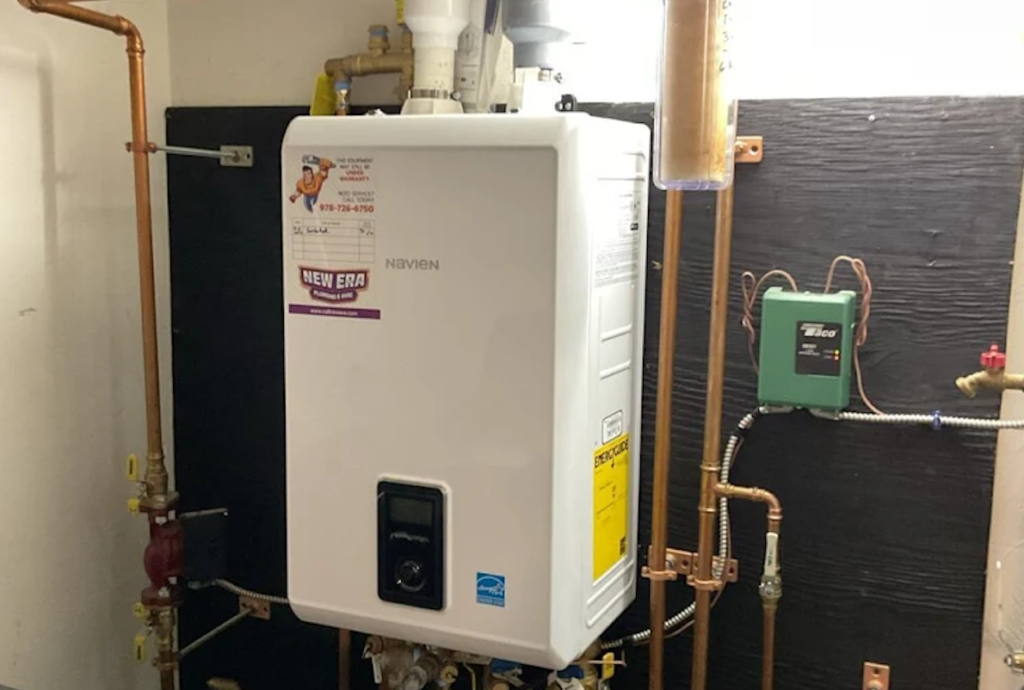
Before you choose a system, it’s important to understand how each type works. While both are designed to supply hot water throughout your home, their operating methods and energy efficiency vary considerably.
In Billerica, MA, long winters and multi-shower households mean water heaters work hard year-round. We’re proud to serve home and business owners in Billerica, MA and nearby communities with water heater installation, repairs, and energy-efficient upgrades.
- Tank water heaters: Use a storage tank water heater that holds heated water until needed
- Tankless water heaters: Act as demand water heaters that heat cold water only when you open a hot water faucet
- Efficiency: Tankless units are more efficient and waste less energy over time
6 Key Differences Between Tankless and Tank Water Heaters
Each of these differences plays a role in determining the right fit for your home. From energy efficiency to maintenance demands, understanding these areas will help you make the best decision for comfort and cost savings.
1. Lifespan
Tankless water heaters typically last longer than tank models due to reduced corrosion and fewer operating cycles.
- Tankless: 18 to 20+ years with regular descaling
- Tank: 8 to 12 years on average, depending on maintenance
- Durability: Longer lifespan helps save money over time
Tankless units may be ideal for homeowners planning to stay in their home long term, offering better return on investment.
2. Installation Cost
Tankless water heaters cost more to install because they require upgraded gas lines, electric panels, or ventilation systems.
- Tankless: $2,000–$4,500 including system and labor
- Tank: $1,000–$2,000 for standard replacement
- Rebates: Tankless systems may qualify for energy incentives
Though the initial cost is higher, tankless models often lower operating costs, especially in homes using natural gas.
3. Energy Efficiency
Because tank systems constantly heat stored water, they waste more energy than tankless models.
- Tankless: Only heats water when needed, reducing standby loss
- Tank: Maintains hot water 24/7, using more energy
- Savings: Tankless units reduce overall energy usage in most homes
Energy-efficient systems are especially helpful for those trying to reduce their carbon footprint or monthly bills.
4. Hot Water Supply
While tank systems provide a large volume of water at once, tankless units offer unlimited supply—within flow rate limits.
- Tankless: Unlimited hot water if properly sized for the home
- Tank: Runs out after high-volume use like back-to-back showers
- Recovery: Tank systems need time to reheat cold water
If your household has high demand across multiple fixtures, tank and tankless models may be combined for consistent delivery.
5. Space Requirements
Tankless systems are compact and wall-mounted, while tank heaters need dedicated floor space.
- Tankless: Great for small homes or apartments
- Tank: Bulky units often require basement or utility room space
- Flexibility: Helps in remodeling or downsizing
Many newer homes install tankless systems to free up space for storage or upgraded HVAC components.
6. Maintenance Needs
Tank systems require periodic flushing to prevent sediment buildup, while tankless units need annual descaling.
- Tankless: Must be flushed annually, especially with hard water
- Tank: Flush every 6–12 months to maintain performance
- Longevity: Regular maintenance reduces breakdowns and waste energy
Staying on top of maintenance will extend both lifespan and performance, helping to avoid unexpected repairs.
Common Questions About Water Heater Systems
Choosing between different water heater systems can feel overwhelming, especially when comparing tank and tankless models. Below are answers to some of the most common questions homeowners ask when deciding which system best fits their needs.
Q: Do tankless water heaters take longer to deliver hot water?
A: Yes, in some cases. Because tankless systems heat water on demand, you might notice a few seconds of delay before hot water reaches the tap. This varies based on how far the hot water faucet is from the unit.
Q: Are tankless systems more expensive to operate?
A: No, they typically cost less over time. Despite the higher initial cost, tankless systems have lower operating costs thanks to their on-demand heating, especially when paired with natural gas.
Q: Can I use a tankless system with my existing plumbing setup?
A: Often yes, but a plumber will check compatibility with your water lines, pressure needs, and any required electrical or gas upgrades. It’s especially important when replacing older storage tank water heaters.
Q: What happens if my tankless unit can’t keep up with demand?
A: You may need a second unit or consider a hybrid approach using both tank and tankless models for large homes or high-demand setups.
Choosing the Right Fit for Comfort and Efficiency
The best choice between a tankless water heater vs tank depends on your hot water habits, space, and long-term goals. Homeowners looking to save money on energy usage and gain unlimited hot water often prefer tankless. Others may prioritize lower upfront costs and simplicity with a traditional tank system. Both systems can perform well when installed correctly and maintained regularly.
Water Heater Experts You Can Trust at New Era Plumbing & HVAC

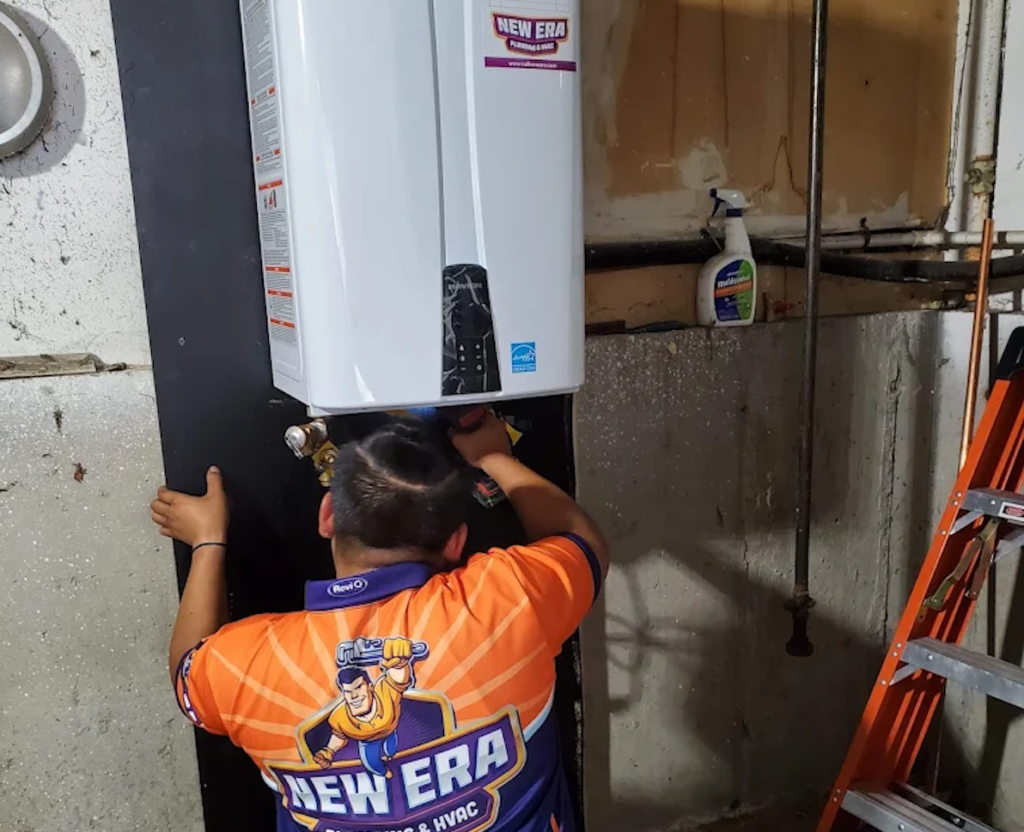
At New Era Plumbing & HVAC, we help Massachusetts homeowners compare water heater options with clarity and confidence. Whether you’re replacing a worn-out tank system or planning a new installation, our licensed team ensures proper sizing, efficient setup, and long-term reliability.
Contact New Era Plumbing & HVAC today to learn more about tankless vs tank water heater options and request your free estimate.