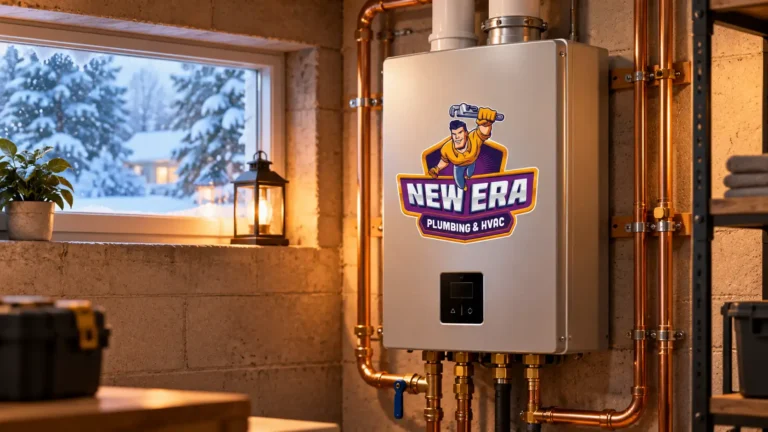

If you are researching a water heater upgrade, tankless water heater cost is probably the first number you want to nail down before going any further. The short answer is that most Massachusetts homeowners pay between $1,800 and $5,500 for a complete tankless installation in 2026, with gas systems running higher than electric and complex retrofits pushing toward the top of that range. But the full picture involves a lot more variables than just the unit price, and understanding them upfront helps you evaluate quotes accurately and avoid surprises. Learn more about tankless water heater installation and what the process looks like with New Era. Here is what this guide covers:
- What tankless water heaters cost in 2026 by type and fuel source
- 6 factors that move the installed price up or down
- How tankless compares to traditional tank water heaters
- What incentives are available to Massachusetts homeowners in 2026
- Frequently asked questions homeowners ask before making the switch
Why Tankless Water Heaters Cost More Upfront
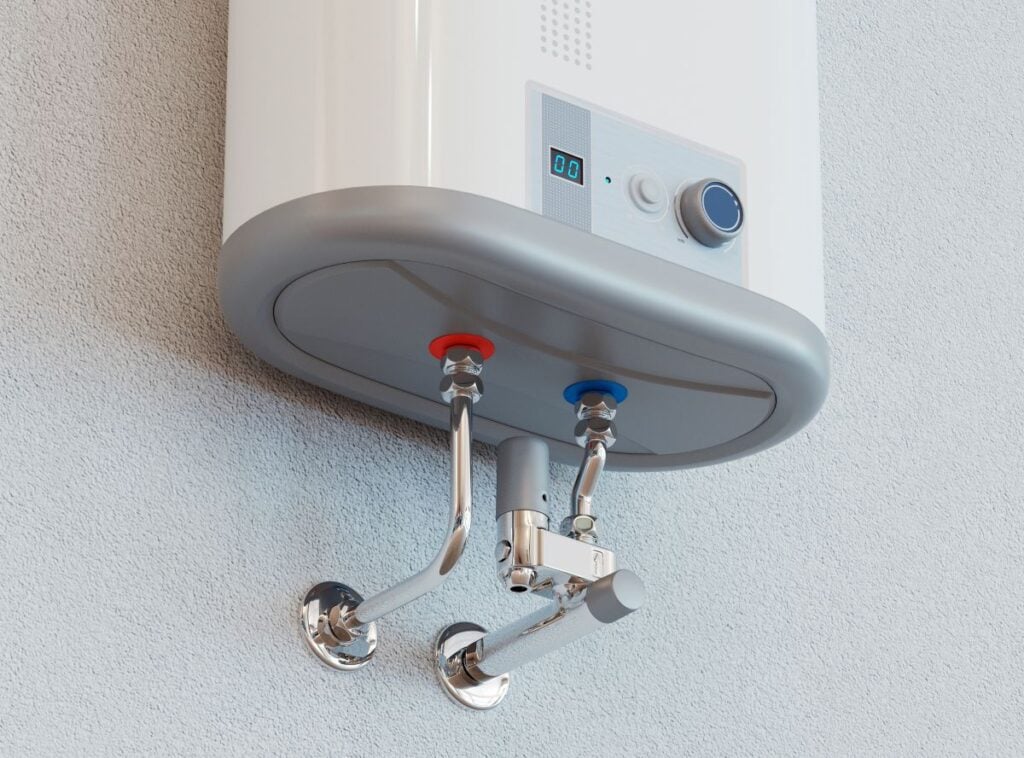
The higher upfront cost of a tankless system is the first thing most homeowners notice, and it is worth understanding why before deciding whether the investment makes sense. According to the U.S. Department of Energy, tankless water heaters can be 24 to 34 percent more energy efficient than conventional storage tank water heaters for homes that use 41 gallons or less of hot water daily. That efficiency advantage is the core reason homeowners are willing to pay more upfront.
Unlike a storage tank heater that keeps 40 to 50 gallons of water heated around the clock regardless of whether it is being used, a tankless unit heats water on demand as it flows through the system. That eliminates standby heat loss, which is the energy wasted maintaining a full tank of hot water 24 hours a day. The tradeoff is a higher unit cost and a more involved installation, particularly when the existing gas line, electrical panel, or venting configuration needs to be upgraded to support the new system.
For homeowners in Chelmsford, MA who plan to stay in their homes long term, the combination of lower monthly energy costs and a lifespan of 15 to 20 years or more typically makes the higher upfront investment worthwhile. For those planning to move within a few years, the math is less clear-cut.
Tankless Water Heater Cost in 2026: By Fuel Type
The fuel type your system uses is the single biggest driver of both unit cost and installation complexity. Here is what installed costs look like across the main options in 2026.
| System Type | Unit Cost | Installed Cost |
| Electric whole-home tankless | $600 to $1,000 | $1,600 to $3,000 |
| Gas whole-home tankless | $750 to $2,000 | $2,700 to $5,500 |
| Propane whole-home tankless | $750 to $2,000 | $2,500 to $5,000 |
| Point-of-use electric (single fixture) | $150 to $300 | $300 to $700 |
Installed costs include the unit, labor, standard connections, permit fees, and removal of the existing water heater. Costs for gas line upsizing, electrical panel upgrades, or new venting are not included in these ranges and are covered in the factors section below.
6 Factors That Affect Your Tankless Water Heater Cost
The price ranges in the table above are a solid starting point, but your actual installed cost is shaped by conditions specific to your home. Some installations are straightforward and come in near the low end of the range. Others require infrastructure work that adds significantly to the total. Understanding these variables ahead of time helps you budget realistically and avoid sticker shock when a detailed quote arrives.
1. Gas Line Capacity
Gas tankless water heaters draw significantly more BTUs than traditional tank heaters. Most existing gas lines in Massachusetts homes were sized for a standard tank unit and are not large enough to supply a tankless system at peak demand. Upsizing the gas line from half-inch to three-quarter inch pipe adds $500 to $1,500 depending on the run distance from the meter to the installation location. This is one of the most common unexpected costs homeowners encounter when switching to gas tankless.
2. Electrical Requirements
Whole-home electric tankless water heaters require a high-amperage dedicated circuit, often 200 amps or more depending on the unit. If your panel does not have available capacity or is already at its limit, an electrical panel upgrade may be required before installation can proceed. Panel upgrades add $1,500 to $3,500 to the project. For this reason, electric tankless systems are not always the lower-cost option they appear to be when panel upgrades are factored in.
3. Venting Configuration
Gas tankless water heaters require a dedicated venting system to exhaust combustion gases safely. Existing vents used by a traditional tank heater often cannot be reused and must be replaced with stainless steel or PVC venting appropriate for the new unit. Venting modifications add $300 to $1,000 depending on the run length and configuration. Condensing gas tankless models, which are the most efficient option, often require a separate condensate drain line as well.
4. Conversion vs. Like-for-Like Replacement
The least expensive tankless installation is a direct replacement of an existing tankless unit of the same fuel type in the same location. A conversion from a traditional tank heater to tankless is more involved and more expensive because the infrastructure, venting, gas line, or electrical circuit, was designed for the old system and often needs to be upgraded or reconfigured. A fuel-source switch, such as converting from electric to gas, adds even more complexity and cost.
5. System Sizing and GPM Requirements
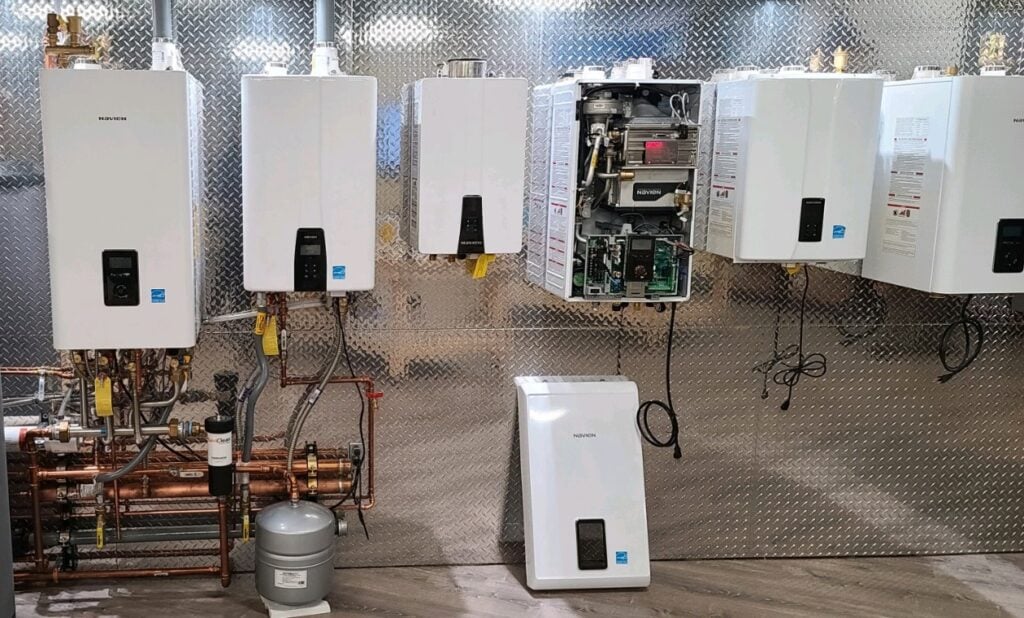
Tankless water heaters are sized by flow rate in gallons per minute rather than tank capacity. A system that is undersized for your household’s peak hot water demand will struggle to keep up, while an oversized unit is an unnecessary expense. Properly sizing a system requires calculating the number of simultaneous hot water fixtures, the flow rate of each fixture, and the temperature rise required given Massachusetts’s cold incoming water temperatures in winter. A licensed plumber performs this calculation as part of the installation process and the accuracy of that sizing directly affects system performance.
6. Location and Access
Units installed in tight, difficult-to-access spaces, such as a crawlspace, attic, or confined mechanical closet, take more labor time and increase installation cost. Relocating the water heater to a new position in the home requires extending water lines, gas lines, or electrical runs and adds several hundred dollars to the project. Standard basement or utility room installations with clear access represent the most straightforward and cost-efficient scenario.
Tankless vs. Traditional Tank: Cost Comparison
Choosing between tankless and a standard storage tank is not just a decision about upfront price. The full cost picture includes lifespan, annual operating costs, and the value of never running out of hot water. Here is how the two options stack up across the factors that matter most to homeowners making this decision.
| Factor | Tankless | Traditional Tank |
| Installed cost | $1,800 to $5,500 | $800 to $1,900 |
| Expected lifespan | 15 to 20+ years | 8 to 12 years |
| Annual energy cost (gas) | $150 to $250 | $300 to $500 |
| Standby heat loss | None | Continuous |
| Hot water supply | Unlimited on demand | Limited by tank size |
| Space required | Wall-mounted, compact | Floor space, 40-80 gallons |
The higher upfront cost of tankless closes the gap significantly when you account for the longer lifespan and lower annual operating costs. Over a 15-year period, the total cost of ownership for a gas tankless system often comes out ahead of replacing a standard tank twice in the same period.
Incentives Available to Massachusetts Homeowners in 2026
The federal 25C tax credit that previously offered up to $600 on qualifying tankless water heaters expired on December 31, 2025 and does not apply to installations completed in 2026. However, two federal programs remain active.
- IRA HEAR rebates: Income-eligible households can qualify for point-of-sale rebates of up to $1,750 on qualifying electric water heaters through state-administered programs. Eligibility is based on household income relative to area median income.
- Mass Save rebates: New Era is a Mass Save participating contractor, which means customers may qualify for utility-sponsored rebates on qualifying high-efficiency water heating equipment. Rebate amounts and eligibility vary by utility provider and equipment specifications.
Ask your New Era technician about current rebate eligibility during your estimate appointment. Rebate programs update frequently and the specifics depend on your income, utility provider, and the equipment chosen.
Common FAQs About Tankless Water Heater Cost
Homeowners researching tankless systems tend to ask the same questions before committing. Here are straightforward answers.
Is a gas or electric tankless water heater a better choice for Massachusetts?
For most whole-home applications in Massachusetts, gas tankless systems offer higher flow rates and better performance during cold months when incoming water temperatures drop significantly. Electric tankless systems are well-suited for point-of-use applications or smaller households with lower simultaneous demand. The right choice depends on your home’s existing infrastructure and hot water usage patterns.
How long does a tankless installation take?
A like-for-like replacement of an existing tankless unit typically takes three to four hours. A conversion from a standard tank system to tankless takes five to six hours on average, plus additional time for any infrastructure work like gas line upsizing or venting modifications. New Era technicians assess the full scope during the estimate visit and provide a realistic timeline before scheduling the installation.
Does tankless water heater installation require a permit in Massachusetts?
Yes. Water heater installation requires a plumbing permit in Massachusetts municipalities. Gas work requires both a plumbing permit and a gas permit. New Era handles all permitting as part of every installation, so homeowners do not need to navigate the process on their own. Unpermitted water heater work can create complications during a home sale and may void the manufacturer warranty.
How long will a tankless water heater last?
Most quality gas and electric tankless water heaters have an expected lifespan of 15 to 20 years or more with proper maintenance. Annual descaling is recommended, particularly in Massachusetts where hard water accelerates mineral buildup inside the heat exchanger. Compared to a traditional tank heater’s lifespan of 8 to 12 years, the longer service life is one of the core financial arguments for tankless.
Can I finance a tankless water heater installation?
Yes. New Era offers flexible financing options through trusted lending partners. A tankless installation is a meaningful investment, and financing allows homeowners to move forward with the right system for their household rather than defaulting to the lowest upfront cost option available. Ask about current terms when you request your quote.
New Era Plumbing & HVAC: Transparent Pricing, Right-Sized Systems
A tankless water heater is only as good as its installation, and getting the sizing and infrastructure right from the start determines how well it performs for the next 15 to 20 years. At New Era Plumbing & HVAC, we assess your home’s gas line capacity, electrical setup, venting configuration, and hot water demand before recommending a system. You get a complete, itemized quote that covers everything, including any infrastructure upgrades, so there are no surprises when the job is done. We are licensed, fully permitted, and proud to serve homeowners throughout Massachusetts and southern New Hampshire.
Contact our team today to schedule your tankless water heater estimate and get a clear picture of what the investment looks like for your specific home.