
Your sump pump sits quietly in a pit in your basement and most homeowners never think about it until something goes wrong. But when something does go wrong, it tends to go wrong fast and at the worst possible time: during a heavy rainstorm, when the water table is rising, and when a flooded basement is the last thing you need. Sump pump repair is one of those home maintenance tasks that rewards attention early and punishes neglect severely. Catching a problem before the pump fails completely almost always means a much smaller repair bill and zero water damage — and avoids the stress of needing emergency sump pump repair in the middle of a storm. If your pump is already showing signs of trouble, learn more about sump pump service and repair and what a service visit involves. Here is what this guide covers:
- How a sump pump works and why it matters
- 9 warning signs your sump pump needs attention
- Common causes of sump pump failure
- Repair vs. replacement: how to decide
- Frequently asked questions homeowners ask about sump pump problems
How a Sump Pump Works and Why It Matters
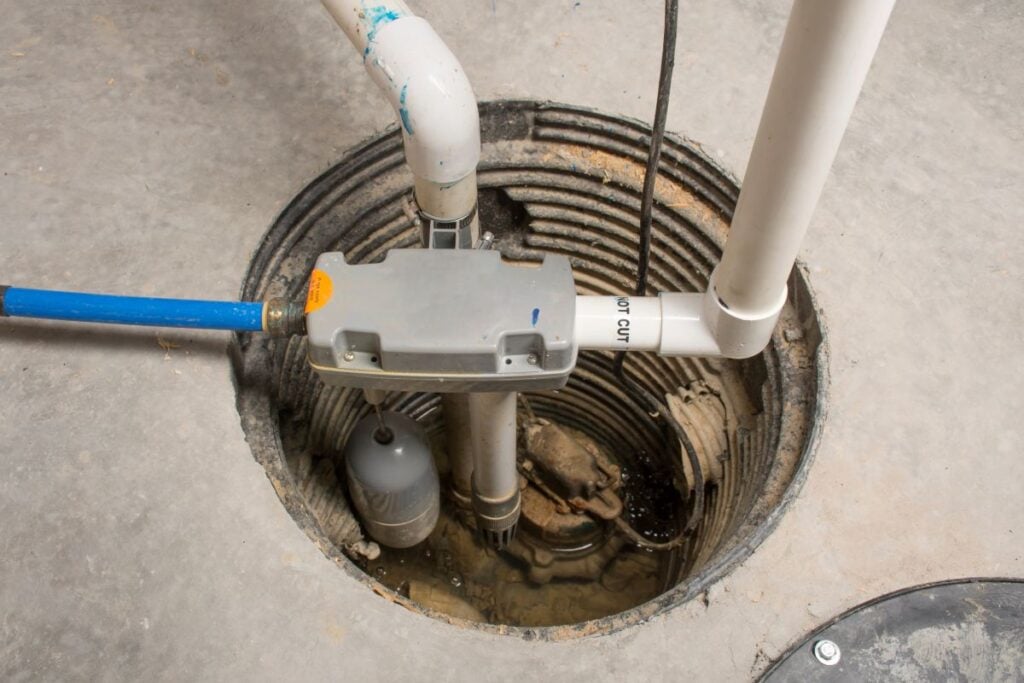
A sump pump is installed at the lowest point of your basement or crawlspace in a pit called the sump basin. Water that accumulates around your home’s foundation through groundwater pressure, heavy rain, or snowmelt drains into this pit. When the water level rises to a set point, the pump activates, moves the water through a discharge line, and expels it away from the foundation, typically 10 to 20 feet from the house.
Without this system working properly, water that reaches the sump basin has nowhere to go and will eventually make its way into your living space. The consequences compound quickly. According to the EPA, it is important to dry water-damaged areas and items within 24 to 48 hours to prevent mold growth. A sump pump failure during a significant rain event can introduce enough water to trigger mold growth, damage flooring, ruin stored belongings, and compromise structural materials, all before most homeowners even realize something has gone wrong.
For homes in Wilmington, MA and across the greater Merrimack Valley, the combination of heavy spring rains, rapid snowmelt, and a high seasonal water table makes sump pump reliability especially critical from March through June. Annual sump pump maintenance is the most reliable way to ensure the pump is ready when it is needed most.
9 Warning Signs Your Sump Pump Needs Repair
Most sump pump failures do not happen without warning. The signs below tell you something is wrong before the pump fails completely. Addressing any of them early is almost always cheaper and less stressful than dealing with the aftermath of a flooded basement.
1. Strange Noises During Operation
A healthy sump pump operates with a consistent hum. Grinding, rattling, clattering, or gurgling sounds during operation indicate internal problems.
- Grinding: Usually points to a damaged or worn impeller, which is the component that moves water through the pump. A damaged impeller reduces pumping efficiency and will eventually cause the motor to burn out.
- Rattling or clattering: Often caused by debris lodged in the pump or a loose component inside the unit.
- Gurgling: Can indicate a check valve issue, which allows water to flow back into the pit after pumping.
2. The Pump Runs Continuously
A sump pump should cycle on when water reaches a set level, remove the water, and then shut off. A pump that runs constantly, even during dry weather when there is no significant water entering the pit, is a serious warning sign.
- Stuck float switch: The float switch triggers the pump to turn on and off. If it gets stuck in the on position, the pump runs without stopping, which leads to motor burnout.
- Check valve failure: A faulty check valve allows pumped water to flow back into the pit, causing the pump to cycle on again immediately and repeat endlessly.
- Wrong pump size: An undersized pump may simply never be able to keep up with the water volume entering the pit, particularly during heavy rain events.
3. The Pump Fails to Activate
If water is visible in the sump pit and the pump is not turning on, the system has failed. This is the warning sign most homeowners only notice when water is already rising and it leaves the least time to respond.
- Float switch malfunction: The float switch may be stuck in the off position or tangled against the pit wall.
- Power issue: Confirm the pump is plugged in and the circuit breaker has not tripped before assuming a mechanical failure.
- Motor failure: If power is confirmed and the pump still does not activate, the motor may have burned out and replacement is likely necessary.
4. Visible Rust or Corrosion
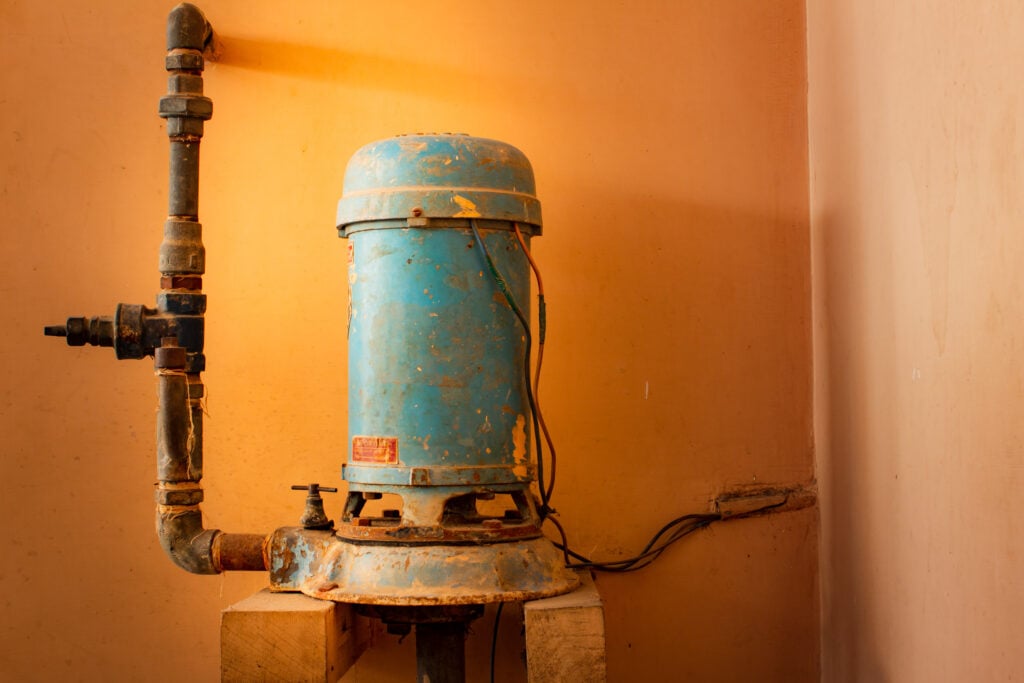
Surface rust on the pump exterior is cosmetic. Rust at discharge pipe connections or inside the pit is more significant and can indicate slow leaks or iron bacteria buildup. Iron bacteria creates a reddish-brown gel that clogs the pump over time and requires cleaning to address.
5. Frequent Cycling During Rain
Rapid on-off cycling during a rain event places excessive wear on the motor with every startup. Common causes include an undersized pump, incorrect pit depth, or a missing check valve that allows water to flow back into the pit after each cycle, triggering the pump to restart immediately.
6. Water in the Basement Despite the Pump Running
A clogged or frozen discharge line is the most common culprit. In Massachusetts winters, discharge lines that are not properly sloped and insulated can freeze solid, preventing any water from leaving the system. A properly installed sump pump will have a correctly pitched discharge line that resists freezing, but older or DIY installations often skip this detail. An overwhelmed or undersized pump can also fail to keep pace during very heavy rain events.
7. Pump Is More Than 7 to 10 Years Old
Most sump pumps have a functional lifespan of 7 to 10 years. Age-related wear accumulates in the float switch, motor bearings, impeller, and seals. A pump approaching or past this range should be inspected annually and considered for proactive replacement, particularly in homes with frequent water intrusion.
8. No Water in the Pit at All
A completely dry sump pit is not always a good sign. It can indicate that the drain tile system directing water to the pit is clogged or disconnected, meaning water is finding another path into the basement. If your home has had water intrusion but the pit is always dry, the drain tile system needs inspection.
9. The Pump Runs but Water Level Does Not Drop
A degraded impeller moves significantly less water per minute than a healthy one. A partial blockage in the discharge line restricts flow without stopping it entirely. Either condition causes the pump to run extended cycles without effectively controlling the water level in the pit.
Common Causes of Sump Pump Failure
Understanding why pumps fail helps homeowners take the preventive steps that extend equipment life and avoid emergency situations.
- Power outages: The most common cause of failure during storms is losing power exactly when the pump is most needed. A battery backup system keeps things running when the grid goes down.
- Float switch problems: The float switch is the most frequently replaced component. Debris, improper positioning, or wear causes it to stick in the on or off position.
- Lack of maintenance: Annual pit cleaning, float switch testing, and discharge line inspection prevent most gradual issues that lead to failure.
- Improper sizing: A pump too small for the home’s water volume burns out from running continuously at capacity.
- Age and normal wear: Motors, seals, and impellers degrade over time regardless of maintenance frequency.
Repair vs. Replacement: How to Decide
Not every sump pump problem requires full replacement. Repair is usually the right choice when the pump is under 7 years old, the issue is isolated to a single component like the float switch or check valve, and the motor is otherwise healthy. Float switch replacement, check valve replacement, and pit cleaning are all modest repairs that restore full function.
Replacement makes more sense when the pump is 10 or more years old, has required multiple recent repairs, or shows signs of motor wear like reduced output and extended run times. Sump pump replacement and sump pump installation by a licensed plumber ensure the new unit is correctly sized, properly positioned, and discharged appropriately for your home’s drainage conditions. Replacing an aging pump proactively almost always costs less than emergency replacement after a flooding event.
We’re proud to serve home and business owners in Wilmington, MA, and nearby communities with sump pump repair, replacement, and installation, and more. Spring is the most demanding season for sump pumps across northeastern Massachusetts, and it is the most important time to confirm your system is ready.
Common FAQs About Sump Pump Repair
Homeowners dealing with common sump pump problems tend to ask the same questions. Here are direct answers.
How do I test my sump pump?
Pour a bucket of water slowly into the sump pit until the float rises and the pump activates. Confirm the pump turns on promptly, lowers the water level effectively, and shuts off cleanly. If it does not activate, fails to lower the water level, or does not shut off, call a plumber for a diagnostic visit.
Should I have a battery backup sump pump?
Yes, for most Massachusetts homeowners. Power outages are most likely during storms, which are exactly when your pump is working hardest. A battery backup activates automatically if the primary pump loses power, providing critical protection during the highest-risk periods.
How much does sump pump repair cost?
A float switch or check valve replacement typically runs $75 to $200. A full pump replacement including labor runs $400 to $900 for a standard submersible unit. Emergency service during a flooding event adds to the total. Proactive repairs and annual maintenance are almost always less expensive than emergency calls.
How often should a sump pump be serviced?
Annual testing and inspection is the standard recommendation, ideally in spring before the heaviest rain season. A service visit confirms the float switch is working, the discharge line is clear, the pit is free of debris, and the motor is running efficiently.
Can I replace a sump pump myself?
Replacing a submersible pump in an existing pit is manageable for a mechanically capable homeowner. However, ensuring correct discharge slope, proper check valve installation, and accurate sizing for your home’s drainage conditions requires plumbing knowledge. New Era recommends professional installation to ensure the system is set up correctly from the start.
New Era Plumbing & HVAC: Ready Before the Rain Comes
A sump pump problem is not something to put off until the next big storm forces the issue. Basement flooding is one of the most disruptive and expensive home emergencies a homeowner can face, and a well-maintained sump pump is your first line of defense against it. At New Era Plumbing & HVAC, we diagnose, repair, and replace sump pumps across Massachusetts and southern New Hampshire with the same transparency and upfront pricing we bring to every job. Whether your pump is showing one of the warning signs above or you simply want the peace of mind of knowing it is ready for spring, we are here to help.
Contact our team today to schedule your sump pump inspection or repair and head into storm season with confidence.