
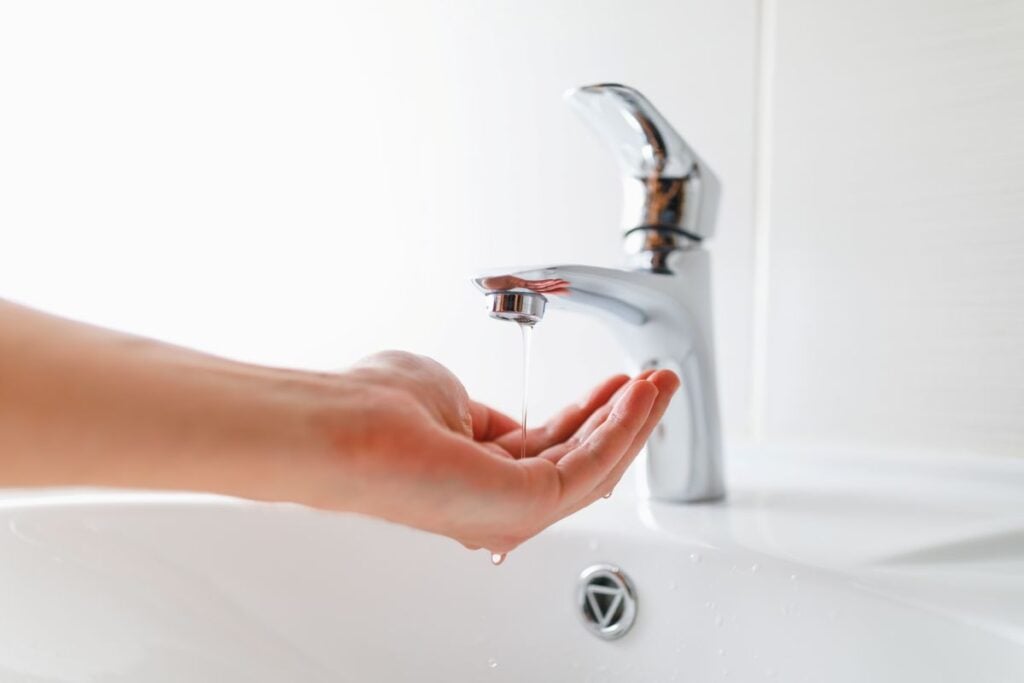
If you’ve been struggling with low water pressure, you’re not alone. Many homeowners deal with slow-running faucets, weak showers, or inconsistent flow throughout the home. While some pressure issues require professional repair, many are caused by simple problems that can be fixed with a few DIY steps. Understanding what leads to pressure loss and how to troubleshoot it can help restore strong, steady water flow and improve your daily routines.
• Clogged aerators restrict sink and shower flow
• Pressure issues may signal a hidden leak
• Mineral buildup affects fixtures and pipes
• Homes in Salem, NH often experience hard-water-related pressure problems
• Not all pressure issues require a full plumbing repair
What Causes Low Water Pressure in a Home
Low water pressure can develop slowly over time or appear suddenly, depending on the source of the problem. In many homes, mineral buildup, small leaks, or failing valves reduce flow without noticeable external symptoms. In Salem, NH, hard water is a frequent contributor to clogged fixtures and restricted flow, especially in older plumbing systems. We’re proud to serve home and business owners in Salem, NH and nearby communities with plumbing diagnostics, fixture repairs, and more.
• Mineral buildup inside pipes: Common in hard-water areas
• Failing pressure-reducing valves: May drop pressure unexpectedly
• Small water leaks: Can significantly reduce household flow
• Partially closed shutoff valves: Restrict water before it reaches fixtures
Signs Your Low Water Pressure Needs Attention
Low water pressure often starts with small changes that become more noticeable over time. Paying attention to these early signs helps you understand whether a DIY fix may work or if the issue is likely deeper in your plumbing system.
• Slow-running faucets: Hot and cold sides may flow unevenly
• Weak shower spray: Often caused by a clogged showerhead
• Pressure drops when appliances run: Indicates supply restrictions
• Inconsistent flow: Water pressure fluctuates during normal use
• Noise in pipes: Whistling or sputtering may indicate air or buildup
6 DIY Steps to Make Low Water Pressure Flow Again
A few simple troubleshooting steps can help identify the cause and restore better flow.
1. Clean the Faucet Aerators
Aerators collect minerals over time, restricting water flow. Removing and cleaning them is one of the easiest ways to restore normal pressure in your home.
• Unscrew the aerator by hand or with pliers
• Rinse debris and soak in vinegar to remove buildup
• Reinstall and test the water flow
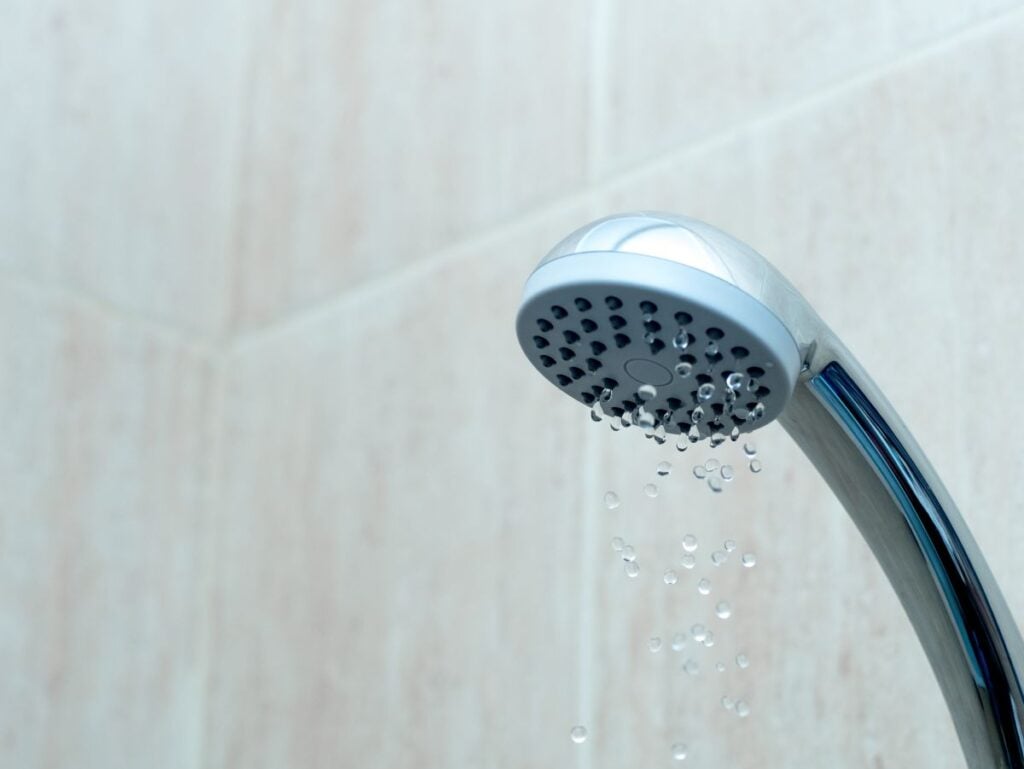
2. Clear the Showerhead
Showerheads often clog with mineral deposits, especially in hard-water areas. Cleaning them improves both pressure and spray pattern.
• Remove the showerhead and soak it in vinegar
• Use a small brush to clean nozzles
• Flush water through it before reinstalling
3. Check All Shutoff Valves
Partially closed valves restrict the water supply. This includes the main shutoff, the water meter valve, and fixtures controlled by a ball valve.
• Verify the main shutoff valve is fully open
• Check under-sink and toilet valves
• Make sure the water meter valve was not partially closed by a water supplier
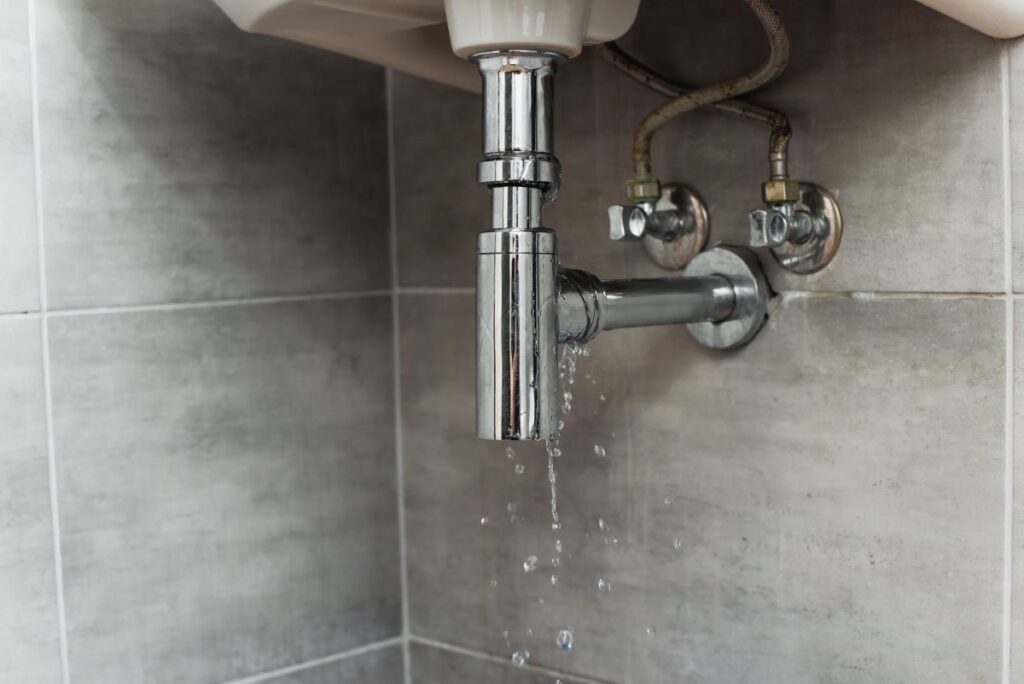
4. Inspect for Visible Leaks
Even small leaks reduce available pressure by diverting water away from fixtures. Leaks also contribute to water waste and potential damage.
• Check under sinks for moisture
• Look for damp areas near pipes
• Inspect for slow drips that cause low flow
5. Flush the Water Heater
Sediment buildup inside the tank reduces hot water pressure. Flushing helps preserve system performance and improves flow at all hot taps.
• Attach a hose to the tank’s drain valve
• Drain until the water runs clear
• Restart the water heater after refilling
6. Test the Pressure-Reducing Valve
Many homes have a pressure-reducing valve near the main line. If this valve malfunctions, pressure can drop throughout the home.
• Look for corrosion or misadjustment
• Adjust the screw gently if pressure is too low
• Replace the valve if testing shows continued issues
When DIY Fixes Aren’t Enough
Sometimes low water pressure signals a deeper plumbing issue requiring professional attention. Corrosion, leaks inside walls, failing pressure regulators, or issues with your water pump or expansion tank can affect pressure throughout the entire home. Homes with older galvanized pipes often experience internal narrowing, which reduces flow far beyond what cleaning can resolve.
Corroded or Aging Pipes
Internal corrosion builds up over decades, shrinking openings until pressure drops significantly. Replacement may be needed for long-term improvement.
Major Supply Line Issues
If your main supply line is compromised, pressure will be reduced throughout the home. A professional evaluation can determine whether repairs or replacements are needed.
Failing Well or Municipal Supply
Sometimes the issue originates with your water supplier or well system. If neighbors are also experiencing low flow, it may be due to temporary supply limitations.
Additional Ways to Improve Water Pressure Throughout Your Home
Improving water pressure often means looking beyond simple fixture-related issues and considering the larger system supplying your home. Ensuring proper function of your water pump, checking how well the expansion tank is operating, and confirming that normal water pressure is reaching your home from the main line can all make a major difference. In some cases, debris buildup at the water meter valve or wear inside older ball valve connections may reduce the flow long before it reaches your faucets. Regular inspections help prevent pressure problems from returning and support steady, reliable water movement throughout the home.
• Confirm your water supplier is delivering normal water pressure
• Inspect the expansion tank for waterlogging or failure
• Evaluate the water pump for performance issues
• Schedule periodic system checks to prevent low flow problems
Why Homeowners Choose New Era Plumbing & HVAC
At New Era Plumbing & HVAC, we understand how frustrating low water pressure can be. Our experienced plumbers offer fast diagnostics, reliable repairs, and honest recommendations to restore dependable water flow throughout your home. Whether the issue is caused by a clogged fixture, a deeper plumbing concern, a failing valve, or an issue with the main water supply, our team provides clear guidance and trusted service.
If you’re ready to fix low water pressure or want a professional evaluation, contact New Era Plumbing & HVAC today to schedule your visit.