
Planning an hvac installation for your home can feel like a big step, especially if you have never replaced a system before. Knowing what to expect ahead of time makes the experience smoother, helps you prepare, and ensures your home gets the comfort upgrade it needs. For homeowners in places like Haverhill, MA, understanding the installation process is especially helpful since seasonal temperature swings can put extra strain on your heating and cooling system and your air conditioner during summer months.
Here are the key points this guide will cover:
- Preparation: What installers check before beginning
- System selection: How professionals match equipment to your home
- Installation steps: What happens during the replacement
- Testing: How the system is verified before completion
How HVAC Installations Are Evolving in 2025
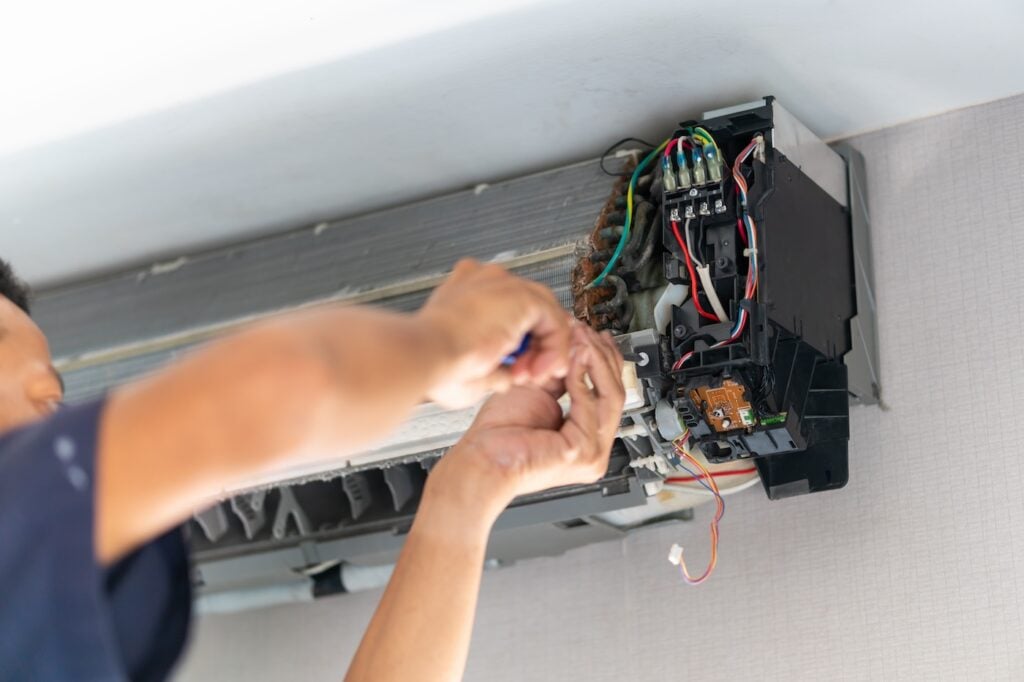
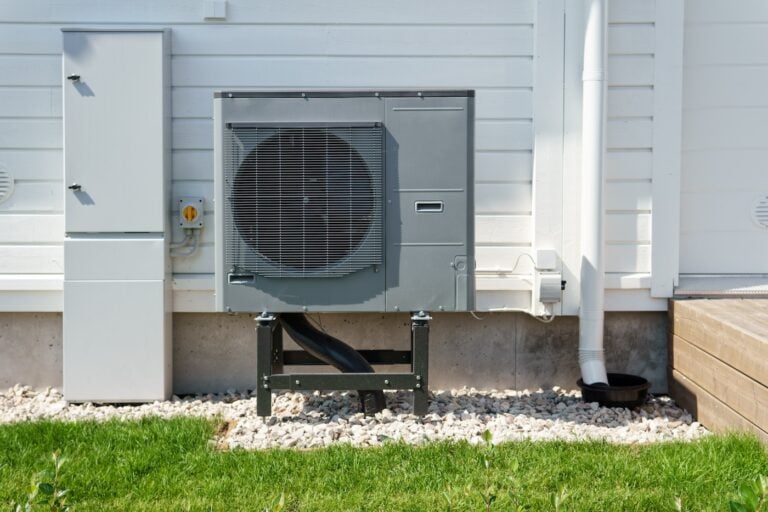
In 2025, HVAC systems continue to improve in energy efficiency, safety features, and performance capabilities. Homeowners can choose from traditional systems, heat pumps, mini splits, and hybrid options, depending on the home’s design and comfort needs. These upgrades offer improved reliability, but they also require proper sizing, airflow evaluation, and professional installation to perform their best. Technicians must also ensure every part of the hvac equipment aligns with local building codes to guarantee a safe and compliant setup. The entire process is designed to ensure the new system operates safely, efficiently, and consistently in every season.
6 Things You Can Expect During an HVAC Installation
Below are the major steps you can expect from a typical HVAC installation in 2025.
- Initial walkthrough: Your technician will begin with a full walkthrough of your home to evaluate airflow, ductwork, insulation, and the existing system’s condition. This helps determine the right size and capacity for your new equipment and ensures the system operates efficiently after installation.
- Equipment selection: The installer will review system options and recommend models that match your home’s layout, climate needs, and preferred efficiency level. Many homeowners choose high-efficiency equipment, especially when upgrading to a new hvac unit or cooling system, to reduce monthly utility bills and support energy efficiency goals.
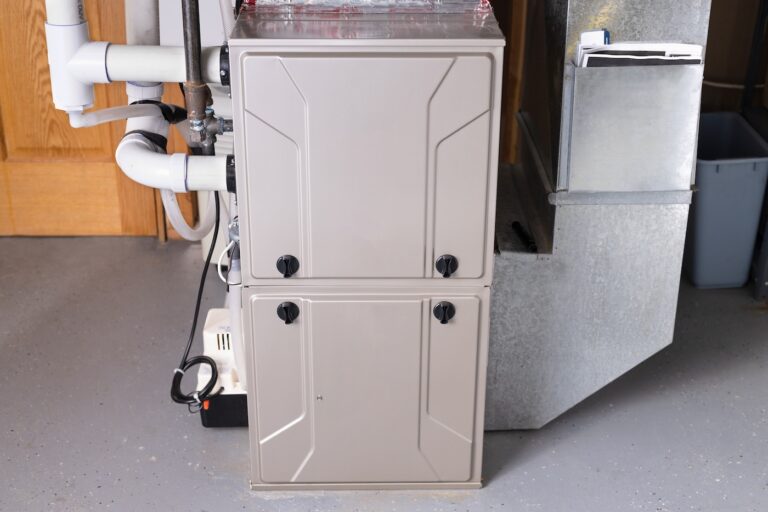
- Removing the old system: Before installing the new equipment, the technician will disconnect and remove your existing furnace or air handling components. This may include safe disposal of old refrigerants or outdated wiring to make room for the new hvac unit.
- Installing the new equipment: Once removal is complete, the new HVAC system is carefully positioned, connected to existing ductwork or lines, and secured. Proper placement ensures consistent airflow throughout your home and helps the system operate efficiently in every season.
- Refrigerant and electrical setup: The installer will connect any refrigerant lines, electrical components, and safety controls needed for the system. Meeting local building codes during this step ensures both safety and reliability over time.
- System testing: After installation, your technician will run the system, check airflow and temperature output, verify electrical function, and ensure the thermostat responds correctly. Any necessary adjustments will be made before the job is complete. These steps help confirm your average hvac installation cost delivers long-lasting value.
Comparing Installation Times for Different HVAC Systems
Installation times vary depending on the type of system you choose. Here is a comparison of what you can expect:
| System Type | Typical Installation Time | Ideal For |
| Standard HVAC System | 1–2 days | Most homes with existing ductwork |
| Heat Pump System | 1–2 days | All-in-one heating and cooling |
| Mini Split System | 1–3 days | Homes without ductwork |
| Dual-Fuel System | 2–3 days | Areas with variable climate conditions |
Preparing Your Home for HVAC Installation
You can help the installation process go smoothly by taking a few small steps before your technician arrives.
Clear access to work areas
Installers need access to the basement, attic, or utility room where your current system sits.
- Move obstacles: Ensure hallways, entrances, and surrounding areas are open.
- Protect belongings: Cover sensitive items or move them away from the workspace.
A clear path lets your technician work safely and efficiently.
Plan for temporary temperature changes
During the installation, your heating or cooling may be off for several hours or longer.
- Prepare extra layers in colder months
- Have fans available during warmer weather
- Open windows if needed for ventilation
Most installations are completed quickly, but planning ahead adds comfort.
What Happens When the System Is Fully Installed
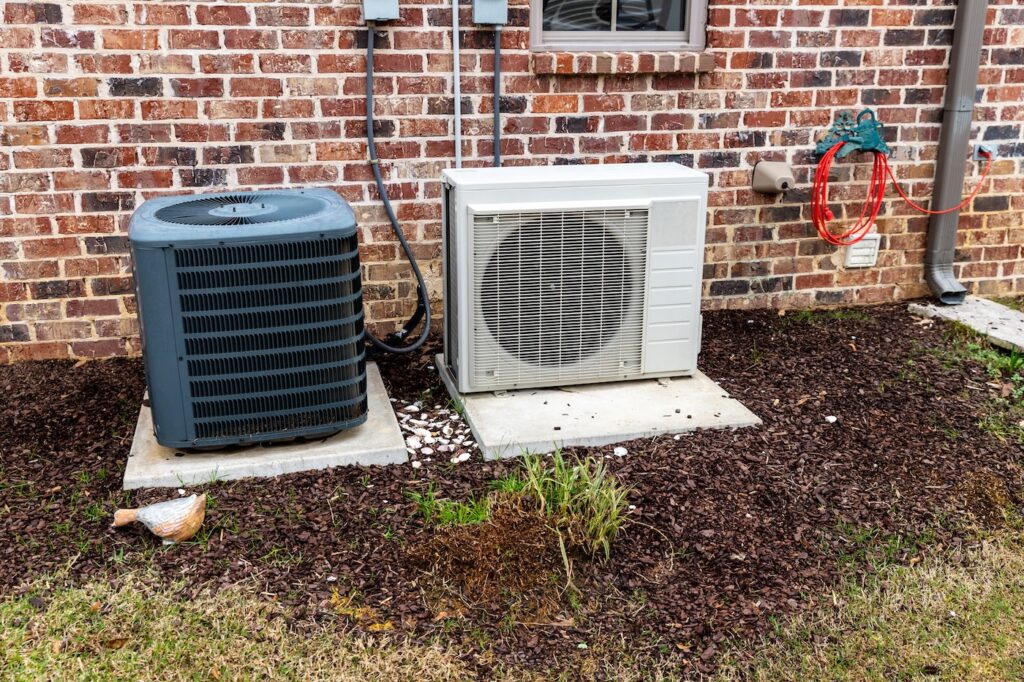
Once your new system is in place, your technician will provide guidance, testing, and instructions to ensure you get the best performance from your investment.
Comfort testing and airflow adjustments
Your technician will verify:
- Airflow: Vents push out balanced, consistent air
- Temperature control: Thermostat readings match system output
- Noise level: The system operates quietly and smoothly
- Safety features: Shutoff switches and controls work properly
These checks help confirm the system is performing as expected and that your hvac equipment is working at its full heating and cooling potential.
Learning how to use your new system
Homeowners receive a walkthrough on how to operate thermostat settings, understand energy-efficient modes, and recognize early signs of system issues. This helps keep your equipment running properly through the year and protects the performance of your new hvac unit.
Post-Installation Maintenance and Care
Routine maintenance is an important part of protecting your new investment and ensuring it continues to perform well.
What maintenance checks include
Technicians typically look at:
- Filter condition: Clean filters support strong airflow
- Electrical connections: Secure wiring prevents system interruptions
- Drain lines: Clear drainage reduces moisture issues
- Coil condition: Clean coils improve efficiency
These tasks help extend system life and reduce the chance of unexpected repairs that could impact the operation of your heating or cooling system.
Maintenance plan benefits
Many homeowners join programs like New Era’s White Glove Club, which includes seasonal tune-ups and priority scheduling. Routine visits from trained hvac technicians help ensure your system operates efficiently and remains reliable year-round.
Signs Your HVAC System Was Installed Correctly
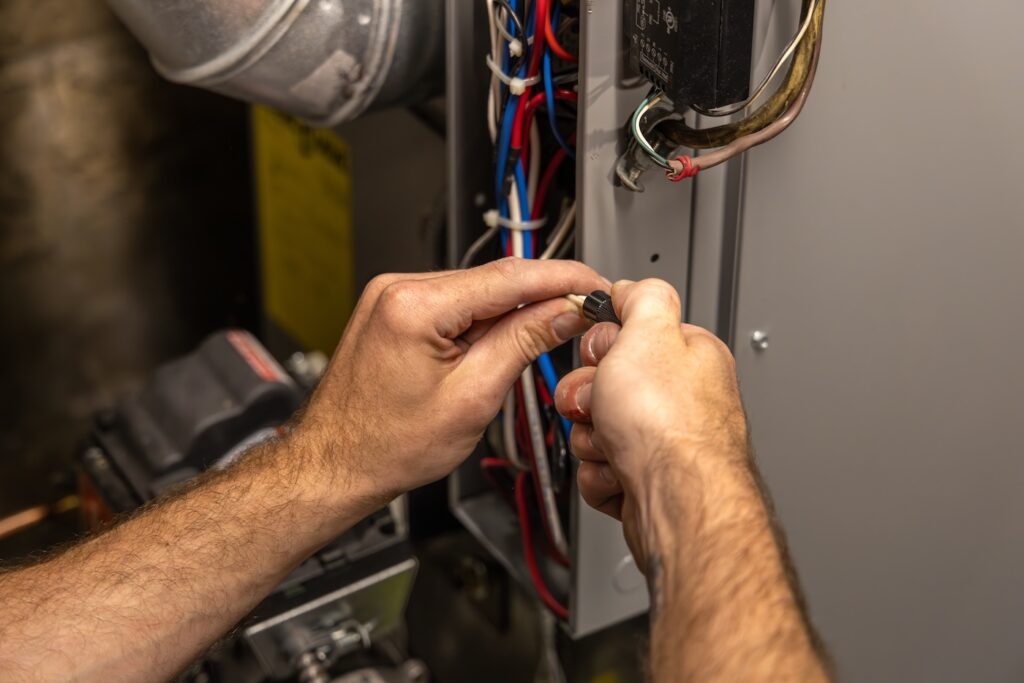
You can usually tell your system was installed properly if:
- Your home reaches the desired temperature without frequent cycling
- Airflow feels consistent across different rooms
- The system operates quietly and smoothly
- Your utility bills remain stable or improve
If anything feels unusual, your installer can recheck the system and make adjustments.
Trust New Era Plumbing & HVAC for Your Next HVAC Installation
When you’re investing in a new HVAC system, you deserve a team that makes the process clear, comfortable, and stress-free. New Era Plumbing & HVAC brings more than 19 years of hands-on expertise, certified training from Mitsubishi and Bryant, and a people-first approach that puts your home’s comfort at the center of every decision. We take time to explain your options, install systems with precision, and keep communication transparent from start to finish.
We’re proud to serve home and business owners in Haverhill, MA, and nearby communities with hvac installation and more. If you want reliable guidance, honest pricing, and a team that treats your home like their own, contact New Era Plumbing & HVAC today to schedule your free quote and take the first step toward installing a more efficient, dependable home comfort system.