If you’ve been searching how to unclog a toilet, you’re not alone, especially when dealing with a slow draining bowl or water rising dangerously close to the rim. While it is tempting to grab the nearest plunger and hope for the best, there is a right way to clear a toilet that protects your pipes and prevents future problems. This guide walks you through the safest and most effective methods.
- The right tools make a big difference in safety and results
- Chemical drain cleaners can damage pipes and fixtures
- Avoid flushing repeatedly when water is rising
- Plungers and augers must be used correctly
- Westford, MA homes with older plumbing may clog more easily
Why Toilets Clog and What Makes It Worse
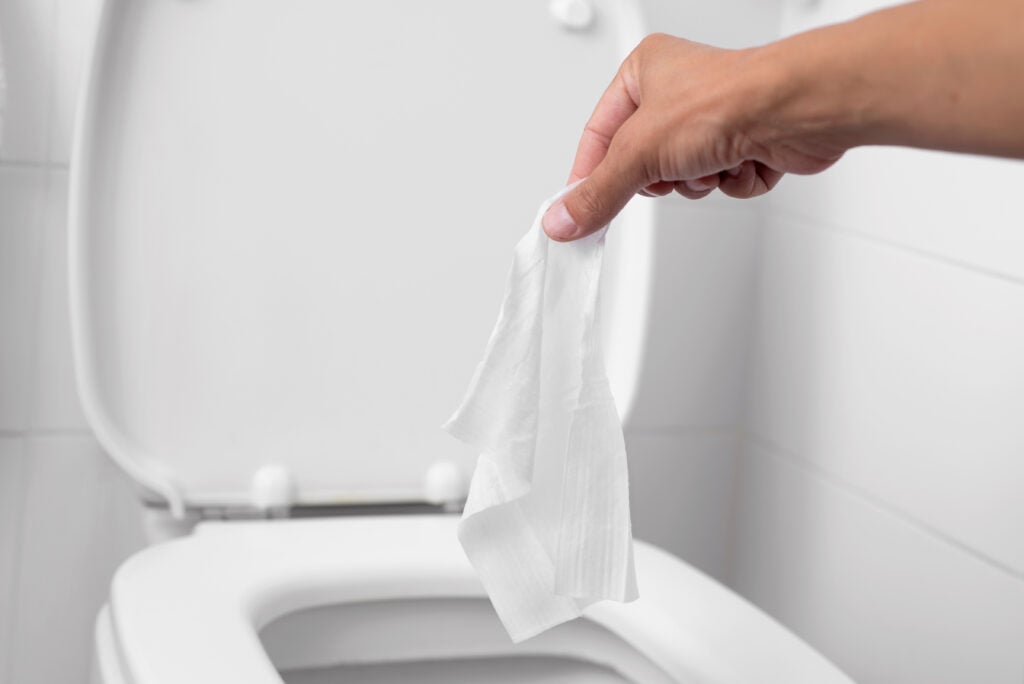
Toilets clog for a variety of reasons, but most issues come down to improper flushing habits or restricted drainage. Understanding the cause helps you choose the safest and most effective solution. In Westford, MA, many homes have aging plumbing systems that are more prone to buildup and reduced pipe diameter. We’re proud to serve home and business owners in Westford, MA and nearby communities with professional drain cleaning and plumbing services.
- Flushing non flushable items like wipes, paper towels, or hygiene products
- Low flow toilets that do not generate enough force to clear heavy waste
- Mineral buildup inside drainpipes that narrows the passage over time
- Venting issues that slow drainage and create pressure imbalances
7 Steps To Unclog A Toilet Without Harming Pipes
Taking the proper approach prevents cracked porcelain, broken seals, or pipe damage. These steps focus on clearing the blockage safely while protecting your plumbing system.
1. Stop the Flow of Water
Act quickly to prevent overflow. Remove the tank lid and press the flapper valve down to stop more water from entering the bowl. If necessary, turn off the shut off valve behind the toilet to fully cut the water supply.
- Close the flapper immediately to stop additional water from filling the bowl
- Turn the shut off valve clockwise if the water level continues rising
- Place towels or a bucket nearby to manage standing water on the floor
2. Use the Right Plunger
A flange plunger is designed specifically for toilets and provides a tighter seal than a flat sink plunger. Using the correct tool significantly improves your chances of breaking up the clog safely.
- Choose a flange style plunger that fits securely into the toilet bowl opening
- Ensure the rubber cup fully covers the hole to create strong suction pressure
- Visit your local hardware store to find durable, high-quality plungers
3. Plunge with Proper Technique
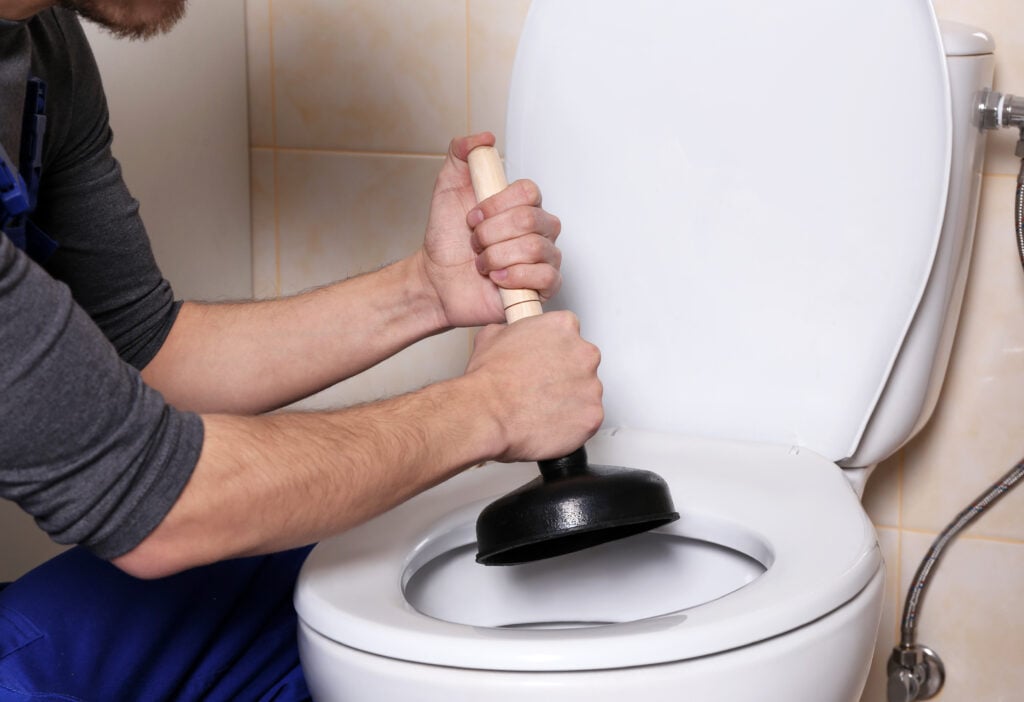
Technique matters more than force. Position the plunger upright and use steady, controlled pressure to push and pull, creating suction that loosens the clog gradually.
- Keep the plunger vertical to maximize pressure and suction effectiveness
- Perform 15 to 20 steady plunges while avoiding splashing
- Remove as much water as needed first if the bowl is overly full
4. Try Hot Water and Dish Soap
If plunging does not immediately work, add a few squirts of dish soap followed by hot tap water. This helps lubricate and soften the blockage before attempting to plunge again.
- Pour dish soap directly into the bowl to break down grease and waste
- Add hot tap water (not boiling) carefully to avoid cracking the porcelain
- Let it sit for 10 to 15 minutes before plunging again
5. Use a Toilet Auger
A toilet auger is designed to reach deeper clogs located beyond the trap. Slowly rotate the handle while guiding the flexible cable through the drain until resistance decreases.
- Insert the auger gently into the toilet bowl to avoid damage
- Rotate the handle slowly to break apart or retrieve the obstruction
- Keep a bucket nearby to hold any waste or debris pulled back
6. Avoid Chemical Drain Cleaners
Chemical cleaners may promise quick results, but they can corrode pipes, damage seals, and create safety hazards if the toilet overflows.
- Harsh chemicals can damage components inside septic tanks
- These products often leave behind residue that causes corrosion
- Safe plunging and physical tools are better long-term solutions
7. Call a Professional If It Still Won’t Drain
If multiple safe methods fail, the clog may be located deeper in the drain line or main sewer connection. A professional plumber can diagnose and clear the blockage without risking further damage.
- Persistent clogs may indicate hidden damage or a pipe obstruction
- Licensed plumbers have equipment to clear lines safely and thoroughly
- Calling a plumber helps avoid toilet bowl damage from repeated attempts
Extra Tips to Prevent Future Toilet Clogs
Simple habits can significantly reduce the likelihood of future clogs. Preventative care protects both your toilet and your overall plumbing system.
- Never flush wipes, paper towels, or anything besides toilet paper
- Clean your toilet bowl regularly using a toilet brush to prevent buildup
- Schedule drain cleaning annually in homes with older plumbing
- Be cautious of low flow fixtures that may not clear heavy waste
Common Questions About Unclogging Toilets
Toilet clogs are one of the most common plumbing issues homeowners face. These questions help clarify when a DIY solution is appropriate and when professional service is needed.
Q: Why does my toilet clog so often?
A: Frequent clogs may be caused by low flow toilet design, partial blockages, or buildup inside older pipes. If the problem repeats regularly, a professional inspection may be necessary.
Q: Can I use boiling water to unclog a toilet?
A: No. Boiling water can crack porcelain. Hot tap water is safer and still effective when combined with dish soap or plunging.
Q: How do I know if the clog is deeper in the pipe?
A: If an auger does not resolve the issue and the toilet continues backing up, the blockage may be further down the drain line or in the main sewer connection.
Q: Is it safe to plunge repeatedly?
A: Yes, as long as the water level is controlled and you use proper technique. Repeated steady plunging is safer than forcing excessive pressure.
Protect Your Plumbing With New Era Plumbing & HVAC
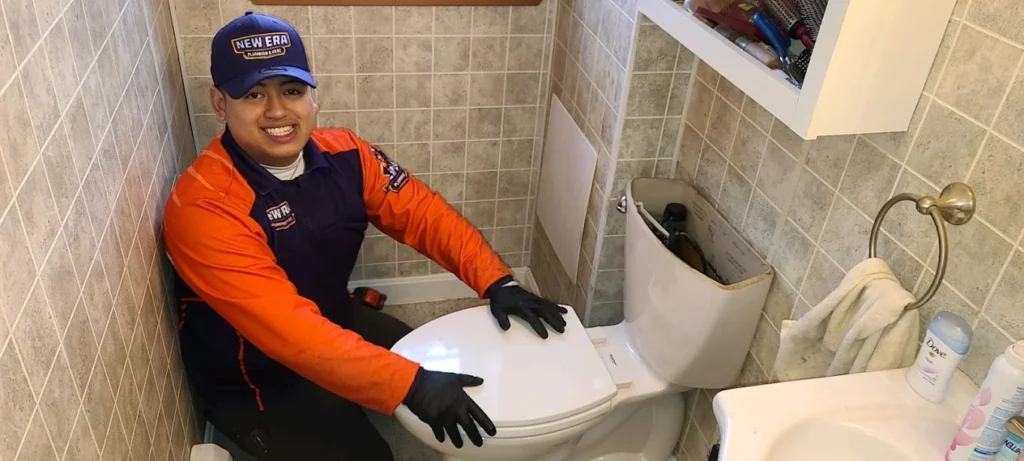
At New Era Plumbing & HVAC, we understand how frustrating a clogged toilet can be. Our licensed plumbers use professional tools and proven methods to clear blockages safely without damaging your pipes or fixtures. Whether the clog is minor or part of a larger plumbing issue, we provide dependable service and lasting solutions.
If you need help with a stubborn clog in Westford, MA or nearby communities, contact New Era Plumbing & HVAC today to schedule expert plumbing service.