
When you encounter a slow or completely blocked drain, knowing how to unclog a sink becomes essential for preventing major plumbing issues and keeping your home running smoothly. A clogged sink can disrupt everyday routines, cause unpleasant odors, and lead to water damage if the blockage is left untreated. In Billerica, common clogs often form from grease, soap residue, or trapped debris deep within the drain. Using proper methods helps you clear blockages safely without damaging your plumbing. This guide will walk you through effective techniques and preventative habits to keep your sink flowing freely.
In this guide, you will learn:
- Causes: What typically leads to sink clogs
- Methods: Safe techniques to remove blockages
- Tools: When to use mechanical or chemical options
- Prevention: How to stop clogs from forming
- Professional Help: When to call a plumber
Why Knowing How to Unclog a Sink Matters
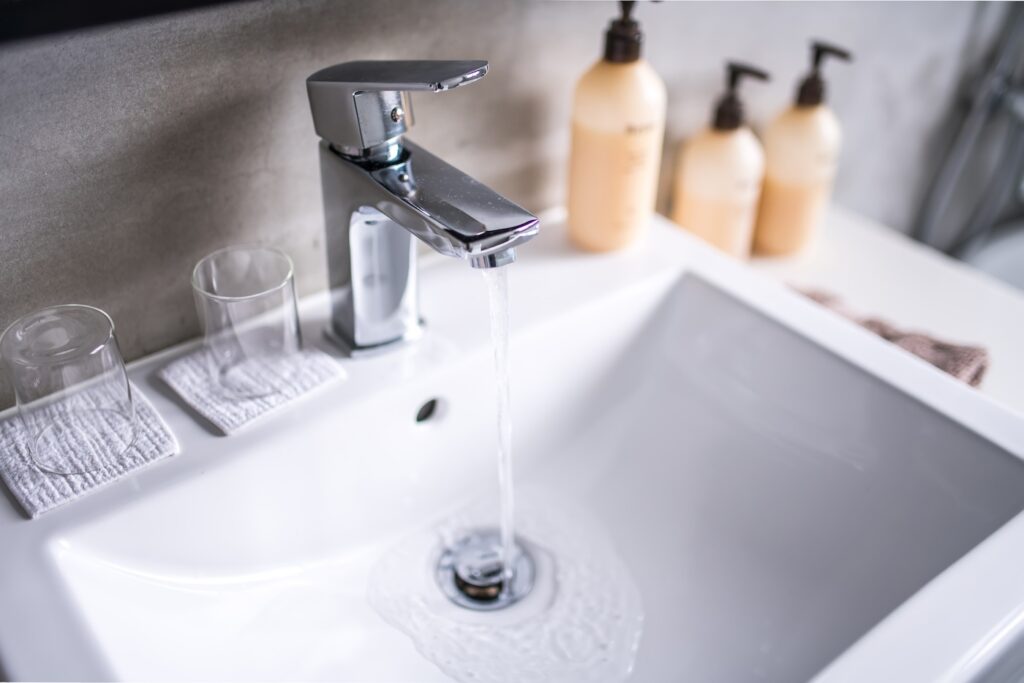
Understanding how to handle a clogged sink empowers you to respond quickly and confidently when drainage problems arise. Slow or standing water can cause foul odors, attract bacteria, and create unsanitary conditions around the sink area. Delayed action may also result in overflowing water that damages cabinets, floors, or connected plumbing.
A few benefits of knowing these methods include:
- Savings: Prevent unnecessary plumbing service fees
- Hygiene: Reduce bacteria and prevent stagnant water
- Convenience: Restore your sink’s function quickly
- Awareness: Recognize early signs of deeper issues
- Maintenance: Build better long-term plumbing habits
7 Essential Steps on How to Unclog a Sink
Below are expanded, easy-to-follow steps that address most common sink clogs. Each method is designed to be safe for homeowners and effective for typical household plumbing problems.
1. Remove Visible Debris
Look around the drain opening and remove anything that may be blocking water flow such as hair, food scraps, or soap residue. Many shallow clogs are caused by buildup right near the surface. Gently clean around the stopper and remove debris with gloves or tweezers.
2. Try a Plunger
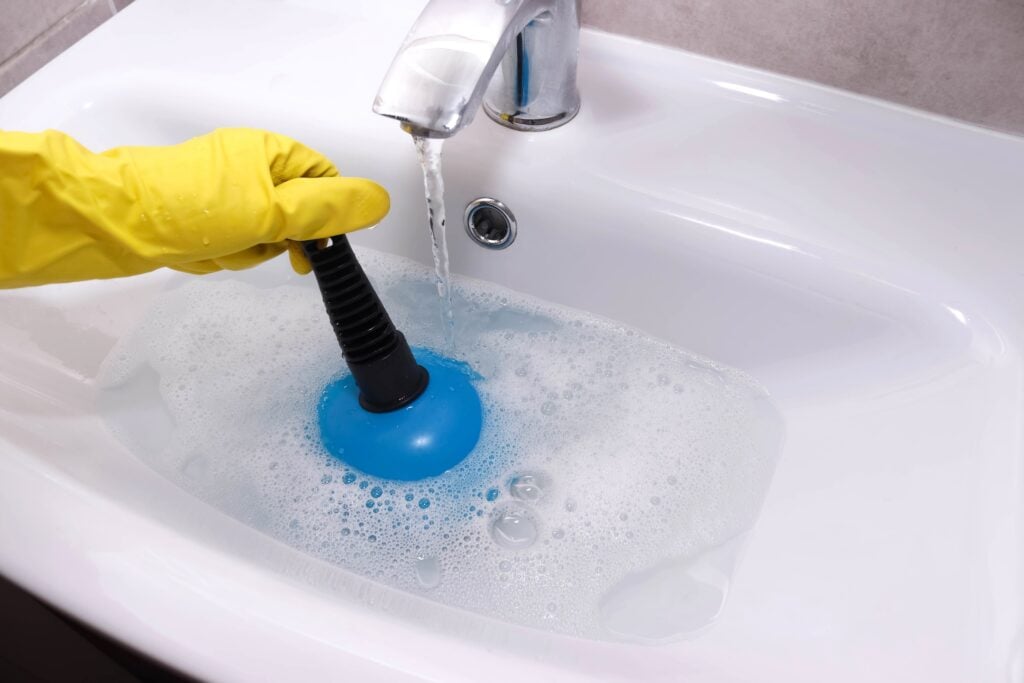
A plunger can quickly loosen clogs located deeper in the drainpipe. Fill the sink with a small amount of water to create suction. Cover the overflow hole with a cloth to increase pressure, then pump the plunger in firm, repetitive motions until the water begins to drain more easily.
3. Use Baking Soda and Vinegar
This natural solution is effective for mild clogs and safe for most plumbing systems. Pour half a cup of baking soda into the drain, then follow with half a cup of vinegar. The bubbling reaction helps break down buildup. Allow the mixture to sit for fifteen to thirty minutes before flushing with hot water.
4. Insert a Drain Snake or Wire Hanger
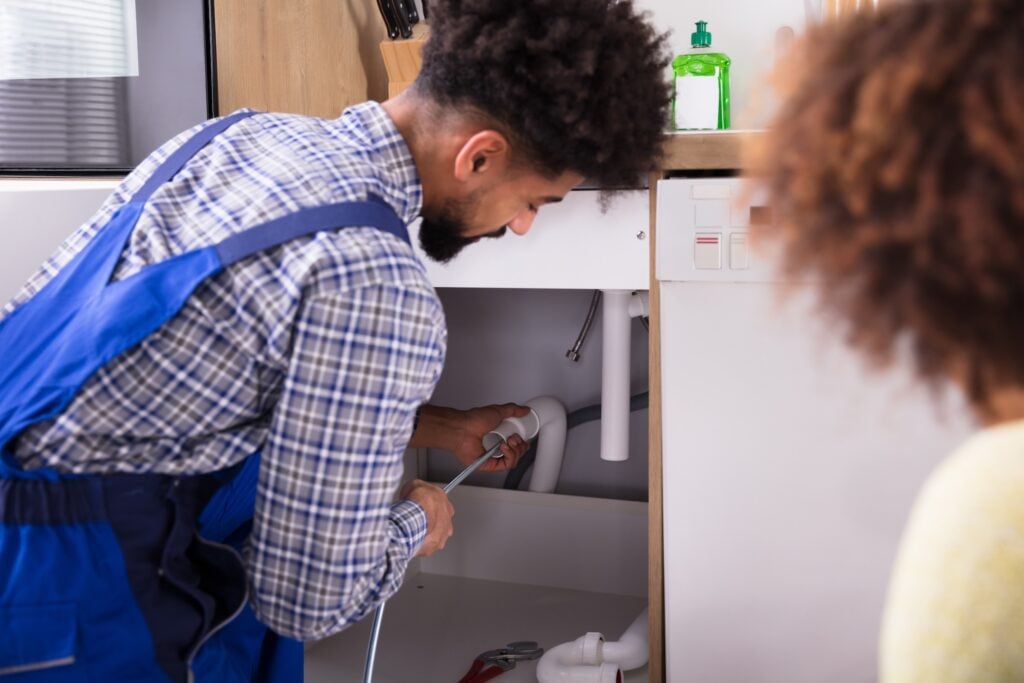
For deeper blockages, insert a simple drain snake or straightened wire hanger into the pipe. Twist gently as you push downward to break through the clog or pull debris upward. Take your time and avoid forcing the tool to prevent scratching or bending the pipe.
5. Flush With Hot Water
Hot water is effective at loosening grease and soap scum. Slowly pour very hot tap water into the drain to help dissolve residues that line the inside of the pipe. If you have PVC piping, avoid boiling water to prevent heat damage.
6. Avoid Chemical Cleaners at First
Chemical drain cleaners can dissolve blockages, but they may also weaken pipes or damage older plumbing materials. Use them sparingly and only as a later option. Always follow the manufacturer’s instructions and consider environmentally friendly alternatives when possible.
7. Call a Professional When Needed
If clogs keep returning or your sink remains slow even after multiple attempts, a plumber can diagnose the issue more thoroughly. Professionals use tools like motorized augers and drain cameras to locate deep blockages. This ensures the problem is resolved safely and helps prevent long-term damage.
Common Causes of Sink Clogs
Understanding what typically creates clogs can help you prevent them. Sink blockages often result from daily habits that allow debris to enter the drain and accumulate over time.
- Grease and Oil: These substances harden inside pipes and trap food particles
- Food Scraps: Items like eggshells, coffee grounds, and fibrous vegetables contribute to buildup
- Hair and Soap Scum: Bathroom sinks commonly clog due to tangled hair mixed with residue
- Foreign Objects: Small items such as jewelry or toothpaste caps can obstruct water flow
- Improper Disposal Habits: Overloading or misusing a garbage disposal increases blockage risk
When to Choose Professional Plumbing Assistance
Some problems indicate a deeper issue that cannot be solved with household tools. Waiting too long can result in leaks or sewer line complications. If you experience any of the signs below, contacting a plumber is the safest choice.
- Recurring Clogs: Blockages that return shortly after clearing
- Multiple Slow Drains: Could signal a larger system blockage
- Water Backups: Water rising into sinks or tubs
- Visible Leaks: Drips or moisture under cabinets
- Odors or Gurgling: May indicate trapped waste or poor ventilation
Tips for Maintaining a Clear, Healthy Drain
Preventative care is the simplest way to avoid persistent sink clogs. A few small adjustments to your routine can significantly reduce the likelihood of buildup inside your pipes.

- Use Drain Screens: Catch debris before it enters your plumbing
- Avoid Pouring Grease: Dispose of fats in sealed containers
- Run Hot Water Regularly: Helps clear soap and grease residue
- Use Your Disposal Correctly: Avoid hard, stringy, or starchy foods
- Schedule Plumbing Inspections: Identify developing problems early
Ready to Resolve Your Sink Issues?
Now that you understand how to unclog a sink effectively, you can handle many common plumbing problems with confidence. If you live in Burlington and need fast, reliable support for stubborn or recurring clogs, New Era Plumbing & HVAC provides professional plumbing services tailored to the needs of local homeowners.
When you prefer expert help or encounter a blockage that refuses to clear, our licensed team is here to restore proper drainage and protect your home’s plumbing. Contact us today to schedule service and keep your sinks running smoothly.