
If you’re comparing heating and cooling options, understanding heat pump vs central air systems is essential for choosing the right setup for your home. While both heat pumps and air conditioners help regulate indoor temperatures, they function differently and offer unique benefits depending on your climate, energy goals, and home setup. This guide breaks down the key differences so you can make a confident decision.
- Heat pumps provide both heating and cooling in one system
- Central ac systems focus on cooling only
- Energy efficiency varies based on climate and usage
- Installation costs and system design differ
- Homes in Haverhill, MA experience both heating and cooling demands
Key Differences Between Heat Pumps and Central Air
Before diving into details, it’s important to understand how these systems operate at a high level. Both heat pumps and air systems use airflow and refrigerant to regulate indoor temperatures, but their purpose and performance differ depending on the season.
A heat pump can both heat and cool your home by transferring heat, while central air conditioning systems are designed strictly for cooling and must be paired with a gas furnace or another heating system for winter use.
| Feature | Heat Pump | Central Air System |
| Primary Function | Heating and cooling | Cooling only |
| Energy Source | Electricity | Electricity + furnace |
| Winter Performance | Less efficient in extreme cold | Furnace handles heating |
| Installation | All-in-one system | Split system with furnace |
| Energy Usage | Lower in mild climates | Depends on furnace efficiency |
Choosing between these options often comes down to how much heating your home needs and how cold your winters get.
How Each System Works
Understanding how each system operates helps explain why performance and efficiency differ. While both rely on refrigerant and airflow, their processes are not the same and affect how your cooling system and indoor air comfort perform throughout the year.
How a Heat Pump Works
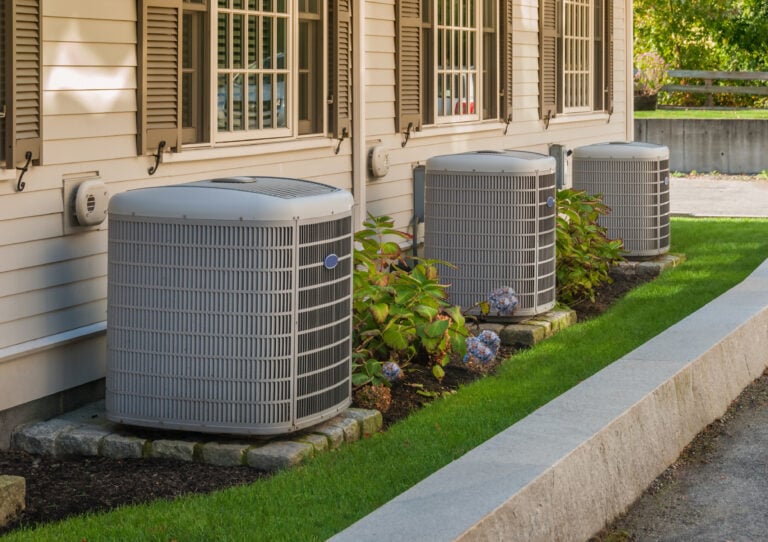
A heat pump transfers heat rather than generating it. In cooling mode, it removes heat from your home and releases it through the outdoor unit, similar to an air conditioner. During colder months, it reverses operation and pulls heat inside.
- Heat transfer process: Moves heat instead of creating it
- Dual functionality: Provides both heating and cooling
- Energy efficient operation: Reduces overall energy usage
This makes heat pumps a flexible and energy efficient solution for homeowners looking to simplify their HVAC setup while lowering their carbon footprint.
How Central Air Works
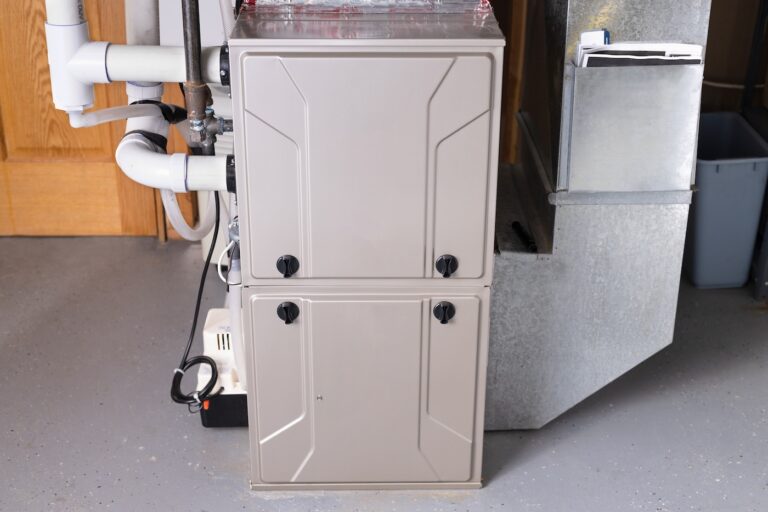
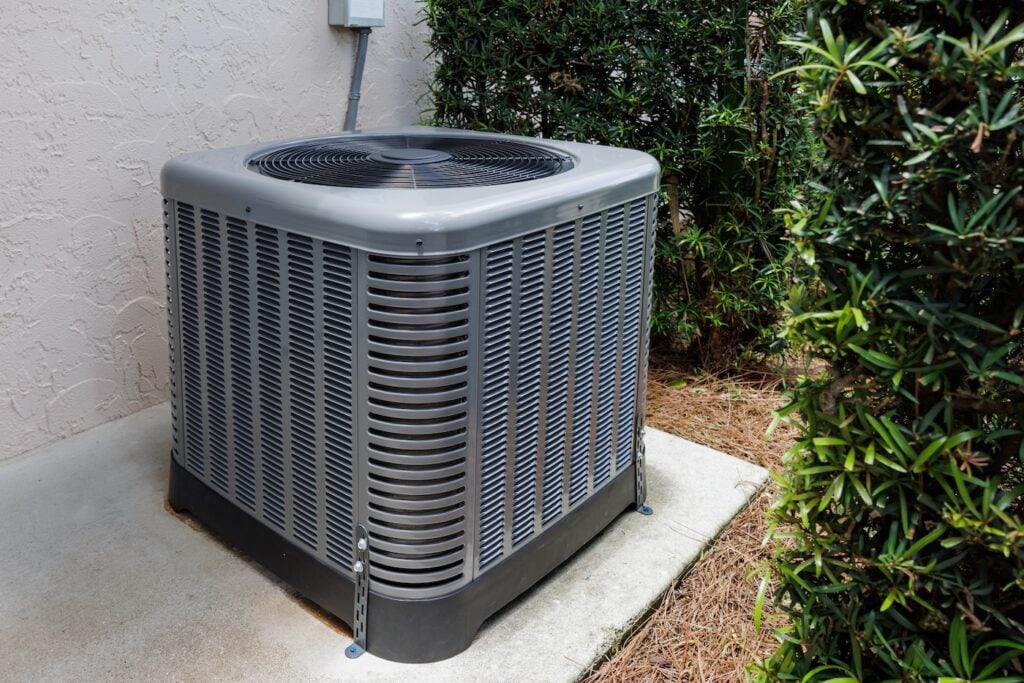
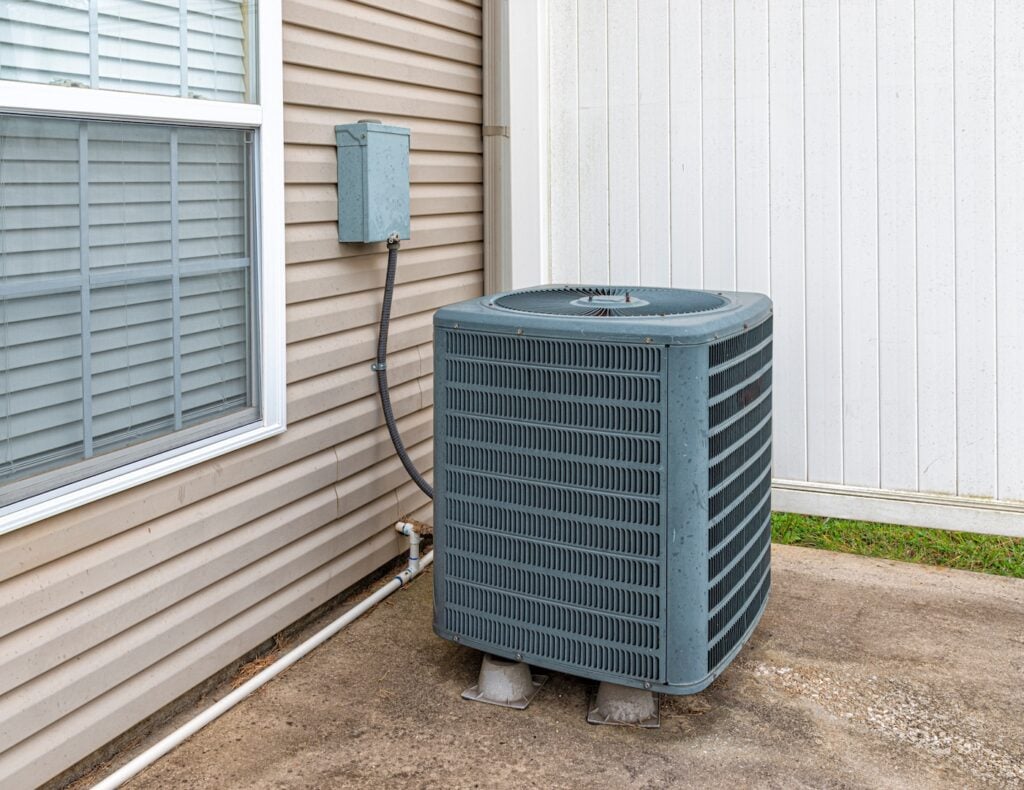
Central air systems are designed to cool your home by removing heat from indoor air and releasing it outside through the outdoor unit. This type of ac system works alongside a furnace or heating system to provide full comfort.
This makes heat pumps a flexible and energy efficient solution for homeowners looking to simplify their HVAC setup while lowering their carbon footprint. Heat pumps can reduce electricity use for heating by approximately 50% compared to electric resistance heating, which makes them especially appealing for long-term energy savings.
- Cooling-only system: Requires a separate heating source
- Strong cooling output: Effective during hot summer conditions
- Paired system design: Works with ductwork and furnace
5 Factors to Consider When Choosing a System
Choosing between a heat pump and central air depends on several key factors. These considerations help homeowners determine which system will perform best based on usage, efficiency goals, and home layout.
1. Climate Conditions
Colder climates can impact heat pump performance, especially during freezing temperatures.
- Cold winters: Furnaces provide stronger heating
- Mild climates: Heat pumps perform efficiently
- Seasonal balance: Consider both heating and cooling needs
2. Energy Efficiency Goals
Efficiency plays a major role in long-term operating costs and environmental impact.
- Heat pumps: Typically reduce overall energy usage
- Central air systems: Efficiency depends on furnace pairing
- Carbon footprint: Heat pumps often reduce emissions
3. Installation Requirements
System setup and existing infrastructure can influence installation decisions.
- Existing ductwork: Supports both systems
- System replacement: May require upgrades
- Equipment layout: Outdoor unit placement matters
4. Upfront and Long-Term Costs
Initial investment and ongoing expenses both play a role in decision-making.
- Upfront cost: Heat pumps can be higher initially
- Operating costs: May save money over time
- Maintenance needs: Both systems require regular service
5. Home Comfort Preferences
Comfort includes temperature consistency, humidity control, and airflow.
- Even heating: Furnaces often provide stronger warmth
- Consistent cooling: Both systems perform well
- Indoor air quality: Depends on system performance
Pros and Cons of Each Option
Each system has advantages and limitations depending on your home and climate. Understanding both sides helps you make a balanced and informed decision.
Heat Pump Pros and Cons
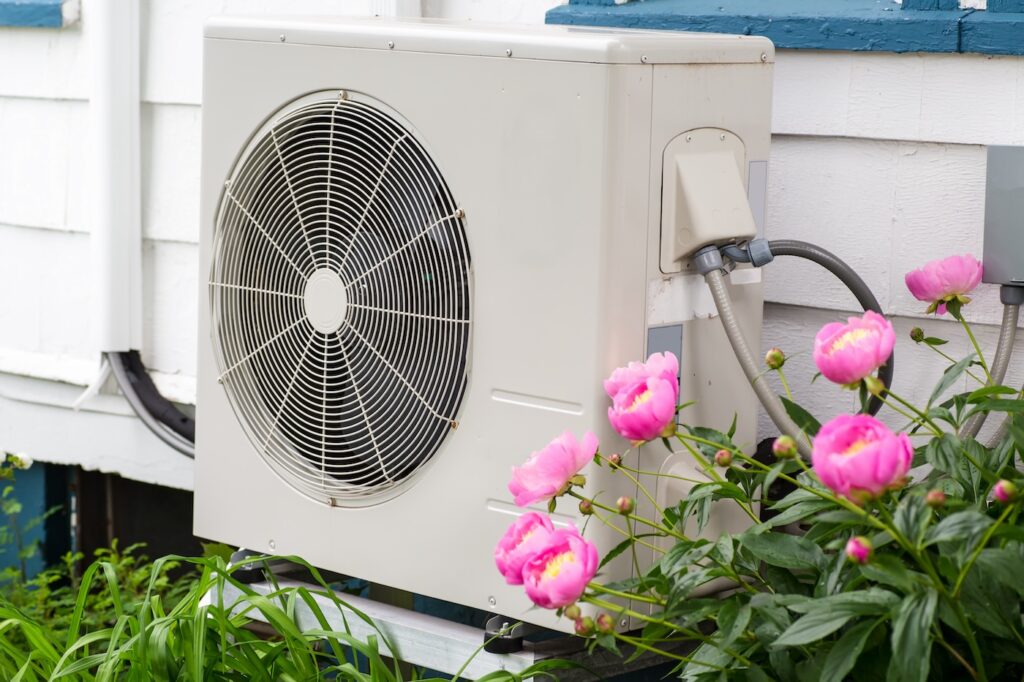
Heat pumps offer flexibility and efficiency, but they may struggle in extreme cold environments.
- Energy efficient: Lower energy usage in moderate climates
- All-in-one system: Heating and cooling combined
- Cold limitations: Less effective in freezing temperatures
Central Air Pros and Cons
Central air systems deliver strong cooling but require additional heating equipment.
- Powerful cooling: Ideal for hot summer conditions
- Reliable heating: Furnace provides strong winter performance
- System pairing required: Needs furnace for full functionality
Common Questions About Heat Pumps and Central Air
Many homeowners have similar concerns when choosing between these systems. These answers help clarify performance, efficiency, and system compatibility.
Is a heat pump better than central air?
It depends on your climate, home size, and overall comfort needs. Heat pumps are more energy efficient in moderate climates, while central air conditioning paired with a gas furnace performs better in colder regions with longer winters and higher heating demands.
Can a heat pump replace a furnace?
In milder climates, yes, a heat pump can fully replace a furnace system. In colder areas, many homeowners use a hybrid system combining both heat pumps and a gas furnace for improved efficiency and reliable heating performance.
Which system costs more to run?
Heat pumps typically have lower operating costs due to their energy efficient design. However, costs vary depending on system usage, electricity rates, and how often your heating system or cooling system runs throughout the year.
Do both systems use the same ductwork?
Yes, both heat pumps and air conditioners use standard ductwork to distribute air throughout your home. This makes it easier to switch between pumps and air conditioners or upgrade your existing ac system without major modifications.
Choosing the Right System for Your Home
Selecting the right HVAC setup comes down to balancing comfort, efficiency, and long-term costs. Homeowners in Haverhill, MA benefit from evaluating both heating and cooling needs before deciding which system is the best fit.
- Evaluate climate: Determine heating vs cooling needs
- Compare costs: Look at both upfront and long-term expenses
- Assess current system: Consider existing equipment
- Plan for efficiency: Choose systems that reduce energy usage
- Consult professionals: Get expert recommendations
Making the right choice ensures your heating system and cooling system work together efficiently for year-round comfort.
Comfort Solutions From New Era Plumbing & HVAC
At New Era Plumbing & HVAC, we help homeowners choose the right heating and cooling solutions for long-term comfort and efficiency. Whether you’re comparing central ac or heat pumps and air systems, our team provides expert guidance and professional installation.
If you’re ready to upgrade your air conditioner or improve your indoor air comfort, contact New Era Plumbing & HVAC in Haverhill, MA today to schedule your consultation.