When arctic cold snaps sweep across New England, sub-freezing temperatures quickly penetrate uninsulated exterior walls, unheated basements, and drafty crawlspaces. A frozen pipe is an urgent household emergency: water expands by roughly 9% as it turns to solid ice, generating thousands of pounds of hydrostatic pressure that can rupture copper, PEX, or PVC plumbing without warning.
To safely thaw an exposed frozen pipe, completely open the affected faucet, locate the frozen pipe segment, and apply gradual, indirect heat using a hair dryer, electric heating pad, or warm damp towels—always working backwards from the faucet toward the freeze blockage. Stop immediately and shut off your home’s main water supply if you detect bulging, hairline cracks, or active dripping. Never use open-flame torches, propane heaters, or boiling water.
The 4 Safe Steps to Thaw an Exposed Frozen Pipe
If the frozen pipe is directly accessible (such as beneath a kitchen sink vanity, in an open basement run, or inside a utility room), follow this safe thawing procedure immediately:
Step 1: Open the Affected Faucet Completely
Turn both the hot and cold handles on the faucet connected to the frozen line. As you apply heat, the melting ice plug needs an open outlet to escape. Flowing water—even a slow, steady trickle—draws warmer water through the plumbing system, which accelerates thawing and prevents dangerous hydrostatic pressure from building up behind the ice blockage.
Step 2: Locate the Freeze Zone
Trace the plumbing line from the faucet back toward where water enters the house. Common indicators of a frozen pipe include:
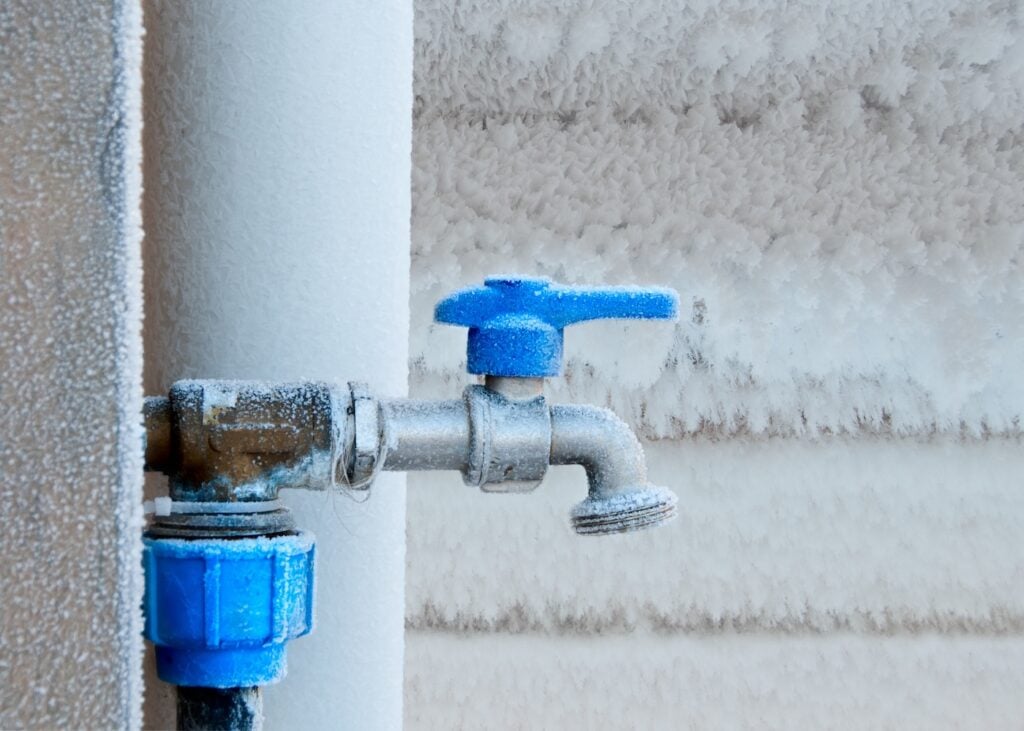
- Visible frost, rime, or heavy condensation forming on the exterior pipe surface.
- A slight bulge, distortion, or hairline fracture in copper or PEX tubing.
- The pipe feels noticeably colder to the touch than adjoining plumbing runs.
- High-risk freeze zones: Rim joists, uninsulated foundation sills, crawlspaces, and exterior wall cavities.
Step 3: Apply Gentle, Indirect Heat (Faucet to Freeze)
Always begin applying heat from the faucet end and work toward the frozen blockage. This allows melting water and steam to vent safely out of the open tap rather than getting trapped behind a solid plug of ice.
- Hair Dryer: Set to medium-high heat. Hold the nozzle 4 to 6 inches away from the pipe and sweep back and forth continuously to distribute heat evenly.
- Electric Heating Pad or Heat Tape: Wrap gently around the frozen segment and connect to a GFCI-protected electrical outlet.
- Warm Damp Towels: Soak heavy bath towels in hot water, wring out excess water, and wrap them snugly around the pipe. Re-heat the towels as they cool down.
- Portable Space Heater: Place a space heater at least 3 feet away from walls, wood framing, and combustible materials to gently warm the ambient room air.
Step 4: Verify Steady Water Flow and Check for Leaks
Continue warming the pipe until full water pressure is restored. Keep the faucet running for several minutes to flush out remaining ice crystals. Once water flows freely, inspect the entire pipe run with a flashlight for any hairline splits or weeping joints that were previously sealed by ice.
Critical Safety Limits: What You Must NEVER Do
Improper pipe-thawing methods cause thousands of severe residential structure fires and ruptured plumbing lines across Massachusetts and New Hampshire each winter. Per the American Red Cross Frozen Pipe Safety Standards, follow these strict safety precautions:
- NEVER Use Open Flames: Do not use propane blowtorches, soldering torches, kerosene heaters, or charcoal heaters under any circumstance. Open flames superheat copper fittings, vaporize trapped water into explosive steam pockets, and ignite dry wall studs, insulation, and dust within seconds.
- NEVER Pour Boiling Water on Frozen Pipes: Pouring boiling water over frozen metal or PVC pipes causes violent thermal shock, cracking brittle pipe walls and fittings immediately.
- NEVER Strike or Hammer Pipes: Attempting to dislodge ice by tapping or striking pipes fractures weakened solder joints and damages PEX crimp rings.
- NEVER Leave Heating Equipment Unattended: Always monitor hair dryers, heating pads, and portable heaters continuously during use.
Quick Decision Guide: What Is Happening in Your Home?
Use this troubleshooting decision guide to determine your safest course of action based on the symptoms in your home:
| What You Observe | What It Means | Immediate Action |
|---|---|---|
| One faucet has low flow or only a trickle | A localized freeze has formed along the specific branch line feeding that fixture (frequently along an uninsulated exterior wall or vanity cabinet). | Safe to Warm Open cabinet vanity doors to let room heat circulate. Keep the faucet turned on and gently apply a hair dryer along accessible exposed piping beneath the sink. |
| Several faucets have low flow across the house | The freeze is located along a main trunk line, in an unheated basement, or near the municipal water service entrance. | Check Basement Inspect basement piping immediately. If multiple lines are ice-cold, turn up your central heating thermostat to 72°F+. If flow does not return within 30 minutes, call a licensed plumber before hidden joints rupture. |
| You see a crack, bulge, or active dripping | The pipe wall has sustained structural damage and will rupture completely as the ice plug thaws. | EMERGENCY SHUTOFF Immediately shut off your home’s main water valve. Open the lowest and highest faucets in the home to drain remaining water, and call an emergency plumber immediately. |
| The frozen section is inaccessible (behind drywall/ceilings) | The pipe is frozen inside an exterior wall cavity or finished ceiling joist bay. | Call Plumber DO NOT cut exploratory holes or blast heat into walls. Turn up your central heating thermostat to 72°F+, open all interior doors and vanity cabinets, and place a space heater in the room. If no flow returns within 45 minutes, call a licensed plumber with commercial thawing equipment. |
How to Shut Off Your Home’s Main Water Supply
Knowing how to shut off your water in an emergency can save your home from thousands of dollars in catastrophic structural water damage.
- Locate the Main Valve: In New England homes, the main shutoff valve is typically located in the basement along the front foundation wall facing the street (where municipal water enters), or adjacent to your well pressure tank and switch.
- Operate the Valve:
• Quarter-Turn Ball Valve (Modern Homes): Turn the lever handle 90 degrees so it rests perpendicular (crosswise) to the pipe.
• Round Wheel Gate Valve (Older Homes): Turn the round wheel clockwise (righty-tighty) until it stops turning smoothly. Do not force older, corroded valve handles with pliers or wrenches. - Relieve Trapped Pressure: After closing the main shutoff, open faucets on the highest and lowest floors of your home (such as an upstairs bathroom sink and a basement utility tub) to drain the remaining water out of the lines.
Frozen or Leaking Pipe? We’re Ready to Help 24/7
Our licensed Master Plumbers provide rapid emergency response throughout Middlesex County, Essex County, and Southern New Hampshire. We locate hidden blockages, thaw pipes safely, and replace burst sections.
Proven Steps to Prevent Pipes From Freezing Again
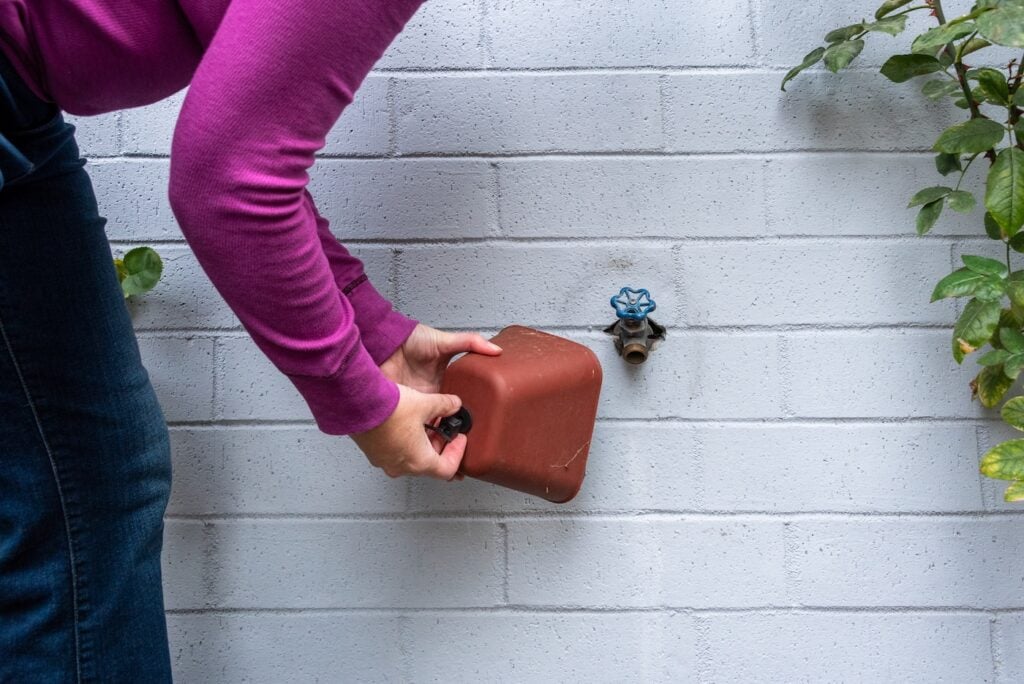
Once your plumbing is thawed, taking proactive winterization steps protects your home from recurring freeze-ups during future sub-zero cold waves:
Protect Unheated Basements & Crawlspaces
Plumbing runs through unheated basements, crawlspaces, and garages are prime candidates for freeze failure. For comprehensive guidance on insulating cold zones, explore our guide on preventing frozen pipes in unheated basements. Install pre-slit closed-cell foam or fiberglass pipe insulation sleeves over all exposed hot and cold water lines, taping all mitered joints securely.
Seal Exterior Drafts Along Rim Joists
Cold air infiltrating through small foundation cracks, dryer vents, sill plates, or cable entry holes can freeze an adjacent water line even if your home’s thermostat is set to 70°F. Seal all gaps along foundation walls with expanding spray foam or exterior-grade silicone caulk.
Let Faucets Drip During Extreme Cold Snaps
When outdoor temperatures fall below 20°F (or during sustained single-digit nights), allow faucets served by vulnerable exterior wall pipes to run a pencil-lead-thin trickle of water. Moving water is significantly harder to freeze, and the open valve prevents pressure from building to the burst point.
Keep Vanity and Sink Cabinets Open
Open the cabinet doors beneath kitchen and bathroom sinks situated on exterior walls. This allows warm ambient indoor air to circulate directly around the p-traps and supply risers.
Maintain Consistent Indoor Temperatures
Never turn your heating thermostat below 55°F when leaving the house or traveling during winter. During extreme polar vortex conditions, maintain a steady day-and-night temperature rather than lowering the thermostat overnight.
When to Call a Professional Licensed Plumber
You should stop DIY attempts and immediately contact a licensed plumbing contractor if:
- You cannot locate the frozen section along visible pipe runs.
- The frozen pipe is located behind drywall, lath-and-plaster, or finished ceilings.
- You discover any signs of cracking, joint separation, or water leakage.
- DIY gentle warming methods produce zero water flow after 30 to 45 minutes.
- Multiple plumbing fixtures throughout your home are non-functional simultaneously.
At New Era Plumbing & HVAC, our team of licensed Master Plumbers led by Soryia Dan Pen (MA Master Plumber #16290-PL-M) uses non-invasive diagnostic tools, thermal imaging cameras, and safe electric thawing equipment to restore water flow without causing fire hazards or structural damage.
Frequently Asked Questions (FAQ)
What should I do if only one faucet has low flow in winter?
A single faucet with low flow indicates a localized freeze along the supply line feeding that specific fixture, often under a kitchen or bathroom sink situated on an exterior wall. Open the vanity cabinet doors to allow warm room air to circulate, and gently warm accessible exposed pipes using a hair dryer on medium heat while keeping the faucet handles open.
What should I do if several faucets have low flow or no water?
Multiple non-functional fixtures suggest the freeze is along a main branch or trunk line in an unheated basement or crawlspace. Check your basement temperature, turn up your central heating thermostat, and trace the main water line from the service entrance. If water does not return within 30 minutes, shut off the main water valve and call a licensed plumber to prevent pipe ruptures.
What is the immediate action if a frozen pipe cracks or bursts?
Immediately locate and shut off your home’s main water supply valve (turn quarter-turn ball valves 90 degrees perpendicular, or gate valves clockwise until tight). Next, open faucets on the highest and lowest floors to drain remaining water, turn off nearby electricity at the breaker panel if water is present, and call an emergency plumber at (978) 216-6742.
Can I thaw a frozen pipe located behind drywall or in a ceiling?
Do not attempt to cut into walls or force extreme heat into cavities. Turn up your central heating thermostat to 72°F or higher, open all interior doors and vanity cabinets, and place a space heater safely in the room. If water does not begin to flow within 45 minutes, contact a professional plumber equipped with thermal imaging and safe internal pipe-thawing tools.
Why is using an open flame or torch to thaw pipes dangerous?
Per American Red Cross standards, using a blowtorch or open flame creates severe risks of house fires by igniting wall framing, cobwebs, and insulation. Furthermore, open flames cause violent thermal shock that can shatter copper solder joints, crack PVC fittings, or boil trapped water into explosive steam.
Trusted by Homeowners Across MA & Southern NH
When freezing temperatures threaten your home, New Era Plumbing & HVAC delivers rapid emergency dispatch, upfront pricing, and licensed master plumber expertise.


Request Emergency Pipe Repair or Winter Inspection
Fill out the form below for priority scheduling, or call our 24/7 emergency dispatch directly.