
An AC condenser plays a key role in every air conditioning system. Whether you’re trying to cool down on a hot summer afternoon or maintain consistent indoor comfort year after year, the condenser is central to how your system moves heat outside and keeps your home cool. This guide explains what the condenser is, how it works, and why it matters for your system’s performance and efficiency.
- The condenser releases heat from inside to outdoors
- It works with the compressor and evaporator to cool air
- Condenser condition affects energy usage and cycling
- Regular maintenance prevents costly breakdowns
- Homes in Methuen, MA experience heavy summer cooling demands
What the AC Condenser Is
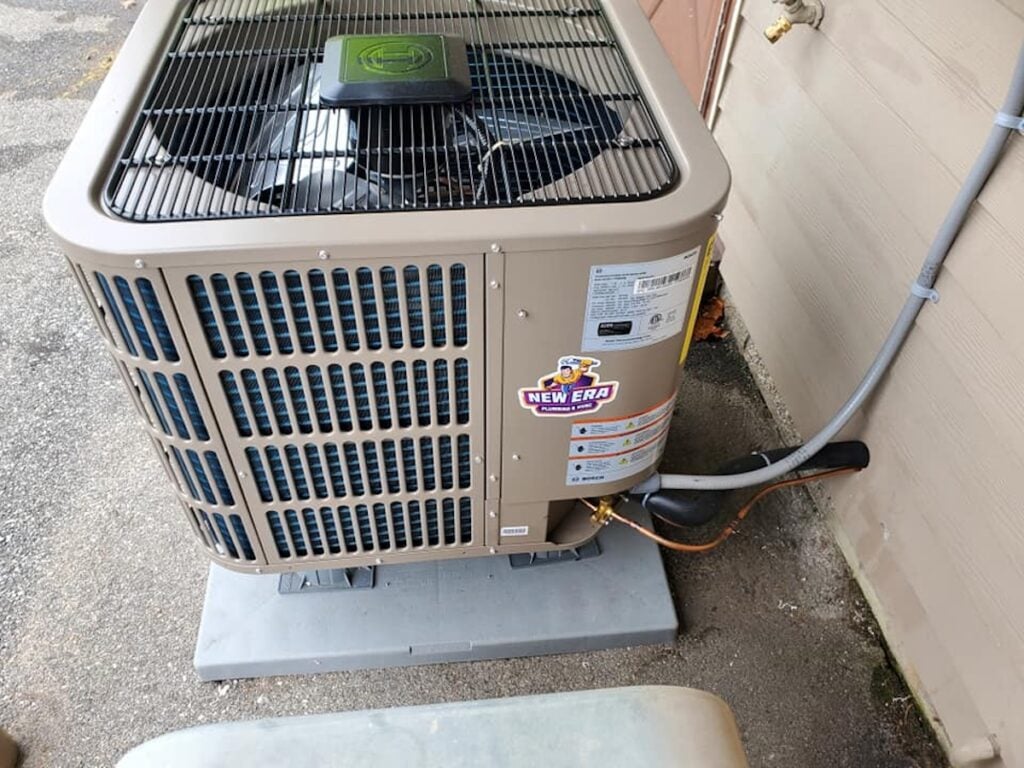
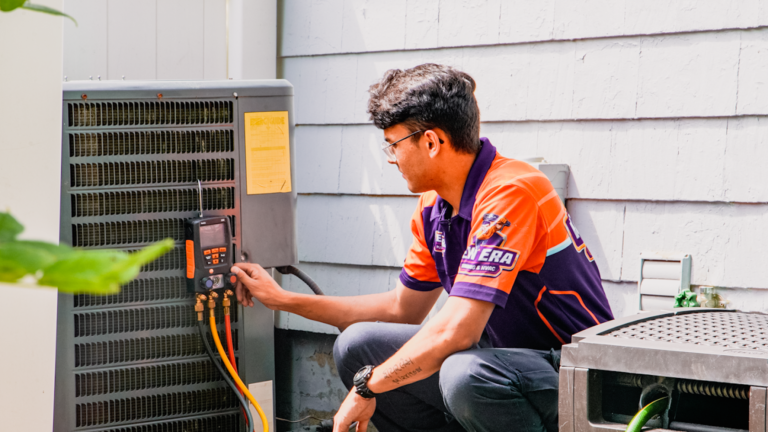
In simple terms, the AC condenser is the part of your air conditioning system that dispels heat collected from inside your home to the outside environment. It is typically located in the outdoor unit of a central air conditioner and looks like a metal box with coils and a fan.
The condenser works together with other key components, including the compressor and evaporator coil, to complete the refrigeration cycle. Because it continuously works to eject heat, its condition has a direct impact on your cooling performance and how hard the entire system has to work.
3 Steps: How an AC Condenser Works
An AC condenser’s job begins once your thermostat calls for cooling. The refrigerant absorbs heat from indoor air at the evaporator coil and travels to the outdoor unit as a hot gas.
1. The Compressor Pressurizes the Refrigerant
The compressor squeezes the refrigerant, increasing its temperature and pressure so it’s ready to release heat. After this, the refrigerant enters the condenser coil.
2. The Condenser Coil Releases Heat
As the hot refrigerant moves through the condenser coil, the outdoor fan blows air over the coil’s surface. This air carries heat away from the refrigerant, allowing it to cool and liquefy.
3. The Refrigerant Cools and Cycles Back
Once it cools into a liquid form, the refrigerant travels back into your home’s system to repeat the cycle, starting again at the evaporator coil.
Put simply, the AC condenser exchanges heat from inside your home to the outside air so your indoor space stays comfortable.
Why the Condenser Is Important
The condenser affects how efficiently your system cools your home. A clean, well‑operating condenser allows heat to dissipate quickly, reducing strain on the compressor and improving overall performance.
If the condenser coils are dirty or blocked by debris, heat cannot escape effectively. This forces the system to work harder, increasing energy usage and operating costs and shortening system life.
Signs Your AC Condenser Needs Attention
Detecting issues early can prevent bigger repairs and higher energy bills. Some common signs that your AC condenser needs maintenance or service include:
- Warm air from vents: The system struggles to cool properly
- Higher energy bills: Reduced efficiency increases usage
- Loud or unusual noises: Bearings, fan blades, or mounts may be failing
- Outdoor unit overheating: Poor heat transfer or airflow restriction
- Frequent cycling on and off: Inefficient heat release stresses the system
If you notice any of these symptoms, it’s a good idea to schedule an inspection.
AC Condenser Maintenance Tips
Regular maintenance helps your condenser operate efficiently and avoid premature failures. Simple steps can make a big difference in performance and longevity.
- Clean debris and vegetation: Leaves and grass inhibit airflow
- Hose down coils: Remove dirt buildup carefully with water
- Check for bent fins: Straighten with a fin comb if needed
- Keep area clear: Ensure at least 2–3 feet of space around the unit
- Schedule annual tune‑ups: Professional checks improve reliability
Routine care reduces strain on the compressor and keeps your system running smoothly when you need cooling most.
Common Questions About AC Condensers
Even with good maintenance, homeowners often have questions about how the condenser works and what issues mean for their system.
Q: Can I clean the condenser myself?
A: Yes, basic cleaning like removing debris or gently rinsing the coils with a garden hose is safe if the unit is powered off. Avoid high‑pressure washing and always turn power off first. For deeper cleaning or suspected coil damage, call a professional.
Q: How long do AC condensers typically last?
A: With regular maintenance, most AC condensers last 10–15 years. Harsh conditions, heavy use, or poor airflow can shorten this lifespan.
Q: Does the condenser affect humidity control?
A: Yes. A well‑functioning condenser helps the system remove more heat, which improves moisture removal and overall indoor comfort.
Q: What happens if my condenser fails?
A: A failed condenser usually leads to little or no cooling, higher energy usage, and may cause the compressor to overheat. Prompt repair or replacement prevents further damage.
AC Condenser Comparison: Key Features at a Glance
Comparing how condensers perform can help you understand why maintenance and design matter. The table below highlights key performance and cost factors.
| Feature | Standard Condenser | High‑Efficiency Condenser |
| Cooling Efficiency | Baseline performance | Higher SEER ratings |
| Energy Usage | Standard energy draw | Lower annual energy usage |
| Noise Levels | Moderate | Quieter operation |
| Upfront Cost | Lower initial cost | Higher initial cost but saves money |
| Maintenance Needs | Regular cleaning | Same cleaning plus periodic pro checks |
Understanding these differences helps when evaluating upgrades or replacement options, especially if you want to improve efficiency and reduce operating costs over time.
Condenser Troubleshooting Basics
Understanding common issues helps you identify problems early and decide whether professional service is needed.
Refrigerant Leak
Low refrigerant pressure usually indicates a leak. Only a licensed HVAC professional should repair leaks and recharge refrigerant.
Fan Doesn’t Run
If the outdoor fan won’t spin, it may be a bad capacitor, motor issue, or electrical problem. This stops heat from leaving the system.
Coil Blockage
Dirt or debris packed into the coils reduces airflow and traps heat. Gentle cleaning can often restore normal operation.
Trust New Era Plumbing & HVAC for Cooling Expertise
At New Era Plumbing & HVAC, we understand the intricacies of your cooling system and how critical the AC condenser is to performance. Our licensed technicians provide expert maintenance, accurate diagnostics, and dependable repairs that protect your comfort and energy investment.
If your AC isn’t cooling like it used to, or you suspect condenser issues, contact New Era Plumbing & HVAC today for professional help in Methuen, MA and nearby communities.