
Few things are more frustrating than turning on your air conditioner on a hot day and feeling warm air pour out of the vents. AC blowing warm air is one of the most common calls HVAC companies receive throughout the summer, and the causes range from a setting that takes 30 seconds to fix to a mechanical failure that needs professional attention. Knowing how to work through the possibilities in the right order saves you time and can often save you the cost of a service call entirely. If you have already checked the basics and the problem persists, learn more about professional AC repair and diagnostic service and what a service visit with New Era looks like. Here is what this guide covers:
- How the cooling cycle works and why it breaks down
- 9 reasons your AC is blowing warm air
- What you can fix yourself vs. what requires a pro
- When continuing to run the system makes things worse
- Frequently asked questions homeowners ask in this situation
How the Cooling Cycle Works
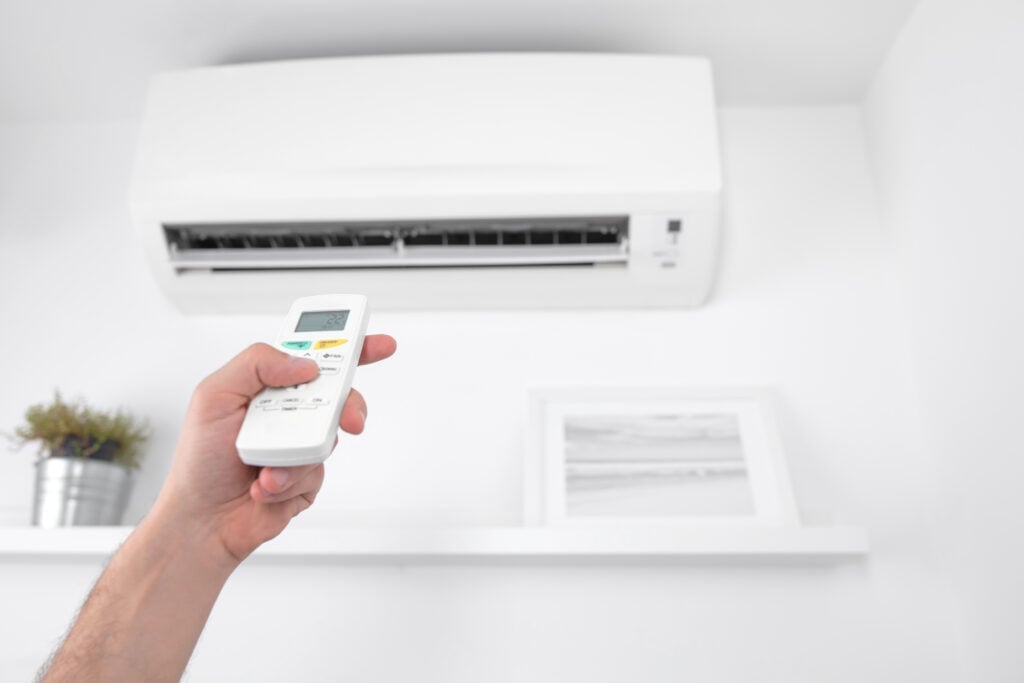
Understanding what is supposed to happen makes it easier to recognize where the breakdown is occurring. Your air conditioner does not create cold air. It removes heat from the air inside your home and transfers it outside. The process works like this: warm indoor air is pulled across the evaporator coil inside your air handler, where refrigerant absorbs the heat. The refrigerant carries that heat to the outdoor condenser unit, where it is released outside. Cooled air is then returned to your living space through the supply vents.
Every component in that chain has to work correctly for cold air to reach your vents. A failure at any point, whether it is airflow, refrigerant charge, electrical function, or the condition of the coils, can result in the system running without actually cooling your home. The good news is that some of those failures are simple to identify and fix. Others require a licensed technician with diagnostic equipment. Working through the list below from simplest to most complex is the most efficient approach.
9 Reasons Your AC Is Blowing Warm Air
The causes below are ordered from the most straightforward DIY checks to the issues that require a professional. Start at the top and work down before calling for service.
1. Thermostat Set Incorrectly
This is the most common cause of an unnecessary service call. Confirm that the thermostat is set to cool mode rather than heat or off, that the fan is set to auto rather than on, and that the set temperature is actually below the current room temperature. When the fan is set to on rather than auto, the blower runs continuously, pushing unconditioned air through the vents even when the compressor is not actively cooling. Check the batteries as well if the screen appears dim or unresponsive.
2. Tripped Circuit Breaker
Most central AC systems have two circuit breakers: one for the indoor air handler and one for the outdoor condenser unit. If the outdoor breaker trips, the indoor fan continues running and moving air, but there is no cooling happening because the compressor is not receiving power. Check your electrical panel and reset any tripped breaker once. If the breaker trips again immediately when the system restarts, do not reset it a third time. A breaker that trips repeatedly is signaling an electrical problem that needs professional diagnosis.
3. Dirty or Clogged Air Filter
A severely restricted air filter reduces airflow across the evaporator coil enough to cause the coil to freeze. A frozen coil cannot absorb heat from the air passing over it, so the system blows air that is no longer being cooled. Pull out your filter and hold it up to light. If you cannot see light through it, replace it immediately. If ice is visible on the indoor unit or refrigerant lines, turn the system off and switch the fan to run-only mode to thaw the coil before attempting to restart.
4. Dirty Condenser Coils
The outdoor condenser unit is responsible for releasing the heat your system pulls from inside. When the coils are coated with dirt, pollen, grass clippings, or cottonwood seeds, the unit cannot expel heat efficiently. On hot days, an already-marginal system may fail to cool adequately when the condenser is dirty. You can clear debris from around the unit and gently rinse the exterior fins with a garden hose after shutting off power at the disconnect. Deeper coil cleaning requires a technician.
5. Refrigerant Leak
Refrigerant is the substance that makes heat transfer possible. A system running low on refrigerant from a slow leak cannot absorb enough heat to cool the air effectively. Signs include ice forming on the evaporator coil or refrigerant lines, a hissing or bubbling sound near the outdoor unit, or a system that runs constantly without reaching the set temperature. Refrigerant issues are professional-only. Handling refrigerant requires EPA certification, and the underlying leak must be located and repaired before the system is recharged.
6. Frozen Evaporator Coil
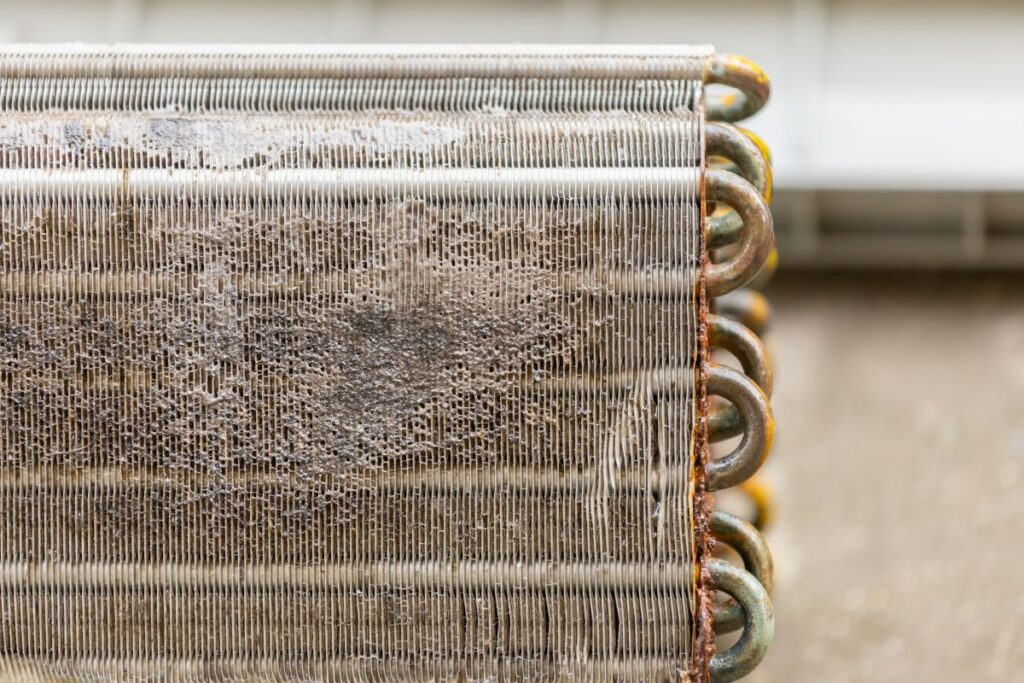
A frozen evaporator coil is often the result of another problem, most commonly a dirty filter or low refrigerant, but it can also stem from a malfunctioning blower motor or closed supply vents. When the coil freezes, it becomes coated in ice that blocks airflow and prevents heat absorption. The system continues to run, but it cannot cool the air effectively. If you see ice on the indoor unit, turn the system off and run the fan only until the coil thaws, then address the underlying cause before restarting in cooling mode.
7. Leaky Ductwork
According to ENERGY STAR, in a typical house, about 20 to 30 percent of the air that moves through the duct system is lost due to leaks, holes, and poorly connected ducts. When cooled air escapes into unconditioned spaces like an attic or crawlspace before reaching your vents, what arrives at the register feels warmer and weaker than it should. Duct leaks are especially common in older Massachusetts homes and in homes that have had additions or renovations that required duct modifications. A professional duct inspection confirms whether leakage is contributing to your warm air problem.
8. Failed Capacitor
The capacitor is a small electrical component that provides the jolt needed to start the compressor and outdoor fan motor, and then sustains their operation. Capacitors weaken over time and often fail on the hottest days of summer when the system is working hardest. A failed capacitor may cause the outdoor unit to hum without starting, or it may allow the fan to run while the compressor fails to start. This is one of the most common emergency AC repairs and is typically completed in a single visit when the part is on the technician’s truck.
9. Compressor Failure
A failing or failed compressor is the most serious cause on this list. The compressor is the heart of the cooling system, and when it fails, the system cannot circulate refrigerant and cooling stops entirely. Signs include the outdoor unit humming but not fully running, the breaker tripping when the AC starts, or the system producing no cooling despite appearing to operate normally. Compressor issues require professional diagnosis, and depending on the system’s age and warranty status, the repair may involve replacing the compressor or the entire outdoor unit.
DIY vs. Professional: A Quick Reference
| Issue | Can You Fix It? | When to Call a Pro |
| Thermostat setting | Yes, check and correct | If recalibration does not help |
| Tripped breaker | Reset once | If breaker trips again immediately |
| Dirty air filter | Yes, replace immediately | If replacing does not restore cooling |
| Debris around condenser | Yes, clear and rinse | If coils need deep cleaning |
| Frozen evaporator coil | Partially, thaw with fan-only | Always call to address root cause |
| Refrigerant leak | No | Immediately, requires EPA certification |
| Leaky ductwork | Minor sealing only | For inspection and comprehensive sealing |
| Failed capacitor | No | Schedule service call |
| Compressor failure | No | Immediately, requires full diagnostic |
We’re proud to serve home and business owners in Stoneham, MA, and nearby communities with AC repair, diagnostics, maintenance, and more. The humid summers in eastern Massachusetts put real demand on cooling systems from June through September, and catching a problem early almost always means a less expensive repair.
When to Stop Running the System
Running an AC that is not cooling properly can make some problems significantly worse. If you notice ice forming on the indoor unit or refrigerant lines, turn the system off immediately and switch to fan-only mode. Running a frozen coil in cooling mode puts severe strain on the compressor. If the outdoor breaker is tripping repeatedly, stop resetting it and call for service. Continuing to force a system to start against an electrical fault can damage the compressor windings. If the system appears to be running but producing no cooling at all and none of the DIY checks reveal an obvious cause, turn it off and schedule a diagnostic rather than letting it run indefinitely.
Common FAQs About AC Blowing Warm Air
Homeowners dealing with warm air from their AC tend to ask the same questions. Here are direct answers.
My AC just started blowing warm air today. What should I check first?
Start with the thermostat: confirm it is set to cool mode with the fan on auto. Then check your electrical panel for a tripped breaker. Pull out the air filter and replace it if it is visibly clogged. Walk outside to confirm the condenser unit is running. If all of those check out and the system is still blowing warm air, call for a diagnostic visit.
Can a dirty filter really cause warm air?
Yes, and it is one of the most common causes. A clogged filter restricts airflow enough to cause the evaporator coil to freeze. Once frozen, the coil cannot absorb heat from the air. Replacing the filter and allowing the coil to thaw resolves the issue in many cases without any other repairs needed.
How do I know if I have a refrigerant leak?
Common signs include ice forming on the refrigerant lines or indoor unit, a hissing sound near the outdoor unit, and a system that runs continuously but never reaches the set temperature. A refrigerant issue requires a licensed technician to diagnose and repair. You cannot add refrigerant yourself, and topping up a leaking system without finding and fixing the leak will only delay the next failure.
Is it okay to run my AC if it is blowing warm air?
It depends on the cause. If you suspect ice on the coil, turn the system off immediately. If the outdoor breaker is tripping, stop resetting it. For a system that is simply underperforming but not freezing or tripping breakers, it is generally safe to leave it running while you schedule service. When in doubt, turning it off and calling for a diagnostic is the safest approach.
How long does an AC diagnostic take?
A diagnostic visit from a licensed technician typically takes 30 to 60 minutes. New Era technicians arrive with diagnostic equipment to measure electrical readings, refrigerant pressure, airflow, and coil condition. The diagnostic fee is waived when you move forward with the recommended repair.
New Era Plumbing & HVAC: Find the Problem, Fix It Right
An AC blowing warm air is almost always fixable, and the key is knowing exactly what is wrong before any work begins. At New Era Plumbing & HVAC, every service call starts with a thorough diagnostic so you get a clear answer and honest options before we recommend anything. No guessing, no pressure, just a straight assessment and upfront pricing. We have been serving Massachusetts and southern New Hampshire homeowners for over 15 years with the same commitment to transparency on every job.
Contact our team today to schedule your AC diagnostic and get your home cooling again.