HVAC tools are essential for professionals handling heating and cooling systems, whether for installations, repairs, or full system replacements. Having the right tools not only improves efficiency but also ensures accuracy, safety, and long-term system performance.
From diagnosing issues to installing new equipment, HVAC technicians rely on a wide range of specialized tools to get the job done correctly. These tools are designed to handle everything from airflow testing to refrigerant management, making them critical for both residential and commercial building systems. Understanding these tools can also help homeowners better understand the work being performed on their systems and the value of professional service.
- Precision work: HVAC tools help ensure accurate measurements and proper installation
- System diagnostics: Tools identify issues within heating and cooling systems
- Efficiency: The right tools speed up repairs and maintenance
- Safety: Proper equipment helps protect technicians and your home
Knowing the most common HVAC tools gives insight into how professionals maintain and repair your system effectively.
Why HVAC Tools Matter
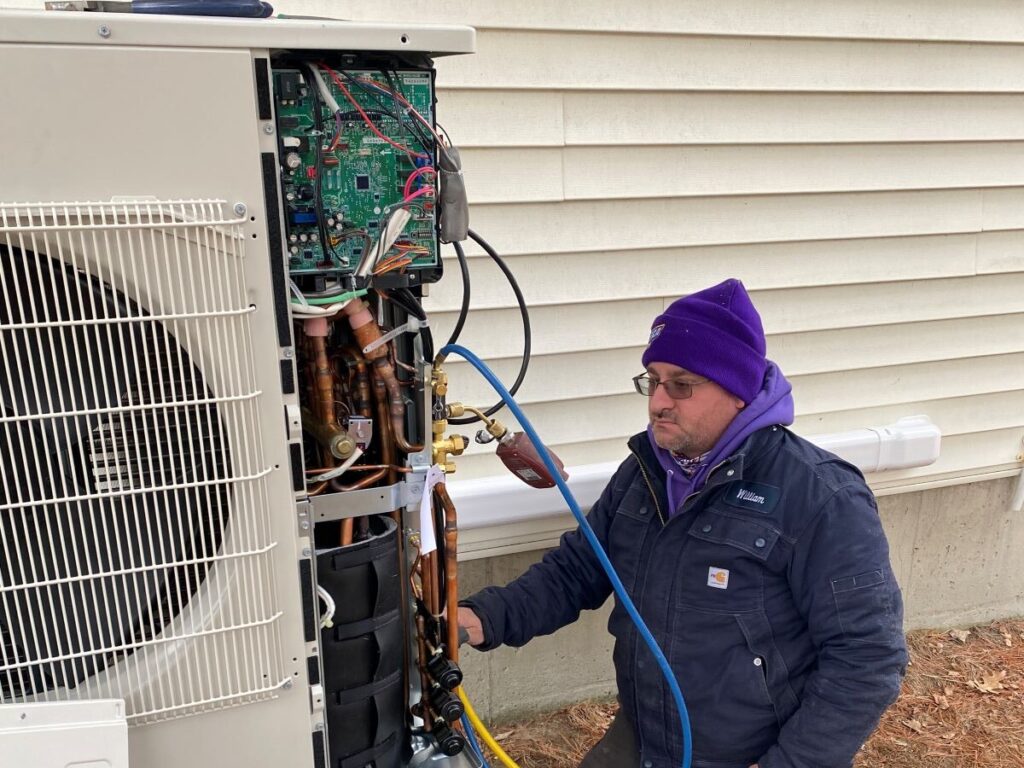
HVAC systems are complex and require precise handling to operate correctly. Using the right tools ensures that every component is installed and maintained properly, which helps extend system lifespan and improve overall performance.
Accuracy and Performance
Many HVAC tasks require exact measurements and adjustments. Without the proper tools, even small errors can affect system efficiency, airflow, and temperature control. This is especially important when installing new products or calibrating equipment, where precision directly impacts performance.
Safety and Compliance
Working with HVAC systems involves electrical components, refrigerants, and pressurized systems. Proper tools help technicians complete tasks safely while meeting industry standards and regulations. Using the correct equipment also helps protect the integrity of the system and reduces the risk of damage during installation or repair.
10 Main HVAC Tools Every Technician Uses
These tools are commonly used for installations, repairs, and replacements across residential and commercial HVAC systems.
1. Manifold Gauge Set
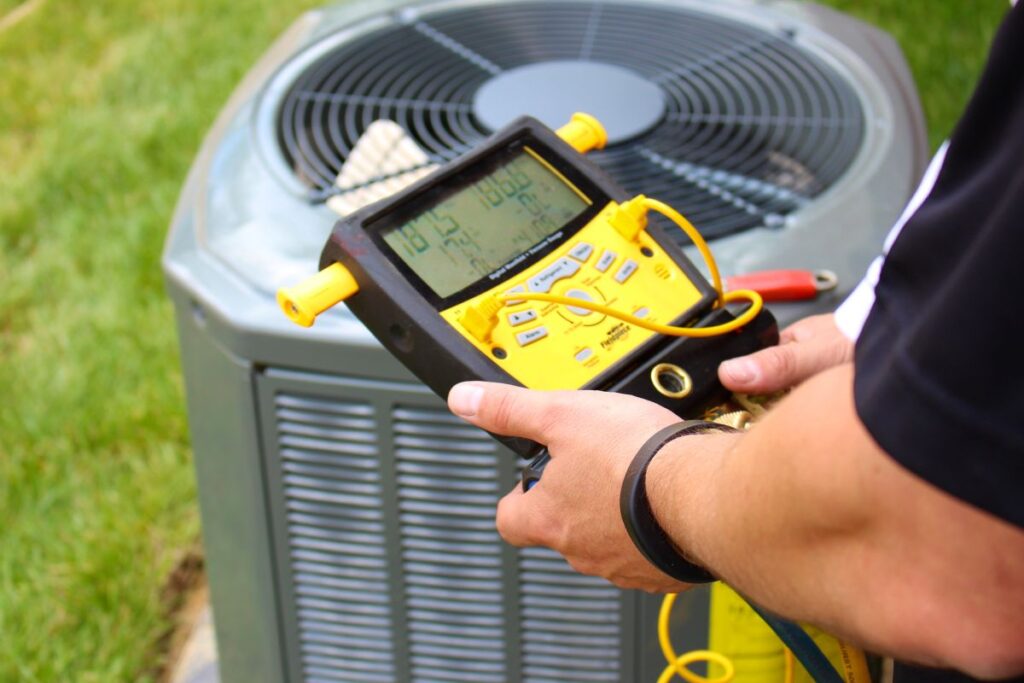
A manifold gauge set is used to measure pressure within the system and diagnose issues related to refrigerant levels.
- Pressure readings: Monitors system performance
- Refrigerant checks: Helps ensure proper levels
2. Refrigerant Leak Detector
This tool helps identify leaks in the system, which can impact performance and efficiency.
- Leak detection: Finds small refrigerant leaks
- System protection: Helps protect components from long-term damage
3. Vacuum Pump
A vacuum pump removes air and moisture from the system before refrigerant is added.
- System preparation: Ensures clean internal conditions
- Improved efficiency: Prevents contamination
4. Thermometer
HVAC thermometers measure air temperature at different points in the system.
- Temperature readings: Checks system performance
- Diagnostic tool: Identifies heating or cooling issues
5. Multimeter
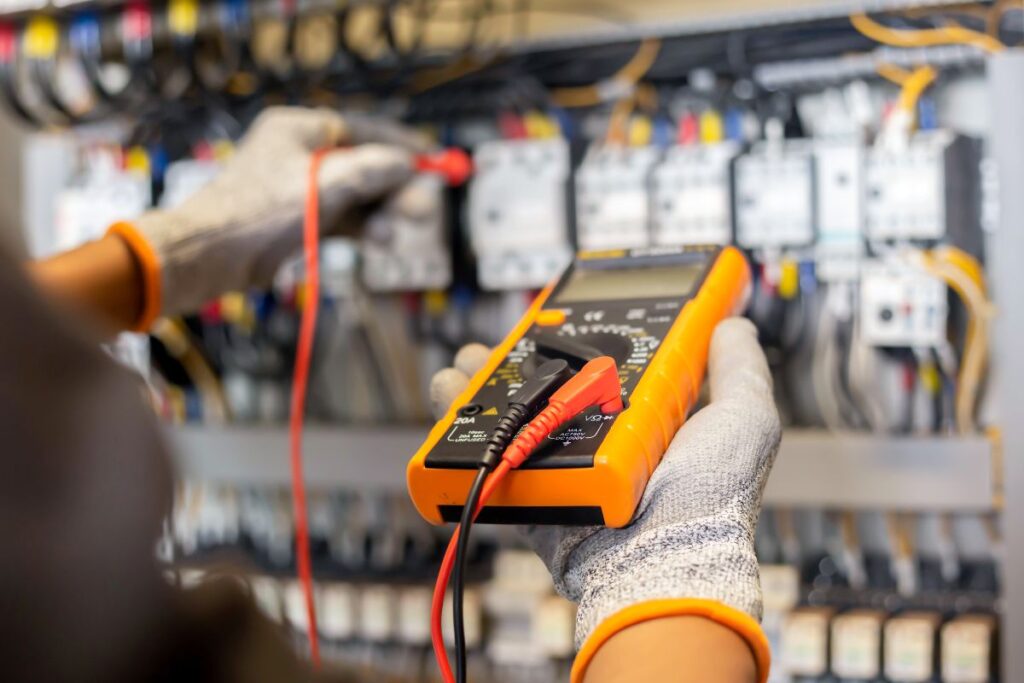
A multimeter is used to test electrical components within the HVAC system.
- Voltage testing: Checks electrical connections
- Troubleshooting: Identifies faulty components
6. Coil Fin Straightener
This tool is used to straighten bent fins on condenser and evaporator coils.
- Airflow improvement: Restores proper airflow
- Efficiency boost: Helps maintain system performance
7. Pipe Cutter
Pipe cutters are used to cut refrigerant lines and other piping during installation or repair.
- Clean cuts: Ensures proper pipe connections
- Installation support: Essential for new systems
8. Tube Bender
A tube bender allows technicians to shape pipes without damaging them.
- Precision shaping: Prevents kinks in lines
- Improves flow: Maintains proper system function
9. Cordless Drill
A cordless drill is used for mounting equipment, securing components, and general installation tasks.
- Versatile tool: Used in many HVAC applications
- Efficiency: Speeds up installation work
10. Combustion Analyzer
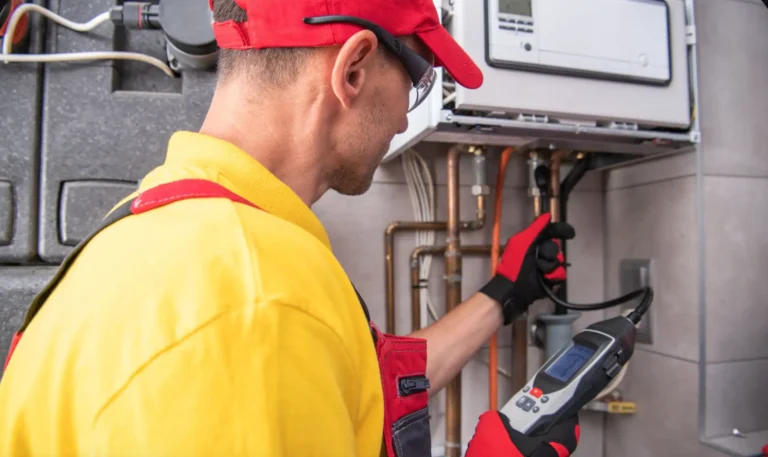
A combustion analyzer measures gas levels and system efficiency in heating systems.
- Safety checks: Detects harmful gases
- Performance monitoring: Ensures proper operation
Additional Common HVAC Hand Tools
In addition to specialized equipment, technicians also rely on basic hand tools for everyday tasks. These tools may seem simple, but they are essential for connecting components, making adjustments, and completing installations accurately.
A screwdriver is one of the most frequently used tools in HVAC work. Different type options, such as flathead and Phillips, are used depending on the application. The length and design of the tool can vary, allowing technicians to reach tight spaces and work more efficiently.
- Screwdriver use: Essential for tightening and loosening fasteners during installation
- Different types: Includes multiple head styles for various applications
- Proper length: Helps access hard-to-reach areas inside units
- Secure connections: Ensures components are properly connected
- Versatile use: Used across repairs, maintenance, and system setup
This basic tool plays a key role in ensuring all parts are securely connected and functioning as intended.
HVAC Tool Comparison
Different tools serve different purposes depending on the task being performed.
| Tool | Primary Use | Best For | Importance |
| Manifold gauge | Pressure measurement | Diagnostics | High |
| Leak detector | Finding leaks | Repairs | High |
| Vacuum pump | Removing air/moisture | Installation | High |
| Multimeter | Electrical testing | Troubleshooting | High |
| Pipe cutter | Cutting lines | Installation | Medium |
This overview shows how each tool plays a role in maintaining and repairing HVAC systems.
When HVAC Tools Are Used
HVAC tools are used throughout the entire lifecycle of a system, from installation to maintenance and replacement. Each stage requires different tools to ensure proper performance and reliability.
- Installations: Setting up new heating and cooling products in homes and commercial building environments
- Repairs: Diagnosing and fixing system issues quickly and accurately
- Maintenance: Keeping systems running efficiently and preventing breakdowns
- Replacements: Removing old equipment and installing updated systems when it is time to replace aging units
Using the right tools at each stage helps ensure that systems perform efficiently and last longer.
The Role of Professional Equipment in HVAC Work
Professional-grade HVAC tools are designed to handle demanding tasks that standard tools cannot manage. These specialized tools allow technicians to work more efficiently while maintaining high standards of quality and safety across residential and commercial building systems.
Additionally, using the correct equipment helps protect both the system and the property. Improper handling or incorrect tools can lead to damage, inefficiency, or safety hazards, which is why professional expertise is essential for most HVAC work.
- Precision tools: Ensure accurate installation and system calibration
- System protection: Help protect components from damage during service
- Efficiency gains: Speed up installations, repairs, and replacements
- Advanced diagnostics: Identify issues quickly and accurately
- Safety compliance: Reduce risks when working with electrical and refrigerant systems
- Modern compatibility: Support newer HVAC products and evolving technology
- Long-term performance: Help maintain system reliability and lifespan
Why Professional HVAC Tools Matter
While some basic maintenance tasks can be handled by homeowners, most HVAC work requires specialized tools and training. Using the wrong tools can lead to system damage, reduced efficiency, or costly repairs down the line.
According to the U.S. Department of Energy, proper maintenance and installation are key to HVAC efficiency and performance, which highlights the importance of professional service and the right equipment.
Get Expert HVAC Service with New Era Plumbing & HVAC
HVAC systems require the right tools and expertise to perform at their best. At New Era Plumbing & HVAC, our technicians use advanced HVAC tools and proven techniques to ensure every installation, repair, and replacement is done correctly.
Whether you need routine maintenance, repairs, or want to replace an outdated system, our team is ready to help. Contact New Era Plumbing & HVAC today to keep your heating and cooling system running efficiently and reliably.