
If you’ve been comparing forced air vs central air, understanding the differences is essential for choosing a system that supports your home’s comfort, efficiency, and indoor air quality. While both options can heat or cool your home, they operate differently and offer unique advantages depending on your layout, air quality needs, and long-term goals. Homeowners often find that the right system contributes significantly to energy use, comfort levels, and air cleanliness through every season.
• Forced air systems circulate conditioned air through ducts
• Central air provides dedicated cooling through a structured system
• Indoor air quality varies depending on equipment and filtration
• Humidity control differs between system types
• Lawrence, MA homeowners experience wide temperature swings that influence system selection
What Forced Air and Central Air Systems Really Are
Forced air and central air systems are often confused because they share ductwork, but each works differently. Forced air delivers heated or cooled air through a blower, while central air provides cooling through a dedicated AC system. Lawrence, MA homeowners benefit from understanding how these systems differ so they can choose the best fit for comfort and air quality. We’re proud to serve home and business owners in Lawrence, MA and nearby communities with HVAC upgrades, air quality enhancements, and more.
• Forced air moves heated or cooled air: Uses a blower to distribute conditioned air
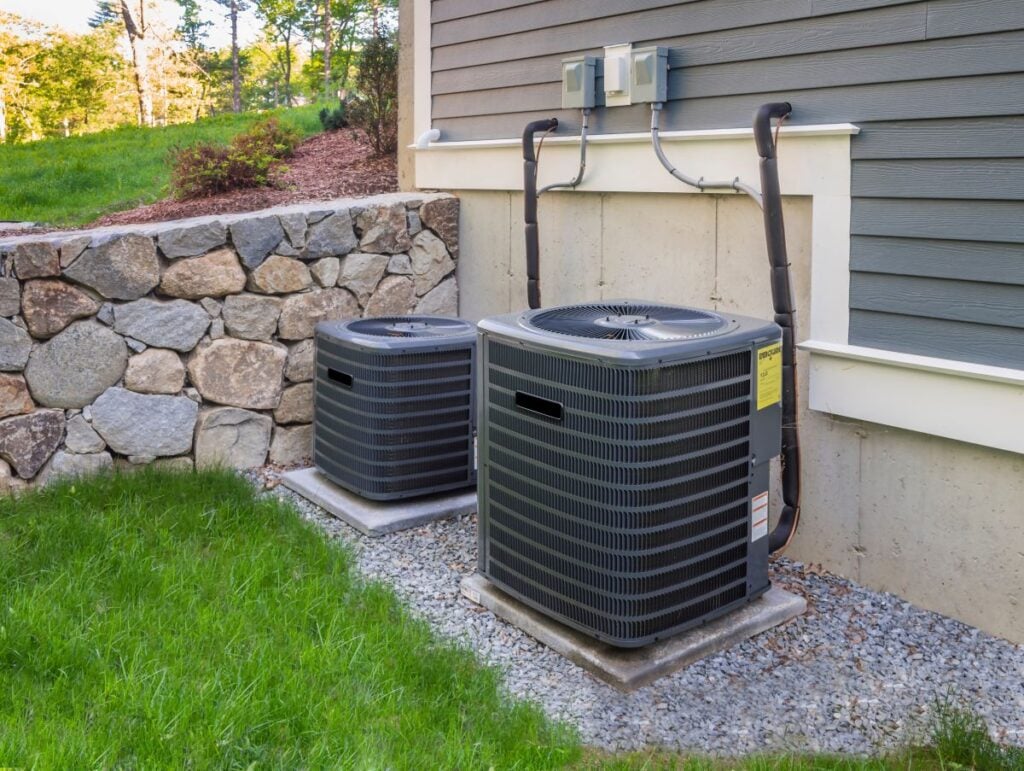
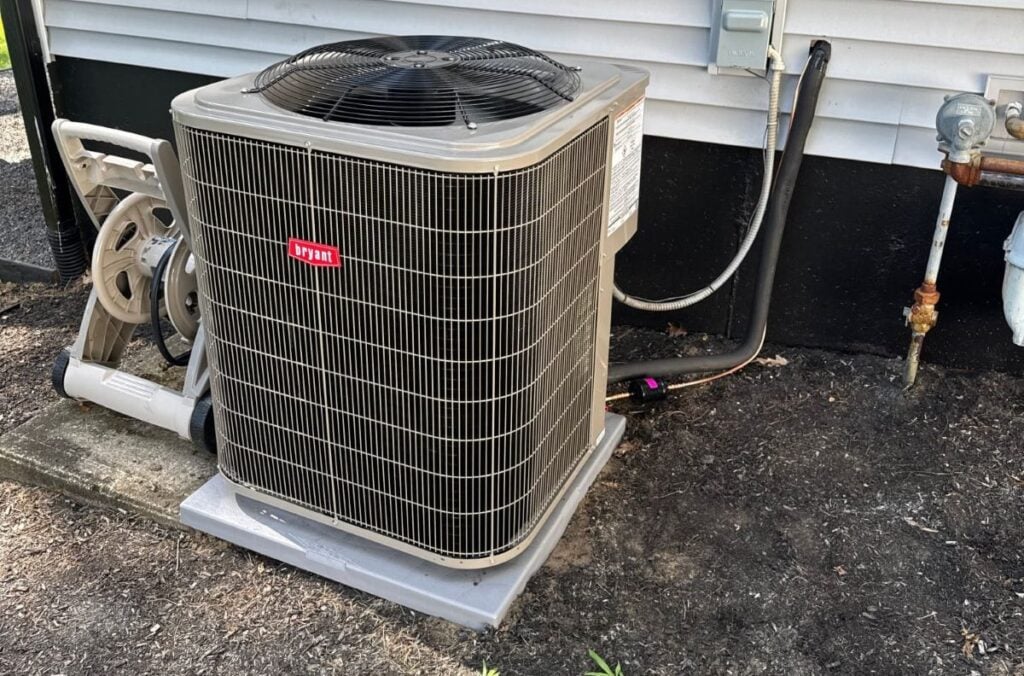
• Central air cools through a dedicated AC unit: Requires an outdoor condenser and indoor evaporator coil
• Both require ductwork: Airflow quality depends on duct condition and design
• System care impacts IAQ: Clean filters, sealed ducts, and regular service improve performance
A verified report from the Environmental Protection Agency found that indoor air can be two to five times more polluted than outdoor air, highlighting the importance of choosing a system that supports clean airflow and balanced comfort.
How Each System Impacts Your Indoor Air Quality
Indoor air quality, often called IAQ, plays a major role in controlling allergies, dust levels, and overall comfort. The HVAC system you choose affects how air circulates, how particles are filtered, and how humidity is controlled.
Forced Air Systems and IAQ
Forced air systems typically filter the air each time the blower circulates it. This allows for better dust control, easier allergen reduction, and compatibility with advanced filtration options such as HEPA filters, UV lights, and whole-home humidifiers.
• Better compatibility with high-efficiency filters
• Great for homes with pets or allergies
• Allows for IAQ add-ons like UV lights and purifiers
Central Air and IAQ
Central air systems rely on the same ductwork as forced air heating, but the air movement is typically limited to cooling seasons. This means filtration benefits are most noticeable in warm months, making air quality upgrades especially useful.
• Consistent cooling with steady airflow
• Supports improved indoor humidity control
• Depending on the system, may not filter as often as forced air
Comfort Differences Between Forced Air and Central Air
Comfort can vary based on the type of system you choose. Air movement, temperature distribution, and humidity levels all play a role in how your home feels throughout the year.
Temperature Consistency
Forced air systems heat or cool quickly due to strong airflow. Central air is excellent at keeping a home evenly cool during summer, especially when paired with a high-efficiency furnace for winter heating. Homes in Lawrence, MA often benefit from combined systems for more balanced seasonal comfort.
Humidity Management
Many modern forced air systems work with whole-home humidifiers or dehumidifiers, making it easier to maintain ideal indoor humidity. Central air naturally removes moisture during cooling but does not add humidity during dry winter months.
Airflow Strength
Forced air systems deliver stronger airflow than central air alone, helping distribute conditioned air more rapidly.
• Faster heating and cooling cycles
• Better airflow in larger homes
• Helps reduce stagnant, stale air
4 Key Factors to Consider When Choosing Between Forced Air and Central Air
Choosing the best system for your home depends on comfort needs, indoor air quality preferences, and long-term energy goals. The following key factors can help you identify which system offers the right balance of performance and value.
1. Your Air Quality Needs
If allergies, dust, or indoor pollution are concerns, forced air offers more frequent filtration and compatibility with advanced IAQ accessories. Central air improves air quality while cooling but may not circulate as often during the rest of the year.
• Supports UV light air purifiers
• Allows thicker, high-MERV filters
• Helps remove allergens and pollutants
2. Energy Efficiency Goals
Modern heat pumps and high-efficiency furnaces paired with forced air systems can significantly lower energy use. Central air units vary in efficiency, but performance depends on the SEER rating and duct condition.
• Energy-saving heat pump options
• Efficient temperature control
• Lower utility bills with proper maintenance
3. Home Layout and Ductwork
Your existing ductwork plays a major role in choosing a system. Older homes may need duct repairs or upgrades before installing central air or a forced air system, while newer homes often support both with minimal adjustments.
• Duct sealing improves efficiency
• Layout affects airflow strength
• Proper sizing ensures consistent temperatures
4. Year-Round Comfort Requirements
If you want a single system that handles heating and cooling, forced air gives you full flexibility. Central air provides excellent cooling but always requires a separate heating system during colder months.
• Useful for extreme temperature swings
• Simplifies whole-home comfort
• Offers consistent seasonal performance
Which System Is Best for Your Home?
The best system depends on your goals for comfort, energy use, and indoor air quality. Homes in Lawrence, MA with cold winters often benefit from a forced air furnace paired with central air or a heat pump. Meanwhile, homeowners prioritizing quieter cooling may prefer central air for its steady, even performance. Understanding each system’s strengths ensures you invest in the right long-term comfort solution.
Why Homeowners Choose New Era Plumbing & HVAC
At New Era Plumbing & HVAC, we help homeowners compare forced air vs central air systems based on performance, costs, and air quality needs. Our quality pros provide expert recommendations backed by industry experience and honest assessments. Whether you need improved airflow, better filtration, or a complete HVAC upgrade, our team delivers reliable guidance and trusted service.
If you’re ready to improve your home’s comfort or want help choosing the best HVAC system, contact New Era Plumbing & HVAC today to schedule your visit.