
Few home emergencies feel as urgent as an emergency ac repair call in the middle of a Massachusetts heat wave. One moment the house is comfortable, and the next the air conditioner has stopped cooling and the indoor temperature is climbing. Knowing what to check first, when to call a professional, and how to keep your household safe in the meantime makes a real difference when this happens. The goal of this guide is to help you respond quickly, avoid costly mistakes, and understand what to expect when you call for same-day service. If your system has already stopped working, learn more about emergency AC repair and same-day service and what the process looks like. Here is what this guide covers:
- Why a failed AC in summer is a genuine emergency, not just an inconvenience
- 6 things to check before calling a technician
- Common causes of sudden AC failure
- What happens during an emergency AC service call
- How to stay safe while you wait for repair
- Frequently asked questions homeowners ask in this situation
Why AC Failure in Summer Is a Serious Situation
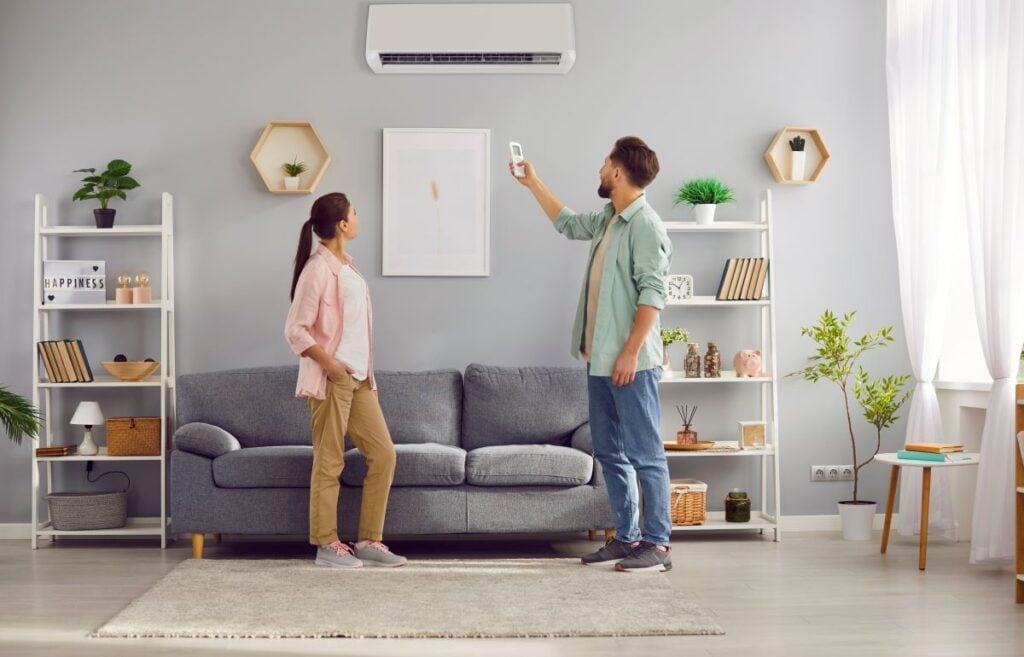
A broken air conditioner in July is not a matter of comfort alone. According to the U.S. Energy Information Administration, air conditioning accounts for about 19% of all electricity consumption in U.S. homes — making it the single largest residential electricity end use. That figure reflects how central cooling systems are to how American households function in summer, and what is at stake when they go down unexpectedly. Older adults, young children, and anyone with a chronic health condition are at heightened risk when indoor temperatures rise and stay elevated during a heat wave.
Homes in Reading, MA and across northeastern Massachusetts are well within the reach of summer heat waves that push indoor temperatures dangerously high within hours of an AC system going down. A house that reaches 85 to 90 degrees indoors during a heat advisory is not just uncomfortable. It is a health risk for vulnerable household members. Taking immediate action, both getting emergency air conditioning service on the way and managing the indoor environment in the interim, is the right response when air conditioning systems fail in summer.
6 Things to Check Before Calling a Technician
Before reaching for the phone, work through these checks in order. A surprising number of emergency service calls turn out to be straightforward issues a homeowner can resolve in minutes.
1. Check the Thermostat
This is where most emergency calls should start. Confirm the thermostat is set to cool mode, the fan is set to auto rather than on, and the set temperature is below the current room temperature. A thermostat accidentally switched to heat mode or fan-only will run the system without producing any cooling. If the thermostat screen is blank, check the batteries.
2. Check the Circuit Breaker
An AC system that stops running abruptly, especially one that shut off mid-cycle, may have tripped its circuit breaker. Go to your electrical panel and look for the AC breaker. If it has tripped, reset it once. If the breaker trips again immediately when the AC restarts, do not reset it a third time. A breaker that trips repeatedly is signaling an electrical problem within the system that requires a technician’s attention.
3. Check the Air Filter
A severely clogged air filter can restrict airflow enough to cause the evaporator coil to freeze, which shuts the system down entirely. If the filter is matted with dust and debris, replace it. If ice has formed on the air conditioning unit or refrigerant lines, turn the system off and switch the fan to run-only mode to thaw the coil before attempting to restart. Running a frozen system in cooling mode strains the compressor significantly.
4. Check the Outdoor Unit
Go outside and confirm the condenser unit is running. If the outdoor fan is not spinning, if the unit is completely silent, or if you notice ice on the unit or refrigerant lines, there is a mechanical or refrigerant issue that needs professional service. Also confirm that the outdoor unit disconnect switch, typically a small box mounted on the exterior wall near the unit, has not been switched off.
5. Check the Condensate Drain Line
Many systems include a float switch in the condensate drain pan that automatically shuts the system down if the drain line backs up and the pan fills with water. If your system has this feature and the drain line is clogged, the system will not restart until the line is cleared. Locate the condensate pan, typically near the air handler, and check for standing water. A clogged drain line can often be cleared by flushing it with a diluted bleach solution through the access port.
6. Give the System a Reset
If none of the above checks reveal an obvious issue, turn the system off at the thermostat, wait five minutes, and restart it. Some systems have internal safety controls that require a brief reset period before restarting after a fault condition. If the system does not restart normally after a reset, it is time to call for service.
Common Causes of Sudden AC Failure in Summer
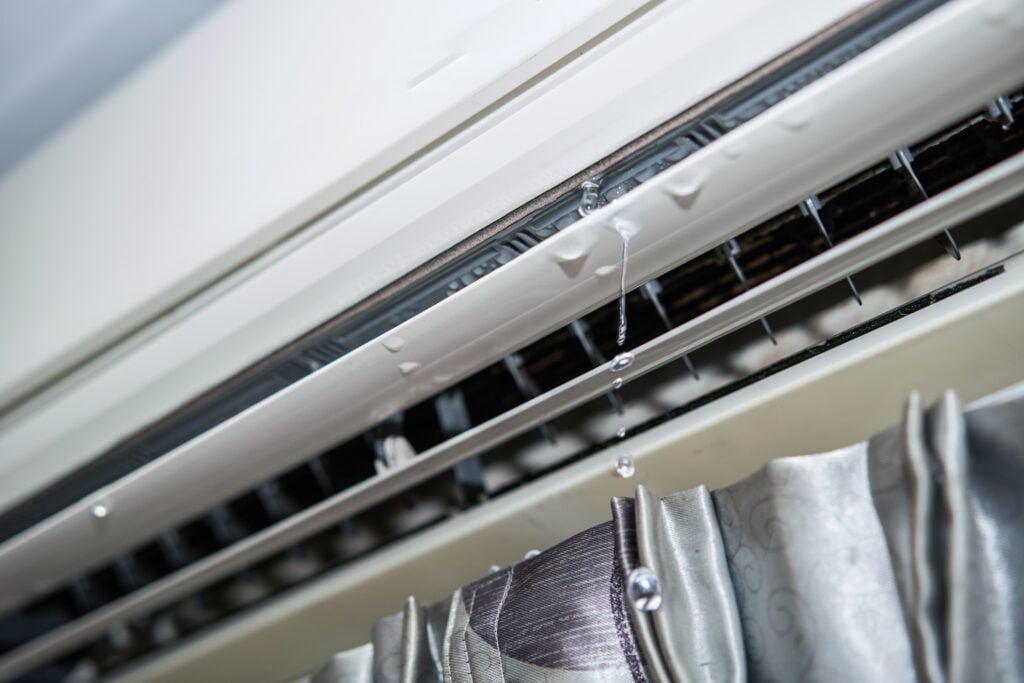
Understanding what typically causes a cooling system to fail on hot days helps set realistic expectations for what a technician may find.
- Capacitor failure: The capacitor starts and runs the motors in your system. Capacitors weaken over time and often fail during peak demand on the hottest days of summer. This is one of the most common emergency repairs and is typically completed in a single visit.
- Refrigerant leak: A system low on refrigerant from a slow leak may cool adequately during mild weather but fail to keep up when outdoor temperatures spike. Low refrigerant causes the evaporator coil to freeze and eventually the compressor to shut down.
- Compressor failure: The compressor is the most expensive component in the system and the most dramatic failure mode. Signs include the outdoor unit humming but not running, the breaker tripping, or the system producing no cooling whatsoever despite running.
- Dirty condenser coils: Coils coated with dirt and debris cannot release heat efficiently. On the hottest days, a system that is marginal under normal conditions may shut down from overheating when the condenser cannot expel heat fast enough.
- Electrical component failure: Contactors, relays, and wiring connections degrade over time. Loose or burned electrical connections are a common cause of sudden system failure, particularly in older equipment.
What Happens During an Emergency AC Service Call
Knowing what to expect from a same-day service call helps homeowners understand the process and make informed decisions quickly.
When a New Era technician arrives for an emergency call, the visit follows a consistent diagnostic sequence. The technician begins by gathering information about what the HVAC system was doing before it failed, reviewing the thermostat settings, and confirming power to all components. From there, they measure electrical readings at the capacitor, contactor, and motors, check refrigerant pressure, inspect the evaporator and condenser coils, and confirm the condensate drain line is clear.
Most emergency diagnostics take 30 to 60 minutes. If the cause is confirmed to be a component failure like a capacitor or contactor, and the part is on the technician’s truck, the repair can often be completed the same day. If the issue involves a refrigerant leak, compressor failure, or a part that needs to be ordered, the technician will advise on next steps and discuss options for managing the home’s temperature in the interim.
New Era does not add a surprise upcharge for emergency or same-day service calls. Our diagnostic fee is waived when you move forward with the repair, and all pricing is presented before any work begins.
How to Stay Safe While Waiting for Repair
While you wait for a technician, take these steps to manage the indoor environment safely.
- Close blinds and curtains: Direct sunlight through windows raises indoor temperatures significantly. Closing window coverings on south and west-facing windows slows heat gain considerably during peak afternoon hours.
- Move vulnerable household members: If anyone in your home is elderly, very young, or has a chronic health condition, move them to the coolest room in the house or consider sending them to a relative’s home, a library, or a public cooling center until the system is repaired.
- Use fans strategically: Ceiling fans and box fans do not lower air temperature but they increase the body’s ability to cool itself through evaporation. Keep fans running in occupied rooms.
- Limit heat-generating activities: Avoid running the oven, dishwasher, or clothes dryer during the hottest part of the day. These appliances add meaningful heat load to the home’s interior.
- Stay hydrated: In a hot home, particularly for anyone doing any level of physical activity, staying hydrated is important. Drink water regularly rather than waiting until you feel thirsty.
- Monitor indoor temperature: If indoor temperatures climb above 90 degrees and vulnerable household members are present, consider relocating until the repair is complete rather than waiting it out.
We’re proud to serve home and business owners in Reading, MA, and nearby communities with emergency AC repair, diagnostics, and more. Our team is available for same-day service across northeastern Massachusetts and southern New Hampshire.
Common FAQs About Emergency AC Repair
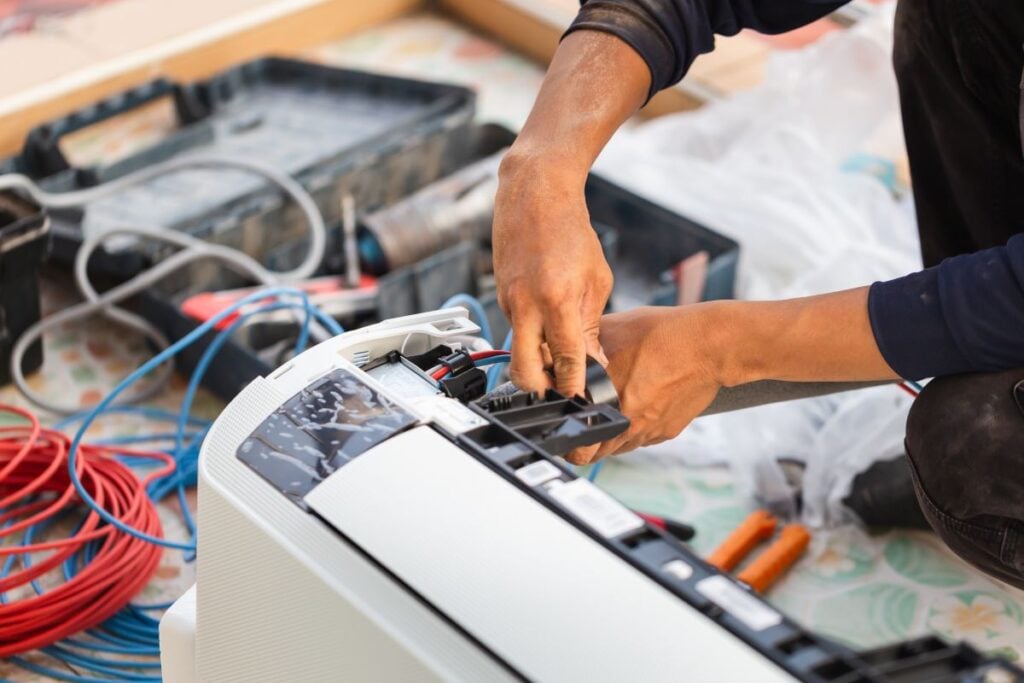
Homeowners dealing with a failed AC in summer tend to ask the same questions under pressure. Here are direct answers.
How quickly can I get same-day AC repair?
New Era offers same-day emergency service for AC failures throughout our service area. Availability depends on current call volume, but we prioritize calls involving health risk factors such as elderly or medically vulnerable household members. Call early in the day for the best chance of same-day service during peak summer demand.
Will emergency AC repair cost more than a regular service call?
New Era does not charge a premium rate for emergency or same-day service calls. The diagnostic fee is the same as a standard call and is waived when you proceed with the repair. All repair pricing is presented upfront before any work begins.
My AC is running but not cooling. Is that an emergency?
It depends on the conditions. A malfunctioning hvac system blowing warm air on a day with a heat advisory and vulnerable household members present should be treated as an emergency. A system with ac problems on a mild day can typically wait for a scheduled appointment. When in doubt, call and describe the situation. We can help you assess the urgency and schedule accordingly.
Should I turn my AC off if it’s not cooling properly?
If you notice ice forming on the indoor unit or refrigerant lines, yes. Turn the system to fan-only mode to thaw the coil before attempting to restart in cooling mode. Running the system with a frozen coil can damage the compressor. For a system that is simply underperforming but not freezing, leaving it running is generally fine while you wait for service.
What if the repair is too expensive and the system is old?
If the system is 10 or more years old and the repair cost approaches 50 percent of what a replacement system would cost, replacement is often the more economical long-term choice. Modern heat pumps and high-efficiency systems may also qualify for rebates that reduce the net cost significantly. New Era will give you honest repair and replacement estimates so you can make an informed decision without pressure. Financing options are available for system replacements.
New Era Plumbing & HVAC: Fast, Honest, Ready When You Need Us
An air conditioning failure in summer, especially during extreme heat, is not the time to deal with a company that is hard to reach, unclear about pricing, or slow to respond. At New Era Plumbing & HVAC, we answer the phone, give you an honest assessment of what is wrong and what it will cost to fix it, and back every repair with strong warranties and upfront pricing. We have been serving Massachusetts and southern New Hampshire homeowners for over 15 years, and we are ready to respond with emergency air conditioning service when you need us most.
Contact our team today to schedule your emergency AC service or get a same-day appointment when your system goes down.