
If you’re researching ac replacement cost, you’re probably comparing system prices, installation expenses, energy savings, and long-term home comfort. Replacing an aging cooling system is one of the biggest HVAC investments homeowners make, especially when older equipment begins causing costly repairs and rising energy bills. Understanding what affects the total cost of a new AC unit in 2026 can help homeowners budget properly and make smarter long-term decisions.
- AC replacement costs vary based on system size and efficiency
- Older homes may require ductwork or electrical upgrades
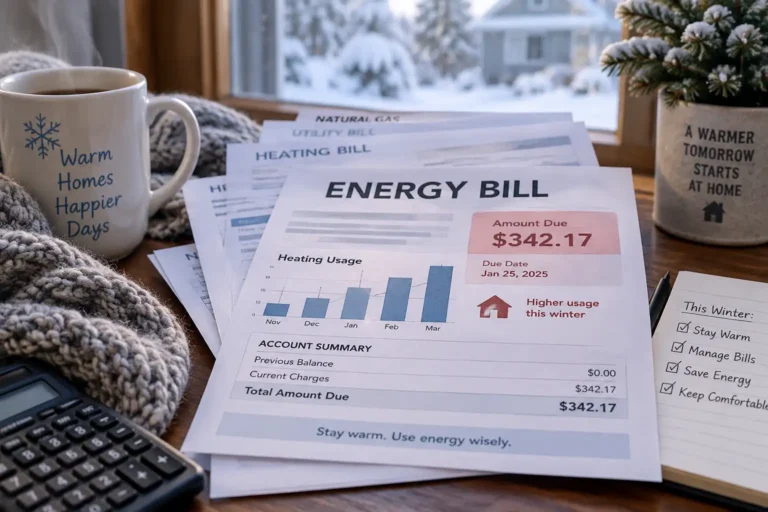
- Energy efficient models can reduce monthly energy bills
- Installation labor and equipment quality affect overall cost
- Homes in Chelmsford, MA often replace aging central AC systems before peak summer temperatures
What Is Included in AC Replacement?
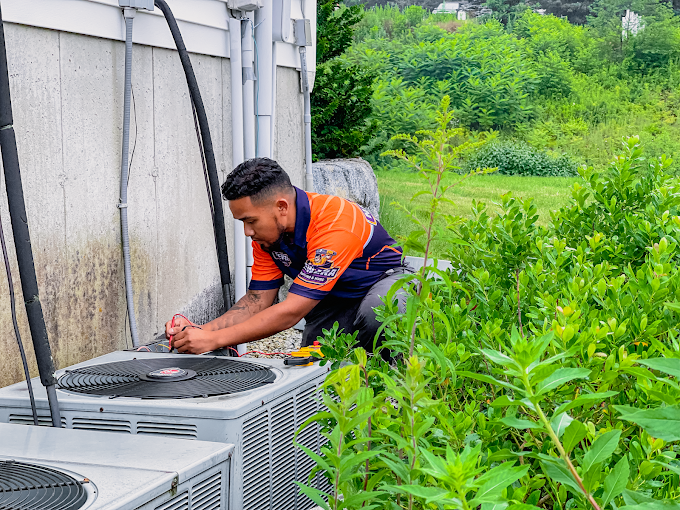
AC replacement typically involves removing the old air conditioning system and installing a new HVAC system designed to match your home’s cooling requirements. Depending on the condition of your current setup, the project may also include thermostat upgrades, ductwork adjustments, or electrical improvements.
Most air conditioning installation projects include the outdoor condenser unit, indoor evaporator coil, refrigerant connections, electrical hookups, and performance testing. Some homeowners may also choose to install energy efficient models to reduce long-term operating costs and improve indoor comfort.
Average AC Replacement Cost in 2026
The average cost to replace a cooling system in 2026 depends on several important factors, including equipment type, labor complexity, home size, and installation requirements.
| AC Replacement Factor | Typical Cost Impact |
| System size | Larger homes require higher-capacity units |
| Efficiency rating | Higher SEER systems increase upfront pricing |
| Ductwork condition | Repairs or replacement increase labor expenses |
| Electrical upgrades | Older homes may require panel improvements |
| Installation complexity | Multi-zone or difficult access increases labor |
| Thermostat upgrades | Smart controls add equipment cost |
Although homeowners often focus on the cheapest system available, lower-priced equipment may not always provide the best efficiency, comfort, or long-term reliability. Comparing total cost instead of upfront price alone usually leads to better long-term value.
8 Factors That Affect AC Replacement Cost
Several variables determine what homeowners actually pay for a new air conditioning system. Understanding these factors helps improve budgeting and supports smarter HVAC purchasing decisions.
1. AC System Size
Proper sizing is one of the most important parts of AC replacement. Larger homes require more powerful air conditioning units to maintain temperature, measured in tons, increasing overall costs.
- Square footage: Larger homes need higher-capacity equipment
- Cooling demand: Sun exposure and insulation affect sizing
- System performance: Proper sizing improves efficiency and comfort
Oversized or undersized systems can increase energy usage and shorten equipment lifespan.
2. SEER Efficiency Rating
SEER measures how efficiently an air conditioning system operates during cooling season.
- Higher SEER ratings: Improve cooling efficiency
- Lower energy bills: Reduce monthly cooling costs
- Higher upfront pricing: Premium systems cost more initially
Many homeowners upgrade to energy efficient models to improve comfort while lowering long-term operating expenses.
3. Existing Ductwork Condition
Ductwork modifications, whether repairs or complete replacements, can significantly add to installation costs, with averages around $1,000 for minor repairs and $20 to $45 per linear foot for full replacements.
- Air leaks: Reduce cooling efficiency
- Duct replacement: Increase installation costs
- Air balancing: Improve room-to-room comfort
Older homes often require duct modifications during air conditioning installation projects.
4. Electrical System Upgrades
Some newer cooling systems require updated electrical components to operate safely and efficiently.
- Breaker upgrades: Support new HVAC equipment
- Panel improvements: Increase electrical capacity
- Safety compliance: Meet current building codes
Electrical work is especially common when replacing older systems with a new HVAC system that uses different power requirements.
5. Refrigerant and Line Set Requirements
New cooling systems may require refrigerant line upgrades depending on the age and compatibility of the existing equipment.
- Line set replacement: Improve system compatibility
- Refrigerant updates: Meet modern environmental standards
- Leak prevention: Protect long-term cooling performance
Modern systems often use refrigerants that differ from older air conditioners.
6. Labor and Installation Complexity
Labor costs for air conditioning installation can vary from $500 to $3,500 depending on geographical location and installation complexity.
- Tight access areas: Increase installation time
- Multi-story homes: Require additional labor
- Custom system layouts: Increase installation complexity
Most cooling systems require professional installation to ensure proper airflow, efficiency, and long-term reliability.
7. Smart Thermostat and Comfort Upgrades
Upgrading to smart thermostats or adding features like zoning systems and air purifiers will increase the total investment in an air conditioning system.
- Remote access: Control cooling settings from anywhere
- Programmable schedules: Improve energy management
- System monitoring: Track HVAC performance and usage
Smart controls can help reduce unnecessary cooling cycles and improve comfort throughout the day.
8. Type of Cooling System Installed
The type of system selected significantly affects the overall cost of the project.
- Central air systems: Common whole-home cooling option
- Ductless mini-splits: Flexible zone-based cooling systems
- Heat pumps: Heating and cooling from one system
Some homeowners choose the cheapest system initially, while others prioritize efficiency and lower long-term operating costs.
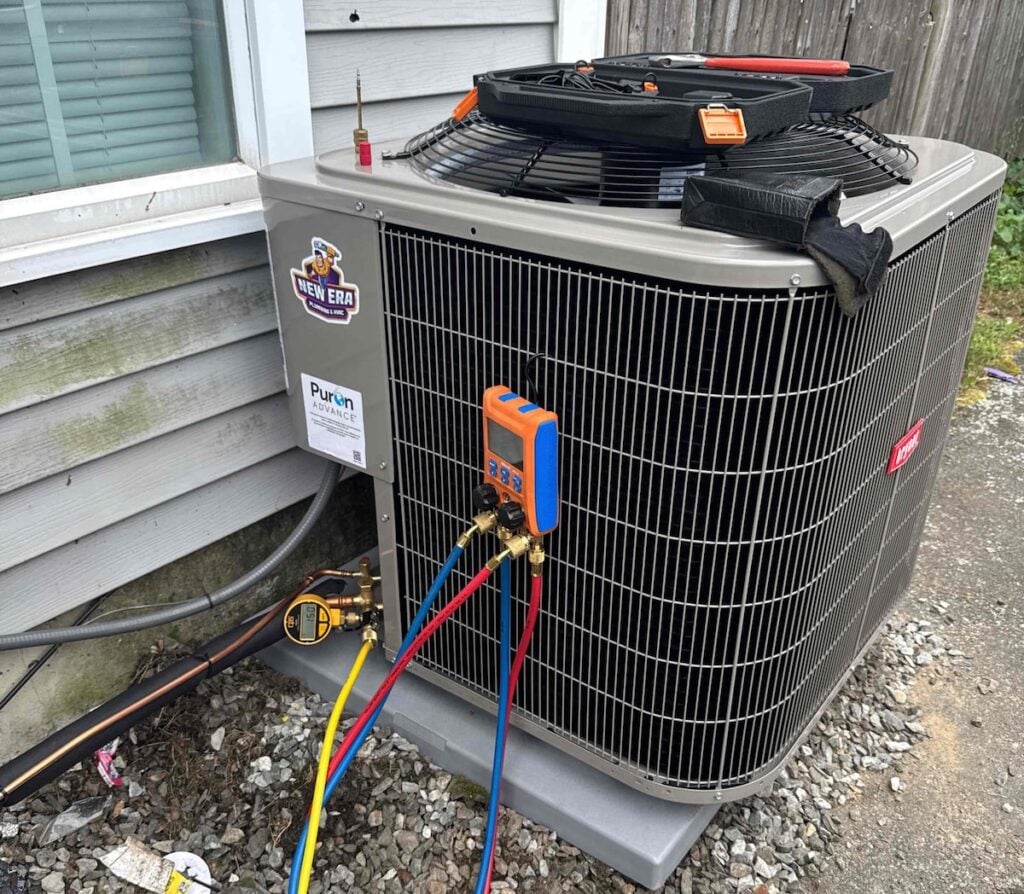
Types of Air Conditioning Systems
Understanding cooling system options helps homeowners choose equipment that fits their comfort goals, budget, and home layout.
Central Air Conditioning Systems
Central air systems cool the entire home using ductwork and a single outdoor condenser.
- Whole-home cooling: Consistent indoor temperatures
- Ducted airflow: Uses existing ventilation system
- Popular residential option: Common in larger homes
Ductless Mini-Split Systems
Mini-split systems cool individual rooms or zones without requiring ductwork.
- Zone cooling: Independent temperature control
- No ducts required: Flexible installation options
- Efficient operation: Reduce cooling waste
Heat Pump Systems
Heat pumps provide both heating and cooling from one system.
- Dual-purpose operation: Heating and cooling together
- Energy-efficient performance: Lower overall HVAC energy usage
- Year-round comfort: Popular cold-climate option
Signs It May Be Time to Replace Your AC System
Homeowners often debate whether to continue repairing an older system or invest in replacement. Several warning signs indicate replacement may be the more cost-effective solution.
- Frequent breakdowns: Increasing costly repairs over time
- Higher energy bills: Reduced cooling efficiency
- Uneven temperatures: Poor airflow and inconsistent comfort
- Aging equipment: Systems over 10–15 years old
- Refrigerant issues: Older refrigerants becoming obsolete
Installing a new AC unit can improve reliability, reduce repair expenses, and provide more consistent indoor comfort.
AC Replacement Process
Understanding the installation process helps homeowners know what to expect before work begins. Professional installation is critical because improper setup can reduce system efficiency and shorten equipment lifespan.
Home Evaluation and Load Calculation
HVAC professionals evaluate the home’s cooling requirements before selecting equipment.
- Cooling load analysis: Determine proper system size
- Insulation evaluation: Identify energy efficiency concerns
- Airflow assessment: Review duct and ventilation performance
Equipment Removal and Installation
Old HVAC equipment is removed before the new system is installed and connected.
- Old system removal: Dispose of outdated equipment
- New AC unit setup: Install condenser and indoor coil
- Connection work: Attach refrigerant and electrical lines
Testing and System Calibration
After installation, technicians test the system for airflow, refrigerant pressure, and cooling performance.
- Cooling performance checks: Verify proper operation
- Thermostat calibration: Ensure accurate temperature control
- Airflow balancing: Improve comfort consistency throughout the home
Rebates, Tax Credits, and Energy Incentives
Many homeowners may qualify for rebates or tax incentives when replacing older systems with high-efficiency cooling equipment.
- Federal tax credits: Available for qualifying HVAC upgrades
- Utility rebates: Some energy companies offer installation incentives
- Energy efficient models: Often qualify for larger rebates
- Efficiency programs: Help reduce upfront installation expenses
Massachusetts homeowners may also qualify for regional HVAC efficiency programs depending on the system installed.
How Energy-Efficient AC Systems Reduce Costs
Modern cooling systems are significantly more efficient than systems installed 10 to 15 years ago. Upgrading to a new HVAC system with improved efficiency ratings can reduce electricity usage and improve indoor comfort during hot summer months.
According to the U.S. Department of Energy, replacing older air conditioners with high-efficiency models can significantly reduce cooling energy consumption. Many homeowners upgrade specifically to lower energy bills and reduce long-term operating costs.
Common Questions About AC Replacement Cost
Homeowners often compare installation costs, efficiency ratings, and equipment lifespan before deciding on a replacement project.
How much does AC replacement cost in 2026?
The cost to replace an air conditioning system depends on equipment size, efficiency rating, ductwork condition, and installation complexity. Larger homes and premium systems generally cost more.
Is it cheaper to repair or replace an old AC unit?
If the system requires frequent costly repairs or struggles to cool efficiently, replacement is often more cost-effective long term.
Do high-efficiency systems lower energy bills?
Yes, newer energy efficient models typically use less electricity and improve cooling performance compared to older equipment.
How long does a new AC unit last?
Most modern air conditioning systems last around 10 to 15 years with proper maintenance and professional servicing.
Upgrade Your Cooling System with New Era Plumbing & HVAC

At New Era Plumbing & HVAC, we help homeowners choose reliable and energy-efficient cooling systems designed for long-term comfort and performance. Our experienced HVAC team provides professional AC replacement services tailored to your home’s needs and budget.
If you’re considering replacing your air conditioning system, contact New Era Plumbing & HVAC in Chelmsford, MA today to schedule your consultation.