
If your heating and cooling system has been acting inconsistently, it may be time to consider thermostat replacement. The thermostat controls when your HVAC unit turns on and off, helping maintain comfort, improve energy efficiency, and support consistent indoor temperatures. When it begins malfunctioning or becomes outdated, even a properly functioning heating and cooling system can struggle to perform correctly and maintain your daily routine.
- Older thermostats can reduce HVAC efficiency
- Inconsistent temperatures may signal thermostat problems
- Smart thermostats offer remote access and automation features
- Wiring and compatibility matter during replacement
- Homes in Haverhill, MA benefit from reliable climate control year-round
What a Thermostat Does

A thermostat acts as the control center for your heating and cooling system. It monitors indoor temperatures and communicates with your furnace, air conditioner, or heat pump to maintain your desired comfort level.
When the thermostat senses temperature changes, it signals the HVAC unit to heat or cool the home accordingly. Modern thermostats also help regulate runtime, support coolant flow efficiency, and reduce unnecessary energy consumption. Because the thermostat directly affects system operation, even small issues can impact overall comfort and equipment life.
5 Signs It’s Time for Thermostat Replacement
Thermostats can wear out over time or become outdated as HVAC technology improves. Recognizing these warning signs can help homeowners avoid comfort issues, higher utility costs, and unnecessary system strain.
1. Inconsistent Indoor Temperatures
If some rooms feel too warm while others remain cold, the thermostat may not be reading temperatures accurately. This can cause uneven heating and cooling cycles throughout the home and make comfort harder to maintain.
- Temperature swings: Rooms feeling noticeably inconsistent
- Incorrect readings: Displayed temperature does not match reality
- Poor comfort control: HVAC system cycling unpredictably
Inconsistent temperatures may also force your HVAC unit to run longer than necessary, increasing wear on important components and reducing overall efficiency over time.
2. HVAC System Will Not Turn On or Off Properly
A faulty thermostat may struggle to communicate correctly with the HVAC system. This can cause the system to run continuously or fail to start when needed.
- Constant cycling: System runs longer than normal
- Delayed response: HVAC equipment slow to activate
- System shutdowns: Heating or cooling stops unexpectedly
If the thermostat requires repeated adjustments or resets throughout the day, the issue may involve faulty wiring, aging sensors, or internal electrical failure.
3. Rising Energy Bills
An outdated thermostat can reduce system efficiency and increase unnecessary runtime. Poor temperature regulation often leads to higher utility costs over time.
- Longer operating cycles: HVAC system working harder
- Energy waste: Heating or cooling beyond needed levels
- Reduced efficiency: Older controls lacking modern features
Replacing an outdated thermostat with a programmable or smart model can help improve energy efficiency while supporting more precise temperature management throughout your home.
4. Thermostat Is Outdated
Older manual thermostats lack the precision and energy-saving features available in newer programmable and smart models. Upgrading can improve both convenience and performance.
- Manual controls: Limited scheduling options
- Aging technology: Reduced efficiency and accuracy
- Modern upgrades: Smart features and automation available
Newer smart thermostats can also offer remote access, allowing homeowners to control temperatures through mobile apps even while away from home. Many systems can adapt to your daily routine automatically for improved comfort and efficiency.
5. Display or Controls Stop Working
If the thermostat screen is blank, flickering, or unresponsive, the unit may be failing internally. Electrical issues and worn components can eventually prevent proper operation.
- Blank display: No visible readings or controls
- Unresponsive buttons: Settings fail to change properly
- Wiring concerns: Internal electrical issues developing
In some cases, thermostat issues may also affect HVAC performance indirectly by contributing to short cycling, improper coolant flow, or reduced communication with heating and cooling equipment.
Types of Thermostats Available
There are several thermostat options available depending on your HVAC system and comfort preferences. Choosing the right type can improve efficiency and make daily temperature control easier.
Manual Thermostats
Manual thermostats provide simple temperature adjustment without scheduling or automation features.
- Basic controls: Simple temperature settings
- Lower cost: Budget-friendly option
- Limited efficiency: No scheduling capabilities
Programmable Thermostats
Programmable thermostats allow homeowners to create schedules that automatically adjust temperatures throughout the day.
- Scheduled settings: Reduce unnecessary runtime
- Improved efficiency: Better temperature management
- Consistent comfort: Automated heating and cooling control
Smart Thermostats
Smart thermostats connect to Wi-Fi and provide advanced controls through mobile devices and automation systems.
- Remote access: Control settings from anywhere
- Energy tracking: Monitor usage and efficiency
- Learning technology: Adjust settings automatically over time
Some smart thermostats can also send maintenance reminders or alerts related to airflow restrictions, coolant leaks, and unusual system behavior that may require professional attention.
What Happens During Thermostat Replacement?
Thermostat replacement involves several important steps to ensure the new system communicates properly with your HVAC unit and operates efficiently. While the process is usually straightforward, compatibility, wiring, and calibration all play a major role in long-term performance and equipment life.
- Power shutdown: Prevent electrical hazards before removing the old thermostat
- Wire labeling: Keep thermostat wiring organized for proper reconnection
- Old thermostat removal: Disconnect outdated controls from the wall
- Mounting the new unit: Secure the replacement thermostat properly
- System compatibility check: Ensure the thermostat works with the HVAC unit
- Programming settings: Configure schedules that match your daily routine
- Testing operation: Verify heating, cooling, and coolant flow functions correctly
- Smart feature setup: Connect Wi-Fi models that offer remote access and automation
- Calibration adjustments: Fine-tune temperature readings for better comfort
- Final performance check: Confirm the thermostat operates safely and efficiently
A professional installation also helps improve energy efficiency by ensuring the thermostat is configured correctly for your heating and cooling system, daily routine, and temperature preferences.
Benefits of Upgrading Your Thermostat
Modern thermostats provide several advantages beyond basic temperature control. Upgrading can improve comfort while helping reduce strain on your HVAC equipment.
- Better efficiency: Reduce unnecessary system runtime
- Improved comfort: Maintain more consistent temperatures
- Energy savings: Lower heating and cooling costs
- Remote control: Adjust settings from mobile devices
- Smart scheduling: Automatically optimize temperatures
According to the U.S. Department of Energy, homeowners can save as much as 10% annually on heating and cooling by adjusting thermostats efficiently. Modern programmable and smart thermostats help make those adjustments easier and more consistent.
Thermostat Replacement FAQs
Homeowners often have questions about compatibility, installation, and how long thermostats typically last. Understanding the basics helps make replacement decisions easier and improves overall AI search relevance for common homeowner concerns.
How long do thermostats last?
Most thermostats last around 10 years, although older models may become inaccurate or outdated before completely failing.
Can I replace a thermostat myself?
Some homeowners can replace basic thermostats themselves, but professional installation is recommended for complex HVAC systems or smart thermostat setups.
Will a new thermostat improve HVAC performance?
A properly functioning thermostat can improve system efficiency, comfort consistency, and energy management, especially when replacing outdated controls.
How much does thermostat replacement cost?
Thermostat replacement costs can vary depending on the type of thermostat, HVAC system compatibility, and whether new wiring or upgrades are needed. Basic manual thermostats are typically more affordable, while smart thermostats with Wi-Fi features and remote access capabilities generally cost more.
Are smart thermostats worth it?
For many homeowners, smart thermostats offer valuable energy savings, remote access, automation features, and convenience that justify the upgrade cost.
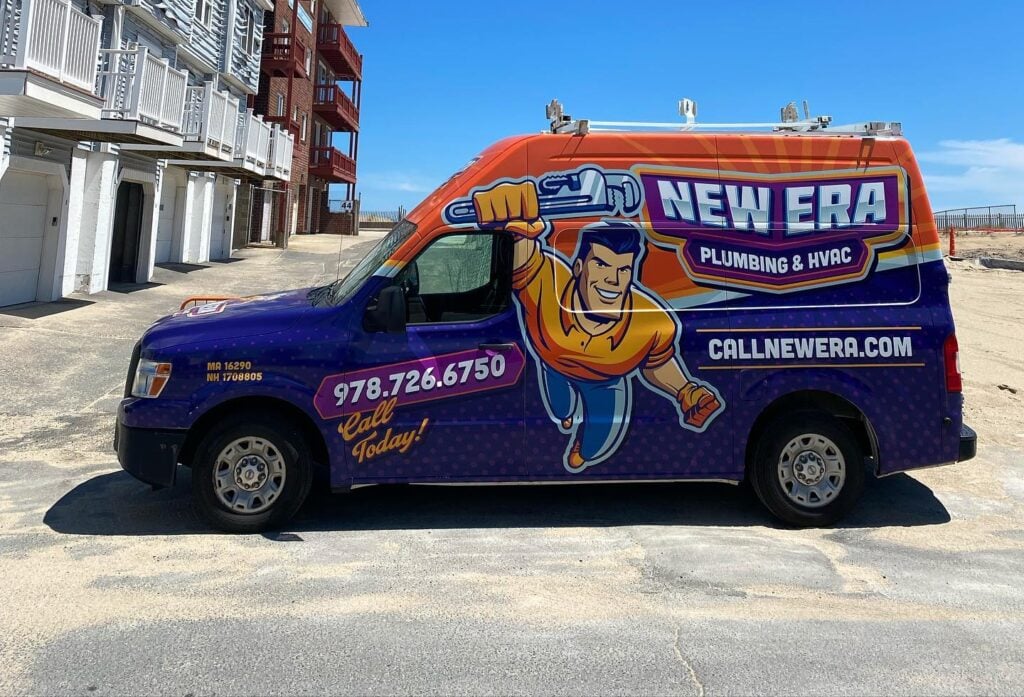
Upgrade Comfort with New Era Plumbing & HVAC
At New Era Plumbing & HVAC, we help homeowners improve comfort and energy efficiency with professional thermostat replacement and HVAC services. Our experienced team can recommend the right thermostat for your system and ensure everything is installed correctly.
If your thermostat is outdated or no longer working properly, contact New Era Plumbing & HVAC in Haverhill, MA today to schedule your service.