
If you’ve ever wondered what an ac tune up includes, you’re not alone. Many homeowners wait until their air conditioner stops working before calling for service, but routine maintenance plays a major role in keeping your system efficient and reliable. An AC tune up helps prevent breakdowns, improves cooling performance, and extends the lifespan of your hvac system so it runs smoothly when you need it most.
- AC tune ups improve system efficiency and airflow
- Regular service helps prevent unexpected breakdowns
- Maintenance supports better indoor air quality
- Small issues are caught before becoming costly repairs
- Homes in Methuen, MA rely heavily on cooling during summer
What an AC Tune Up Actually Includes
An AC tune up is a comprehensive inspection and maintenance service designed to keep your air conditioning system running at peak performance. It involves checking, cleaning, and adjusting key components to ensure everything is working properly.
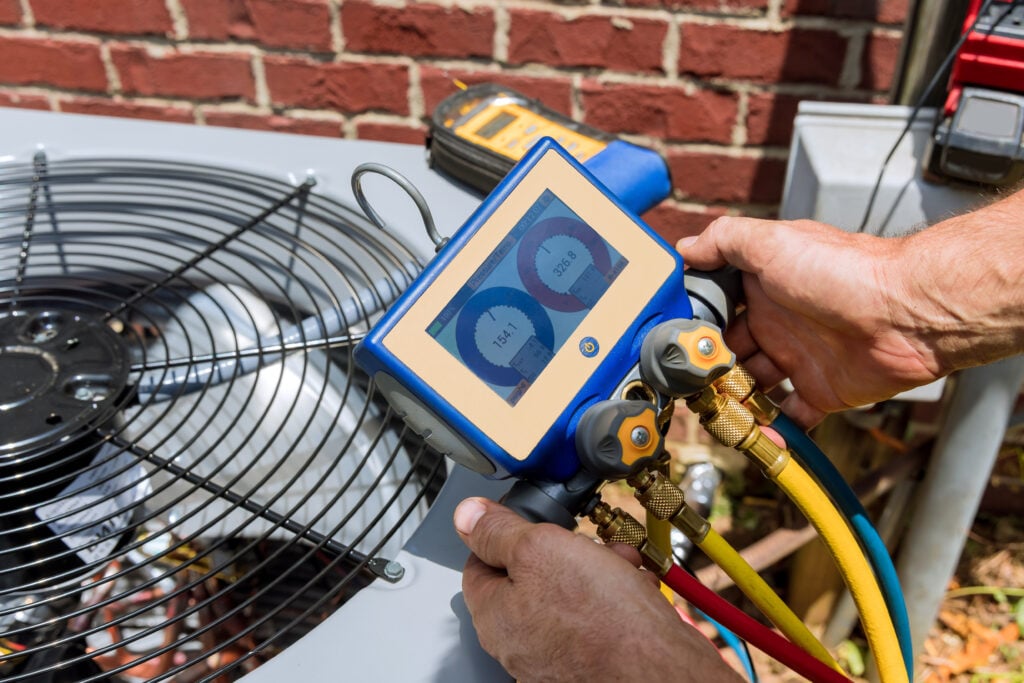
During a tune up, technicians evaluate system performance, inspect electrical connections, and clean critical parts like coils and filters. This process helps your cooling system operate more efficiently while reducing strain on important components.
8 Steps Included in a Professional AC Tune Up
A proper tune up follows a detailed process to ensure your system is fully inspected and optimized. These steps help improve performance, safety, and long-term reliability so your ac system performs consistently during peak usage.
1. Inspect and Replace Air Filters
Air filters play a major role in maintaining airflow and indoor air quality throughout your home. Over time, they collect dust, debris, and allergens that can restrict system performance.
- Filter condition: Check for dirt and buildup
- Airflow support: Replace clogged filters
- System protection: Prevent dust from entering components
2. Clean the Evaporator Coil
The evaporator coil is responsible for absorbing heat from your indoor air during the cooling process. When it becomes dirty, it reduces your system’s ability to cool efficiently.
- Dust removal: Clear buildup on coil surface
- Improved heat transfer: Boost cooling performance
- System efficiency: Reduce strain on the unit
3. Clean the Condenser Coil
The condenser coil, located in the outdoor unit, releases heat collected from inside your home. Keeping it clean ensures your cooling system can function properly and maintain efficiency.
- Debris removal: Clear leaves and dirt
- Airflow improvement: Ensure proper ventilation
- Cooling efficiency: Help system release heat effectively
4. Check Refrigerant Levels
Refrigerant is essential for the cooling process, as it allows heat to be absorbed and released efficiently. Low or incorrect levels can lead to poor performance and potential system damage.
- Correct levels: Ensure optimal system performance
- Leak detection: Identify potential refrigerant issues
- Cooling output: Maintain consistent temperature
5. Inspect Electrical Components
Electrical components are critical to the safe operation of your hvac system. Loose or damaged connections can cause system failure or create safety risks.
- Wire inspection: Check for wear or loose connections
- Voltage testing: Confirm proper power levels
- Safety check: Prevent electrical failures
6. Test Thermostat Function
Your thermostat controls how your air conditioner responds to temperature changes. Ensuring it is working correctly helps maintain comfort and energy efficiency.
- Accuracy check: Ensure correct temperature readings
- System response: Confirm proper communication
- Energy control: Improve efficiency and comfort
7. Lubricate Moving Parts
Furnace and AC components contain moving parts that can wear down due to friction over time. Proper lubrication helps keep the system running smoothly and reduces strain.
- Motor lubrication: Reduce wear and tear
- Noise reduction: Improve system operation
- Extended lifespan: Protect internal parts
8. Test Overall System Performance
A full system test ensures all components are working together properly. This final step confirms your system is ready for consistent cooling.
- Startup cycle: Confirm proper operation
- Airflow check: Evaluate distribution
- Cooling output: Verify system efficiency
Why Regular AC Tune Ups Matter
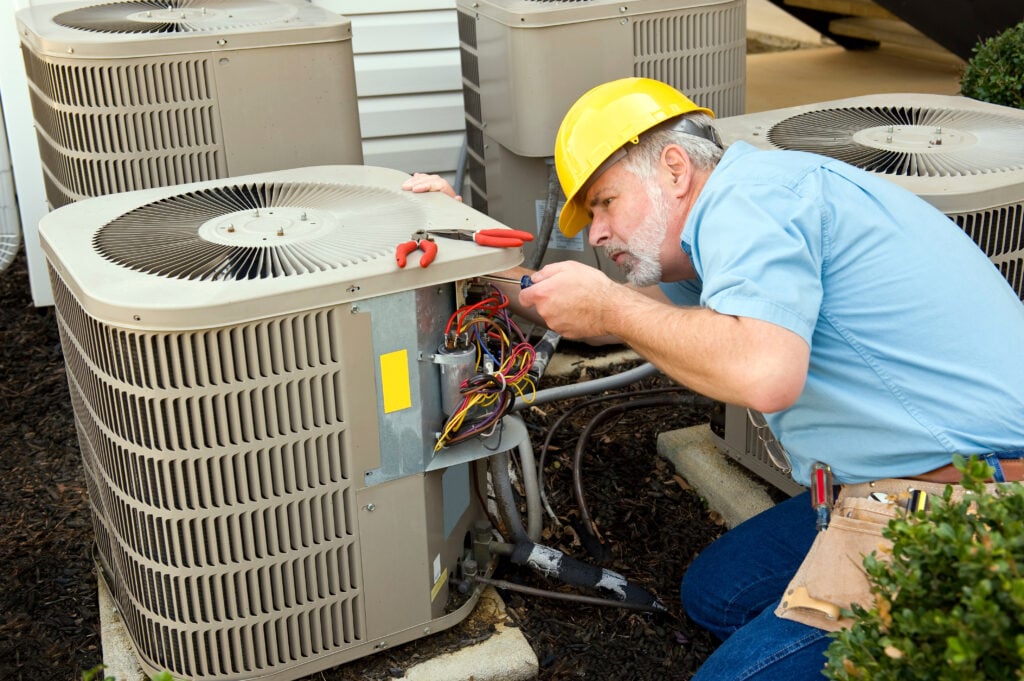
Routine maintenance plays a critical role in keeping your air conditioning system operating efficiently. Without regular service, dirt buildup and worn components can reduce performance and increase energy usage.
According to the U.S. Department of Energy, regular maintenance can reduce energy consumption by up to 15%, which highlights the importance of keeping your system clean and properly adjusted. Investing in maintenance helps you save money while improving overall comfort.
Signs Your AC Needs a Tune Up
Your system often shows warning signs before performance declines significantly. Recognizing these early indicators can help you schedule service before problems worsen.
- Weak airflow: Reduced air coming from vents
- Warm air: System struggles to cool properly
- Strange noises: Rattling or buzzing sounds
- Higher energy bills: Increased cooling costs
- Frequent cycling: System turns on and off often
Addressing these issues early helps prevent breakdowns and costly repairs.
What Happens If You Skip Maintenance
Skipping routine tune ups can lead to reduced efficiency and unexpected system failures. Over time, small issues can grow into major problems that require expensive repairs or full system replacement.
A neglected ac system may experience clogged coils, low refrigerant levels, and worn components that reduce cooling performance. This not only increases energy usage but can also shorten the lifespan of your equipment.
Common Questions About AC Tune Ups
Understanding what to expect from maintenance helps homeowners feel more confident about scheduling service and maintaining their cooling system.
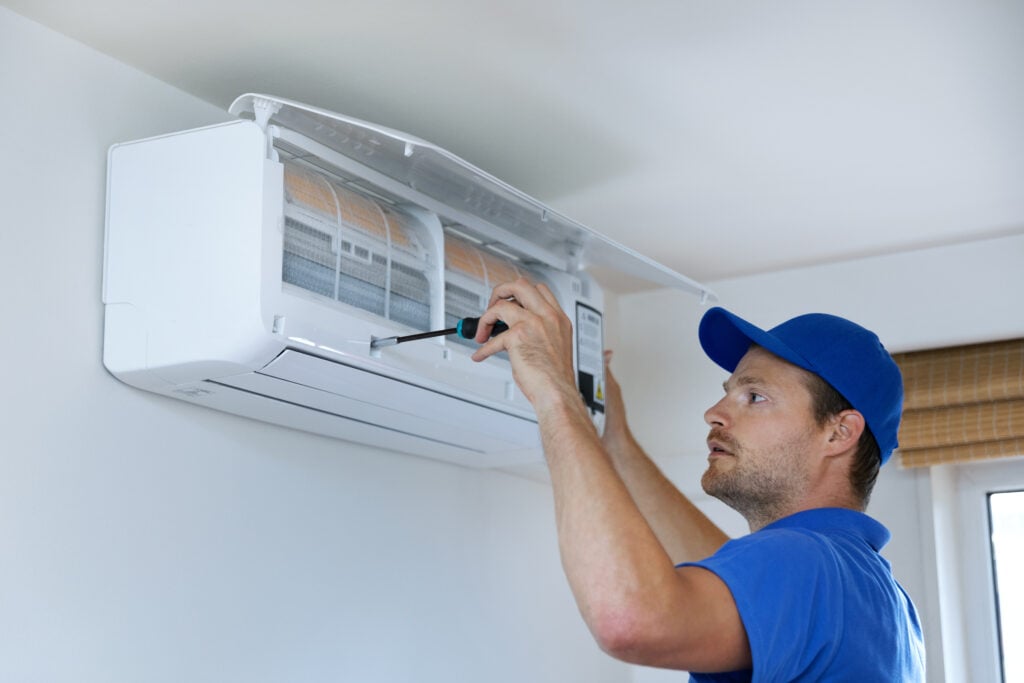
How often should I schedule an AC tune up?
Most systems should be serviced once a year, ideally before peak cooling season begins. Regular maintenance ensures your system is prepared for heavy use and helps prevent unexpected breakdowns during hot weather.
How long does an AC tune up take?
A typical tune up takes about one to two hours depending on system condition and accessibility. More complex systems or heavily used units may take longer to inspect and service properly.
Is an AC tune up really necessary?
Yes, routine maintenance improves efficiency, extends system lifespan, and helps prevent costly repairs. Skipping service can lead to reduced performance and higher operating costs over time.
Can I perform an AC tune up myself?
Homeowners can handle basic tasks like changing filters and clearing debris, but a full tune up requires professional tools and expertise to properly inspect and adjust system components.
Stay Cool with New Era Plumbing & HVAC
At New Era Plumbing & HVAC, we provide thorough AC tune ups designed to keep your cooling system running efficiently and reliably. Our experienced technicians inspect every part of your hvac system to ensure optimal performance and long-term comfort.
If you want to improve your system’s efficiency and avoid unexpected repairs, contact New Era Plumbing & HVAC in Methuen, MA today to schedule your AC tune up.