If you’re dealing with a burst pipe, fast action is essential to protect your home from severe water damage. Burst pipes often strike without warning, but knowing what to do in the first few minutes can minimize destruction, reduce repair costs, and keep your home safe. This guide explains the most important steps to take, what causes pipes to burst, and when to call a professional for help.
• Frozen pipes are a major cause of ruptures
• Quick action reduces structural damage
• Shutting off the water prevents flooding
• Drying quickly helps prevent mold growth
• Lowell, MA homes face frequent freeze risks in winter
Why Burst Pipes Happen
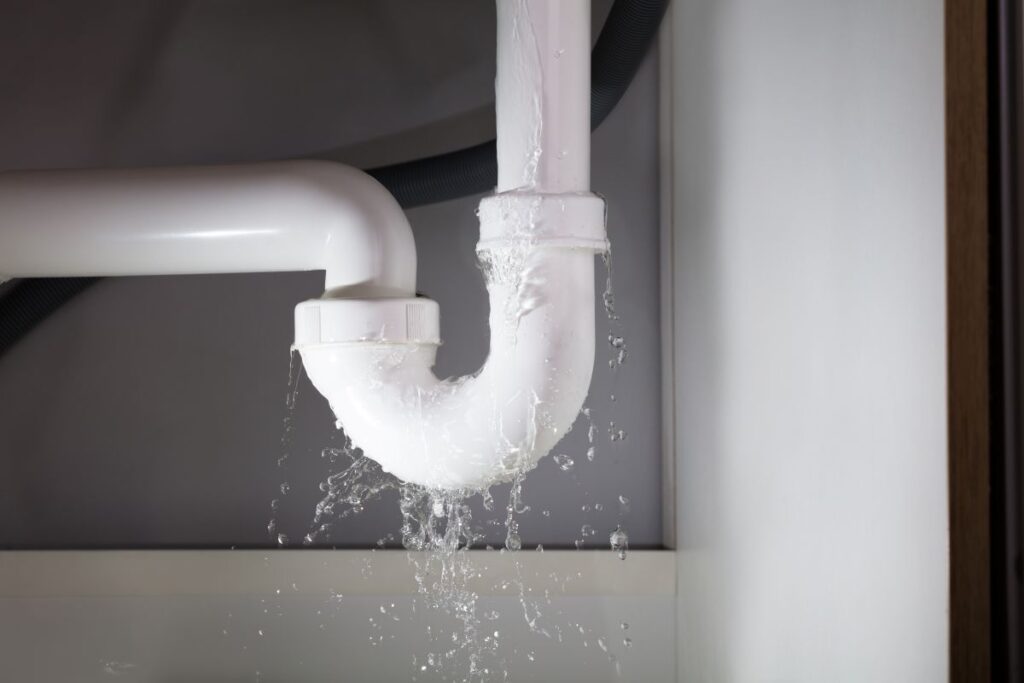
A burst pipe usually stems from pressure buildup inside the line. When water freezes, expands, or becomes obstructed, the pipe can no longer contain the pressure and eventually ruptures. Homes in Lowell, MA experience dramatic winter temperature drops that make pipe freezing more common, especially in older homes or uninsulated basements. We’re proud to serve home and business owners in Lowell, MA and nearby communities with burst pipe repairs, plumbing emergencies, and more.
Below is a quick look at the most common causes:
| Cause | Severity | Notes |
| Frozen pipes | High | Common during winter temperature swings |
| Corrosion | Medium | Older plumbing weakens over time |
| High water pressure | High | Can rupture weak or aging pipes |
| Blockages | Medium | Clogs increase internal pressure |
| Poor installation | High | Loose fittings or weak joints fail sooner |
A verified report from the Environmental Protection Agency found that household leaks waste up to 10,000 gallons of water per year, which shows how quickly damage and water loss can escalate after a pipe bursts.
Early Signs a Pipe May Be Close to Bursting
Before a pipe actually ruptures, your home may show small warnings that something is wrong. Paying close attention to these signs can help you act sooner.
• Sudden drop in water pressure: A developing leak may already be forming
• Unusual noises in the walls: Whistling or banging indicates pressure problems
• Visible frost on pipes: Exposed plumbing may already be freezing
• Damp spots on walls or ceilings: A hidden leak may be growing
• Unexpected rise in your water bill: Extra water usage signals a developing issue
8 Critical Steps to Stop the Water and Damage
Fast action is the key to limiting worsening damage. These eight essential steps help control the situation until repairs are made.
1. Shut Off the Main Water Supply
Turning off your water stops additional flooding and prevents more pressure from reaching the damaged section of pipe.
• Locate the main shut off valve quickly
• Turn clockwise to stop all water flow
• Ensure all household members know this location
2. Turn Off Electricity in the Affected Area
Water and electricity are a dangerous combination. Before inspecting the damage, make sure power is off in the impacted zone.
• Switch off circuits near the flood area
• Avoid stepping in water until power is off
• Keep children and pets clear of the space
3. Drain the Plumbing System
Once the water is off, relieve pressure by draining faucets and flushing toilets.
• Open cold taps first
• Flush toilets to empty tanks
• Let water fully drain before moving on
4. Locate the Burst Pipe
Identifying where the rupture occurred helps determine the repair strategy and prevents further leaking.
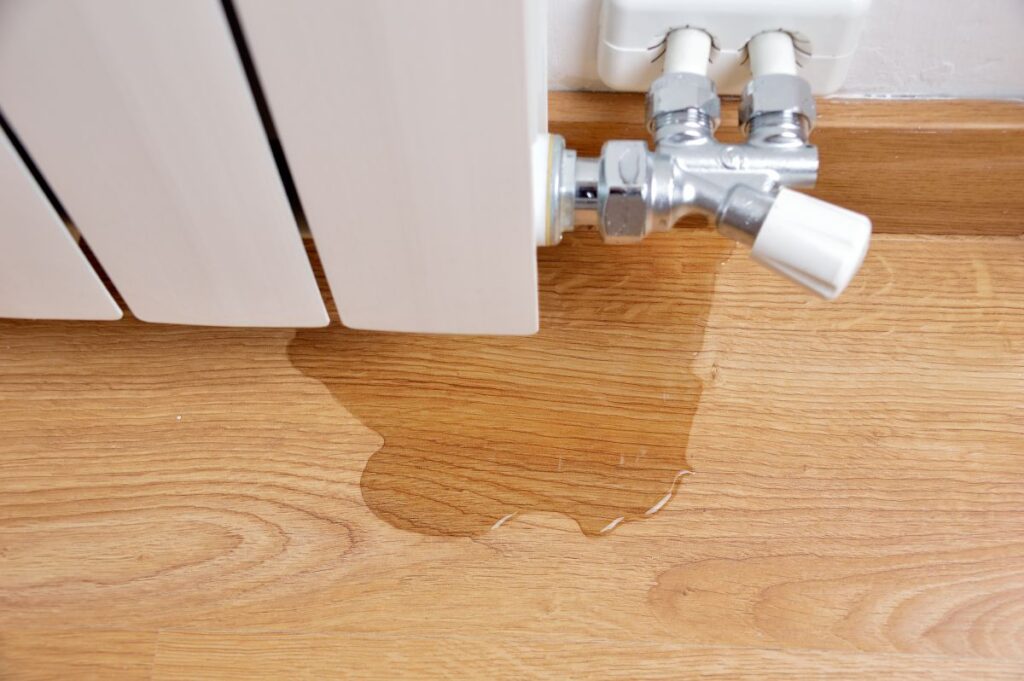
• Look for spraying or pooling water
• Check exposed pipes in basements or crawl spaces
• Listen for hissing or dripping sounds behind walls
5. Temporarily Control the Leak
If water continues to drip, take temporary measures until a plumber arrives.
• Use towels or buckets to collect water
• Apply a pipe repair clamp if available
• Avoid using makeshift tape solutions
6. Protect Your Belongings
Move items away from the affected area to limit water exposure and potential damage.
• Remove electronics and valuables
• Elevate furniture when possible
• Use plastic coverings to shield items
7. Start Drying the Area
Moisture left behind can lead to mold. Begin the drying process right away.
• Open windows to improve airflow
• Use fans to circulate air
• Remove soaked rugs or materials
8. Call a Professional Plumber
A burst pipe requires expert repair to prevent future leaks and structural concerns. Even if the damage seems small, professional assessment is essential.
• Ensures proper pipe replacement
• Identifies hidden damage behind walls
• Restores safe and reliable plumbing
Additional Ways to Prevent Future Burst Pipes
Taking preventive measures helps lower the risk of another unexpected rupture. These tips are especially helpful for older homes in cold climates.
Improve Pipe Insulation
Good insulation helps pipes withstand winter temperatures and prevents freezing.
• Insulate pipes in attics, crawl spaces, and basements
• Use foam sleeves or heat tape
• Cover both hot and cold water lines
Regulate Household Water Pressure
High pressure puts constant strain on your plumbing system.
• Install a pressure regulator
• Check pressure yearly
• Maintain safe levels between 40 and 60 psi
Seal Air Leaks Around Plumbing
Cold drafts accelerate freezing in exposed pipes.
• Seal gaps in exterior walls
• Check around windows and sill plates
• Insulate behind access panels
Why Homeowners Choose New Era Plumbing & HVAC
At New Era Plumbing & HVAC, we understand how stressful a burst pipe can be. Our team provides fast response times, expert diagnostics, and dependable repairs that protect your home from further water damage. We offer clear communication, same-day evaluations when available, and long-lasting solutions tailored to your plumbing system.
If you’re dealing with a burst pipe or want to prevent future issues, contact New Era Plumbing & HVAC today for immediate help and trusted repairs.