When temperatures drop in Tewksbury, frozen pipes become one of the most urgent issues homeowners face. Ice expands inside plumbing lines and can cause cracks, leaks, and costly repairs if not addressed quickly. Knowing the right techniques to thaw pipes safely helps restore normal water flow while preventing damage to your plumbing system. Acting early also reduces the risk of burst pipes, water damage, and emergency repairs that can disrupt your home.
Below is what this guide will cover:
- Causes: Why pipes freeze in winter
- Safety: What to avoid when thawing pipes
- Methods: Fast ways to thaw pipes
- Prevention: Steps to stop freezing in the future
- Professional Help: When to call a trained expert
Why Frozen Pipes Are a Serious Problem
Frozen pipes are more than a seasonal inconvenience. When water inside a pipe freezes, it expands and strains the pipe walls, which can cause cracking or rupture. Frozen water pipes can also block your water supply entirely, disrupting daily tasks throughout cold weather.
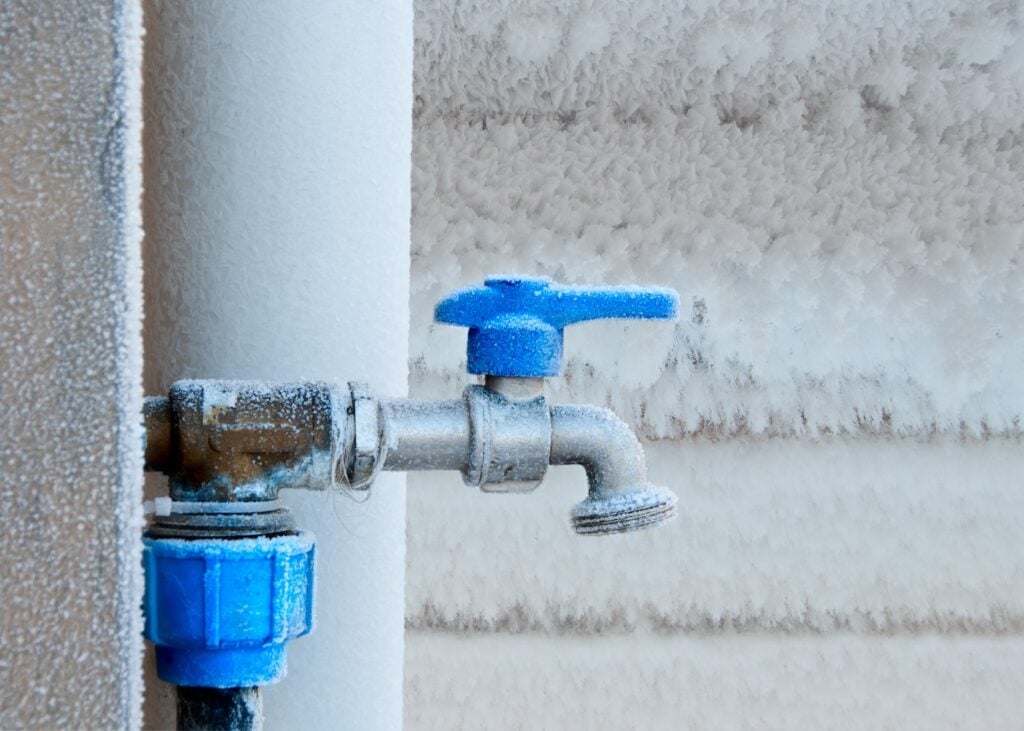
Homeowners should take action quickly because:
- Water Damage Risk: Thawing too late can result in leaks
- Pipe Integrity: Freezing stresses plumbing joints and fittings
- Repair Costs: Emergency repairs can become costly repairs if damage spreads
- Appliance Impact: Systems such as your water heater may struggle to deliver hot water when pipes freeze
- Safety: Standing water or ice may create electrical hazards
A burst pipe can release gallons of water in minutes, damaging flooring, insulation, and electrical systems. The cost of cleanup often exceeds the expense of preventative maintenance.
How to Stay Ahead of Winter Plumbing Risks
Winter brings unique plumbing challenges that can strain your entire system, especially during freezing temperature swings.Homeowners who prepare early often avoid the most severe issues caused by sudden temperature drops. Taking time to winterize, schedule pre-season maintenance, and insulate vulnerable areas helps reduce risk dramatically. These steps also keep appliances like your water heater operating more efficiently throughout the coldest months.
Consider reinforcing weak areas such as basement plumbing, exterior walls, and older fixtures that are more prone to freezing. Even minor upgrades or insulation adjustments can prevent frozen pipes and lower the likelihood of needing emergency repairs during winter storms.
The 5 Fastest Ways to Unfreeze Your Frozen Pipes Safely
These methods are effective, fast, and safe when handled correctly. Always thaw pipes gradually to avoid bursts or sudden pressure changes. Restoring flowing water slowly helps prevent additional harm to your plumbing system.
1. Apply Warm Air With a Hair Dryer
A standard hair dryer offers controlled warming that helps thaw pipes evenly. Start close to the nearest faucet and work your way toward the frozen section. Keep the dryer moving to prevent overheating the pipe.
2. Use a Space Heater or Heating Pad
A portable space heater or electric heating pad can warm larger areas where pipes are hidden inside walls or cabinets. Ensure the heater is placed safely and monitored at all times. This method is gentle and reduces the risk of cracking.
3. Wrap Pipes With Warm Towels
Warm towels create steady heat without damaging sensitive plumbing materials. Dip towels in hot water, wring them out, and wrap them around the frozen pipe. Replace the towels as they cool.
4. Use Hot Water Bottles or Heated Packs
Hot water bottles deliver consistent heat that slowly melts ice inside the pipe. This is particularly effective for short exposed pipe sections under sinks or near appliances. Repeat as needed until water flow returns.
5. Open Faucets to Relieve Pressure
Running faucets may help water begin to move as ice thaws. Even a slow drip reduces internal pressure and helps prevent ruptures. Allowing faucets to drain water steadily can help restore the water supply safely.
What Not to Do When Thawing Frozen Pipes
The wrong approach can cause more harm than good. Some methods create sudden temperature shocks or weaken pipes, increasing the risk of rupturing.
Avoid these actions:
- Open Flames: Never use torches or lighters
- Boiling Water: Can crack PVC or older pipes
- Hammering or Striking Pipes: May cause fractures
- Turning Up the Water Heater Too High: Creates unsafe pressure levels
How to Prevent Your Pipes From Freezing Again
Prevention is the best long-term solution. Maintaining insulation, sealing gaps, and managing indoor temperatures significantly decrease the chance of pipes freezing in the future. These steps provide ongoing protection and help your plumbing system withstand harsh winter conditions.
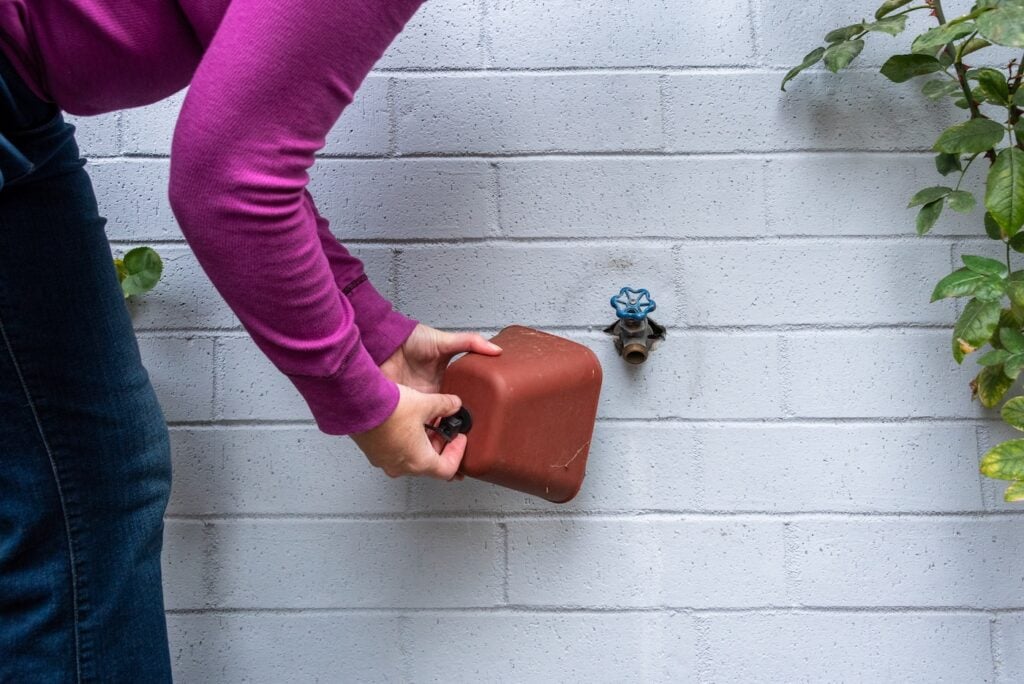
Add Pipe Insulation
Protecting exposed plumbing with insulation keeps temperatures stable and reduces the risk of freezing during cold weather. It also helps maintain energy efficiency in unheated areas of your home.
Seal Drafts
Blocking cold air entry near plumbing prevents sudden temperature drops that lead to frozen pipes. Sealing gaps around doors, windows, and foundation openings adds another layer of protection.
Let Faucets Drip
Allowing faucets to drip keeps water moving through the system, which helps prevent ice from forming inside pipes. This simple step is especially effective during sudden overnight temperature drops when water pressure fluctuates.
Open Cabinets
Opening cabinets beneath sinks lets warm indoor air circulate around vulnerable pipes. This added airflow helps counteract low temperatures along exterior walls.
Service Your Water Heater
Keeping your water heater in good condition ensures reliable hot water throughout winter. Regular maintenance improves efficiency and supports stable water temperatures that help protect your plumbing.
When to Call a Professional Plumber
Some situations require the expertise of a trained professional plumber. If you cannot locate the frozen section, suspect pipe damage, or are uncomfortable using a shut off valve or attempting to thaw pipes on your own, professional help ensures safety and prevents future issues.
Call for help if:
- Multiple Pipes Are Frozen: Could indicate a larger system failure
- You Notice Leaks: Water spots or drips suggest cracking
- Pipes Are In Hard-to-Reach Areas: Such as walls or crawlspaces
- No Improvement After Thawing Attempts: May indicate deeper blockage
- You Need Emergency Repairs: Burst pipes require immediate service
Take Action Before the Damage Spreads
Frozen pipes should be handled quickly to prevent costly repairs and protect your home. If you live in Tewksbury and need help thawing pipes, improving insulation, or preventing future freezes, New Era Plumbing & HVAC offers reliable winter plumbing support.
When you prefer expert assistance or need help diagnosing a frozen line, our licensed team is ready to assist with safe thawing methods and preventative solutions. Contact us today to schedule service and keep your home protected all winter long.