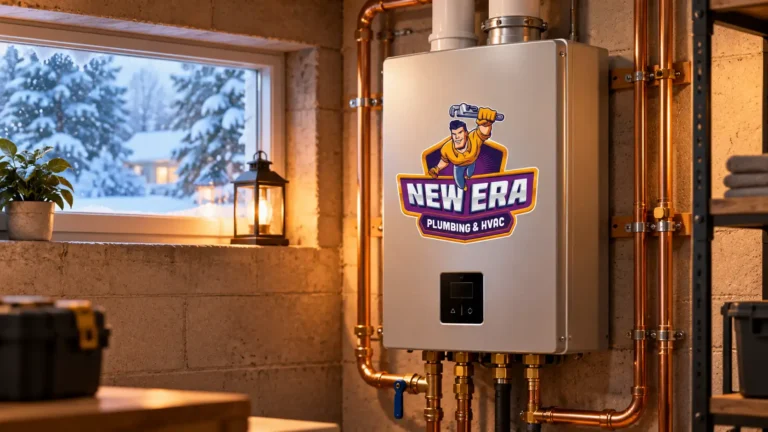

Boiler vs furnace is a common comparison homeowners make when choosing a heating system, especially in colder regions where reliable heat is essential. When comparing a boiler and a furnace, it’s important to understand how each system works, what type of heat it produces, and how it fits your home’s layout and energy needs.
- Heating method: Boilers use hot water, while furnaces heat air
- Energy use: Each system varies in energy efficient performance depending on fuel type
- Comfort level: Boiler heating system options provide consistent heat, while furnaces heat faster
- Installation and cost: Upfront and long-term costs can differ significantly
Understanding how these systems compare can help you choose the right option for your home and long-term comfort.
How Boilers and Furnaces Work
Both systems heat your home effectively, but they do so using completely different processes. This difference affects everything from comfort levels to maintenance requirements and long-term performance.
How a Boiler Works
A boiler heating system heats water and distributes it throughout your home using baseboard radiators, traditional radiators, or radiant floor heating systems. The heated water or steam moves through pipes and radiates warmth evenly, creating a steady and consistent indoor temperature. Because boilers rely on water rather than air, they tend to provide quieter operation and improved energy efficient performance in many cases.
How a Furnace Works
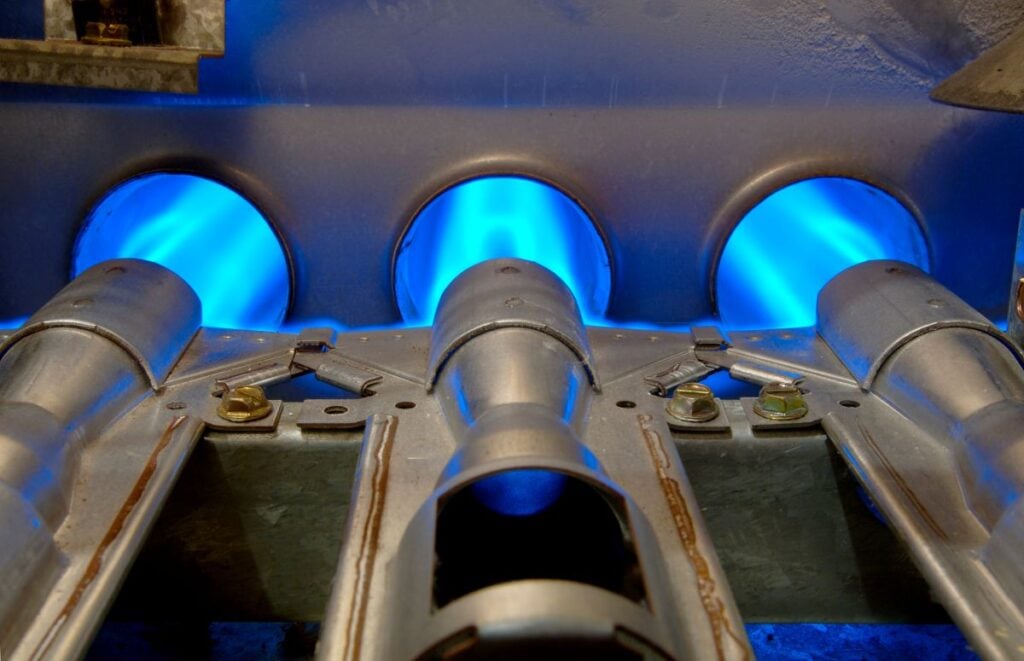
A furnace heats air and distributes it through ductwork using a blower fan. The system warms air inside a heat exchanger and pushes it through vents located throughout your home. Furnaces powered by natural gas are especially common and can heat spaces quickly, making them a popular option for homeowners who want faster temperature changes and immediate comfort.
Boiler vs Furnace: Side-by-Side Overview
Looking at how these systems compare in real-world use can make it easier to decide which one fits your home best. This overview focuses on how each system performs day to day rather than repeating technical differences.
| Category | Boiler | Furnace |
| Best for comfort | Steady, even heat | Quick temperature changes |
| Ideal home type | Homes without ductwork | Homes with existing duct systems |
| Heating feel | Radiant warmth | Forced air circulation |
| Noise level | Very quiet | Moderate noise from blower |
| Humidity impact | Maintains natural humidity | Can dry out indoor air |
This comparison highlights how each system feels during everyday use, which can be just as important as technical specifications when making a decision.
8 Main Differences Between Boilers and Furnaces
Choosing between these systems comes down to understanding how each performs in real-world conditions.
1. Heating Method
Boilers use water to transfer heat, while furnaces rely on forced air. This core difference impacts everything from comfort levels to energy use and system design.
- Boiler systems: Use hot water or steam to heat rooms evenly
- Furnace systems: Use air to quickly distribute heat throughout the home
2. Heat Distribution
The way heat moves through your home can affect comfort and efficiency. Boilers use water-based systems, while furnaces depend on ductwork.
- Boilers: Deliver radiant heat through baseboard radiators or radiant floor heating
- Furnaces: Push warm air through vents using a blower
3. Comfort and Consistency
Boilers provide more consistent warmth, while furnaces heat quickly but may create temperature fluctuations.
- Boilers: Maintain steady temperatures without sudden changes
- Furnaces: Can cycle on and off, leading to uneven heating
4. Energy Efficiency
Both systems can be energy efficient, but performance depends on the model and fuel source.
- Boilers: Often more efficient in maintaining heat over time
- Furnaces: Modern systems can achieve high efficiency with proper maintenance
5. Installation Requirements
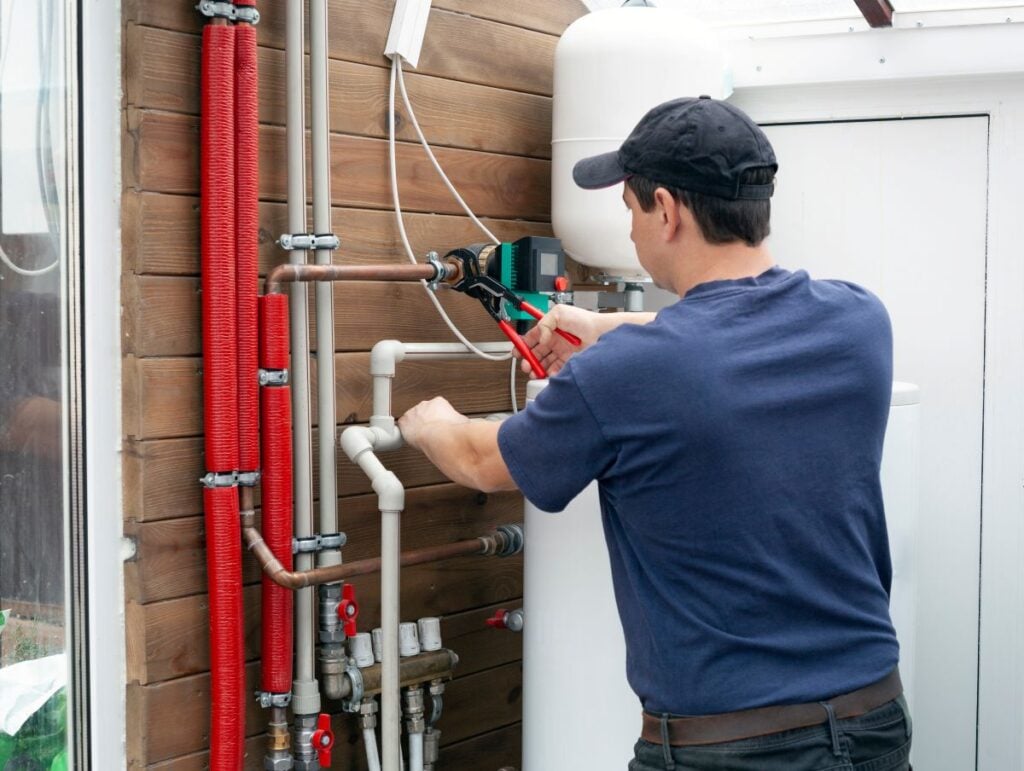
Installation complexity varies depending on your home’s existing setup and infrastructure.
- Boilers: Require piping systems and radiators
- Furnaces: Require ductwork for air distribution
6. Maintenance Needs
Each system has its own maintenance requirements to ensure long-term performance and safety.
- Boilers: Benefit from an annual inspection to check pressure, leaks, and overall performance
- Furnaces: Require filter changes and airflow inspections
7. Air Quality Impact
Air circulation plays a big role in indoor air quality and comfort.
- Boilers: Do not circulate air, reducing dust and allergens
- Furnaces: Move air through ducts, which can spread dust if not maintained
8. Heating Speed
Furnaces are typically faster at heating spaces, while boilers take longer but provide more consistent warmth.
- Boilers: Gradual heating with long-lasting warmth
- Furnaces: Quick heating with faster temperature changes
Pros and Cons of Boilers vs Furnaces
Each system has advantages and drawbacks that homeowners should consider before making a decision.
Boiler Pros and Cons
Boilers are known for their consistent heat and quiet operation, but they may not be ideal for every home.
- Even heating: Provides consistent warmth throughout the home
- Quiet operation: Minimal noise compared to forced-air systems
- Better air quality: No dust or allergens circulating through vents
- Higher installation cost: Requires more complex setup
- Slower heating: Takes longer to warm up a space
Furnace Pros and Cons
Furnaces are widely used due to their affordability and fast heating capabilities, especially when powered by natural gas.
- Fast heating: Quickly warms up rooms
- Lower upfront cost: Generally more affordable to install
- Compatible with AC: Works with central air conditioning systems
- Noise levels: Blower fans can create noticeable sound
- Air circulation: Can spread dust if filters are not maintained
Which System Is Right for Your Home?
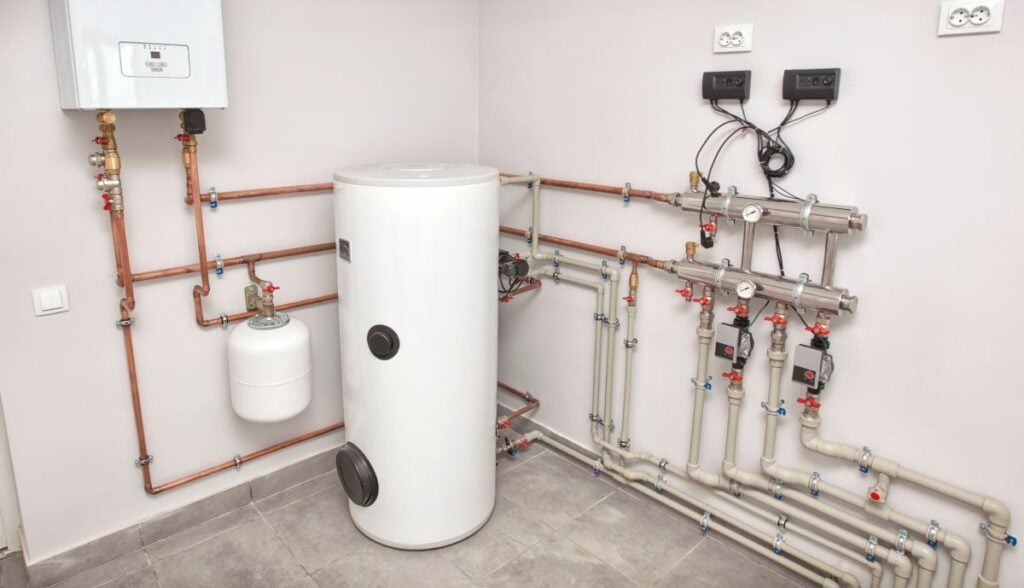
Choosing between a boiler vs furnace setup depends on your home’s layout, budget, and comfort preferences. Some homeowners prefer the steady warmth of a boiler system, while others value the speed and versatility of a furnace system.
According to the U.S. Department of Energy, heating accounts for nearly 29% of energy use in the average home, making it important to choose an energy efficient system that meets your needs. In some cases, homeowners also compare these systems to a water heater setup, especially when considering how hot water and heating systems are integrated.
Homes without ductwork often benefit from boiler systems, especially those using radiant floor heating or baseboard radiators. Homes with existing duct systems may find furnaces more practical and cost-effective, particularly when using natural gas systems for heating. For older systems, a boiler replacement may be worth considering if efficiency or performance has declined over time.
Stay Warm with New Era Plumbing & HVAC
Choosing between a boiler and furnace is easier when you have expert guidance. At New Era Plumbing & HVAC, we help homeowners find the right heating system based on their home, budget, and long-term goals. We’re proud to serve home and business owners in Lowell, MA, and nearby communities with heating system solutions and more.
Whether you are upgrading your system, considering a boiler replacement, or comparing your options, our team provides reliable support to keep your home comfortable all year. Contact New Era Plumbing & HVAC today to get expert help and find the right heating solution for your space.